Do You Need a Colorado License to Fish at Chatfield Reservoir?
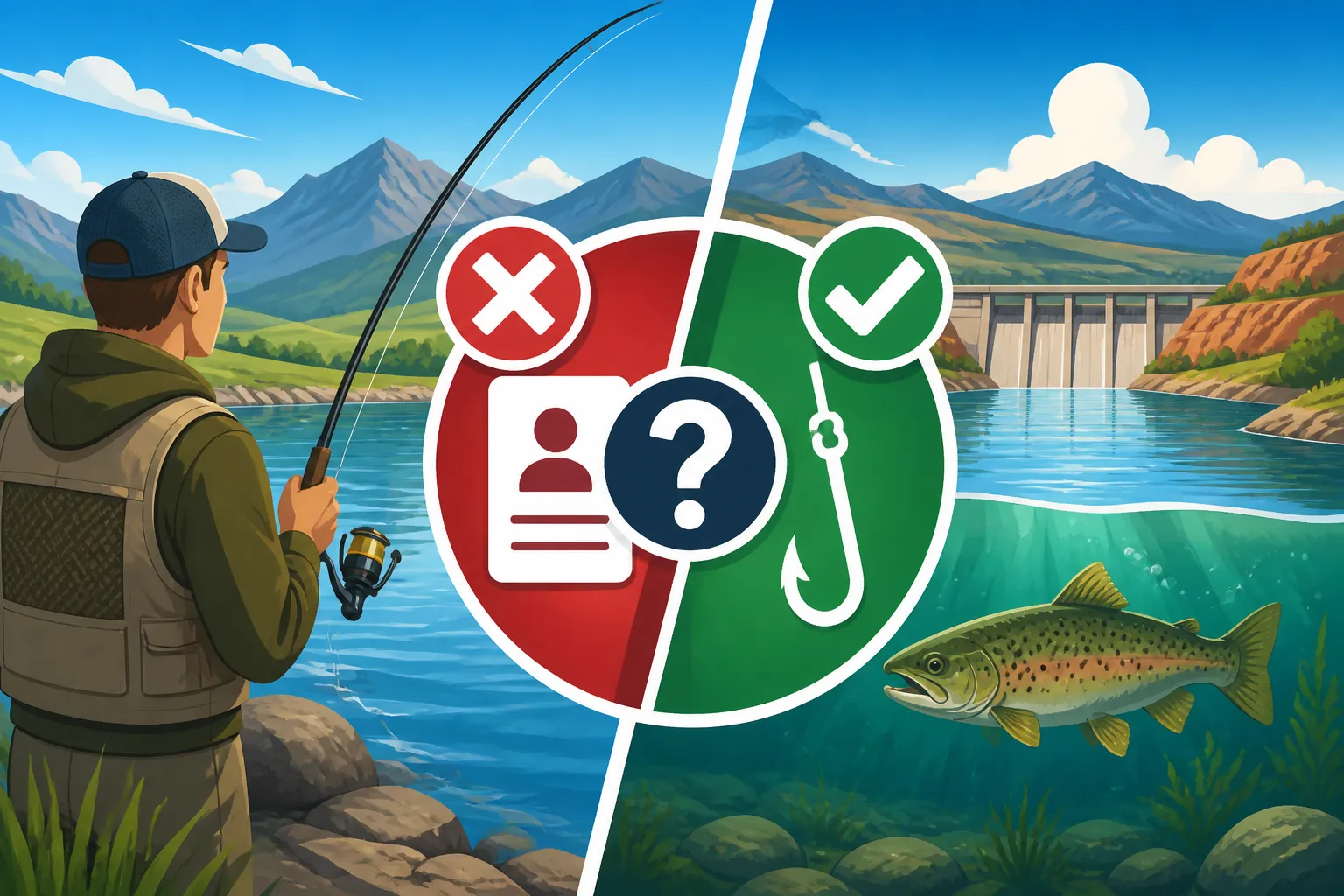
It’s a common question, especially for anglers new to the state or those who primarily fish private waters: do you really need a Colorado fishing license to cast a line at Chatfield Reservoir? The answer, unequivocally, is yes. This guide will cut through any confusion, explain why Chatfield is no exception to the rule, and walk you through everything you need to know to fish legally and enjoyably at this popular Front Range destination.
The Simple Answer: Yes, You Need a License for Chatfield Reservoir
The lure of Chatfield Reservoir is undeniable – sparkling waters, abundant fish, and incredible views of the foothills make it a favorite for many. But like any public fishing spot in Colorado, it comes with a fundamental requirement: a valid state fishing license. There’s no secret handshake or special loophole for Chatfield, and understanding why will help you stay on the right side of the regulations.
Why Chatfield Isn't Different from Other Public Waters
Chatfield State Park, located just southwest of Denver, is a prime example of a publicly managed fishery in Colorado. It's not a private lake, nor is it subject to any unique federal or local exemptions that would waive state licensing requirements. Colorado Parks and Wildlife (CPW) actively manages the fish populations here, stocking various species like rainbow trout, walleye, smallmouth bass, largemouth bass, channel catfish, and more. This management, which includes habitat protection, stocking programs, and enforcement, is primarily funded through the sale of fishing licenses and related stamps.
When you purchase a Colorado fishing license, you're directly contributing to these efforts. Your license fees help maintain healthy fisheries across the state, including those at Chatfield. Therefore, fishing at Chatfield without a license is essentially taking advantage of resources without contributing to their sustainability, which is why enforcement is consistent and penalties are in place. Whether you're targeting big smallmouth bass along the rocky shorelines, trolling for walleye in the deeper channels, or simply dropping a line off the dock, a license is your ticket to legally enjoy the water.
Understanding Colorado's Universal Licensing Requirements
Colorado's fishing regulations are designed to be relatively straightforward: if you are 16 years of age or older and plan to fish in public waters, you need a license. This applies whether you're a resident or a nonresident. There are very few exceptions to this universal rule. For instance, children under 16 years old are exempt from needing a fishing license, which is wonderful for encouraging youngsters to get into the sport. There's also Colorado's Free Fishing Weekend, typically held in early June, where everyone can fish without a license for a couple of days. However, these are specific, time-limited exceptions.
Beyond these, if you're fishing any lake, river, or reservoir managed by the state or accessible to the public, a license is a must. This covers everything from the sprawling reservoirs on the Front Range to the pristine high-country lakes in the Rockies. Understanding the general principles of Colorado Fishing License Guide for Residents and Nonresidents is crucial before you even pack your tackle box. It’s always best practice to assume you need a license unless you've specifically confirmed an exemption, and Chatfield Reservoir definitely falls under the standard requirement.
What Kind of License Do You Need for Chatfield?
Once you understand that a license is necessary for Chatfield, the next step is figuring out which type of license is right for you. Colorado Parks and Wildlife offers several options, catering to different needs, durations, and residency statuses. Your choice will largely depend on how often you plan to fish and if you’re a resident of the Centennial State.
Annual, One-Day, or Five-Day: Choosing Your Best Fit
When it comes to selecting your Colorado fishing license, you have a few primary choices, each with its own advantages, as detailed in the comprehensive Colorado Fishing License Costs Explained guide.
- Annual License: This is the most common choice for dedicated anglers and residents. An annual license is valid from April 1st of the purchase year through March 31st of the following year. So, if you buy one today, it's good for an entire year. For Colorado residents, an annual license is usually the most cost-effective option if you plan to fish more than a few times a year. If you anticipate multiple trips to Chatfield throughout the spring, summer, and fall, this is almost certainly your best value. It simplifies things, too, as you only have to buy it once per year.
- One-Day License: Perfect for a spontaneous trip or a visitor who only plans to fish Chatfield for a single day. This license is valid only for the specific date you select at the time of purchase. While it's great for flexibility, the per-day cost is significantly higher than if you were to spread out the cost of an annual license over many trips. For example, if you're on a quick vacation passing through Denver and want to spend an afternoon at Chatfield, this is your go-to.
- Five-Day License: This option is primarily aimed at nonresidents visiting Colorado for an extended fishing trip. It offers a more economical alternative to buying multiple one-day licenses if your trip lasts several days. It allows you to fish for five consecutive days from the start date you specify. Nonresidents who are here for a week-long adventure and want to hit Chatfield, perhaps the Dream Stream, and maybe a mountain lake, would find this license very useful. You can learn more about these specific durations in Colorado's Annual, One-Day and Five-Day License Options.
Deciding between these depends entirely on your fishing habits. If you live in Colorado and hit the water regularly, the annual license is a no-brainer. If you’re just visiting or want to try fishing Chatfield just once, a one-day license makes sense.
Don't Forget the Habitat Stamp and Second-Rod Stamp
Beyond the basic fishing license, there are a couple of additional stamps that many anglers will need, and it’s critical not to overlook them.
- Colorado's Habitat Stamp, Explained: Most anglers aged 18 to 64 are required to purchase a Habitat Stamp annually, in addition to their fishing license. This stamp provides vital funding for habitat protection, acquisition, and improvements across Colorado. It's a one-time annual purchase, meaning you only need one per year, regardless of how many licenses you buy or how many times you hunt or fish. It's a small fee that goes a long way toward preserving the beautiful landscapes and healthy ecosystems that make Colorado such an incredible outdoor destination. There are exemptions for seniors, veterans, and youth, but generally, if you're in the main angling demographic, you'll need this.
- Colorado's Second-Rod Stamp and Who Needs One: If you plan on fishing with two separate rods, lines, or poles at Chatfield Reservoir (or any other Colorado water where it's permitted), you'll need to purchase a Second-Rod Stamp. This stamp allows you the convenience of fishing with multiple lines simultaneously, which can be particularly effective when targeting species like walleye or catfish that might respond to different baits or depths at the same time. This is not a universal requirement; many anglers only use one rod, but if you do want to use two, it's mandatory. Failing to have this stamp while fishing with a second rod can lead to a citation, just like fishing without a primary license.
It's important to remember that these stamps are additions to your base license. You can't just buy a Habitat Stamp and go fishing; you need both (if applicable). Always check the current regulations, as details can change annually. When buying your license, the system will typically prompt you for these stamps if they apply to your age and intended activities.
Where to Get Your Colorado Fishing License for Chatfield
Acquiring your Colorado fishing license is a straightforward process, thanks to multiple convenient options provided by Colorado Parks and Wildlife. Whether you're a planner who likes to handle things online or someone who prefers a face-to-face transaction, there's a method that works for everyone.
Online, In-Person, or by Phone: All Your Options
You have a few ways to secure your license before heading out to Chatfield's shores:
- Online via CPWShop.com: This is by far the easiest and most popular method for many anglers. The Colorado Parks and Wildlife website, specifically CPWShop.com, allows you to purchase your license from the comfort of your home, 24/7. You simply create an account or log in, select the license type you need (annual, one-day, five-day), add any necessary stamps like the Habitat Stamp or Second-Rod Stamp, and complete your purchase. Once purchased, you can often print a temporary license immediately or save a digital copy to your phone. This makes it incredibly convenient, especially if you suddenly decide to go fishing and don't have time to stop at a physical location. For detailed steps, check out Buying a Colorado Fishing License Online at CPWShop.com.
- In-Person at Retailers: For those who prefer a tangible license in hand, or who need to pick one up last-minute on their way to the lake, numerous retailers across Colorado sell fishing licenses. This includes most Walmart Supercenters, sporting goods stores like Bass Pro Shops or Cabela's, and many local tackle shops and outdoor outfitters. These locations have terminals connected to the CPW licensing system. When purchasing in person, you'll need to provide your identification and payment. The staff can often help you navigate the options and ensure you get all the required stamps. This is a great option if you need to ask questions or want to pick up some extra bait and tackle while you're there.
- By Phone: If online isn't an option and you can't make it to a physical store, you can also purchase a license over the phone by calling Colorado Parks and Wildlife directly during business hours. A customer service representative will guide you through the process, take your information, and process your payment. They can then send you a digital copy, or explain how to obtain a physical one. While perhaps not as quick as the online method, it provides a personal touch and ensures you get accurate information.
No matter which method you choose, it's essential to ensure you have your valid license and any required stamps in your possession or readily accessible on your phone while you are fishing. Game wardens frequently patrol popular spots like Chatfield Reservoir.
What You'll Need to Purchase a License
Before you jump online or head to a retailer, make sure you have the necessary information and documents. This will make the purchase process smooth and quick:
- Valid Identification: You'll need a government-issued photo ID, such as a driver's license or state ID. This is used to verify your identity and, crucially, your residency status. If you're purchasing a resident license, you'll need to prove you meet the Colorado residency requirements. For nonresidents, any valid ID will suffice.
- Social Security Number (SSN): For all license purchases in Colorado, you will need to provide your Social Security Number. This is a federal requirement for all hunting and fishing licenses across the United States.
- Proof of Residency (if applicable): If you're claiming Colorado residency for a license (which typically offers lower prices), you'll need to provide documentation that proves you've lived in the state for at least six consecutive months immediately preceding your application. This can include a Colorado driver's license, voter registration, vehicle registration, or a utility bill in your name. New residents often find themselves confused, but the rules are quite clear on What Counts as Colorado Residency for Licensing.
- Payment Method: Credit or debit cards are universally accepted online, over the phone, and at most retail locations. Some smaller tackle shops might also accept cash.
Having these details ready will ensure a hassle-free experience, getting you licensed and ready to hit the water at Chatfield in no time. For instance, if you're buying a license online on Amazon, you can use your stored payment information, but remember, the actual license purchase is through CPW, not Amazon directly. However, Amazon is a great place to pick up any gear you might need, from specific lures for Chatfield Reservoir's walleye to a new tackle box.
What Happens If You Fish Chatfield Without a License?
It might seem like a small oversight to forget a license, especially if you’re just enjoying a casual day at Chatfield. However, fishing without a valid license in Colorado is a serious offense, and the consequences can be much more severe than a simple slap on the wrist. It’s always better to be prepared and legal than to risk the repercussions.
The Risks and Penalties of Non-Compliance
Fishing without a valid license, or without the necessary stamps (like a Habitat Stamp or Second-Rod Stamp if you’re using two rods), is considered a violation of state law. Colorado Parks and Wildlife officers, often referred to as game wardens or wildlife officers, are dedicated to enforcing these regulations to protect the state's natural resources and ensure fair participation among all anglers.
The penalties can vary depending on the specific circumstances and the discretion of the officer, but they generally include:
- Fines: This is the most common penalty. Fines for fishing without a license can range from a few hundred dollars up to several hundred dollars, plus court costs and surcharges. This can quickly make what was supposed to be a relaxing day of fishing an expensive mistake. The cost of a ticket will almost certainly be much higher than the cost of an annual license. For a clearer picture of the financial implications, you might want to look at What Happens If You Fish in Colorado Without a License.
- Loss of Fishing Privileges: In addition to fines, you could have your fishing privileges suspended for a period of time. This means you wouldn't be able to legally purchase another license or fish anywhere in Colorado for months or even years. Such suspensions are often part of a points system for wildlife violations.
- Confiscation of Gear: While not always the case, officers have the authority to confiscate your fishing equipment, including your rods, reels, and tackle, if you are found to be in violation. This can be a significant financial loss on top of the fines.
- Criminal Charges: In more egregious or repeat offenses, or if other violations are involved (such as poaching or fishing in a closed area), the offense could escalate to misdemeanor charges, potentially leading to court appearances and a criminal record.
These consequences are not just theoretical; they are regularly enforced across the state, including at heavily visited parks like Chatfield. It’s a stark reminder that the small upfront cost of a license is a worthwhile investment in legal peace of mind and the health of Colorado’s fisheries.
Game Wardens at Chatfield Reservoir
Chatfield State Park is one of the most popular recreational areas on the Front Range, attracting thousands of visitors for boating, camping, hiking, and, of course, fishing. Due to this high traffic and the presence of valuable fish populations, Colorado Parks and Wildlife officers have a regular and visible presence at Chatfield Reservoir.
It is not uncommon to see wildlife officers patrolling the shorelines, boat ramps, and even out on the water in their patrol boats. They are there to ensure public safety, enforce park rules, and, critically for anglers, check for valid fishing licenses and compliance with fishing regulations. They might approach you while you’re fishing from the bank, check your license at a boat ramp, or even pull up alongside your boat on the lake.
When an officer requests to see your license, it’s important to be cooperative and respectful. Have your physical license ready or be prepared to show the digital version on your smartphone. Officers are simply doing their job to protect the resource, and a polite interaction, coupled with a valid license, will ensure your day at Chatfield continues uninterrupted. Remember, a Colorado Fishing License Rules for People Fishing From a Kayak or boat are the same as bank fishing. Showing your Colorado Fishing License in the Field is part of responsible angling.
Ultimately, the best way to avoid any issues is to purchase your license and any required stamps before you head out to fish at Chatfield Reservoir. It’s a simple step that ensures you can fully enjoy one of Colorado's premier fishing destinations without worry.
Disclaimer
The information provided in this guide is for general informational purposes only and is not intended as legal advice. Colorado fishing regulations, license costs, and requirements are subject to change by Colorado Parks and Wildlife (CPW). Always consult the official CPW website or the most current Colorado Fishing Brochure for the most up-to-date and accurate information before engaging in any fishing activities.