Free Fishing Days in Colorado Beyond the June Weekend
It’s a common misconception among folks new to Colorado fishing, and even some seasoned anglers, that the only time you can cast a line without a license is during the annual Free Fishing Weekend. While that June weekend is absolutely fantastic for getting out on the water, the truth is, there are a few other specific scenarios where you can enjoy the peace and thrill of fishing in our beautiful state without having to purchase a license. This guide is here to untangle those rules and show you how to take advantage of these opportunities.
Understanding Colorado's Official Free Fishing Weekend
Every year, the Colorado Parks and Wildlife (CPW) designates a specific weekend where everyone, resident and non-resident alike, can fish any public water in the state without needing a fishing license. This is by far the most widely recognized "free fishing day" opportunity, and for good reason!
The Annual June Event
Typically, Colorado's Free Fishing Weekend falls on the first full weekend of June. For instance, in 2026, it's expected to be June 7-8, though it's always wise to double-check the official CPW website for the exact dates each year, as they can shift slightly. During this special window, the usual requirement for a valid Colorado fishing license is waived for all anglers. This means you don't need to worry about purchasing an annual, one-day, or five-day license, nor do you need to acquire a Habitat Stamp. It's truly a no-strings-attached opportunity to experience fishing in Colorado.
Imagine you've got friends or family visiting from out of state, or perhaps your own kids have been bugging you to try fishing but you weren't ready to commit to buying a license for everyone. This weekend is the perfect chance! You can head to a local pond, a state park reservoir, or a stretch of river and introduce them to the joy of reeling in a trout without any upfront licensing costs. It’s an incredible incentive to get new anglers hooked (pun intended!) on the sport. However, it’s critical to remember that while the license requirement is lifted, all other fishing regulations remain in effect. This includes bag and possession limits, size restrictions, and specific rules about bait or barbless hooks for certain waters. Ignoring these can still land you in trouble, even on a free fishing day. You can learn more about Colorado Fishing Season Dates and Bag Limits and Colorado Fishing Regulations Every Angler Should Know to ensure you're always compliant.
Why This Weekend Is So Popular
The timing of the Free Fishing Weekend isn't accidental; it's strategically placed to maximize participation. Early June typically brings some of the most pleasant weather to Colorado. Spring runoff on many freestone rivers is often receding, and water temperatures in lakes and reservoirs are beginning to warm, making fish more active. The high country lakes might still be thawing, but lower elevation waters are usually in prime condition. This also aligns perfectly with the start of summer vacation season for many families.
This convergence of good weather, active fish, and school breaks makes the Free Fishing Weekend a natural magnet for people looking for an accessible outdoor activity. It's often promoted by local communities and state parks, sometimes even featuring special events like clinics or loaner gear programs, especially in urban fishing ponds. For many, it's a nostalgic tradition, a chance to take kids or grandkids fishing without the usual barrier of buying a license. The accessibility and lack of financial commitment make it an ideal entry point for beginners, and a fun annual outing for those who don't fish regularly but enjoy a weekend on the water. It’s a fantastic way to celebrate Colorado’s natural beauty and get more people engaged in responsible angling.
Situations Where a License Isn't Needed Beyond the Weekend
While the June Free Fishing Weekend is the big, public event, there are a few other important scenarios where you can cast a line in Colorado without a state fishing license. These aren't "free days" in the same sense, but rather permanent exemptions or specific situations that often catch people by surprise.
Age Exemptions for Young Anglers
This is perhaps the most significant and often misunderstood exemption: in Colorado, kids 15 years old and younger do not need a fishing license. Period. This is not a temporary waiver; it's a standing rule designed to encourage youth participation in fishing. It's such a fantastic benefit, yet I've heard countless stories of parents or grandparents buying licenses for their young children out of an abundance of caution, only to realize later it wasn't necessary.
Think about it: a 10-year-old on their first fishing trip with a simple rod and a worm doesn't need to navigate the complexities of buying a state license. This policy greatly reduces the barrier to entry for families. So, if you're taking your child, grandchild, niece, or nephew, and they're 15 or under, you can rest easy knowing they're covered. This also extends to the Habitat Stamp; since they don't need a license, they certainly don't need a Habitat Stamp either. If you're wondering, "Is Fishing Free for Kids 15 and Under in Colorado?", the answer is a resounding yes! However, if you're planning on letting a child in this age group use a second rod, you as the accompanying adult might need a Second-Rod Stamp if you’re also fishing and using two rods. It's worth clarifying Do Kids Need a Fishing License in Colorado? to fully understand these age-based rules. The only exception to this age rule is if the child is 16 or 17 years old, in which case they do need to purchase a youth fishing license, which comes at a reduced cost.
Fishing Private Waters
The rules around private water in Colorado can be a bit murky, but generally, if you're fishing on truly private property in a body of water that is completely enclosed and privately stocked, you may not need a state fishing license. This is a critical distinction: the water must be private, meaning it does not have public access or connect to state-managed public waters, and the fish within it must be privately owned.
An example would be a small pond on a ranch that is filled by a private well or spring and has no inlet or outlet connecting to a creek or river. If the landowner stocked that pond with fish they purchased, those fish are considered private property. In such a scenario, the state does not require a license to fish there, as long as you have explicit permission from the landowner. However, this is a very narrow exception. Most lakes, rivers, and even many ponds in Colorado are part of the broader public water system, or at least have public access points, meaning a state license is required. If a creek flows through private land, the water (and the fish in it) are generally still considered public, and you would need a license even if you have permission to access the private land. Always assume a license is needed unless you have absolute certainty about the water's private, enclosed, and privately-stocked status. When in doubt, it’s always better to buy a license or directly contact CPW. This is a great area to explore in more detail, especially if you're considering Do You Need a License to Fish Private Water in Colorado?.
Special Circumstances and Exemptions
While there aren't many other "free fishing days" beyond the official June weekend, Colorado does offer certain long-term exemptions for specific groups that effectively allow them to fish without purchasing a regular license. These aren't broad public opportunities but rather tailored programs.
For instance, Colorado offers significant benefits for eligible veterans and residents with permanent disabilities. Qualified veterans may be eligible for free fishing privileges, while residents with disabilities can apply for a lifetime fishing license. These programs are not "free days" but rather ongoing exemptions that provide considerable relief for those who meet the criteria. It's important to understand that these benefits require specific applications and proof of eligibility, and they are not automatic. They're designed to support those who have served or face unique challenges, offering them consistent access to fishing without the annual cost. These specific programs are a testament to Colorado's commitment to making outdoor recreation accessible to all. For more information on who qualifies, you can look into topics like How Veterans Qualify for Free Fishing in Colorado or How to Get Colorado's Lifetime License for a Disability.
What Still Applies Even When a License Isn't Required
This is crucial: just because you don't need a license on certain days or for certain age groups doesn't mean you can throw all the rules out the window. Colorado Parks and Wildlife regulations are designed to protect our precious fisheries and ensure sustainable angling for everyone. Violating these rules can lead to hefty fines, even if you’re fishing without a license on the designated free weekend.
Adhering to Bag and Possession Limits
The most common mistake people make during free fishing periods is forgetting about bag and possession limits. Whether you’re a licensed angler or enjoying a license-free day, you must abide by the established limits for each fish species. This means knowing how many trout you can keep, what the minimum or maximum size might be for specific species like Walleye or Northern Pike, and differentiating between daily limits and possession limits.
For example, if you’re fishing a popular trout stream during Free Fishing Weekend, the daily bag limit for trout (often four fish, but it varies by water) still applies. You can't just keep every fish you catch. If you keep more than the allowed number, or fish out of season for a particular species, you are breaking the law. These limits are in place to prevent overfishing and maintain healthy fish populations. Always check the CPW regulations brochure or their website for the specific water you plan to fish, as rules can vary greatly from one lake or river to another. Familiarize yourself with Colorado Bag and Possession Limits by Species to avoid any costly misunderstandings.
Understanding Bait and Gear Restrictions
Colorado has a diverse range of fishing environments, from high-alpine lakes to bustling urban ponds to world-renowned Gold Medal Waters. Each of these can have unique rules regarding what kind of bait you can use and what type of gear is permitted. These restrictions do not get waived during free fishing periods.
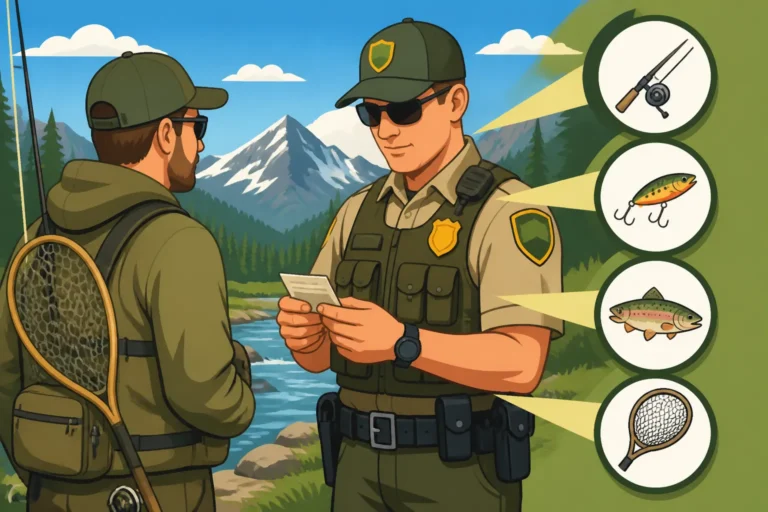
Many of Colorado's most pristine trout waters, especially Gold Medal Waters and designated Wild Trout Waters, often have strict fly-and-lure-only restrictions, meaning no bait is allowed. Some even require the use of barbless hooks to promote catch-and-release success. If you show up to a river like the Fryingpan or the Dream Stream on Free Fishing Weekend with a tub of worms, you could still be cited by a game warden, regardless of your license status. Even in less restrictive waters, there might be rules against certain live baits or specific types of nets. It's your responsibility as an angler to know these rules for the specific location you choose. Ignorance of the law is not a valid defense. Checking Colorado Bait Restrictions and Where They Apply or Colorado Gold Medal Water Regulations Explained before you go can save you a lot of hassle.
Respecting Property and Access Rules
While you might be exempt from a fishing license, you are never exempt from respecting private property, public access rules, or general park regulations. This means if you're fishing in a state park, you'll still need a valid state park pass to enter the park, even if you don't need a fishing license. These are two separate fees and purposes; the park pass covers vehicle entry and park amenities, while the fishing license covers the right to fish.
Always be mindful of where you're parking, make sure you're not trespassing on private land, and understand any specific rules about hours of operation, camping, or boat launching. If a body of water is within a municipal park, local rules for that park also apply. Practicing "Leave No Trace" principles is always essential: pack out all your trash, don't litter, and be considerate of other anglers and wildlife. Being a responsible outdoor enthusiast means more than just following fishing regulations; it means being a good steward of our natural resources and respecting the rights of others. Remember to differentiate between Colorado State Park Passes vs Fishing Licenses to avoid any confusion at the entrance gate.
Planning Your License-Free Fishing Adventures
With a clearer understanding of when and how you can fish without a license in Colorado, you can now start planning your next outing. A little preparation goes a long way to ensure a fun, legal, and successful day on the water.
Researching Local Waters
The key to a successful license-free fishing trip, especially outside of the designated June weekend, is good research. Start by identifying the specific waters you're interested in. If you're planning to take a child 15 or under, any public water in Colorado is fair game. This includes countless urban ponds in places like Denver, Colorado Springs, and Fort Collins, many state park lakes, and accessible stretches of rivers. The CPW website offers an invaluable "Fishing Atlas" which maps out public fishing access points and lists species present. You can also explore Colorado's Best Fishing Spots by Region to get ideas.
For those rare situations involving private water, you'll need to do more direct research. This usually means contacting landowners directly or looking into specific private club memberships that might offer access to enclosed, privately stocked ponds. Remember, if you’re going the private property route, always get explicit, documented permission. Local parks and recreation departments are also excellent resources for information on community ponds; they can tell you about stocking schedules and specific rules that apply to their waters. Don't be afraid to make a few phone calls or send some emails – a little legwork upfront can prevent any headaches later.
Essential Gear for Casual Fishing
Even if you're not buying a license, you'll still need some basic gear to get started. You don't need to break the bank to enjoy a day of fishing. A simple spin-casting rod and reel combo, often available for under $50, is perfect for beginners and kids. Brands like Shakespeare or Ugly Stik offer durable, affordable options that can be found easily on platforms like Amazon or at local sporting goods stores.
Beyond the rod and reel, a small tackle box is essential. Fill it with a few basic items:
- Hooks: A variety of sizes, generally smaller for trout (size 8-12).
- Sinkers/Weights: Split shots or small lead weights to get your bait down.
- Bobbers: For visual indication of bites.
- Bait: Worms, powerbait, or corn are popular and effective for stocked trout. Just double-check bait restrictions for your chosen water!
- Pliers: To safely remove hooks.
- Tape Measure: To check fish lengths against regulations.
- Small Cooler: For keeping any fish you plan to harvest fresh.
For those trying out fly fishing during the Free Fishing Weekend, a basic fly rod outfit (rod, reel, line) can also be relatively inexpensive. Amazon offers starter kits that include everything you need, from leaders and tippet to a handful of flies. Don't forget sunscreen, a hat, water, and snacks to make your day comfortable.
Educating Yourself on Regulations
I can't stress this enough: understanding the regulations is paramount. The Colorado Fishing Regulations brochure, available digitally on the CPW website or in print at most license vendors and sporting goods stores, is your bible. It contains all the detailed rules, including bag limits, size restrictions, bait limitations, and special conditions for specific waters. Don't just skim it; read the sections pertinent to the waters you plan to visit.
Ignorance of the law is not an excuse, and a violation can result in significant fines and penalties. For instance, fishing without understanding What Catch-and-Release Only Means on Colorado Water could lead to a fine if you accidentally keep a fish from a restricted area. Game wardens are out there to protect our resources, and they enforce these rules diligently. Take the time to educate yourself, and if you have any doubts, contact your local CPW office. Being informed not only keeps you out of trouble but also makes you a more responsible and effective angler, contributing to the health of Colorado’s fisheries for generations to come.
Colorado Fishing License Exemptions Summary Table
To help clarify the various scenarios where a Colorado fishing license isn't required, here's a quick summary:
| Situation/Angler | License Required? | Habitat Stamp Required? | Additional Notes |
|---|---|---|---|
| Official Free Fishing Weekend (e.g., June 7-8, 2026) | No | No | Applies to all anglers (resident & nonresident). All other regulations (bag limits, bait, gear) still apply. |
| Children 15 Years Old & Under | No | No | Permanent exemption. Allows youth to fish free year-round. All other regulations (bag limits, bait, gear) still apply. |
| Fishing Truly Private Water (Enclosed, Privately Stocked) | No | No | Must have explicit permission from landowner. Water must be fully enclosed and fish privately owned; no connection to public waterways. |
| Qualified Colorado Veterans | No (with special privileges) | No (with special privileges) | Requires application and proof of veteran status with CPW for specific benefits. |
| Colorado Residents with Permanent Disabilities | No (with Lifetime License) | No (with Lifetime License) | Requires application and proof of disability with CPW for a lifetime license. |
Please note: While a license might not be required in these specific instances, all other Colorado fishing regulations (bag and possession limits, size restrictions, bait and gear restrictions, etc.) always apply. Always check the current CPW regulations for the specific waterbody you intend to fish.
Disclaimer
The information provided in this guide is for general informational purposes only and is not intended as legal advice. Fishing regulations in Colorado are subject to change and can vary by location and species. Always consult the official Colorado Parks and Wildlife (CPW) website or the current Colorado Fishing Regulations brochure for the most accurate and up-to-date rules and information before engaging in any fishing activities.