How Colorado’s License Fees Compare to Neighboring States
Navigating the world of fishing licenses, especially when you're eyeing waters in different states, can feel like trying to untangle a snarled fishing line. Many of us find ourselves wondering if Colorado offers a better deal than Wyoming, or how its fees stack up against Utah or New Mexico. This can be a significant point of confusion and frustration, making it hard to budget for that dream fishing vacation. This comprehensive guide is designed to cut through that complexity, providing a detailed comparison of Colorado's fishing license costs against those of its neighboring states, helping you plan your next angling adventure with clarity.
Understanding Colorado's Fishing License Structure
Before we dive into comparing costs with other states, it's essential to understand the ins and outs of Colorado's own licensing system. It's not a one-size-fits-all situation; the fees vary based on whether you're a resident, your age, and the duration of the license you need. Grasping these nuances is the first step in accurately comparing Colorado's offerings to those of its neighbors.
Resident License Costs and Options
For those fortunate enough to call Colorado home, there are several flexible options tailored to diverse fishing habits. The most popular choice for locals is the annual resident fishing license. This license provides coverage for a full year, typically running from April 1st through March 31st of the following year. As of recent data, an annual resident license for individuals aged 18 to 64 usually costs around $36. This represents excellent value for residents who plan to frequently explore Colorado's incredible lakes, rivers, and streams throughout the seasons.
Colorado Parks and Wildlife (CPW) also extends discounted rates to specific demographics. Seniors aged 65 and older receive significantly reduced fees, which is a wonderful recognition of their lifelong contributions and passion for the outdoors. Similarly, youth between 16 and 17 years old have a lower-cost annual option, while children 15 and under can fish entirely for free, which is a fantastic initiative to encourage young anglers. Regardless of age, securing a resident license requires valid proof of Colorado residency, often a state-issued ID or driver's license. For specific pricing details, you can explore our in-depth articles like Colorado Resident Fishing License Cost in 2026 and Colorado Fishing License Costs Explained.
Nonresident License Costs and Options
If you're visiting Colorado from beyond its borders, the license structure, while similar in options, typically comes with higher price tags—a standard practice across most states. Nonresidents have the choice of purchasing an annual license or selecting shorter-term options to match their vacation plans. An annual nonresident license usually costs approximately $101, granting access to Colorado’s diverse fisheries for an entire year. This is a great investment for those planning multiple trips within a year or extended stays.
For shorter visits, CPW offers more convenient, flexible licenses. A one-day nonresident license is perfect for a quick stop, while a five-day license is ideal for a week-long fishing vacation. The one-day license typically costs around $16, and a five-day license is about $34. It's worth noting that, on a per-day basis, these shorter-term licenses are generally more expensive than the annual option, but they offer the convenience of not paying for a full year of access you won't use. These options are specifically designed for the convenience of visiting anglers. To get a clearer picture of these choices, check out our guide on Colorado's Annual, One-Day and Five-Day License Options or dive into the specifics of Colorado Nonresident Fishing License Cost in 2026.
Additional Stamps and Fees
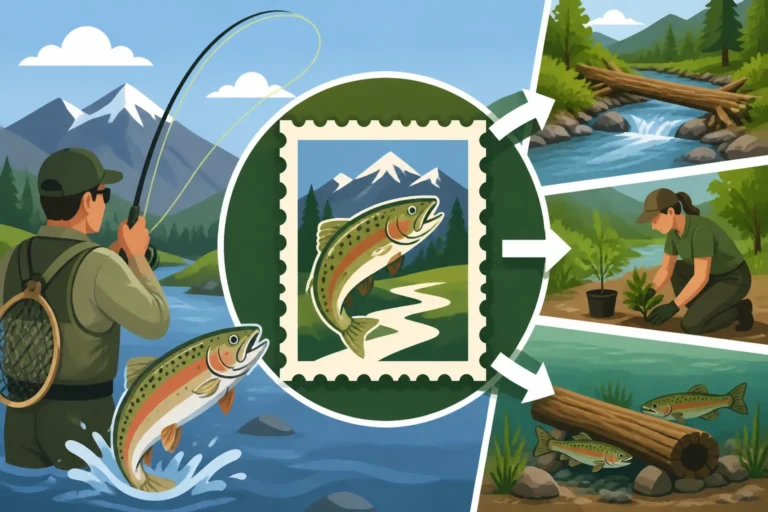
Beyond the base fishing license, there are a couple of additional stamps that many anglers, both resident and nonresident, will need to factor into their total cost. The most important of these is the Colorado Habitat Stamp. This stamp is mandatory for individuals aged 18 to 64 when they make their first hunting or fishing license purchase of the license year. Certain exemptions apply, such as for seniors or those with qualifying disabilities. The Habitat Stamp itself typically costs around $12 and is valid for a full year, from April 1st through March 31st, regardless of when it's purchased. This isn't just another fee; the funds collected from the Habitat Stamp are directly allocated to critical conservation initiatives, including habitat restoration and improvement projects across Colorado, ensuring healthy environments for fish and wildlife. Understanding Who Needs Colorado's Habitat Stamp is key.
Another optional, but highly valuable, addition for many anglers is the Colorado Second-Rod Stamp. If you prefer to fish with two lines simultaneously, this stamp is a must-have. It usually costs a modest $5 and allows you to use two rods in waters where it's permitted. This can significantly enhance your angling success, especially when fishing larger stillwaters like reservoirs. However, always remember to verify local regulations for specific waters, as some areas may still restrict you to a single rod, even with the stamp. Our article on Colorado's Second-Rod Stamp and Who Needs One provides more detail.
Neighboring State Fishing License Fees Comparison
With a solid understanding of Colorado's license structure, let's broaden our view to its neighbors. Each surrounding state has its own unique system and pricing, making a direct comparison of annual nonresident licenses the most straightforward way to evaluate the general cost landscape. Keep in mind that these prices are estimates and can change, so always consult the respective state's wildlife agency for the most current information.
Wyoming Fishing License Costs
North of Colorado, Wyoming offers an abundance of world-class fishing opportunities, from the famous waters of the Snake River to countless pristine mountain lakes. An annual nonresident fishing license in Wyoming generally costs around $92. This is slightly less than Colorado's equivalent annual nonresident fee, which could make Wyoming an attractive alternative for those looking to fish regularly throughout the year for a bit less. Wyoming also offers flexible short-term nonresident options: a one-day license for about $14 and a five-day license for approximately $56. Interestingly, while their annual fee is lower than Colorado’s, their five-day option is notably more expensive, showcasing how different states prioritize and price their various offerings. Like Colorado, Wyoming requires a Conservation Stamp for most licenses, usually around $21, which functions similarly to Colorado's Habitat Stamp by funding crucial conservation efforts.
Utah Fishing License Costs
Venturing west, Utah presents a diverse fishing environment, from the renowned trophy cutthroat trout in Flaming Gorge to productive warm-water bass lakes. An annual nonresident fishing license in Utah typically runs about $85. This positions Utah's annual nonresident fee as more budget-friendly than both Colorado and Wyoming. For visitors seeking shorter trips, Utah provides convenient options like a three-day nonresident license for around $30 and a seven-day license for about $42. These multi-day permits often offer better per-day value than Colorado's short-term options if you plan a stay of several days. Utah also incorporates a Habitat Authorization requirement, often a small additional fee or included in the license price, dedicated to habitat restoration and preservation.
New Mexico Fishing License Costs
To the south, New Mexico boasts a unique blend of high desert streams, scenic rivers, and productive reservoirs. The annual nonresident fishing license in New Mexico is often around $56. This price point makes New Mexico considerably more affordable than Colorado for an annual permit. They also offer competitive short-term options, such as a one-day nonresident license for approximately $12 and a five-day nonresident license for about $24. These prices are quite appealing, especially for anglers planning brief visits. New Mexico also requires a Habitat Management & Access Validation (HMAV) stamp, typically a modest add-on fee of about $5, similar in purpose to Colorado’s Habitat Stamp.
Kansas, Nebraska, and Arizona Fishing License Costs
To round out our regional comparison, let's briefly touch upon Colorado's other neighboring states:
- Kansas: For those interested in the diverse fisheries of the Great Plains, Kansas generally charges nonresidents approximately $52 for an annual fishing license. They also offer a multi-day option, usually a five-day license for about $27. This makes Kansas one of the most cost-effective options for visiting anglers in the region.
- Nebraska: To Colorado’s east, Nebraska’s annual nonresident fishing license typically costs around $91. Similar to Colorado and Wyoming, Nebraska requires a Habitat Stamp, adding a small additional fee to the license price. Their three-day nonresident license usually costs about $35, which is comparable to Colorado's multi-day rates.
- Arizona: While not a direct neighbor along a long border, Arizona is a popular regional fishing destination. An annual nonresident fishing license in Arizona typically costs about $55. They also offer a one-day license for around $16 and a five-day license for about $31. However, Arizona also mandates a "Conservation Stamp" for most licenses, adding approximately $25, which can make the initial total cost higher than just the license itself.
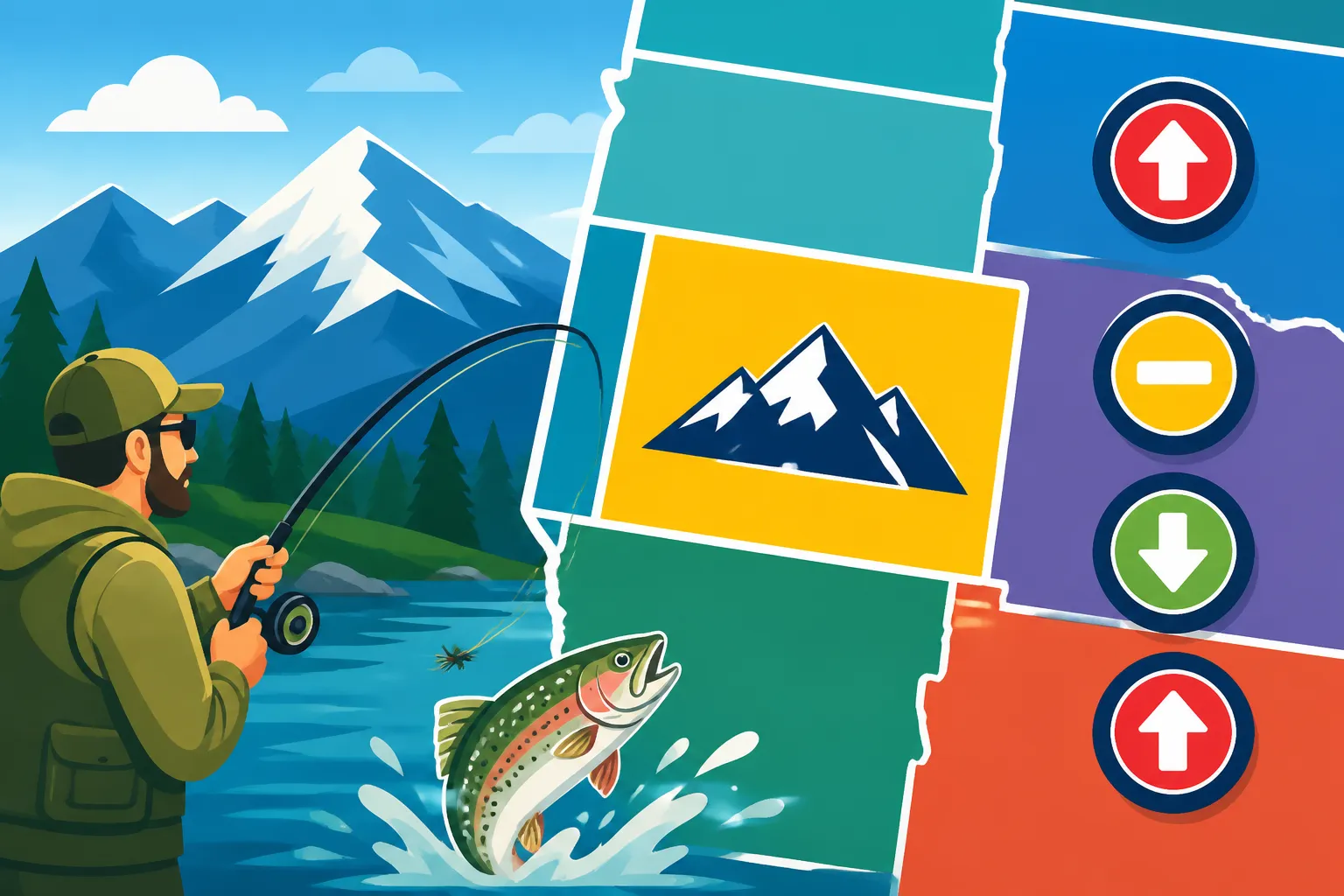
As you can clearly see, there's a significant range in pricing across the region. While Colorado's annual nonresident license is on the higher side compared to some direct neighbors, its short-term options can be quite competitive depending on the length of your trip. When making your decision, always consider the complete cost, including any required stamps or additional fees.
Here's a detailed comparison table to help visualize the differences:
| State | Annual Nonresident Fishing License (Approx.) | Short-Term Nonresident Options (Approx.) | Mandatory Conservation/Habitat Stamp (Approx.) | Total Annual Nonresident Cost (Approx.) |
|---|---|---|---|---|
| Colorado | $101 | 1-day: $16, 5-day: $34 | $12 (Habitat Stamp) | $113 |
| Wyoming | $92 | 1-day: $14, 5-day: $56 | $21 (Conservation Stamp) | $113 |
| Utah | $85 | 3-day: $30, 7-day: $42 | ~$5-10 (Habitat Authorization) | ~$90-95 |
| New Mexico | $56 | 1-day: $12, 5-day: $24 | $5 (HMAV Stamp) | $61 |
| Kansas | $52 | 5-day: $27 | N/A (often included) | $52 |
| Nebraska | $91 | 3-day: $35 | ~$10-15 (Habitat Stamp) | ~$101-106 |
| Arizona | $55 | 1-day: $16, 5-day: $31 | $25 (Conservation Stamp) | $80 |
Note: Prices are approximate and subject to change. Always verify current prices directly with the respective state wildlife agencies before purchase.
Factors Influencing License Costs Across States
It's tempting to simply pick the state with the lowest license fee, but the price of a fishing license is rarely arbitrary. Numerous elements contribute to how each state sets its fees, from geographical factors and population density to deeply held conservation philosophies and economic models. Understanding these underlying reasons can provide valuable insight into where your money goes and why certain states appear more expensive than others. This knowledge helps you appreciate the investment in the fisheries you enjoy.
Residency Requirements and Their Impact
The most immediate and significant factor driving license cost differences is residency. Every state has precise definitions for what constitutes a "resident," and these rules are the primary reason for the substantial price gap between resident and nonresident licenses. States universally prioritize their tax-paying citizens by offering considerably lower rates. This is not merely an issue of fairness; it acknowledges that residents contribute to the state's economy, infrastructure, and ongoing tax base beyond just purchasing a license. For nonresidents, the higher fees help to offset the costs of managing fisheries and providing public access, without the benefit of those continuous local tax contributions. For instance, Colorado has very clear guidelines on What Counts as Colorado Residency for Licensing, and similar strictness applies across all states to ensure only genuine residents benefit from reduced rates.
Beyond the fundamental resident/nonresident distinction, some states also provide special categories or exemptions. Active-duty military personnel, particularly those stationed within the state, often qualify for resident pricing or other discounts as a gesture of appreciation for their service. Similarly, students attending in-state universities, even if they originated from out-of-state, might be eligible for resident rates in certain locales. These specific definitions and occasional exceptions can subtly shift the overall pricing structure and ultimately influence the amount an individual angler will pay for their permit.
License Durations and Flexibility
The variety of license durations available to anglers also plays a critical role in pricing strategies. While an annual license typically offers the best per-day value for frequent anglers, shorter-term options (such as one-day, five-day, or week-long licenses) are indispensable for tourists or those planning brief visits. States carefully price these shorter durations to strike a balance between providing convenience and generating necessary revenue. Often, the per-day cost for a short-term license will be higher than if you were to divide the price of an annual license, but this structure prevents casual visitors from having to pay for a full year of access they simply won't use.
Colorado, as we've seen, provides both annual and several short-term options, offering significant flexibility for visitors. Other states might offer different time increments—perhaps a 3-day or a 7-day license. This adaptability is a considerable advantage for destination anglers who might dedicate a week to fishing a particular region, allowing them to purchase precisely the coverage they need without unnecessary expenditure. For someone planning a one-week fishing trip, comparing What a Five-Day Nonresident Colorado License Costs to a similar multi-day option in a neighboring state is often a more practical and relevant comparison than just looking at the annual fees.
Conservation Efforts and Funding Models
Perhaps the most impactful, yet frequently underestimated, factor influencing license costs is a state's commitment to conservation and its chosen funding model. Fishing license fees, alongside hunting licenses and federal excise taxes on fishing equipment (mandated by the Sport Fish Restoration Act), are the primary financial pillars supporting state wildlife agencies. These crucial funds directly finance vital programs such as fish stocking operations, habitat restoration projects, scientific research into fish populations, enforcement of regulations, and the development and maintenance of public access points.
States boasting extensive fisheries, complex and delicate aquatic ecosystems, or ambitious, long-term conservation goals may naturally implement higher license fees to adequately fund these essential programs. For example, Colorado is widely celebrated for its world-class trout fishing and vast network of public lands, which demand substantial and ongoing investment to maintain their quality and health. The mandatory Habitat Stamp in Colorado, Wyoming, and Nebraska is not merely an extra charge; it represents a dedicated revenue stream specifically earmarked to ensure these critical conservation efforts can continue and thrive. Essentially, when you purchase a fishing license, you are doing more than just buying permission to cast a line; you are directly contributing to the health, sustainability, and future abundance of the state's precious aquatic resources. Understanding What You're Actually Paying for in a Colorado Fishing License reveals the profound value embedded in that dollar amount.
Maximizing Value and Planning Your Trip
Now that we've thoroughly examined the costs and the underlying reasons for them, let's turn our attention to how you can best utilize this information. The goal isn't always to find the cheapest license, but rather to identify the option that provides the best overall value for your specific fishing aspirations and travel plans.
Beyond the Price Tag: What Your License Supports
It's tempting to focus solely on the monetary cost, especially when comparing different states, but it's vital to remember that these fees are directly tied to the quality of the fishing experience you ultimately receive. In Colorado, for example, your license dollars contribute to stocking millions of fish annually into various lakes and rivers, particularly in popular urban fisheries and high-pressure waters that would otherwise struggle to sustain robust populations naturally. These funds also actively support efforts to protect and restore native species, such as the iconic Greenback Cutthroat Trout. This means healthier, more abundant fish populations, improved public access, and a more enjoyable time on the water for every angler.
Consider the unparalleled access to diverse waters that Colorado offers, ranging from the crystal-clear streams of alpine lakes nestled high in the Rocky Mountains to the incredibly productive tailwaters of the South Platte River. This extensive level of fishery management and public access is not a free endeavor. The Habitat Stamp alone ensures that vital wildlife habitats, which critically include stream corridors and lake shores, are preserved, enhanced, and improved, benefiting not only fish but countless other species within the ecosystem. Therefore, while Colorado's annual nonresident license might carry a slightly higher price tag than New Mexico's, for instance, the comprehensive investment translates into a robust, meticulously managed, and highly accessible fishery that many anglers enthusiastically consider well worth every penny. For a deeper understanding of these contributions, explore our article on How Colorado's Habitat Stamp Money Gets Used.
Planning Your Multi-State Fishing Adventures
For dedicated anglers who relish the idea of exploring beyond a single state, knowing the comparative license costs is just the foundational step in crafting an unforgettable multi-state fishing trip. If you're envisioning a longer road trip that traverses through Colorado and into its neighboring states, making strategic decisions about your licenses can save both money and unnecessary complications. For instance, if your itinerary includes just a couple of days of fishing in Colorado but a full week in Wyoming, purchasing a five-day Colorado license combined with an annual Wyoming license might prove more economical and practical than buying two separate annual licenses.
Always consider the specific fish species you intend to target and the unique regulations that apply in each state. Some states may have more stringent rules on certain waters, or different bag and possession limits. For example, some Colorado waters might have Catch-and-Release Rules on Colorado's Cutthroat Waters or specific restrictions like Colorado's 14-Inch Trout Length Rule that could differ from those in neighboring states. It is absolutely crucial to verify the current regulations for every single state and specific body of water you plan to fish in. Most state wildlife agencies, including Colorado Parks and Wildlife, provide their full regulations brochures online, often in easily accessible PDF formats, allowing you to check rules on the go, even on a smartphone or a tablet you might have picked up from Amazon. Diligent planning, combining a clear understanding of both license costs and local rules, will ensure a smooth, enjoyable, and legally compliant fishing adventure, no matter which state's beautiful waters you decide to cast your line in.
Disclaimer
Please note that all license fees and regulations mentioned in this guide are subject to change by state wildlife agencies at any time. It is absolutely crucial to always verify the most current and up-to-date information directly with Colorado Parks and Wildlife or the respective state's fish and game department before purchasing any licenses or finalizing your fishing trip plans.