When the Green Drake Hatch Happens on Colorado Rivers
Oh, the Green Drake hatch! If you've spent any time on a Colorado river during late spring or early summer, you know the absolute frenzy and sheer frustration that can come with these giant mayflies. Trout go absolutely bonkers for them, yet they can be maddeningly selective, making you pull your hair out trying to match the hatch. This guide is all about demystifying the Green Drake hatch in Colorado, helping you understand when and where to find these incredible insects, and how to fool those notoriously picky trout when the drakes are flying.
Understanding the Green Drake Hatch in Colorado
There's something almost mythical about the Green Drake hatch. It’s not just another bug flying around; it’s an event. For many fly anglers, hitting a strong Green Drake hatch is akin to winning the lottery, offering the chance at some of the most exhilarating dry fly fishing Colorado has to offer. But to truly appreciate and effectively fish this hatch, it helps to understand what makes these insects — and the trout that feed on them — tick.
What Makes Green Drakes So Special for Anglers?
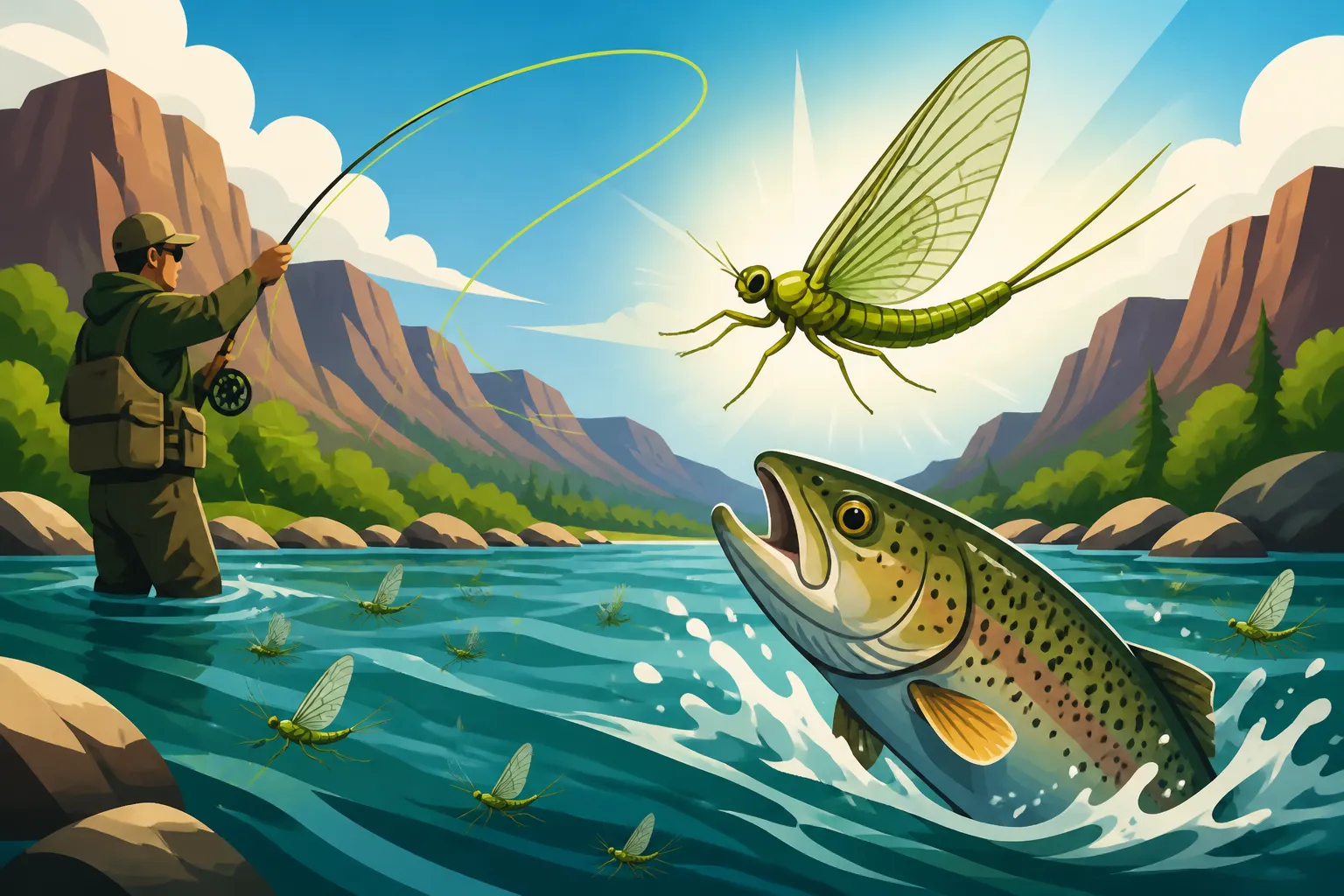
First off, Green Drakes (scientific name: Drunella grandis) are big. We're talking about large, meaty mayflies, often in sizes 10 to 14, sometimes even larger. When these bugs emerge or fall spent on the water, they represent a substantial meal for a trout. Imagine a consistent buffet of large, protein-rich morsels drifting right into a fish's feeding lane. Naturally, trout key in on them with an intensity that can sometimes be unmatched by other hatches. Their large size means that when a trout decides to eat one, it's often a very deliberate, visible rise, sometimes even a splashy take, which gets any angler's heart pumping. It's the kind of fishing that makes you forget all about your worries back home and focus purely on the next drift.
The sight of a Green Drake hatch in full swing is something to behold. The air can be thick with their fluttering wings, and the river's surface might be dotted with their vibrant green bodies. However, this abundance can also lead to hyper-selective fish. Trout, especially the larger, wiser ones, become highly tuned to specific stages of the hatch, demanding a perfect imitation and presentation. It’s this combination of huge fish, massive bugs, and incredible challenge that elevates the Green Drake hatch to legendary status among Colorado fly fishers.
The Life Cycle of a Green Drake Mayfly
To effectively fish the Green Drake hatch, you need to understand its entire life cycle, because trout will feed on different stages. The life of a Green Drake, like all mayflies, unfolds in several distinct phases, each offering a unique opportunity for anglers.
The journey begins on the riverbed as a nymph. Green Drake nymphs are stout, agile crawlers that live under rocks and in the substrate. They spend anywhere from one to two years in this stage, growing steadily. As they near emergence, they become more active, moving towards shallower, faster water. During this time, nymphing can be quite effective, especially before the main hatch really gets going. Think about imitating these larger nymphs as they become restless and dislodged from the riverbed; a well-placed nymph pattern can pick off some surprisingly big fish anticipating the main event.
Next comes the emerger stage. This is a crucial, often brief, and highly vulnerable phase for the insect, and a prime feeding opportunity for trout. The nymph leaves the riverbed and swims or crawls to the surface, breaking through the surface film to shed its nymphal shuck and emerge as a winged adult. Many drakes struggle in this transition, becoming "cripples" in the surface film. Trout absolutely gorge on these struggling emergers. You’ll often see fish porpoising or sipping in the surface film, indicating they're targeting these vulnerable bugs. An emerger pattern fished just below or in the surface film can be deadly.
Once successfully emerged, the mayfly is known as a dun. These are the iconic, sail-winged adults that float gracefully downstream, drying their wings before flying off to mate. This is the stage most anglers associate with the "hatch" itself. They have dull, opaque wings, often a mottled brown or gray, and a plump, greenish body. Trout will rise confidently to duns, making for classic dry fly fishing. The challenge here is presenting a perfect imitation to highly selective fish, especially if there are many natural duns on the water.
Finally, after a brief period of mating, the adult drakes return to the water to lay their eggs. These are known as spinners. Their wings, now clear and glassy, lie flat along their bodies, and they often gather in large numbers, sometimes forming impressive "spinner falls" during late afternoon or evening. These spent, exhausted insects drift helplessly on the surface, offering one last easy meal for trout. A spinner fall can be an incredible dry fly event, with large fish confidently sipping the spent adults. Having a few good spinner patterns in your box is essential, as trout can become very particular about their appearance.
Pinpointing When Green Drakes Hatch on Colorado Rivers
Understanding the general timing and the specific factors that influence the Green Drake hatch is paramount to experiencing this spectacular event. It's not a universal, statewide affair that happens on a single day, but rather a complex dance choreographed by elevation, water conditions, and even the quirks of individual river ecosystems.
General Timing and Geographic Variations
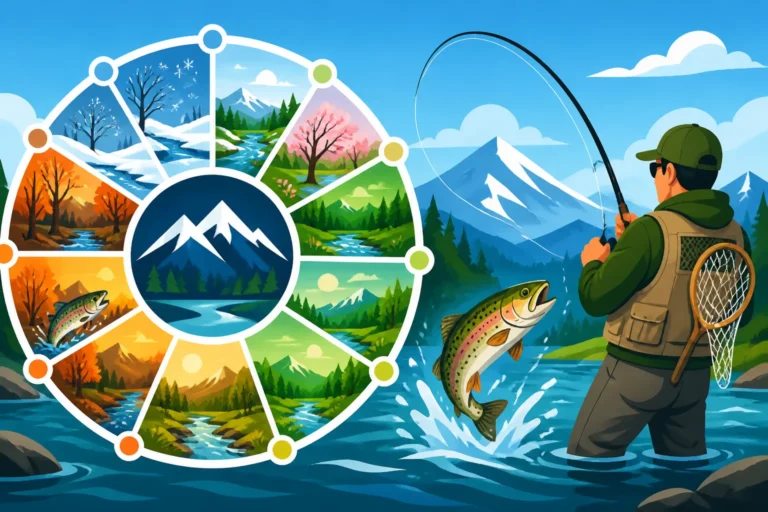
In Colorado, the Green Drake hatch generally kicks off in late spring and continues through mid-summer. However, this window shifts dramatically depending on where you are. Think of it like a wave moving up the mountains. Lower elevation rivers, or those further south, might see the first drakes as early as late May or early June. As the season progresses and temperatures climb, the hatch then moves upstream and into higher elevations. By mid-July or even early August, you might still find Green Drakes popping on pristine, high-country streams or remote alpine lakes.
Some of Colorado's most famous rivers are renowned for their Green Drake hatches. The Arkansas River in its middle and upper sections is a classic example, often seeing drakes emerge from late June into July. The Fryingpan River below Ruedi Reservoir, a famed tailwater, also experiences a strong Green Drake hatch, typically in July, and its clear, cold water can make for incredibly technical, sight-fishing opportunities. The Colorado River in stretches from Glenwood Canyon up towards Kremmling can also offer fantastic Green Drake action, often a bit later in the summer. Even parts of the South Platte River, particularly some freestone sections or its famous "Dream Stream" between Spinney and Eleven Mile reservoirs, can have excellent Green Drake activity, though the timing might be a little earlier or more condensed due to specific water management. When planning your trip, remember that a week's difference in timing can mean missing the hatch entirely or hitting it perfectly, so staying flexible is key.
Factors Influencing Hatch Timing and Intensity
Several environmental factors conspire to dictate precisely when and how intensely Green Drakes will hatch in any given year or on any particular river. These are the elements that can lead to angler frustrations when a predicted hatch doesn't quite materialize or shows up unexpectedly.
Water temperature is perhaps the most critical factor. Green Drakes typically need water temperatures to reach a certain threshold, often in the low to mid-50s Fahrenheit, to trigger their emergence. This is why you'll see the hatch move progressively upstream or into higher elevation as summer heat warms the water. Too cold, and they won't emerge; too hot, and the hatch can be brief or the fish lethargic. You can often track water temperatures using stream gauges online or simply by carrying a thermometer, giving you a better idea of when things might be lining up.
Snowpack and runoff in the spring play a huge role. A heavy snowpack means a prolonged and often more intense spring runoff. This high, turbid water can delay hatches significantly, as nymphs can't easily emerge, and trout struggle to feed. Conversely, a low snowpack year might mean earlier and weaker runoff, potentially bringing on hatches sooner, but also possibly leading to lower, warmer water later in the season. Understanding When Colorado's Spring Runoff Hits and How to Fish Around It is crucial for predicting not just drakes but all spring and early summer hatches.
Finally, daily weather patterns—sunshine, clouds, rain, wind—can all affect the intensity and timing of the hatch on an hourly basis. A warm, cloudy day with minimal wind is often ideal, allowing duns to emerge easily and ride the surface without being swept away. Bright sun can sometimes shut down surface activity, driving fish deeper, while strong winds can make dry fly presentation a nightmare and scatter the insects. It’s always a good idea to check the local forecast before heading out.
Preparing for the Green Drake Hatch: Gear and Tactics
Successfully fishing a Green Drake hatch is rarely about sheer luck. It's about being prepared with the right gear, the right flies, and the right approach. These are big, important bugs, and the trout that feed on them are often seasoned veterans, requiring a thoughtful strategy.
Essential Fly Patterns for Each Stage
When the Green Drakes are on, you need to have a variety of patterns that represent each stage of their life cycle. Trout can become incredibly selective, focusing on nymphs, emergers, duns, or spinners, sometimes switching preferences within minutes. It's not enough to just have a "Green Drake" pattern; you need the full arsenal. You can find many of these specific patterns from reputable fly shops in Colorado or even online retailers like Amazon.
For the nymph stage, you'll want some heavier patterns that can get down to where the nymphs live. Think of patterns like a Barr's Emerger (though primarily an emerger, it fishes well deep), a Hare's Ear Nymph (oversized and dark), or dedicated Green Drake Nymph patterns like the Fullback Nymph. These are typically tied on strong hooks in sizes #10 to #14. Fishing these under an indicator or even Euro Nymphing techniques can be very effective, especially during the hours before the main surface hatch.
The emerger stage is where things get exciting. Trout key in on these vulnerable insects struggling in the surface film. Patterns like a Green Drake Sparkle Dun, a LaFontaine's Sparkle Pupa, or even a Half-Hog Nymph fished just subsurface can be dynamite. These flies often incorporate a shuck of Z-lon or a similar material to imitate the shed nymphal skin, signaling vulnerability to the trout. Presenting these dead-drift through rising fish can yield impressive results.
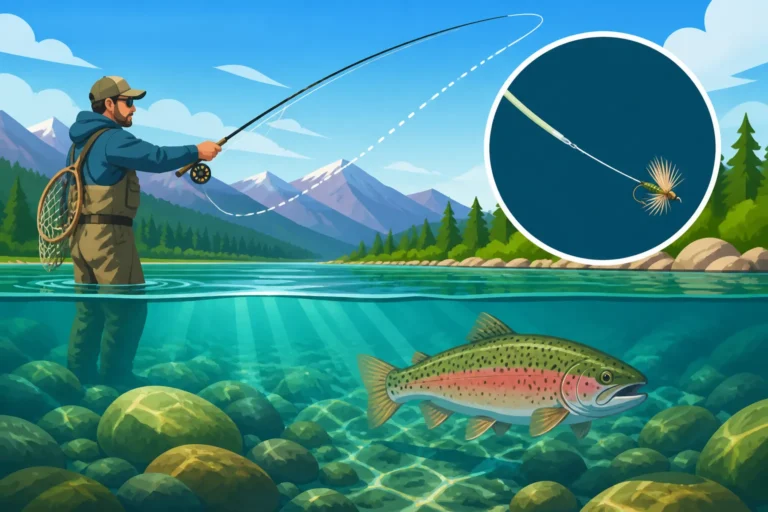
For the classic dun stage, when the adults are floating on the surface, you need patterns that ride high and match the profile and color. The Parachute Green Drake is a perennial favorite, offering a visible post for anglers and a natural silhouette for fish. Other excellent choices include the Compara-dun Green Drake, a traditional Adams-style Drake, or even a CDC Green Drake pattern. Sizes #10 to #14 are standard, though sometimes trout might prefer a slightly smaller #16 if the natural drakes are on the smaller side. The trick here is often a delicate presentation and a drag-free drift. Finding Best Flies for Colorado's Gold Medal Trout Water will often include several Green Drake imitations.
Finally, don't forget the spinner stage. After mating, these drakes fall back to the water, wings splayed out and clear. Trout will often sip these spent insects gently. A Green Drake Spinner pattern, typically tied with clear wings and a darker body, can be incredibly effective, particularly during the late afternoon or evening spinner fall. Having a few in sizes #10-14 is essential; sometimes, the spinner fall can be even more productive than the dun hatch as fish get an easier meal.
Rods, Leaders, and Tippets for Drake Fishing
Given the size of Green Drakes and the potential for larger trout to be feeding on them, you'll want to adjust your setup accordingly. This isn't dainty midge fishing!
A 5-weight or 6-weight fly rod is generally ideal. This provides enough backbone to cast larger, wind-resistant dry flies accurately, fight larger trout, and handle unexpected gusts of wind that often accompany hatches in the mountains. While a What Rod Length Works Best for Small Mountain Streams might lean towards shorter rods, for typical Colorado rivers and the open casting lanes, a standard 9-foot rod is perfect for Green Drake fishing.
Your leader should be long enough to allow for a natural drift without spooking fish, but not so long that it's unmanageable. A 9-foot or even 10-foot leader tapered to 3X or 4X is a good starting point. You might want to consider a specialized dry fly leader that has a longer, finer tip section. Many experienced anglers prefer a fluorocarbon tippet extension for nymphing, but for dry flies, a good quality monofilament tippet is usually preferred for its buoyancy.
Speaking of tippet, 3X or 4X is typically appropriate. While some highly selective fish in extremely clear water might demand 5X, the larger size of the fly often makes 4X or even 3X acceptable, especially when you're targeting bigger trout. Always err on the side of slightly heavier tippet if you can get away with it, as it provides more breaking strength for those feisty trout and helps turn over larger flies. Don't forget a good quality dry fly floatant for your duns and spinners; a fly that sinks isn't going to fool a rising fish.
Reading the Water and Approaching the Hatch
Even with the perfect fly, a poor presentation or an ill-chosen fishing spot will lead to frustration. During a Green Drake hatch, trout can become incredibly selective, so your approach matters. Reading Water on a Colorado Freestone River becomes an art form when drakes are on the menu.
Look for classic trout lies: seams where faster water meets slower water, behind large rocks, in eddy lines, and along undercut banks. During a heavy hatch, trout might move into shallower riffles or the heads of pools to actively feed on the abundant surface activity. Watch for consistent rises: a steady sipping rise indicates a fish is actively feeding on emergers or duns. A splashier take might indicate a fish chasing an emerger or a struggling dun.
Presentation is king. You need to achieve a drag-free drift. This means your fly should float at the same speed as the natural insects on the water, without any unnatural tugging or pulling from your line. Upstream casts are often the most effective, allowing your fly to drift naturally over the fish before your line. Mend your line as necessary to extend your drift and avoid drag. Casting accuracy is also crucial; often, trout will be keyed in on a very specific drift line, and being off by even a few inches can mean the difference between a hook-up and a refusal.
Don't be afraid to try different patterns, especially when trout are rising but refusing your fly. If they're hitting the duns but ignoring your Parachute Drake, try an emerger pattern. If they're porpoising gently, try a spinner. Observing the naturals on the water – how they're riding, their size, their color – will give you the best clues. And remember, trout can be spooky, especially in clear water. Approach carefully, wade stealthily, and keep a low profile. Having a good landing net for Best Landing Net for Catch-and-Release Trout also ensures you can safely handle and release these hard-fighting fish.
Top Colorado Rivers for Chasing the Green Drake Hatch
Colorado is blessed with an abundance of incredible fishing rivers, and many of them host fantastic Green Drake hatches. However, the timing and character of the hatch can vary significantly between different types of waterways, from roaring freestone rivers to stable tailwaters.
High-Elevation Freestone Rivers
Freestone rivers, those that flow freely and are not regulated by dams, often provide some of the most dynamic and challenging Green Drake fishing. These rivers are highly dependent on snowmelt and rainfall, meaning their water levels and clarity can fluctuate.
The Arkansas River is a prime example of a freestone river that offers outstanding Green Drake action. From the middle stretches near Salida all the way up to Buena Vista and beyond, the "Ark" sees a significant Green Drake hatch. This usually kicks off in late June and extends into July, peaking when the river has dropped after runoff and begins to clear. The character of the fishing can be demanding; the Arkansas is a powerful river with complex currents, requiring excellent mending skills and precise casts. However, the rewards can be immense, with chunky brown and rainbow trout eagerly taking large dry flies. The experience of Fishing the Arkansas River Near Salida during a drake hatch is truly memorable.
Another excellent freestone option is the upper Colorado River, particularly the sections from Kremmling upstream, or even down into Glenwood Canyon. Here, Green Drakes typically emerge in July, after the main runoff subsides and the water temperatures stabilize. These stretches offer diverse fishing, from fast riffles to slower pools and meandering runs. You might find yourself fishing from the bank, wading, or even floating in a drift boat. The wild brown trout in these sections can be particularly aggressive when the drakes are out, providing some heart-stopping strikes. Checking out Colorado River Fishing From Glenwood Canyon to Kremmling will give you a good overview of this area. The beauty of these freestone rivers is their wildness; you're truly connecting with nature, and the hatch feels like a genuine, natural event.
Tailwaters Known for Drakes
Tailwaters, rivers that flow out of the bottom of a dam, offer a different experience. They are characterized by consistent, cold water temperatures year-round, which can lead to more predictable and often prolonged hatches, though sometimes with smaller insect sizes.
The Fryingpan River below Ruedi Reservoir is arguably one of Colorado's most famous Green Drake destinations, and for good reason. This Gold Medal Water fishery is renowned for its incredibly clear water and massive, educated trout. The Green Drake hatch on the "Pan" typically happens in July, often a bit later than some freestone rivers due to the cold tailwater flows. The fishing here is notoriously technical. Trout in the Fryingpan are incredibly selective and demand perfect presentations of precise imitations. You'll often be sight-fishing to large fish in shallow runs. It's an arena where your casting accuracy, tippet selection, and fly pattern choice must be impeccable. But when you hook into one of those Fryingpan rainbows or browns on a dry fly, the challenge quickly becomes worth it. For more on this river, check out Fishing Colorado's Fryingpan River Below Ruedi Reservoir.
While not as universally known for Drakes as the Fryingpan, sections of the South Platte River, especially the famous Cheesman Canyon and the Dream Stream, can also see Green Drake activity. On the Dream Stream, you might encounter drakes in June, sometimes merging with other large hatches like stoneflies or golden stones. Because the Dream Stream is so heavily fished, the trout here are incredibly smart, often requiring subtle presentations and smaller-than-expected drake imitations. The Gold Medal Water sections of the South Platte present a different challenge: extremely clear water and often very heavy fishing pressure. Again, precision is key.
The consistency of tailwaters can be a blessing during variable weather patterns or unusual runoff years, offering a more reliable opportunity to encounter the Green Drake hatch. However, that consistency often comes with a steep learning curve for the angler, as the trout in these waters have seen it all.
| Green Drake Life Cycle Stage | When to Fish It | Recommended Fly Types | Key Fishing Tip |
|---|---|---|---|
| Nymph | Pre-hatch, early morning, deep runs | Barr's Emerger (heavy), Green Drake Nymph, large Hare's Ear | Fish deep and slowly, especially near structure; look for subtle takes. |
| Emerger | Start of hatch, active rises in film | Green Drake Sparkle Dun, Half-Hog Nymph, Loop-Wing Emerger | Focus on surface film and subtle sips; add a bit of floatant to head only. |
| Dun | Peak hatch, steady floats | Parachute Green Drake, Compara-dun, Adams Drake | Achieve a drag-free drift over rising fish; be accurate and observant. |
| Spinner | Late afternoon/evening after hatch | Green Drake Spinner, Rusty Spinner (large) | Fish during spinner falls; trout often sip gently, requiring patience. |
Disclaimer
This article is for general informational purposes only and does not constitute professional advice. Laws, prices and regulations vary by location and change over time. Consult a qualified professional for guidance on your specific situation.