Best Season to Catch Trophy Rainbow Trout
Chasing a trophy rainbow trout in Colorado can feel like searching for a mythical creature. You hear the whispers of massive fish pulled from famous waters, but actually connecting with one often feels like a stroke of pure luck. This guide isn't about luck; it's about understanding the seasonal cycles and strategic approaches that significantly increase your chances of landing a truly impressive rainbow, revealing the times of year when these elusive giants are most vulnerable and active.
Understanding "Trophy" Rainbow Trout in Colorado
Before we dive into when to catch a trophy rainbow, let's get on the same page about what "trophy" actually means here in Colorado. It’s not just about length, though that's a big part of it. It’s about the overall size, the girth, the battle, and often, the pristine wildness of the fish itself.
Defining "Trophy" Size in the Centennial State
In many Colorado fishing circles, especially when we talk about rainbows, a "trophy" usually starts around the 20-inch mark. Anything above that, especially pushing 22-24 inches and beyond, is considered truly exceptional. But it's not just the tape measure. A 20-inch rainbow with a healthy, football-like girth from a rich tailwater might feel much more substantial than a lean, long 20-incher from a less productive high-country lake. The vibrance of its colors, the intact fins — these are all hallmarks of a fish that has thrived and evaded anglers for years.
Think about it: you might catch a dozen 16-inch rainbows in a day on some waters, but encountering one that breaks that 20-inch barrier is a moment that sticks with you. These fish are often smarter, having survived multiple encounters with hooks, and they tend to inhabit the deepest, most complex parts of their environment. They’ve seen it all, from clumsy casts to poorly presented flies, so their sheer existence at this size is a testament to their wariness and adaptability.
Factors Influencing Rainbow Trout Growth
What makes a rainbow grow to such impressive dimensions? It’s a delicate balance of environment, genetics, and food availability. Colorado provides many of these ideal conditions, particularly in its nutrient-rich tailwaters and large reservoirs.
Firstly, a steady and abundant food source is paramount. This includes a robust population of aquatic insects (midges, caddis, stoneflies, mayflies), small baitfish like sculpins, and even other fish eggs. In places like the Dream Stream, the abundance of salmon eggs during the kokanee spawn provides an annual protein boost that helps rainbows pack on serious weight. Secondly, water quality and temperature play a huge role. Consistent, cool water temperatures without extreme fluctuations allow trout to maintain a high metabolism and grow steadily throughout the year. Tailwaters, rivers flowing out of the bottom of large reservoirs, are famous for this because the water released from the dam is often consistently cold, providing a perfect environment. Finally, genetics contribute. Some strains of rainbow trout are simply predisposed to grow larger. When these factors align, and especially when coupled with managed fisheries and catch-and-release practices, you get the recipe for trophy-sized rainbows.
The Prime Seasons for Trophy Rainbows: Spring and Fall
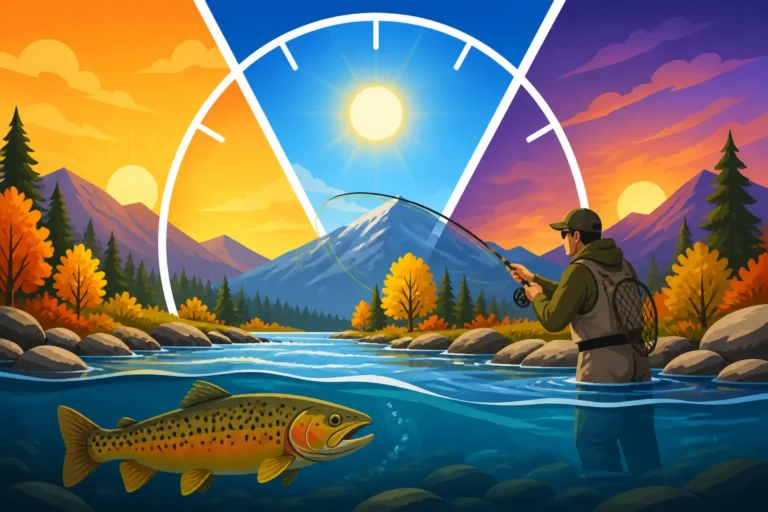
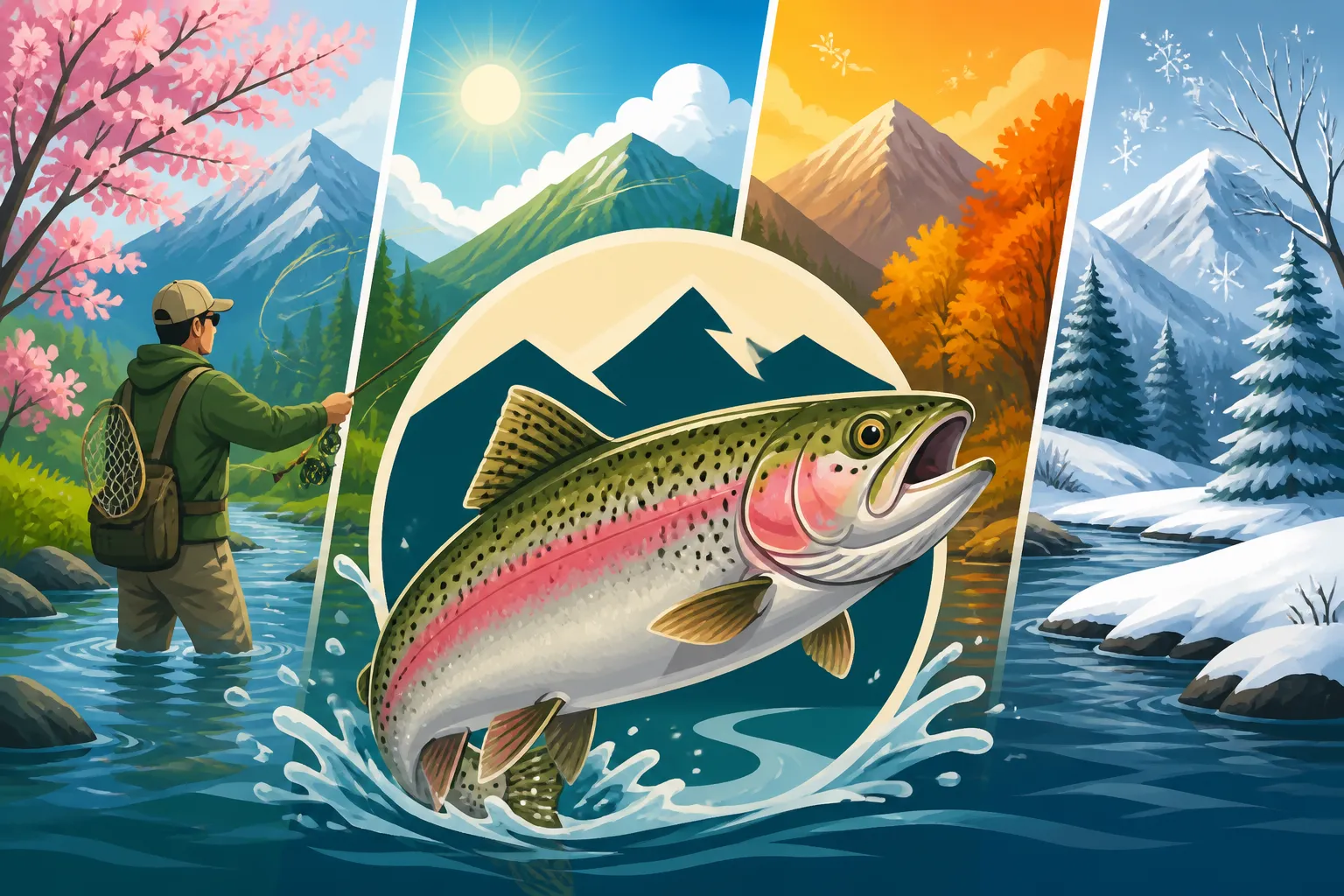
If you're dead set on hooking into a truly impressive rainbow, you need to focus your efforts during two distinct windows: the vibrant days of spring and the crisp, golden weeks of fall. These aren't just good fishing seasons; they are trophy fishing seasons, offering unique advantages that make big fish more accessible.
Spring: The Post-Spawn Feast
Spring in Colorado, typically from late March through May (depending on the specific elevation and water body), is an incredible time for big rainbows. This period is often characterized by rainbows recovering from their annual spawning rituals. While most wild rainbow trout in Colorado spawn in the spring, the exact timing can vary. Regardless, once they're done with the arduous task of procreation, they are absolutely ravenous.
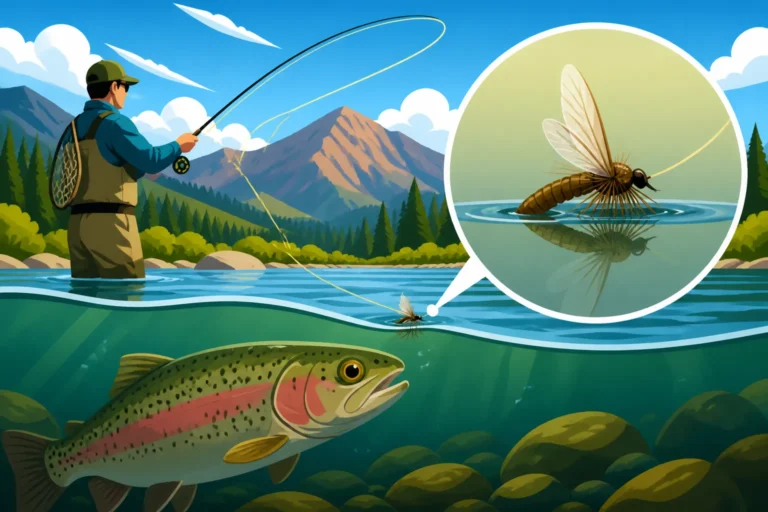
Imagine being utterly exhausted after a huge marathon, and all you want to do is refuel. That's essentially what a post-spawn rainbow is experiencing. Their energy reserves are depleted, and they need to feed aggressively to regain their strength and mass. The warming water temperatures of spring also kickstart insect activity, providing a smorgasbord of food. You'll see increasing hatches of blue-winged olives, caddis, and even some early stoneflies, making them look up for food, or at least focusing on subsurface nymphs.
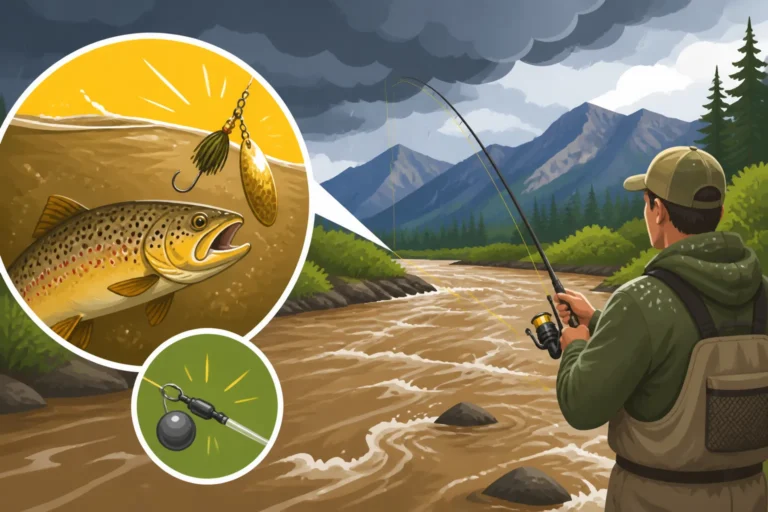
During this post-spawn period, these larger fish are often less wary than usual because their primary instinct is to eat. This means they might be more willing to move for a larger fly or lure. For fly anglers, this often translates into fantastic opportunities for Streamer Fishing for Colorado Brown Trout (a technique that works just as well for big rainbows) or heavy nymphing rigs. For spin anglers, throwing larger spoons, spinners, or swimbaits that imitate baitfish can be incredibly effective. Rivers like the Arkansas and the Fryingpan are known to produce fantastic spring action for robust rainbows. The key is to hit it before the peak of spring runoff, which can make fishing extremely challenging due to high, muddy water.
Fall: Pre-Winter Bulking and Spawning Aggression
Fall is arguably the other undeniable champion season for trophy rainbow trout in Colorado, generally from September through November. As the days shorten and water temperatures begin their gradual descent towards winter, a metabolic shift occurs in trout. They realize winter is coming, and food sources will become scarcer. This triggers an instinctual urge to bulk up, packing on fat reserves to survive the lean months ahead.
This "pre-winter bulking" means that rainbows are once again feeding aggressively, much like in spring, but with a different intensity. They are often looking for larger meals to maximize caloric intake. For many waters, fall also coincides with the spawning runs of kokanee salmon, particularly in large reservoirs like Blue Mesa and its tributaries. These kokanee drop millions of protein-rich eggs, creating a veritable buffet for opportunistic rainbows. Fishing with egg patterns during these runs can be incredibly productive for truly massive rainbows that are gorging themselves. You can find more details on specific species habits in Kokanee Salmon Spawning Runs in Colorado.
Beyond the feeding frenzy, some rainbow trout, depending on the specific strain or stocking program, might also engage in fall spawning behavior, similar to brown trout. This adds another layer of aggression, as they become territorial and more willing to strike. Spin anglers can find success with larger spoons, Rapalas, or even soft plastic worms that imitate eggs. Fly anglers should have a variety of egg patterns, large stonefly nymphs, and aggressive streamers ready. The lower, clearer flows often found in fall compared to spring runoff also make sight fishing for these bigger fish a possibility, though they remain cautious. Rivers like the Colorado River near Kremmling and sections of the Roaring Fork can offer prime fall trophy rainbow fishing.
Strategies and Locations for Targeting Trophy Rainbows
Now that we know when to target these giants, let's talk about the how and where. Trophy rainbow trout aren't found just anywhere; they have preferred habitats and respond best to specific tactics.
Identifying Prime Trophy Rainbow Water
Finding big rainbows means understanding their preferences. They need deep, cool water, abundant food, and often, some form of cover or structure to feel safe.
- Tailwaters: These are consistently among the best places in Colorado for trophy trout, including rainbows. Rivers like the Fryingpan below Ruedi Reservoir, the Dream Stream (part of the South Platte), and the Blue River below Dillon Reservoir offer stable temperatures and rich aquatic insect life year-round. The constant flow keeps food moving, and the deep, oxygenated pools are ideal for large fish. These waters are often designated Colorado's Gold Medal Water Regulations Explained, meaning they are managed for quality angling experiences and trophy fish.
- Large Reservoirs: Don't underestimate the trophy potential of Colorado's large impoundments. Reservoirs like Eleven Mile, Spinney Mountain, and even parts of Blue Mesa can hold truly enormous rainbows. These fish often feed on baitfish, crayfish, and kokanee salmon, allowing them to grow to incredible sizes. The challenge here is finding them in vast expanses of water. This often involves techniques like Trolling Techniques for Colorado Reservoirs or targeting specific structures like submerged rock piles, humps, and drop-offs.
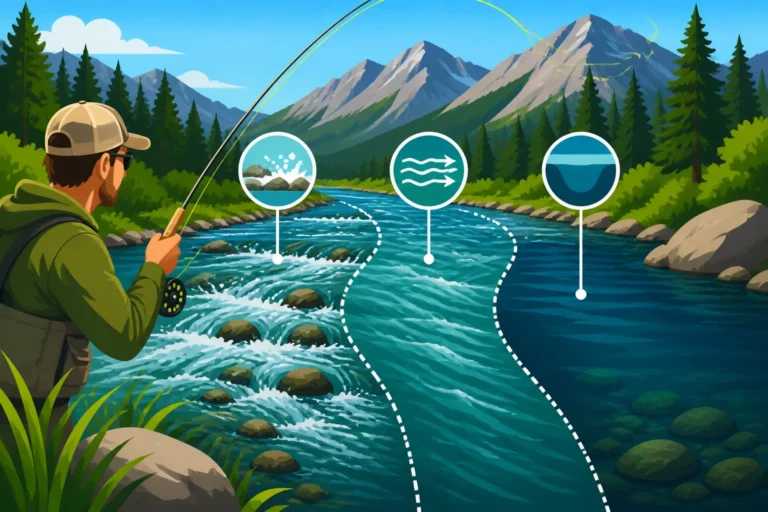
- Deep Pools and Undercut Banks: On any river or stream, big rainbows will seek out the deepest, slowest pools where they can conserve energy and ambush prey. Undercut banks provide excellent cover from predators and strong currents. Focus your efforts on these areas. Look for seams where faster water meets slower water, as this is where food naturally accumulates.
Essential Gear and Tactics for Big Rainbows
Targeting trophy rainbows requires a slight adjustment in your gear and approach compared to fishing for smaller, more abundant trout.
Let's talk gear first:
| Gear Type | Recommendation for Trophy Rainbows | Key Consideration |
|---|---|---|
| Fly Rod & Reel | 6-7 weight, fast action rod; reel with strong, smooth drag | Power to handle big fish, retrieve quickly |
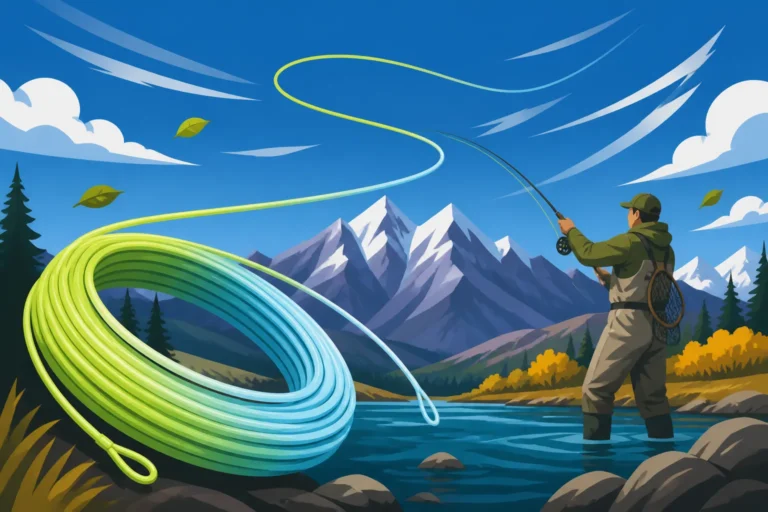
| Fly Line | Weight-forward floating line; sink-tip or full sink for streamers | Versatility for different techniques, turning over big flies |
| Fly Leaders | 9-12 ft tapered leader, 2X-4X tippet | Stronger than typical trout leaders, good abrasion resistance |
| Flies | Large stonefly nymphs, egg patterns, articulated streamers, Sculpzillas | Imitate large food sources, provoke aggressive strikes |
| Spin Rod & Reel | Medium-heavy fast action rod (6-7.5 ft); reel with good drag | Power for casting heavier lures and fighting larger fish |
| Spin Line | 8-12 lb fluorocarbon or monofilament | Sensitivity, strength, low visibility |
| Spin Lures | Spoons (e.g., Kastmasters), larger spinners (Mepps Aglia Long), jerkbaits, swimbaits | Mimic baitfish, cover water effectively, attract attention |
| Terminal Tackle | Swivels, split shot, hooks sized appropriately for bait/lure | Ensure strong connections, avoid line twist |
| Accessories | Quality polarized sunglasses (check Amazon), net, forceps/pliers | Spot fish, protect eyes, ensure safe release of fish (available on Amazon) |
Now for tactics:
- Streamer Fishing (Fly): This is a go-to for big, aggressive rainbows. Cast large, baitfish-imitating streamers (like Woolly Buggers, Sculpzillas, or articulated patterns) across and down current, stripping them back in with an erratic retrieve. This mimics a fleeing baitfish, triggering a predatory response. Early morning and late evening often yield the best results for this technique, especially in fall.
- Heavy Nymphing (Fly): In tailwaters, especially during spring, big rainbows will sit on the bottom gorging on nymphs. A deep nymph rig with heavy stoneflies, caddis pupae, or even a large attractor nymph trailed by a smaller pattern can be deadly. Look for deep runs and eddies where fish don't have to fight current as hard. Read up on Nymphing Techniques for Colorado Tailwaters for more in-depth advice.
- Egg Patterns (Fly): When kokanee salmon are spawning in the fall, egg patterns become king. Glo-bugs, peg eggs, and similar patterns in various shades of orange and pink can be irresistible to hungry rainbows. You can often see rainbows lining up behind spawning kokanee, waiting for eggs to drift by.
- Trolling (Spin/Boat): For large reservoirs, trolling with spoons, Rapalas, or other baitfish imitations can be the most effective way to cover water and find where the trophy rainbows are holding. Experiment with different depths and speeds until you hit the strike zone. You might want to consider some portable fish finders or tackle boxes, which are readily available on Amazon, to help pinpoint those elusive depths.
- Casting Large Lures (Spin): In rivers or from shore on reservoirs, casting and retrieving larger spoons, spinners, or soft plastic swimbaits can entice a trophy rainbow. Focus on covering prime holding water, like deep pools, submerged timber, or rocky points. Many anglers find great deals on these types of lures on Amazon throughout the year.
Environmental Factors and Ethical Considerations
Colorado's dynamic environment and our commitment to conservation mean that successful trophy rainbow fishing also involves understanding and respecting the conditions and the fish themselves.
Adapting to Colorado's Dynamic Conditions
The weather and water levels in Colorado can change rapidly, impacting how and where trophy rainbows hold and feed. Being adaptable is key.
- Spring Runoff: As mentioned, this can be a double-edged sword. While it’s part of the natural cycle, high, turbid water makes fishing difficult on freestone rivers. During these times, focus shifts to tailwaters, which maintain clearer, more consistent flows. Or, consider fishing small tributaries that clear up faster, though these might not hold the biggest fish. However, the increased flows can also push larger food items into the main current, so targeting eddies and slower pockets just outside the main current can still be productive. Knowing When Colorado's Spring Runoff Hits and How to Fish Around It is crucial for planning your trips.
- Low Water Periods: Late summer or drought years can lead to extremely low and clear water. In these conditions, trophy rainbows become incredibly spooky. You'll need to employ longer, lighter leaders and tippets, make precise casts, and often approach your fishing spot with extreme stealth. Fish will typically congregate in the deepest holes, so focus your efforts there and be prepared for more technical fishing.
- Temperature Swings: Sudden cold snaps can slow fish metabolism, making them less active. In these instances, slower presentations and smaller, subtler patterns often work best. Conversely, sustained warm weather can lead to warmer water temperatures, especially in shallower areas, pushing larger fish to deeper, cooler water. Always check local conditions and stream reports before heading out.
Responsible Angling and Conservation
Catching a trophy rainbow is an amazing feat, but ensuring its survival to fight another day is equally important. Many of Colorado's best trophy waters are managed under strict catch-and-release regulations for this very reason.
- Catch-and-Release Practices: When you hook a trophy fish, fight it quickly and efficiently to minimize stress. Keep the fish in the water as much as possible. If you must take it out for a quick photo, wet your hands thoroughly before touching it, support its full body weight horizontally, and avoid squeezing it. Get the photo quickly and release it gently, allowing it to recover in calmer water before swimming off. Always carry a net (a rubberized, knotless net is best to protect fish slime), and forceps or hemostats for easy hook removal. You can find excellent quality nets and other release tools on Amazon. For a deeper dive into best practices, consult resources like How to Handle Trout for a Safe Release.
- Barbless Hooks: Many trophy waters, especially Gold Medal sections, require barbless hooks. Even where not required, using them is an excellent practice. They cause less damage to the fish's mouth and are much easier to remove, increasing the chances of survival.
- Knowing the Regulations: Always be intimately familiar with the specific regulations for the water you are fishing. This includes Colorado Fishing Regulations Every Angler Should Know, specific length limits (such as Colorado's 14-Inch Trout Length Rule), and bag/possession limits. Misidentifying a fish or breaking a regulation can have serious consequences and harm conservation efforts. Our goal is to ensure these magnificent fish continue to thrive for future generations of anglers.
By understanding the seasonal shifts, focusing on prime habitats, utilizing appropriate gear and tactics, and practicing responsible angling, you dramatically increase your odds of connecting with a true trophy rainbow trout in Colorado. It's a challenging pursuit, but one that offers immense rewards and unforgettable memories.
Trophy Rainbow Trout Seasonality Guide
To help you visualize the best times, here’s a quick overview:
| Season | Typical Months | Rainbow Activity | Best Tactics | Prime Locations | Considerations |
|---|---|---|---|---|---|
| Spring | Late March – May | Post-spawn feeding frenzy, aggressive | Streamers, heavy nymphs, egg patterns (late spring) | Tailwaters (Fryingpan, Blue), larger rivers | Watch for spring runoff, focus on clear water tributaries or tailwaters. |
| Summer | June – August | Active, but often more selective and wary | Dries, dry-dropper, smaller nymphs | High-country lakes, shaded river sections | Mid-day heat can make fishing slower; early/late best. |
| Fall | September – November | Pre-winter bulking, kokanee spawn opportunism | Egg patterns, streamers, large nymphs | Reservoirs (Eleven Mile, Blue Mesa), South Platte | Excellent conditions, vibrant fish colors. |
| Winter | December – Early March | Slower metabolism, concentrated in deep pools | Small midges, tiny nymphs, some streamers (tailwaters) | Tailwaters (Fryingpan, Blue), ice fishing reservoirs | Challenging, but can yield large fish in specific locations. |
Disclaimer
This article is for general informational purposes only and does not constitute professional advice. Laws, prices and regulations vary by location and change over time. Consult a qualified professional for guidance on your specific situation.