Reading a Colorado Stocking Report
There’s nothing quite as frustrating as heading out for a day of fishing, full of anticipation, only to find the water seemingly barren. We've all been there, casting into what feels like an empty abyss. But what if there was a way to significantly increase your odds of a successful outing? This comprehensive guide will demystify the Colorado Parks and Wildlife (CPW) stocking reports, showing you exactly how to read them, what to look for, and how to use this invaluable information to put more fish on your line.
Why Colorado Parks and Wildlife Stocks Fish
It might seem straightforward, but the reasons behind CPW's extensive stocking program are layered and crucial for maintaining Colorado's incredible fishing opportunities. It's not just about dumping fish into a lake; it's a strategic effort with multiple goals. Understanding these objectives can help you appreciate the reports even more and recognize the long-term planning involved.
Enhancing Recreational Fishing Opportunities
One of the primary drivers for stocking is to ensure that anglers, from beginners to seasoned pros, have ample opportunities to catch fish. Colorado is a mecca for outdoor enthusiasts, and fishing is a huge part of that. Without regular stocking, many popular lakes and reservoirs, especially those heavily fished or with limited natural reproduction, would quickly become unproductive.
Think about the sheer number of people who flock to places like Chatfield Reservoir or Cherry Creek Reservoir every weekend. These urban and near-urban fisheries see incredible pressure. CPW understands that providing accessible, rewarding fishing experiences encourages more people to get outside and enjoy nature. The reports, therefore, often highlight stocking in these high-demand areas, ensuring that families and casual anglers can reliably find fish. It’s a direct response to the demand for accessible angling, making sure that a fun day out is within reach for almost everyone.
Supporting Conservation and Native Species
While stocking often conjures images of hatchery-raised rainbows, CPW's efforts also play a vital role in conservation. In some cases, stocking is used to re-establish populations of native species, like certain cutthroat trout subspecies, in waters where they once thrived but were extirpated. This can be a complex and delicate process, often involving genetic testing and careful habitat restoration.
For example, efforts to restore the Greenback Cutthroat Trout in their native range sometimes involve stocking specific strains into designated recovery waters. These aren't necessarily for angling harvest but rather to rebuild self-sustaining populations. The stocking reports might reflect these conservation efforts, although the primary public-facing reports tend to focus on catchable trout. It's a critical balance: using stocking to both provide recreational opportunities and to protect the long-term health and biodiversity of Colorado's aquatic ecosystems, a concept you can explore further in Colorado's Trout Species, A Field Guide.
Managing Overpopulation and Disease
Sometimes, fish stocking is less about adding new fish and more about managing existing populations or mitigating risks. For instance, in certain waters, CPW might stock sterile trout (often triploids) to control reproduction or prevent genetic mixing with native species. This ensures that while there are plenty of fish to catch, they don't negatively impact the delicate ecological balance.
Disease prevention is another critical factor. Hatchery environments allow for controlled conditions where fish can be monitored for health issues before release. This helps prevent the spread of diseases to wild populations. While not directly reflected in the consumer-facing stocking reports, this aspect of fish management is a continuous effort by CPW. They are always working to ensure that the fish released are healthy and ready to thrive, providing excellent fishing without compromising the integrity of existing aquatic life.
Where to Find Colorado's Weekly Stocking Report
Knowing why fish are stocked is helpful, but where to find the crucial data is what truly empowers you. Colorado Parks and Wildlife makes this information surprisingly accessible, but you need to know where to look and how often to check. Missing a new report can mean missing out on some fantastic fishing, so let's dive into the best sources.
The Official CPW Website and Fishing Atlas
The absolute best and most official place to find Colorado's weekly stocking report is directly on the Colorado Parks and Wildlife website. They maintain a dedicated page that is regularly updated, especially during peak stocking seasons. You'll typically find a table or a downloadable document listing all the waters that have received fish, what kind of fish were stocked, and in what quantities.
Beyond just the raw report, the CPW site is also home to the incredible Colorado's Fishing Atlas Explained. This interactive map tool is a game-changer. It allows you to search for specific waters, filter by species, and often shows historical stocking data right on the map. Imagine planning a trip to a new lake and being able to see its stocking history, recent reports, and even access points all in one place. It’s like having a secret weapon in your tackle box, letting you scout out new spots or confirm recent activity in your favorites. Learning to interpret What Colorado's Fishing Atlas Shows You can seriously elevate your angling game.
Third-Party Apps and Local Fly Shops
While the official CPW channels are paramount, many anglers also rely on third-party apps and local resources for quick updates and community insights. Apps designed specifically for anglers can often pull CPW data and present it in a more mobile-friendly format, sometimes even sending push notifications when new reports are released for your saved locations. These apps can be incredibly convenient when you're on the go and want to quickly check for updates before heading out.
Local fly shops and sporting goods stores are also invaluable resources. These businesses often have the latest stocking reports pinned to their bulletin boards or can provide anecdotal information from guides and regulars who were just out on the water. Shops like Angler's Covey or Kirks Flyshop, with their knowledgeable staff, are often the first to know about recent stockings and can offer real-time advice on what flies or lures are working. Plus, they might share insights that aren't explicit in the report, like specific areas of a lake that were targeted or how the fish are behaving post-stocking. Don't forget, when you're gearing up, a quick stop at a local shop or a browse through Amazon for new lures can make all the difference, and they often have digital versions of the reports handy for customers.
Understanding the Report's Timing and Frequency
One of the most common questions anglers have is, "How often is this report updated?" Generally, CPW aims to release its official stocking reports weekly during the primary stocking seasons, which typically run from spring through fall, and sometimes even into early winter for ice fishing destinations. However, the exact day of the week can vary, so it's a good habit to check consistently.
For instance, during the spring when When Colorado Parks and Wildlife Starts Stocking Trout Each Spring, you might see updates coming out mid-week as fish are moved from hatcheries to various waters. During the winter, stocking might be less frequent or paused entirely in certain high-country areas. It’s important to remember that the report reflects stockings that have already occurred, not future plans. This means that if a lake was stocked on Monday, the report might not be published until Wednesday or Thursday. This slight delay is normal and gives you a window of a few days to plan your trip to hit the fresh fish. Always aim to check the most recent report to ensure you’re working with the freshest data.
Deconstructing the Stocking Report Data
Once you’ve located the stocking report, the next step is understanding what all those rows and columns actually mean. It’s more than just a list of names and numbers; each piece of data tells a story about where, when, and what kind of fish were introduced. Learning to decode these details is crucial for transforming raw information into actionable fishing strategy.
Location and Species Identification
The first two pieces of information you’ll immediately notice are the water body name and the species of fish. This is your starting point. The report will typically list a specific lake, reservoir, or river segment. It’s important to pay attention to the exact wording. For instance, "Spinney Mountain Reservoir" is quite different from "Spinney Mountain State Park," though they're adjacent.
Next to the location, you'll see the species of fish that were stocked. This is usually self-explanatory (e.g., "Rainbow Trout," "Brown Trout," "Kokanee Salmon"). Sometimes, you might see abbreviations like "RT" for Rainbow Trout or "BT" for Brown Trout. Knowing your target species is paramount for planning your trip, as different fish prefer different habitats and respond to different techniques. For a deeper dive into what you might encounter, remember to check out Colorado's Trout Species, A Field Guide. Knowing the species helps you decide whether to pack your fly rod for trout or your spinning gear for walleye.
Number of Fish and Size Categories
This is where the excitement really builds! The report will specify the number of fish stocked, often in impressive quantities. You might see entries like "10,000 Rainbow Trout" or "2,500 Kokanee Salmon." These numbers give you a direct indication of the sheer volume of fish recently introduced, which directly correlates to your chances of success. A higher number generally means more fish for anglers to target.
Equally important, and sometimes overlooked, are the size categories. CPW often stocks fish in various sizes, ranging from "fingerlings" (very small, typically intended to grow out in the water) to "catchable" or "sub-catchable" sizes. A "catchable" trout, for example, is usually 8-12 inches long, making it a perfect size for immediate angling gratification. You might see entries specifying "8-inch Rainbow Trout" or "Yearling Brown Trout." Pay close attention to these size details. If a report lists primarily fingerlings, it means the fishing might be better in a year or two, while a report full of "catchable" fish means it’s time to grab your gear and head out! For context on how stocked fish grow, check out How Big the Trout Are When Colorado First Stocks Them.
Date of Stocking and Implications for Anglers
The date of stocking is arguably the most critical piece of information. This tells you exactly when the fish were introduced into the water. Freshly stocked fish behave differently than those that have been in the water for a while. They are often less wary, more eager to bite, and concentrated in the areas where they were released.
A recent stocking date, say within the last few days, suggests that the fishing will be excellent. These fish are often still a bit disoriented from their journey from the hatchery and haven't yet learned to associate anglers with danger. This is a prime window for quick action. As time passes, especially after a week or two, stocked fish tend to disperse, become more acclimated, and can become pickier eaters. So, the fresher the date, the better your immediate prospects. This is where you can truly capitalize on the report – aiming to be one of the first anglers on the water after a fresh drop!
| Water Body | Species Stocked | Quantity | Size (Average) | Date Stocked | Notes |
|---|---|---|---|---|---|
| Chatfield Reservoir | Rainbow Trout | 10,000 | 10 inches | 04/15/2024 | Stocked near swim beach and south boat ramp |
| Bear Creek Lake | Cutthroat Trout | 2,500 | 8 inches | 04/17/2024 | Good for fly or spin fishing |
| Sloan's Lake | Largemouth Bass | 500 | 6 inches | 04/16/2024 | Fingerlings, expect growth |
| Eleven Mile Reservoir | Kokanee Salmon | 15,000 | 4 inches | 04/14/2024 | Future sport fish, not catchable yet |
| St. Vrain State Park Pond | Channel Catfish | 800 | 12 inches | 04/18/2024 | Excellent for bait fishing |
Interpreting the Report for Better Fishing Success
Knowing what the report says is one thing; understanding how to use that information to your advantage is where the real skill comes in. This isn't just a list; it's a treasure map. Interpreting it correctly can lead to significantly more productive and enjoyable fishing trips.
Timing Your Trip After a Fresh Stocking
The golden rule of fishing recently stocked waters is simple: the sooner, the better. When CPW trucks release thousands of fish into a lake or pond, those fish are often disoriented, hungry, and concentrated in the release areas. They haven't had time to scatter throughout the water body or become wary of hooks and lines.
Imagine a scenario: you check the report on Thursday morning and see that your favorite urban pond, say Sloan's Lake, received 5,000 catchable Rainbow Trout on Wednesday afternoon. This is your cue! If you can manage it, head out Thursday evening or, even better, first thing Friday morning. These fish will still be milling around, actively feeding, and relatively easy targets. Waiting until the weekend might mean they've dispersed, grown accustomed to their new environment, or worse, have already been caught by other savvy anglers. This strategy is particularly effective during the warmer months when fish are more active and feed aggressively. Remember, the early bird truly gets the fish in this game. This knowledge also applies to how you approach Colorado Fishing Seasons Month by Month.
Gear and Techniques for Recently Stocked Trout
One of the great things about recently stocked trout, especially rainbows, is that they aren't usually picky eaters. They've been raised on pellets in a hatchery, so anything resembling food is often fair game. This means you don't necessarily need highly specialized gear or intricate techniques.
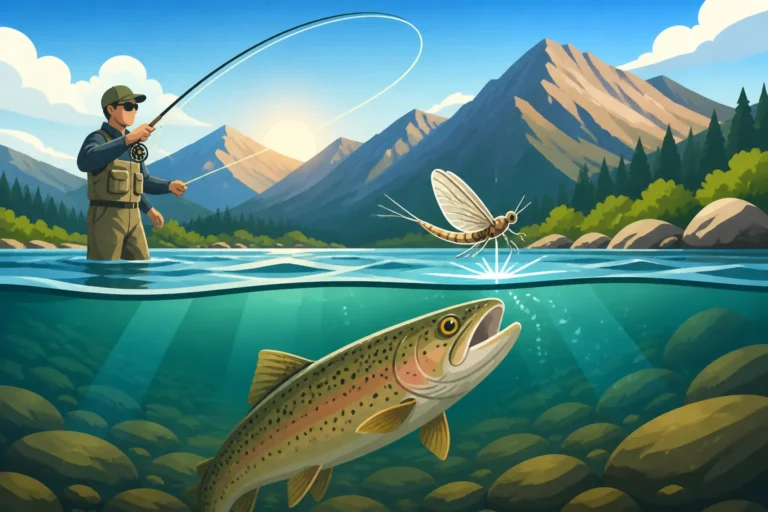
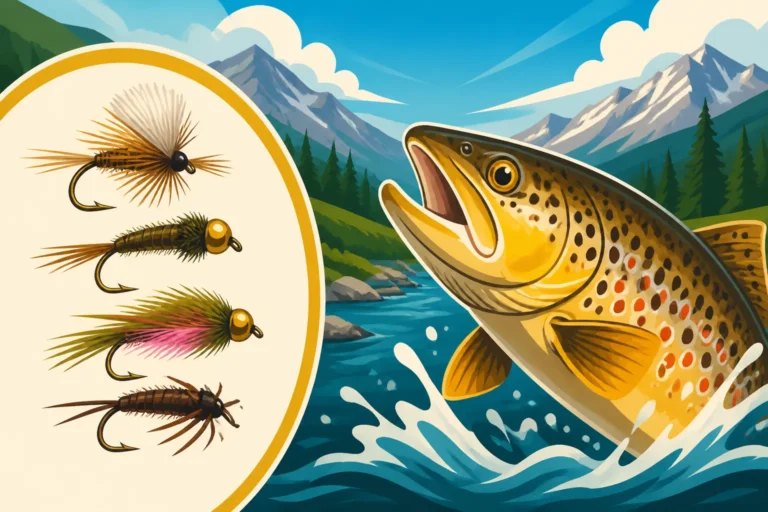
For spin fishing, standard inline spinners like a classic Rooster Tail or Mepps, small spoons, or even just a worm or PowerBait under a bobber are incredibly effective. A lightweight spinning rod, often available as a combo on Amazon, with 4-6 lb test line is usually all you need. For Bait Fishing Techniques for Colorado Lakes, PowerBait in bright colors (chartreuse, orange, rainbow) is a consistent winner for newly stocked trout, as are corn, salmon eggs, or even a simple nightcrawler. Just rig it up on a small hook with a bit of split shot to get it down to where the fish are. Fly anglers can also do well with simple nymph patterns like an antron bug, a Pheasant Tail, or even a Wooly Bugger, stripped slowly. These fish are less concerned with a perfect drift and more with a visible, easy meal. Experimentation is key, but generally, simpler presentations yield great results. This is an excellent opportunity to practice your Spin Fishing Techniques for Colorado Trout.
Understanding Stocked vs. Wild Fish Behavior
It’s crucial to recognize that stocked fish, especially those of catchable size, often behave quite differently from their wild counterparts. Wild trout, particularly in challenging Gold Medal Waters, are often wary, selective, and highly attuned to their environment. They've survived predators and countless angling attempts, making them tough to fool.
Stocked fish, on the other hand, often lack this innate caution. They're used to being fed and haven't developed the same evasive instincts. This is why you can often have such high success rates immediately after a stocking. However, over time, even stocked fish can become "educated." They learn to avoid certain baits, become more sensitive to shadows, and start associating unusual movements with danger. This transition happens quicker than you might think, especially in heavily fished areas. Therefore, if you're targeting waters that haven't been stocked recently, you might need to adjust your approach to more subtle techniques more suited for wild trout, such as stealthy approaches and accurate casts. You may need to adapt your strategy to the fish's behavior, considering that a trout stocked last week will behave differently from a wild brown trout that has been evading anglers for years.
Common Misconceptions and Pro Tips
Even with the stocking report in hand, there are nuances and common pitfalls that anglers often encounter. It's not a magical guarantee, and understanding the bigger picture, beyond just the numbers, can greatly enhance your success and enjoyment on the water.
Stocking Reports Aren't the Only Factor
While incredibly useful, a stocking report is just one piece of the puzzle. It tells you that fish are there, but it doesn't tell you everything. Many other elements influence fishing success, such as water temperature, clarity, depth, and even barometric pressure. A lake might have just received 10,000 trout, but if the water is too warm, too cold, or experiencing a sudden weather front, those fish might be lethargic and unwilling to bite.
Experienced anglers know that consistent success comes from combining stocking information with broader knowledge of the fishery and environmental conditions. For instance, if the report says a reservoir was just stocked, but a quick check of a weather app shows a severe cold front moving in, you might adjust your expectations or postpone your trip. The report is a powerful indicator, but it needs to be filtered through the lens of real-world conditions. Don't let it be your only guide; let it be your primary lead, and then layer on other important factors.
The Role of Water Conditions and Weather
Water conditions are paramount, especially in a state like Colorado with its dynamic climate. A recent stocking in a river during or immediately after spring runoff, for example, might not translate to immediate success. The high, turbid water can make it difficult for fish to find food and for anglers to present baits effectively. Conversely, a stocking during stable, mild weather can create fantastic fishing.
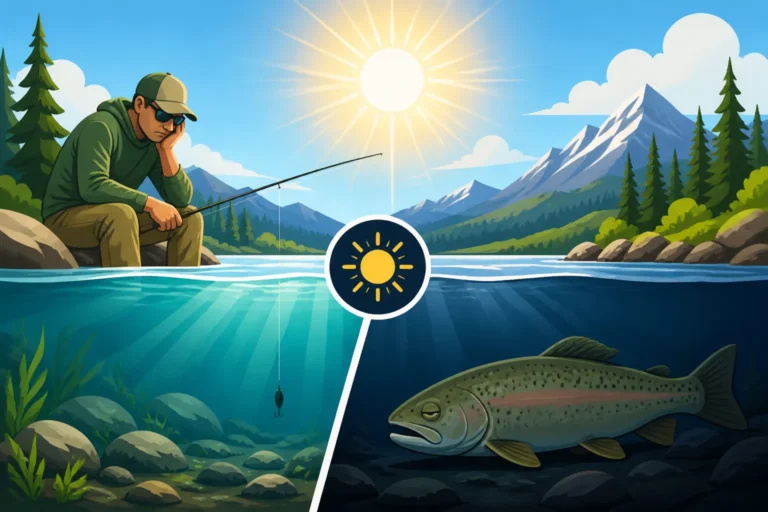
Weather also plays a huge role. Sunny days can push fish deeper, while overcast conditions might bring them closer to the surface. Wind can make casting challenging, but it can also create current that aggregates baitfish and, consequently, hungry trout. Consider checking the forecast before you go. Is it going to be clear and calm, or is a storm brewing? These details, easily accessible on your phone, can help you decide which spot might be best, which gear to bring, and how to adjust your technique. Even a simple rain jacket from Amazon can mean the difference between staying out on the water and packing up early.
Respecting the Resource and Other Anglers
With the power of the stocking report comes responsibility. When a particular water body is freshly stocked, it can draw a crowd. Being mindful of other anglers and practicing good fishing etiquette is essential. This means maintaining a reasonable distance from others, being courteous, and being patient. Nothing ruins a peaceful day on the water faster than inconsiderate behavior.
More importantly, remember to respect the fish. While stocked fish might be abundant, proper catch-and-release techniques are still crucial, especially if you're not planning to keep your limit. Wet hands, quick release, and minimizing handling time contribute to the survival of released fish. If you are keeping fish, be aware of Colorado Fishing Regulations Every Angler Should Know, especially bag and possession limits. Some reports might be for native species recovery or for small fingerlings meant to grow, not to be harvested immediately. Always consult the official Colorado Parks and Wildlife regulations brochure, or check the current year’s Colorado Bag and Possession Limits by Species to ensure you're fishing legally and ethically.
Beyond the Report: Other Resources for Anglers
While the stocking report is a fantastic tool, it's just one piece of the vast tapestry of information available to Colorado anglers. To truly become a well-rounded and consistently successful fisher, you'll want to tap into other resources that provide context, deeper insights, and real-time community feedback.
Colorado's Fishing Atlas Explained
We touched on it earlier, but the Colorado Fishing Atlas deserves a deeper dive. This isn't just a map; it's a dynamic, comprehensive database of virtually every fishable water in the state. Provided by Colorado Parks and Wildlife, the atlas allows you to filter waters by species, public vs. private access, special regulations (like Gold Medal Waters), and even amenities like boat ramps or restrooms.
Imagine you're looking for a new spot for a family outing. You can open the Fishing Atlas, filter for "Lakes and Reservoirs," "Family Friendly," and perhaps "Rainbow Trout" and instantly see a dozen options near you. Clicking on a specific water body often brings up detailed information, including historical stocking records, what species are commonly found there, and important regulatory notes. It’s an indispensable planning tool, especially when you're considering a trip to a less familiar part of the state, or trying to understand the nuances of a specific river section, which you can learn more about by Reading Colorado's Fishing Regulations Brochure. It helps connect the dots between stocking reports and the broader fishing landscape, ensuring you're always fishing smart.
Consulting Local Experts and Online Communities
No matter how many reports you read, there's often no substitute for local knowledge. Fly shops, bait shops, and even local sporting goods stores are treasure troves of real-time information. The staff often fish these waters themselves or interact daily with anglers who do. They can tell you about recent hatches, specific lures that are working, or even which part of a lake received a fresh batch of fish that the report didn't explicitly detail.
Online fishing forums and social media groups dedicated to Colorado fishing are also excellent resources. Anglers frequently share their successes (and failures!), offering tips, photos, and up-to-the-minute conditions. While you should always take online advice with a grain of salt, these communities can provide a pulse on specific fisheries that official reports simply can't capture. Just be sure to engage respectfully and remember that not everyone wants to share their secret spot down to the exact coordinates! Combining these community insights with official data, like from a local guide or by checking Colorado's Best Fishing Spots by Region, gives you a powerful advantage. This blend of structured data and boots-on-the-ground intelligence is how truly successful anglers consistently find the fish.
Disclaimer
The information provided in this guide is for general informational purposes only and is subject to change. Always consult the most current official Colorado Parks and Wildlife regulations and stocking reports before planning any fishing trip, as rules, seasons, and stocking schedules can vary. Fishing conditions and fish behavior are dynamic and can be influenced by many factors beyond stocking data.