Best Time of Day to Fish the Dream Stream
For many anglers, staring at the winding ribbons of the Dream Stream, the real challenge isn't just about picking the right fly or finding a good seam; it's figuring out when to even cast a line. This iconic stretch of water, nestled between Spinney Mountain Reservoir and Eleven Mile Reservoir, can feel like a puzzle, with conditions and fish behavior shifting throughout the day. This guide is here to untangle that mystery, helping you understand the rhythms of the Dream Stream so you can hit the water at the optimal time for an unforgettable Colorado fishing experience.
Understanding the Dream Stream's Unique Character
The Dream Stream, officially part of the South Platte River, isn't just any river; it's a tailwater, and that distinction is paramount when considering the best time of day to fish. Its unique character dictates everything from water temperature to insect life, directly influencing when trout are most active.
The Tailwater Effect and Consistent Temperatures
A tailwater is a river section located directly below a dam, receiving its water from the bottom of a reservoir. In the Dream Stream's case, water is released from Spinney Mountain Reservoir, flows a short distance, and then empties into Eleven Mile Reservoir. This constant influx of deep, cold water from Spinney creates incredibly stable conditions. Unlike freestone rivers that see wild temperature swings with ambient air, the Dream Stream's water temperature remains remarkably consistent throughout the day and even across seasons. This stability means trout aren't as susceptible to drastic shifts in feeding behavior due to rapidly changing water temps. They're generally happy and active, but specific times of day will still trigger peak feeding frenzies based on other factors like light, insect hatches, and angler pressure.
Insect Life and Hatch Cycles
The stable environment of a tailwater also fosters a remarkably consistent and prolific insect population. While freestone rivers might have more sporadic hatches dictated by snowmelt or heavy rains, the Dream Stream boasts reliable cycles of aquatic insects, especially midges and blue-winged olives (BWOs). These tiny creatures are the bread and butter of the trout's diet here, and their emergence patterns are crucial for determining the best fishing windows. Midges, for instance, can hatch almost year-round, often in the late morning or early afternoon, but their specific emergence can be light-dependent. BWOs are famous for their consistent hatches in the spring and fall, often peaking on overcast days during the middle of the day. Understanding these micro-hatches is key, as trout will gorge themselves when a buffet of insects is available.
Early Morning: The Dawn Patrol Advantage
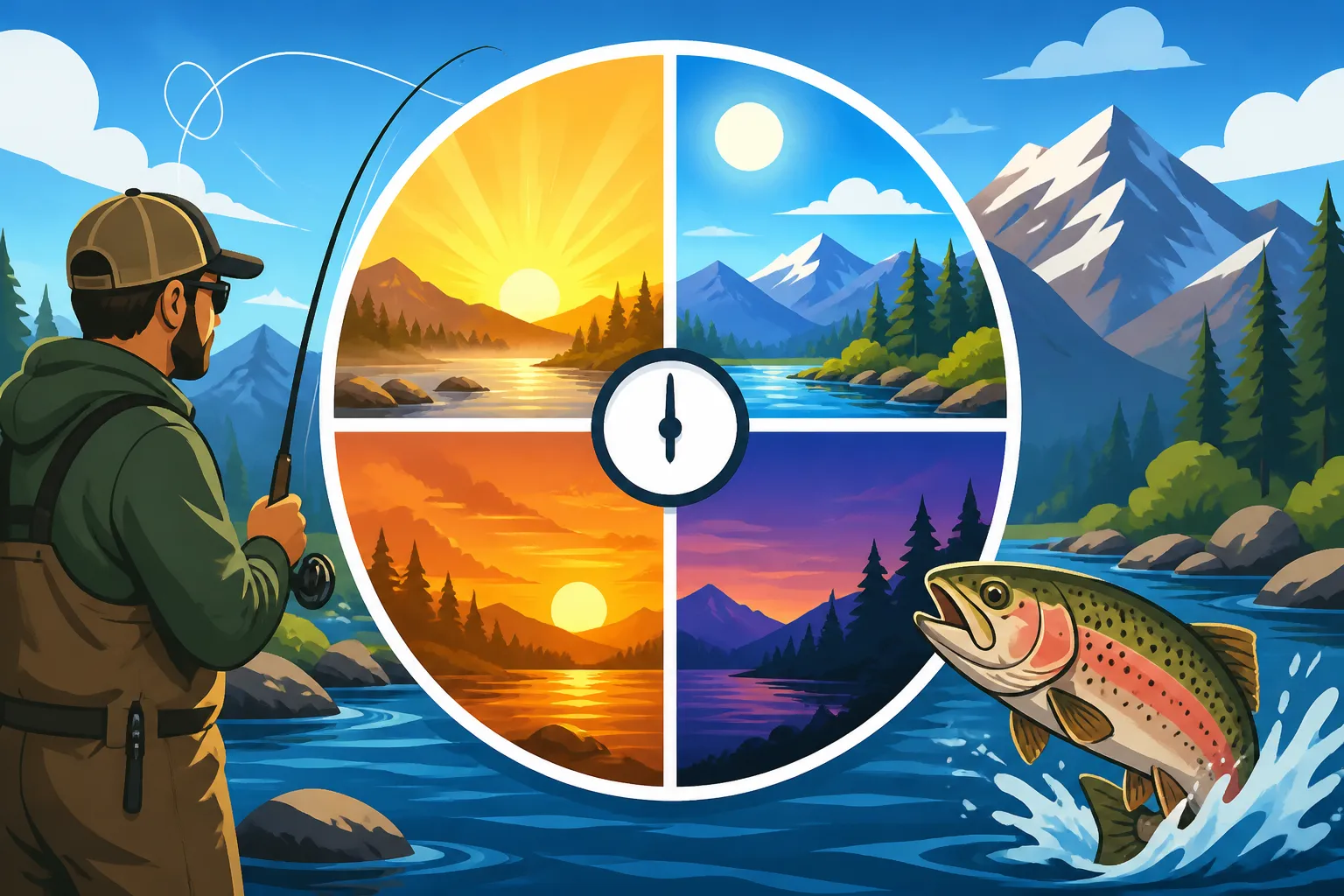
There’s a special magic to fishing the Dream Stream as the first hint of color paints the eastern sky. It's a time of quiet anticipation, often yielding some of the most rewarding experiences.
The Calm Before the Crowds
Let's be real: the Dream Stream is famous for a reason, and that often means it's popular. During peak season, especially weekends, you can find anglers shoulder-to-shoulder. Getting there at dawn offers an unparalleled sense of solitude. You get first pick of the prime runs, and the trout are often less wary, having not yet been pressured by countless casts and footsteps. The low light conditions mean that trout might be more forgiving of slight imperfections in your presentation, or simply less able to detect your presence from the bank. This undisturbed environment can lead to a less frustrating and more productive start to your day. Plus, who doesn't love a quiet sunrise over the South Platte?
Prime Dry Fly Opportunities in Summer
While midges are a year-round staple, summer mornings can bring incredible dry fly action, particularly with Trico hatches. These tiny black-bodied mayflies emerge in massive numbers, often starting just as the sun touches the water. The spinner falls, where the adult insects die and float on the surface, can create an absolute feeding frenzy among the trout. Watching dozens of fish sip Trico spinners from the glassy surface film is one of the most exciting experiences in fly fishing. To capitalize on this, you need to be on the water before the hatch peaks, rig up with tiny dry flies (often size 20-24), and be ready for subtle takes. You can learn more about specific patterns in our guide on the Best Flies for Colorado's Gold Medal Trout Water.
Subsurface Feeding in Low Light
Even if dry fly action isn't immediate, the early morning hours are fantastic for subsurface fishing. As light levels are low, trout often feel more comfortable moving out of their hiding spots to feed on nymphs and emergers drifting in the current. This is a prime time for nymphing, using patterns that imitate the insect forms moving just below the surface. A simple two-nymph rig, or even a single midge pattern under a small indicator, can be incredibly effective. Consider patterns like standard RS2s, small pheasant tails, or various midge larvae and pupae. Streamers, too, can entice larger, more aggressive trout that are still lurking in the shadows, looking for an easy meal before the sun gets too high.
Mid-Morning to Early Afternoon: The Peak Activity Window
As the sun climbs higher and begins to warm things up slightly, the Dream Stream often comes alive with a flurry of activity, making the mid-morning to early afternoon a prime window for consistent action.
Sun on the Water and Increased Insect Activity
Once the sun is fully on the water, you'll often notice an increase in insect activity. This is when the water temperature, however stable, reaches its daily peak, signaling to various aquatic insects that it's time to emerge. Caddisflies, for example, often start their emergence and egg-laying flights during this period. On overcast days, you might see significant Blue-Winged Olive (BWO) hatches, especially in spring and fall. These hatches bring trout to the surface, but even when they aren't visibly rising, they're actively feeding subsurface on the abundant nymphs and emergers. This period offers a fantastic opportunity for both dry fly enthusiasts, if a hatch is on, and nymph anglers.
Nymphing in Colorado's Clear Tailwaters
The clarity of the Dream Stream's water, a hallmark of many Colorado tailwaters, makes nymphing particularly effective during these hours. Trout can easily spot drifting nymphs, and if your presentation is spot-on, you're in for some consistent hook-ups. This is where precise fly selection and careful rigging come into play. Small, realistic nymph patterns, often fished on fine fluorocarbon tippet, are essential. You might even want to explore techniques like Euro Nymphing, which can be incredibly productive for getting your flies down quickly and detecting subtle strikes in the swift, clear currents. Our guide on Nymphing Techniques for Colorado Tailwaters offers a deeper dive into these methods.
Terrestrial Action in Late Summer
Come late summer, usually from July through September, the mid-day hours bring another exciting element into play: terrestrials. Grasshoppers, ants, and beetles, often blown in by the wind from the surrounding banks, become a significant food source for trout. These larger protein-rich snacks are irresistible, and trout will often move to the banks or into shallower riffles to intercept them. Fishing a foam hopper pattern, a large ant, or a beetle imitation along grassy banks or undercut edges can lead to explosive strikes. It’s a completely different game than matching tiny midges, requiring a more active approach and often yielding some of the larger, more aggressive fish.
Late Afternoon to Dusk: The Golden Hour
As the sun begins its descent, casting long shadows across the landscape, the Dream Stream transforms once again, offering a distinct set of opportunities, often referred to as "the golden hour" for good reason.
Evening Rises and Cooler Temperatures
Just as morning brings its own charm, the late afternoon and evening hours are often marked by a calming of the water and a subtle drop in air temperature. This cooling period, especially after a warm day, can trigger significant evening hatches. Caddisflies are a common evening hatch, with adults skittering across the surface to lay eggs, driving trout into a feeding frenzy. Blue-Winged Olives can also reappear in the evening, particularly on cooler days in spring and fall. The fish, having been pressured throughout the day, often become less wary in the fading light, making them more willing to rise confidently to a well-presented dry fly. This is a fantastic time for classic dry fly fishing, especially for those who cherish the visual excitement of a surface strike. For more on what to expect, check out our guide on Dry Fly Fishing Colorado's Freestone Rivers, as many of the principles apply here too.
Streamer Fishing for Bigger Trout
As darkness truly begins to settle, many of the river's largest residents emerge from their hiding spots, feeling safer under the cloak of low light. This is prime time for streamer fishing. Big brown trout, in particular, are predatory by nature, and they're less likely to pass up a large, meaty meal that imitates a baitfish or sculpin. Stripping articulated streamers, wooly buggers, or sculpin imitations through deeper pools, undercuts, and across current seams can induce ferocious strikes from trophy-sized fish. It's a method that requires patience and dedication, but the reward of hooking into a truly massive brown trout as the stars begin to twinkle overhead is an experience that keeps anglers coming back. Our comprehensive guide on Streamer Fishing for Colorado Brown Trout can help you hone your techniques.
Navigating Seasonal Variations
While the tailwater effect provides consistency, the seasons still play a significant role in dictating the "best" time of day to fish the Dream Stream. Adapting your schedule to these seasonal shifts is crucial for success.
Spring and Fall Considerations
In spring and fall, the cooler air temperatures mean that the middle of the day often becomes the most productive window. The water, while stable, will be at its "warmest" during these hours, prompting more insect activity. Blue-Winged Olive (BWO) hatches are particularly strong in both seasons, often peaking from late morning through the early afternoon, especially on overcast days. Midges are also consistently present. You might find a slower start to the morning as temperatures rise, and the evening bite can be short-lived as the air rapidly cools. Focus your efforts between 10 AM and 4 PM during these shoulder seasons. Our guide to Colorado Fishing Seasons Month by Month can offer a broader view of what to expect.
Summer's Long Days and Afternoon Storms
Summer on the Dream Stream brings long days, but also a few challenges. While the water remains cool due to the tailwater effect, the intense sun can make trout a bit more lethargic or push them into deeper, shadier holding lies during the peak heat of the afternoon. Your best bets in summer are often the very early morning and the late evening. Trico hatches at dawn can be phenomenal, and evening caddis hatches or general subsurface feeding can be excellent as the light fades. Be especially mindful of Colorado's notorious afternoon thunderstorms, which can bring sudden downpours and lightning. It's often wise to be off the water by early afternoon if storms are forecast.
Winter's Short Windows
Winter fishing on the Dream Stream can be incredibly rewarding, offering solitude and often some surprisingly active fish. However, the "best time" is a narrow window. The coldest part of the day is often sunrise, so there's no need for an alpine start. Instead, focus your efforts from late morning to mid-afternoon, typically 11 AM to 3 PM. This is when the sun has had a chance to slightly warm the air, and any midge activity will be at its peak. Nymphing with tiny midge patterns (larvae, pupae, and emergers) is the name of the game, often paired with a small egg pattern or a worm imitation. The fish may not move much, so precise depth and a patient drift are key.
Practical Tips for Maximizing Your Dream Stream Day
Beyond just knowing the optimal times, there are several practical considerations that can make or break your fishing trip to the Dream Stream.
Checking Conditions and Hatch Reports
Before you even leave your house, make it a habit to check local fishing reports. Fly shops like Angler's Covey in Colorado Springs or Royal Gorge Anglers in Cañon City often provide daily updates on water flows, clarity, temperature, and most importantly, what's hatching and what flies are working. Websites like CPW's Reading Colorado's Weekly Stocking Report can also give you insights into fish populations. This real-time information is invaluable for planning your day and packing the right gear. Understanding these reports means you can tailor your approach, whether that's planning for a major BWO hatch or knowing to bring plenty of midge patterns for a cold winter day.
The Impact of Angler Pressure
The Dream Stream is a well-known jewel, meaning it sees a significant amount of angler pressure, especially on weekends and during prime seasons. This pressure can make trout incredibly wary and difficult to catch, regardless of the time of day. If you prefer solitude and less pressured fish, your "best time" might simply be on a weekday, or by arriving very early or staying late. Another strategy is to hike further away from the main access points, as many anglers don't venture too far from their cars. For those looking to learn the ropes or navigate the crowds effectively, consider hiring a guide. Services often listed on platforms like FishingBooker can pair you with experienced local guides who know how to find less-pressured water and understand the nuanced fishing conditions of a popular spot like the Dream Stream. They can also teach you the subtle approaches needed for these finicky fish.
Gear and Presentation Adjustments
Because the Dream Stream's trout are often educated and the water is so clear, your gear and presentation become paramount. This often means using longer, lighter leaders and finer tippet (5x, 6x, or even 7x fluorocarbon). Subtle takes are common, especially when nymphing or fishing tiny dry flies, so a sensitive rod and keen observation are essential. Your casting should be accurate and your drifts drag-free. Matching the hatch precisely, especially with tiny midges or Tricos, is crucial. Don't be afraid to change flies frequently until you find what the fish are keying in on. The right approach, combined with being on the water at the optimal time, dramatically increases your chances of success.
Dream Stream Fishing: Best Times by Season
| Season | Optimal Time Window | Primary Opportunities | Key Considerations |
|---|---|---|---|
| Spring | 10 AM – 4 PM | BWO hatches, Midge hatches, Nymphing | Cooler mornings, focus on mid-day warmth |
| Summer | Dawn – 9 AM & 5 PM – Dusk | Trico hatches (dawn), Evening Caddis, Terrestrials (mid-day) | Avoid mid-day heat/sun, watch for afternoon storms |
| Fall | 10 AM – 4 PM | BWO hatches, Midge hatches, Streamers (late afternoon) | Cooler temperatures, spawning Browns (late fall) |
| Winter | 11 AM – 3 PM | Midge fishing (nymphs, emergers), some subsurface activity | Short windows, dress warmly, focus on warmest hours |
Remember, the Dream Stream is a dynamic environment. While these general guidelines offer a fantastic starting point for planning your trip, flexibility and observation are your greatest assets. Whether you're chasing the solitude of a dawn patrol, the intense action of a mid-day hatch, or the thrill of a big streamer fish at dusk, knowing the rhythms of this incredible fishery will vastly improve your chances of a memorable day on the water.
Disclaimer
Please be aware that fishing conditions, regulations, and access can change. Always consult the official Colorado Parks and Wildlife (CPW) website or local authorities for the most current information before planning your fishing trip. This guide is for informational purposes only.