Fishing Chatfield Reservoir’s Inlet for Spawning Fish
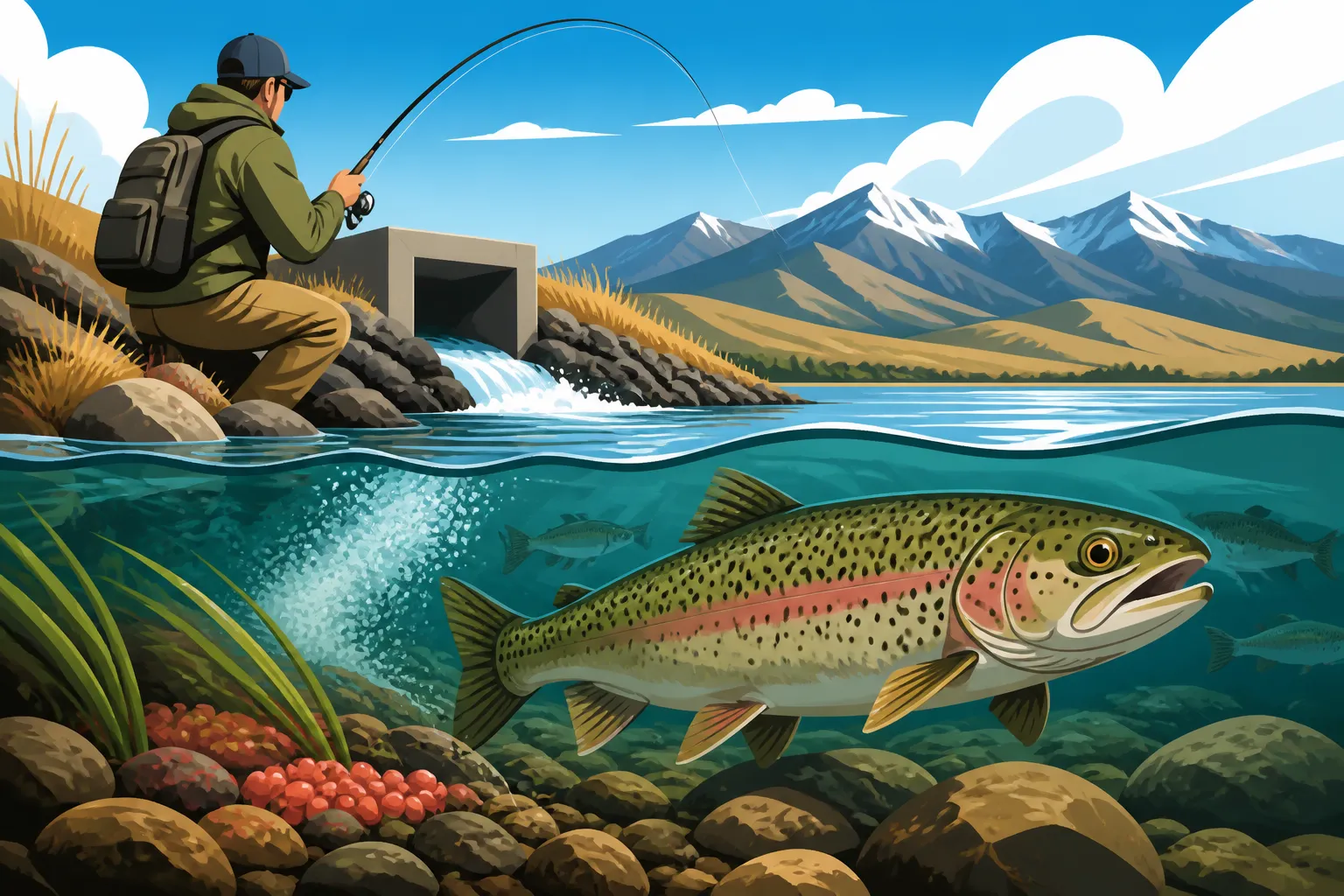
One of the most exciting times to fish any reservoir is when the fish begin their annual spawning migration, pushing into shallow tributaries and inlets. For anglers at Chatfield Reservoir, understanding and effectively fishing its inlet, primarily fed by the South Platte River, can transform a regular day on the water into an unforgettable experience. However, approaching this dynamic area without specific knowledge of fish behavior, proper techniques, and crucial regulations often leads to frustration and empty nets. This comprehensive guide will deeply explore how to successfully target spawning fish in Chatfield Reservoir's inlet, providing insights into the unique environment, identifying key species, detailing effective angling strategies, and emphasizing responsible practices to ensure a rewarding and sustainable fishing adventure.
Understanding Chatfield Reservoir's Inlet Dynamics
The inlet of Chatfield Reservoir is a fascinating and highly productive fishery, primarily influenced by the incoming waters of the South Platte River. This confluence of river and reservoir creates a dynamic environment that contrasts sharply with the main body of the lake, offering unique opportunities and challenges for anglers.
The South Platte River's Influence on the Inlet
The South Platte River isn't just a trickle; it's a significant waterway that feeds Chatfield, bringing with it a constant flow of fresh water, nutrients, and, crucially, a distinct current. This riverine influence means the inlet area behaves differently than the vast, still waters of the main reservoir. The current carves channels, deposits sediment, and influences water temperature and clarity in ways the open lake does not. For spawning fish, this river flow is often a powerful migratory cue. Walleye, for instance, are known to move upstream into river sections or dam inlets seeking the oxygenated, moving water and suitable substrate for laying their eggs.
Anglers need to pay close attention to the river's recent activity. A surge in flow from snowmelt or heavy rains upstream can dramatically alter water clarity, temperature, and even the available holding spots for fish. During periods of high flow, the water might become muddy, pushing fish into calmer eddies or behind substantial structure. Conversely, consistent, moderate flows can provide stable conditions where fish are more predictable. Understanding this connection to the larger South Platte River system is the first step in unlocking the inlet's potential.
Seasonal Changes and Water Level Fluctuations
Water levels at Chatfield Reservoir are managed by the U.S. Army Corps of Engineers and Colorado Parks and Wildlife (CPW), primarily for flood control and water supply. These controlled fluctuations have a profound impact on the inlet, especially during spawning seasons. In spring, rising water levels can flood adjacent vegetation, creating ideal, protected nursery habitats for species like Northern Pike, which prefer to lay their eggs on submerged grasses and brush.
Anglers accustomed to fishing the main reservoir might find the inlet's landscape constantly changing. What was a dry bank last week might be submerged habitat this week. This constant flux means that fish holding patterns can shift rapidly. It's crucial to check current water levels and recent weather patterns before heading out. Websites like the U.S. Army Corps of Engineers or the CPW often provide real-time data, helping you anticipate how the inlet will look and how fish might be responding. A sharp drop in water level, for example, could leave spawning beds exposed or make access to certain areas impossible, while a gradual rise might open up new productive zones.
Identifying Key Habitat and Structure
The inlet’s diverse habitat is what makes it so attractive to a variety of fish species, particularly during their spawning cycles. Unlike the relatively uniform bottom of much of the main reservoir, the inlet offers a mosaic of features. Look for areas where the river current slows down, creating eddies or slack water behind points, submerged logs, or rock piles. These current breaks are prime resting and ambush points for predatory fish waiting for an easy meal.
Spawning fish themselves will seek out specific substrates. Walleye prefer hard, rocky bottoms or gravel bars, often in areas with some current to oxygenate their eggs. Northern Pike, on the other hand, gravitate towards shallow, vegetated flats, especially those with reeds, cattails, or submerged brush. Understanding these preferences will guide your choice of fishing location within the inlet. Sandbars, deeper channels carved by the river, and even the shadows cast by bridge abutments or overhanging trees can all hold fish. Take the time to observe the water, look for subtle current seams, and identify different bottom types—it will significantly improve your chances of success.
Targeting Spawning Fish: Species and Seasons
While Chatfield Reservoir is home to a diverse array of fish, certain species become primary targets in the inlet during their spawning migrations. Knowing which species, when they spawn, and what their specific needs are is paramount to successful and ethical angling.
Walleye: The Spring Run Spectacle
Walleye are perhaps the most sought-after species in Chatfield's inlet during the spring. These elusive predators make an annual pilgrimage from the main reservoir into the riverine sections of the inlet to spawn. This typically occurs in early to mid-spring, often from late March through May, depending heavily on water temperature. Walleye prefer to spawn when water temperatures consistently reach the low 40s to low 50s Fahrenheit (around 4-12°C). They are "broadcast spawners," meaning they scatter their eggs over rocky or gravelly substrates, usually in areas with current that helps aerate the eggs and prevent siltation.
Before they actively spawn, walleye will stage in deeper pools or current breaks near the spawning grounds. This pre-spawn period can be incredibly productive, as they are actively feeding to build energy for the strenuous spawning process. Once spawning begins, their focus shifts, and they might be less interested in feeding, although opportunistic strikes can still occur. After spawning, exhausted walleye will gradually filter back into the main reservoir, often lingering in the inlet for a period of recovery. Anglers need to be mindful of Colorado's Daily Walleye Limit and size restrictions that may apply to ensure sustainable fishing.
Northern Pike: The Shallow Water Marauders
Northern Pike are another exciting species that uses Chatfield's inlet for spawning, often even earlier than walleye, sometimes beginning when ice is still present or immediately after ice-out. Pike prefer very shallow, vegetated areas for spawning, often moving into flooded marshes, grassy flats, or areas thick with reeds and submerged brush. They are "esocids," meaning they broadcast their sticky eggs over vegetation, where they adhere until hatching.
During the pre-spawn and spawning phases, pike can be incredibly aggressive. They are ambush predators, and their desire to reproduce, coupled with their inherent predatory nature, makes them highly susceptible to lures and baits. Look for pike in the warmest, shallowest parts of the inlet, especially areas with ample cover. They will often be cruising slowly or holding tight to cover, waiting to ambush prey or a potential mate. As with walleye, understand the Colorado Bag and Possession Limits by Species for pike, which sometimes encourage removal in certain waters due to their predatory impact on other species.
Other Species and Their Role
While walleye and pike are the glamour species, other fish also utilize the inlet for spawning or feeding during these crucial times. White Sucker and Common Carp, for example, can have massive spawning runs into the South Platte River arm. While not often directly targeted by anglers, these abundant baitfish can draw in larger predators, creating excellent opportunities for opportunistic strikes. Observing their activity can indicate the presence of larger game fish.
Panfish like crappie and perch also spawn in the warmer, shallower sections of the inlet or nearby backwaters, though their runs are less dramatic than those of walleye or pike. These species provide excellent family-friendly fishing opportunities and can be great fun to catch on lighter tackle. Always check the annual Colorado fishing regulations for any specific rules or seasonal closures that might impact fishing during these sensitive spawning periods.
Effective Techniques and Gear for Inlet Fishing
Successfully fishing Chatfield Reservoir's inlet for spawning fish requires a blend of adaptable techniques and the right gear. The dynamic nature of the inlet, with its varying currents, depths, and structures, means you need to be prepared to adjust your approach.
Reading the Water for Productive Spots
Before even making a cast, take the time to "read the water." This means observing the current, looking for changes in depth, identifying visible structure, and imagining where fish might hold. In the inlet, current breaks are gold mines. These are areas where the main flow of the South Platte River is disrupted, creating calmer pockets where fish can rest without expending too much energy, while still being in a prime position to ambush food washing downstream. Look for eddies behind large rocks, submerged logs, or points of land.
Depth changes are also critical. A subtle drop-off from a shallow flat into a deeper channel can be a highway for migrating fish and a holding spot for predators. Areas where the bottom transitions from mud to gravel are also noteworthy, especially for walleye. On sunny days, look for shaded areas, such as under trees or bridge pilings, as fish often seek refuge from direct sunlight. The more you observe and interpret the water, the more precise and effective your casts will become.
Bait Fishing Strategies
Bait fishing can be incredibly effective in the inlet, especially for species like walleye.
- Live Bait: Where legal and permitted by Colorado Parks and Wildlife, live minnows (fathead minnows, shiners) or nightcrawlers are classic choices. For walleye, a slip-sinker rig (Carolina rig) allows the fish to pick up the bait without feeling the weight of the sinker, often fished right on the bottom in current breaks or along drop-offs. Hook the minnow lightly through the lips or back, and let it drift naturally with the current or slowly retrieve it. For pike in weedier areas, suspending a minnow under a float (bobber) can keep your bait just above the vegetation, making it visible to cruising fish.
- Cut Bait: For larger pike, a chunk of cut bait (like a piece of sucker or shad) can be irresistible. Fish it on the bottom with a simple sinker-and-hook rig, or under a large float near submerged cover. The scent trail from cut bait can draw in pike from a distance. Always ensure your bait choices comply with current regulations to prevent the spread of aquatic invasive species.
Lure Fishing Techniques
Lures allow for more active fishing and can cover a lot of water quickly.
- Jigs: Jigs are incredibly versatile in the inlet. Tipped with soft plastics (grubs, paddle tails, minnow imitations) or even a piece of nightcrawler, jigs can be bounced along the bottom or slowly hopped through current breaks. Experiment with different jig weights to find what maintains bottom contact without getting snagged too often. Bright colors (chartreuse, orange) can be effective in stained water, while more natural colors (white, pearl, brown) work well in clearer conditions.
- Crankbaits and Stickbaits: These are excellent for covering water and targeting pre-spawn walleye and active pike. Long, slender stickbaits or shallow-diving crankbaits can be cast and retrieved to mimic baitfish, especially in shallower areas or along drop-offs. Medium-diving crankbaits are good for probing slightly deeper channels. Vary your retrieve speed and incorporate pauses to entice strikes. Brands like Rapala or Berkley offer a wide range of effective crankbaits.
- Spinnerbaits and Spoons: These are particularly effective for Northern Pike, especially in areas with submerged vegetation. Spinnerbaits, with their flashing blades and pulsating skirts, can be retrieved just above the weeds, triggering aggressive strikes. Spoons, whether casting or trolling, mimic injured baitfish and their erratic wobble can be irresistible. Try Weedless spoons in heavy cover to avoid snags.
Recommended Rod, Reel, and Line Choices
Having the right tackle can make a significant difference.
- Rod: A medium-heavy to heavy power spinning or casting rod, typically 6'6" to 7'6" in length, will provide the backbone needed to cast heavier lures, handle strong currents, and subdue larger fish like pike and walleye. A moderate-fast to fast action tip will help with sensitivity for detecting subtle bites and provide quick hooksets.
- Reel: A reliable spinning reel in the 3000-4000 series or a baitcasting reel with a smooth drag system is ideal.
- Line: Braided line in the 15-30 lb test range is a popular choice for its sensitivity, strength, and lack of stretch, which is great for feeling subtle bites in current. Pair it with a 10-20 lb fluorocarbon leader, which is nearly invisible underwater and abrasion-resistant, essential when fishing around rocks or pike with sharp teeth.
Here's a quick comparison of techniques for the primary target species in Chatfield's inlet:
| Technique | Target Species | Ideal Conditions | Key Considerations |
|---|---|---|---|
| Slip-Sinker Rig | Walleye | Bottom fishing in current breaks, deeper channels. | Use live minnows or nightcrawlers. Select sinker weight to match current. Allows walleye to pick up bait freely. Great for pre-spawn staging areas. |
| Jigging | Walleye, Pike | Along drop-offs, current seams, around structure. | Tip jigs with soft plastics or bait. Experiment with weight and color. Walleye prefer subtle hops, pike often respond to more aggressive movements. Effective for both active and lethargic fish. |
| Crankbaits | Walleye, Pike | Covering water, targeting aggressive fish, pre-spawn. | Match retrieve speed to water temperature; faster in warmer water, slower in colder. Choose diving depth to match the water column you're fishing. Great for locating active schools of fish. Often effective for walleye staging in slightly deeper water before moving into the shallowest spawning zones. |
| Spinnerbaits | Northern Pike | Shallow, weedy areas, flooded vegetation. | Designed to be weedless, allowing you to fish heavy cover where pike ambush. Flash and vibration are key attractants. Retrieve steadily or with a "stop-and-go" motion. Ideal when pike are actively spawning in flooded grasses. |
| Float Rig | Pike, Panfish | Still water, shallow vegetated areas. | Suspend live bait (minnows) at desired depth. Effective for fishing over submerged weeds without snagging the bottom. Provides clear visual strike indication. |
For those looking to explore more of Colorado's diverse waters beyond the Chatfield inlet, resources like FishingBooker can be invaluable for finding reputable guides and understanding different angling opportunities across the state. Whether you're researching guided trips for trophy trout in the high country or exploring other warmwater fisheries, these platforms offer a wealth of information.
Regulations and Responsible Angling at Chatfield
Fishing in Colorado, especially during sensitive times like spawning seasons, comes with a critical responsibility to understand and abide by all state regulations. This ensures the health of the fishery for future generations and helps protect the unique ecosystems of places like Chatfield Reservoir.
Colorado Parks and Wildlife Regulations
The first and most important step before heading to Chatfield's inlet is to consult the latest Colorado fishing regulations brochure. These regulations are updated annually by Colorado Parks and Wildlife (CPW) and can change from year to year or even within specific bodies of water. You can usually find the current regulations on the CPW website or pick up a physical copy wherever fishing licenses are sold. This brochure is your definitive guide to Colorado Fishing Regulations Every Angler Should Know, including statewide rules and specific regulations for Chatfield Reservoir.
Pay very close attention to bag and possession limits for species like walleye, pike, and bass. For instance, Chatfield often has specific length limits for walleye (e.g., all walleye between 18 and 21 inches must be immediately released, and only one fish over 21 inches may be kept as part of the daily bag limit), which are designed to protect breeding-size fish. Northern Pike often have more liberal limits, sometimes even encouraging harvest, due to their non-native status and potential impact on other fish populations. Understanding these nuances is crucial, and ignorance of the law is not an excuse.
Licensing and Habitat Stamp Requirements
To legally fish in Colorado, every angler 16 years of age or older must possess a valid Colorado fishing license. This applies whether you're a resident or a nonresident. You can purchase your Colorado Fishing License Guide for Residents and Nonresidents online via CPW's website, at various retail locations like sporting goods stores and Walmarts, or over the phone.
In addition to your fishing license, most anglers are also required to purchase a Colorado Habitat Stamp. This stamp contributes vital funds directly to habitat improvement projects across the state, benefiting a wide range of wildlife, including fish. There are certain exemptions, for example, for youth anglers or seniors with specific lifetime licenses, but for the vast majority of adult anglers, it's a mandatory purchase. If you're wondering, "Do You Need a Habitat Stamp to Fish in Colorado?" the answer for most adult anglers is a resounding yes. These funds are crucial for maintaining the quality of fishing experiences at places like Chatfield.
Special Considerations for Spawning Fish
While there might not be a blanket closure for all species during their spawning runs in Chatfield's inlet, ethical angling during these sensitive periods is paramount. Spawning fish are often concentrated, vulnerable, and focused on reproduction. While they can be easier to catch, excessive pressure or improper handling can stress them, potentially impacting their reproductive success.
If you are targeting fish on spawning beds, consider practicing catch-and-release, especially for key breeding stock. Use barbless hooks, minimize handling time, keep the fish in the water as much as possible, and revive them gently before release. Avoid dragging fish onto dry banks or subjecting them to prolonged fights, which can be particularly taxing during their spawning cycles. The goal is to enjoy the fishing opportunity while ensuring that these fish can successfully reproduce and sustain the population.
Access Points and Park Fees
Chatfield State Park is a popular destination, and access to the reservoir and its inlet typically requires a Colorado State Parks Pass or a daily park entrance fee. You can purchase these at the park entrance stations. There are numerous access points around the inlet area for shore fishing, but always be mindful of signage indicating private property or restricted areas. Respect private land and avoid trespassing.
Boaters wishing to access the inlet from the main reservoir will need to adhere to all state park boating regulations, including mandatory aquatic nuisance species (ANS) inspections for all trailered vessels. These inspections are critical to prevent the spread of invasive species like zebra mussels or quagga mussels, which can devastate ecosystems.
Leave No Trace Principles
Practicing "Leave No Trace" principles is fundamental to responsible outdoor recreation. This means packing out everything you pack in, including all trash, discarded fishing line, and bait containers. Proper disposal of fishing line is particularly important, as it can be a deadly hazard to birds and other wildlife. If you engage in catch-and-release, handle fish with wet hands and return them to the water gently. Avoid disturbing streambanks, vegetation, or active spawning beds. By leaving no trace, you help preserve the natural beauty and ecological health of Chatfield Reservoir for everyone to enjoy.
Safety Considerations
Fishing in the inlet, especially during spring runoff or after heavy rains, can present unique safety challenges. Always be aware of strong currents, which can be deceptive and dangerous, particularly if you are wading. Wear appropriate footwear with good grip, and consider using a wading staff for stability. Be mindful of changing weather conditions; Colorado's weather can shift rapidly, bringing sudden thunderstorms, high winds, or temperature drops. Inform someone of your fishing plans, including your location and estimated return time. Being prepared and cautious ensures a safe and enjoyable outing.
Disclaimer
Fishing conditions and regulations in Colorado can change frequently. Always consult the latest official Colorado Parks and Wildlife (CPW) regulations before planning your trip. This guide provides general information and recommendations but is not a substitute for official sources. Stay safe and fish responsibly.