What a Half-Day Colorado Guided Fishing Trip Costs
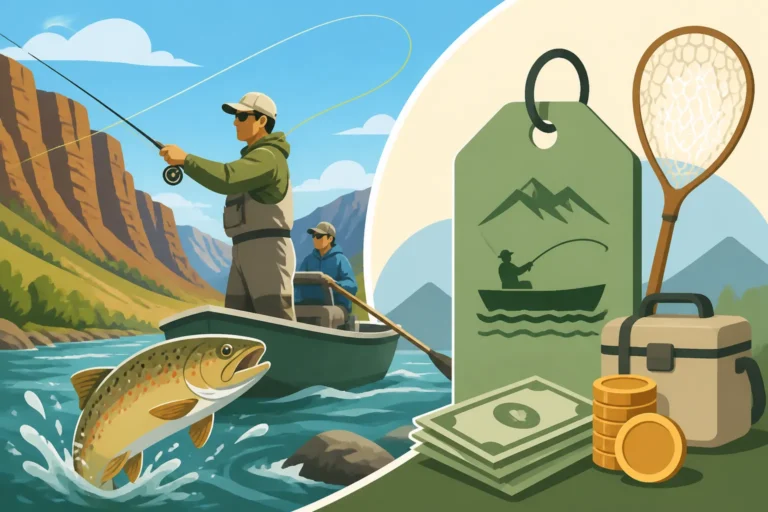
You're dreaming of casting a line into Colorado's pristine waters, perhaps even catching that elusive trout you've always pictured. A guided fishing trip sounds incredible—the expertise, the prime locations, the hassle-free experience. But let's be honest, the first question that pops into most folks' minds is, "What's this going to set me back?" Specifically, what does a half-day guided fishing trip in our beautiful state really cost? This guide is here to unravel those financial mysteries, helping you understand the value and factors involved so you can plan your perfect angling adventure without any sticker shock.
Understanding What's Included in a Half-Day Guided Trip
When you book a half-day guided fishing trip in Colorado, you're not just paying for someone to show you a pretty river. You're investing in an experience curated by a professional, often with a significant amount of gear and local knowledge included. It's a package deal designed to maximize your time on the water, especially if you're visiting or new to a particular area.
Expertise and Local Knowledge
One of the biggest benefits, and thus a key component of the cost, is the guide's extensive knowledge. These folks spend countless hours on the water, understanding the nuances of local hatches, water conditions, and where the fish are holding at any given moment. They know which flies are working, what bait is effective, and the best techniques for various species in that particular stretch of river or lake. Their expertise saves you hours of trial and error, greatly increasing your chances of success and enjoyment. Imagine arriving at a renowned stretch of the South Platte, like the Dream Stream, and having someone immediately point out where the monster browns are lurking. That kind of insight is invaluable.
Gear and Equipment Provided
Often, a significant portion of your guide fee covers the use of quality equipment. This typically includes rods, reels, waders, boots, and a selection of flies, lures, or bait. For many travelers, this is a huge convenience, saving them the headache of packing bulky gear or buying expensive specialized items they might only use once. It also means you're using equipment perfectly suited for the local conditions, rather than guessing. Think about it: showing up to a Gold Medal water like the Fryingpan River without having to worry about what size tippet or specific midge pattern to use is a game-changer. Some guides also provide basic terminal tackle like leaders, tippet, and indicators, though this can vary. It’s always smart to confirm What's Included in a Colorado Guided Fly Fishing Trip when you book.
Instruction and Coaching
For beginners or those looking to refine their skills, a half-day guided trip often includes personalized instruction. Whether it's learning to cast a fly rod, perfecting a nymphing presentation, or understanding how to read the water, your guide is essentially a private coach. They'll patiently walk you through techniques, offering real-time feedback that can dramatically improve your angling abilities. This educational aspect adds considerable value, transforming a simple fishing outing into a genuine learning experience. Many guided trips for kids in Colorado also focus heavily on this instructional element, making it a wonderful way to introduce the next generation to the sport.
Factors Influencing the Price of Your Trip
While the core offerings are fairly consistent, the final price you pay for a half-day guided trip can fluctuate quite a bit. These variations are usually tied to specific elements of the trip, ranging from where you're casting your line to the time of year you decide to go.
Location and Water Type
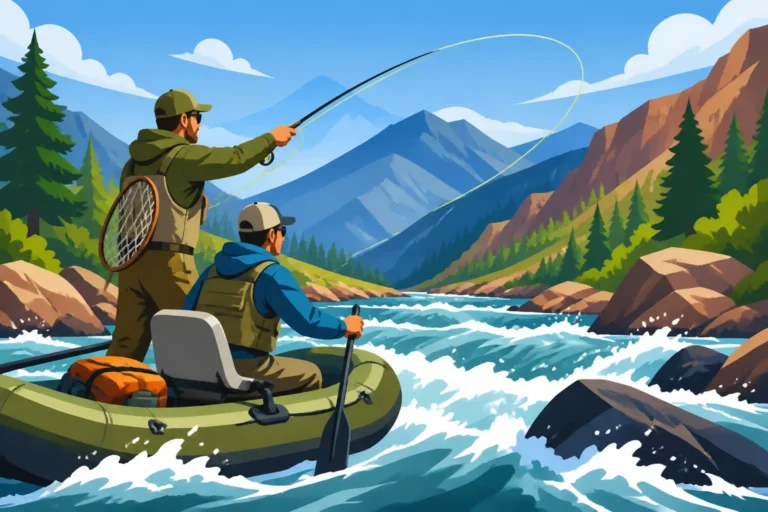
Colorado is blessed with an incredible diversity of fishing environments, and where you choose to fish will play a role in the cost. Popular Gold Medal waters or easily accessible rivers near major population centers like Denver often come with a slightly higher price tag due to demand and operating costs. Remote, private water access or highly sought-after stretches of river might also be pricier. Conversely, trips on lesser-known public lakes or more out-of-the-way streams might be a bit more affordable. Guided Walk-Wade Trips on Colorado Rivers can sometimes differ in cost from trips on larger reservoirs or float trips, depending on the logistics involved.
For example, booking a half-day trip on a renowned fly-fishing destination like the South Platte River near Deckers might be on the higher end due to its fame and the specialized knowledge required to consistently hook into its notoriously selective trout. On the other hand, a half-day spin fishing trip on a larger, more accessible Front Range reservoir focusing on warmwater species might fall into a different price bracket. The complexity of access, the specific species targeted, and the popularity of the location all feed into the guide's pricing structure.
Guide Experience and Reputation
Just like any professional service, a guide's experience, reputation, and demand can influence their rates. Highly sought-after guides with years of local expertise, a proven track record of success, and excellent customer reviews often command higher prices. These are the guides who can consistently put you on fish, adapt to changing conditions, and provide an exceptional all-around experience. Think of it as investing in peace of mind—you know you're in good hands.
A newer guide might offer slightly lower rates as they build their clientele and reputation. This isn't necessarily a bad thing; many up-and-coming guides are incredibly passionate and dedicated. However, an established outfitter with a team of seasoned guides often ensures a consistent level of service and can tap into a deeper pool of collective knowledge about the local fisheries. You might find a significant difference in a solo independent guide versus booking through an established outfitter that's Orvis-Endorsed Fishing Outfitters in Colorado.
Seasonality and Demand
Fishing in Colorado is a year-round affair, but certain seasons see a surge in demand. Peak seasons, like late spring and early fall, when the weather is mild and fishing is typically at its best, tend to have higher prices. During these times, guides are busy, and their calendars fill up quickly. Booking during the shoulder seasons (early spring or late fall) or in the heart of winter for ice fishing might offer slightly more economical options, though the fishing conditions can be more challenging or require specialized techniques.
Consider the spring runoff period, which can When Colorado's Spring Runoff Hits and How to Fish Around It. While it makes many freestone rivers difficult, tailwaters often fish exceptionally well. Guides who specialize in these conditions are still in high demand, but the overall pressure on the guiding industry might shift. If you're flexible with your dates, you might find a better deal or more availability during less popular times.
| Factor | Impact on Half-Day Trip Cost | Explanation |
|---|---|---|
| Location/Water Type | Low to High | Popular Gold Medal rivers or private access often cost more due to demand/exclusivity. |
| Guide Experience | Moderate to High | Highly experienced, reputable guides command higher rates. |
| Season/Demand | Moderate to High | Peak seasons (spring/fall) are more expensive due to demand. Winter/shoulder seasons can be lower. |
| Number of Anglers | Per-Person/Small Group Fee | Often priced per person for 1-2, or a set fee for a small group. |
| Inclusions | Varies | Trips with all gear, flies, and snacks included may be slightly higher up front. |
| Private Water Access | High | Accessing exclusive, private water incurs additional fees. |
Comparing Half-Day vs. Full-Day Costs
The decision between a half-day and a full-day guided trip often comes down to budget, time, and how much fishing you want to pack into a single outing. While a full-day trip obviously costs more overall, the per-hour value can sometimes be better, depending on the outfitter.
Value and Experience
A half-day trip typically lasts around four to five hours. This is a fantastic option for beginners, families with younger children who might have shorter attention spans, or those who simply want a taste of guided fishing without committing to a full day. It's enough time to learn some basics, get into some fish, and enjoy the scenery without feeling exhausted. For example, a half-day on the Blue River tailwater near Silverthorne could give you plenty of time to experience its famous midge hatches and hook some beautiful trout. Guided Trips for Kids in Colorado are almost always half-day options for this reason.
A full-day trip, usually lasting seven to nine hours, allows for more exploration, more diverse fishing techniques, and a more relaxed pace. Guides can often take you to multiple spots, adapt to changing conditions throughout the day, and offer a more comprehensive educational experience. You might also cover more ground, especially on a float trip where you're covering several miles of river. While the total cost is higher, the extended time on the water often provides a deeper, more immersive experience. For serious anglers or those looking for a truly intensive learning session, the extra cost for a full day can be well worth it.
Budgeting Considerations
When you're looking at What a Half-Day Colorado Guided Fishing Trip Costs versus What a Full-Day Colorado Guided Fishing Trip Costs, you'll generally find that the half-day option is significantly less expensive in total. This makes it a more accessible entry point for many anglers. If your budget is tight, or you're simply unsure if a guided trip is for you, a half-day outing is a perfect way to test the waters. It allows you to experience the benefits of a guide's knowledge and equipment without the larger financial commitment.
However, consider what you hope to achieve. If you're traveling a long distance or it's a once-in-a-lifetime trip, extending to a full day might offer more bang for your buck by maximizing your time and opportunities. Some outfitters might also offer slightly better per-hour rates on a full-day trip, though this isn't always the case. Always ask for a breakdown or comparison when inquiring about prices to make the most informed decision for your budget and fishing goals.
Additional Costs to Consider Beyond the Guide Fee
While the guide fee covers the core experience, there are a few other expenses you'll want to budget for to ensure a smooth and enjoyable trip. Overlooking these can lead to unexpected costs down the line.
Fishing License and Habitat Stamp
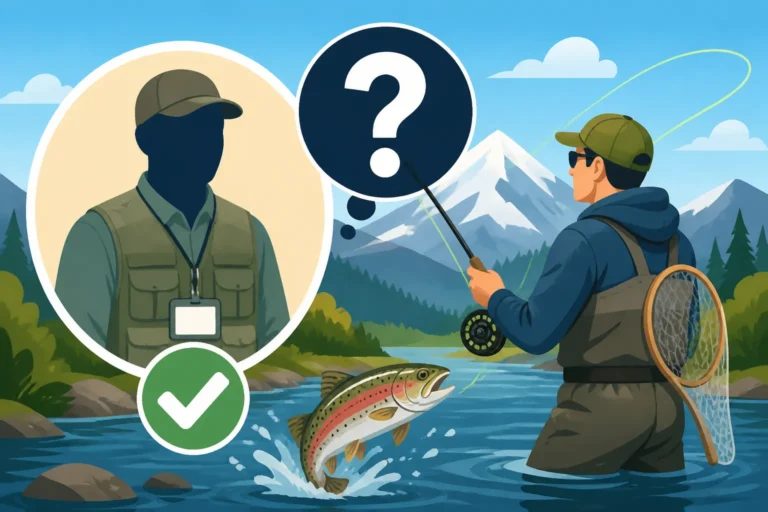
Absolutely critical: you must have a valid Colorado fishing license. Your guide cannot provide this for you, nor can they take you fishing without one. This is a separate purchase from your trip fee. For most residents and nonresidents, this also includes the required Habitat Stamp. You can easily purchase these online through the Colorado Parks and Wildlife (CPW) website before your trip, or at various retailers around the state. The cost varies depending on residency and the duration of the license (annual, one-day, five-day). Don't forget to review the Colorado Fishing License Guide for Residents and Nonresidents and Colorado's Habitat Stamp, Explained to ensure you're compliant. Getting caught without one is a surefire way to ruin your day and incur a fine.
Gratuity for Your Guide
Tipping your guide is standard practice and greatly appreciated, just as you would tip a server or other service professional. This gratuity is usually not included in the upfront guide fee. A common range for tipping is generally a percentage of the trip's total cost, reflecting their hard work, patience, and efforts to make your day successful and enjoyable. Even if the fish aren't biting, a good guide will still work tirelessly to put you in the best position, share knowledge, and ensure a pleasant experience. It's a way to acknowledge their professionalism and the service they've provided. Always check Tipping a Colorado Fishing Guide, What's Standard for more detailed guidance.
Food, Drinks, and Personal Items
While some full-day trips might include a basic lunch, half-day trips typically do not. You'll want to pack your own water, snacks, and any other beverages you might want. Additionally, consider personal items like sunscreen, sunglasses (polarized are a must for spotting fish!), a hat, and appropriate layers of clothing. Colorado weather can change quickly, especially in the mountains, so being prepared is key. While guides often have some essentials on hand, it's always best to come prepared with your own comfort items. A small backpack with these necessities will make your half-day adventure much more pleasant.
Finding the Right Guide and Value for Your Money
Choosing the right guide isn't just about the price; it's about finding the right fit for your fishing goals, experience level, and personality. There are several ways to research and book your Colorado fishing adventure to ensure you get the best value for your investment.
Researching Outfitters and Independent Guides
Start by doing your homework. Look at guide service websites, read reviews on platforms, and ask for recommendations from local fly shops or fellow anglers. Pay attention to what past clients say about the guide's patience, instructional ability, local knowledge, and overall professionalism. An experienced guide who can patiently teach a beginner while still putting them on fish offers immense value, regardless of the exact price.
Consider what kind of experience you're after. Do you want to learn specific fly-fishing techniques, or are you just looking for a fun day catching fish with spin gear? Some guides specialize in certain species or types of water, while others are more generalists. Don't hesitate to call outfitters directly and chat with them. A good guide will be happy to answer your questions and help you determine if a half-day trip with them is the right fit for you. Asking specific questions like What's Included in a Colorado Guided Fly Fishing Trip upfront can help prevent misunderstandings.
Using Online Booking Platforms
Online booking platforms can be a convenient tool for comparing options and prices from various outfitters and independent guides in one place. Websites like FishingBooker allow you to filter by location, trip duration (half-day, full-day), species, and even specific activities like fly fishing or spin fishing. You can easily see what's included, read reviews, and often book directly through the platform. Many anglers find platforms like FishingBooker incredibly helpful for comparing options and seeing what's available for a Half-Day Guided Fishing Trip Costs Near Denver or other popular areas.
While these platforms offer convenience and transparency, it's still a good idea to visit the guide's individual website or call them if you have very specific questions or want to gauge their personality before booking. Sometimes, a direct conversation can provide insights that a booking platform might not capture. However, for a quick overview and comparing several options, FishingBooker and similar sites are certainly a great starting point.
Booking Directly Through Local Fly Shops
Many excellent guides operate directly through local fly shops, especially in smaller towns like Salida, Glenwood Springs, or Basalt. These shops are often the heartbeat of the local fishing community and can offer fantastic, personalized recommendations. The staff usually knows the guides personally and can match you with someone whose expertise and personality align with your needs.
Booking through a local fly shop often means you're supporting a local business and getting insider tips on current conditions. They might also be able to arrange specific gear rentals or provide up-to-the-minute information on hatches and water flows. This personal touch can make a big difference, especially if you're looking for a guide deeply entrenched in the local fishery. It’s always a great idea to check out Where to Buy a Colorado Fishing License in Person at one of these local shops as well!
Maximizing Your Half-Day Guided Trip Experience
A half-day trip might be shorter, but it doesn't mean it's any less impactful. By being prepared and having realistic expectations, you can make the most of every minute on the water with your guide.
Be Prepared and Punctual
Time is precious on a half-day trip. Arrive on time, or even a few minutes early, ready to go. This means having your fishing license, appropriate clothing, snacks, and drinks already packed. Every minute spent getting organized is a minute less fishing. Listen carefully to your guide's instructions and be ready to adapt. The more prepared you are, the smoother the trip will run, and the more actual fishing you'll get to do. Guides appreciate clients who are ready to hit the water, allowing them to focus on putting you on fish rather than managing logistics.
Communicate Your Goals and Expectations
Before your trip, and especially at the beginning of the day, communicate openly with your guide about what you hope to achieve. Are you a beginner hoping to learn basic casting? Are you an experienced angler targeting a specific species or looking to try a new technique? Do you want to catch as many fish as possible, or are you more interested in the scenic beauty and the overall experience?
A good guide will tailor the trip to your goals, but they can only do that if they know what those goals are. Don't be shy about asking questions or letting them know if you need a break. This open dialogue ensures that both you and your guide are on the same page, leading to a more satisfying and personalized experience. Whether you're hoping for How Many Trout You Can Keep Per Day in Colorado or simply to practice your roll cast, let your guide know.
Embrace the Learning Opportunity
Even if you're an experienced angler, a guided trip offers a fantastic opportunity to learn something new. Guides are a wealth of knowledge, not just about fishing, but about the local ecosystem, wildlife, and conservation efforts. Ask questions! Observe how they read the water, how they approach a specific fishing spot, or why they choose a certain fly or lure.
For beginners, every cast, every retrieve, every drift is a chance to improve. Don't be afraid to make mistakes; that's part of the learning process. Your guide is there to help you. By actively engaging and being open to instruction, you'll not only have a more successful fishing day but also leave with enhanced skills that will benefit your future angling adventures.
Disclaimer
This article is for general informational purposes only and does not constitute professional advice. Laws, prices and regulations vary by location and change over time. Consult a qualified professional for guidance on your specific situation.