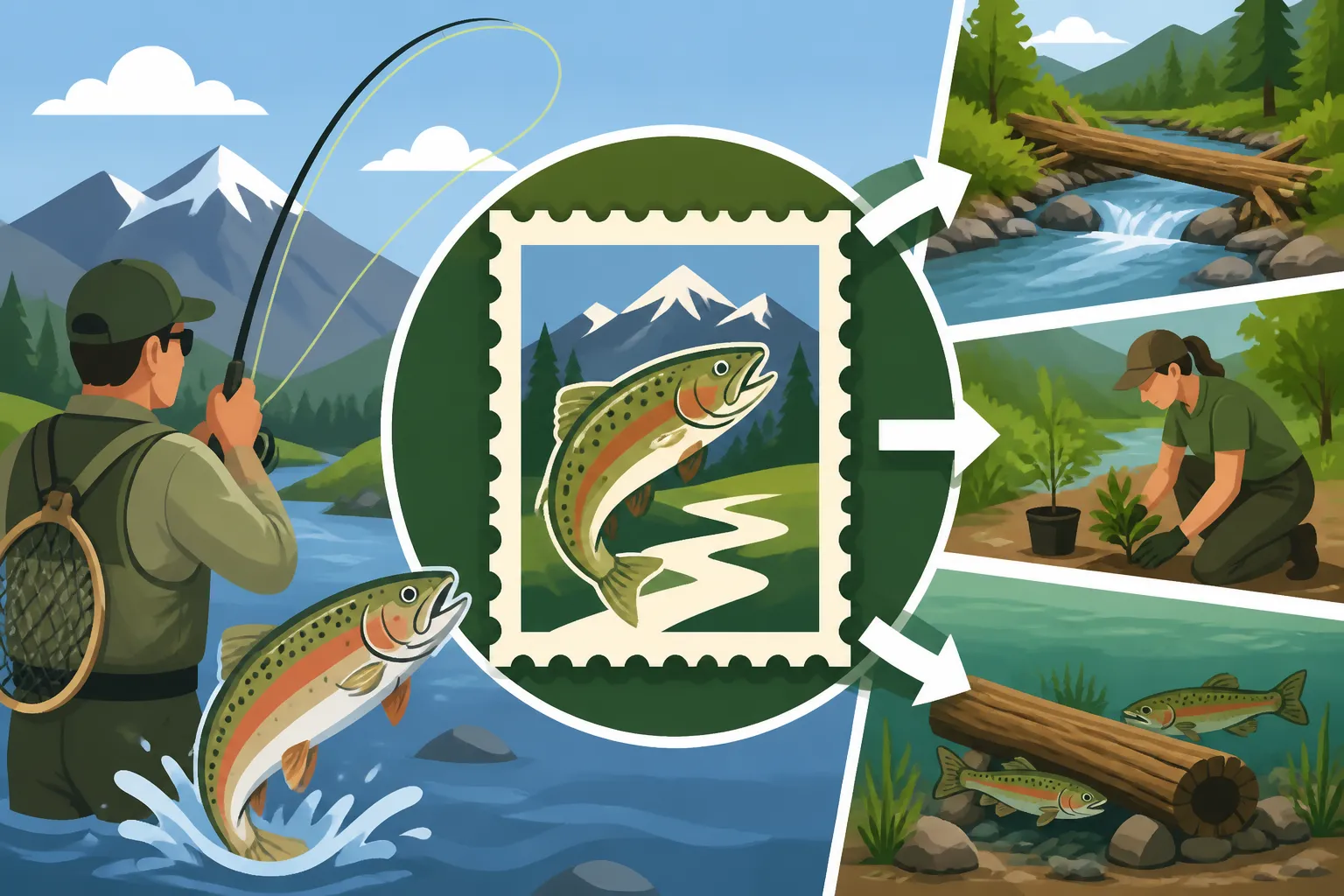
How Colorado’s Habitat Stamp Money Gets Used
Many anglers in Colorado, myself included, have often paused at the checkout, seeing that little line item for the "Habitat Stamp" on top of their fishing license cost. It's a completely valid moment to wonder, "What exactly is this, and where does my money actually go?" It can feel like just another fee in a long list, but the truth is, this specific stamp is a cornerstone of conservation in our state. It directly funds the essential work that keeps our rivers healthy, our wildlife thriving, and ensures we have incredible places to fish and hunt for generations to come. This guide will meticulously pull back the curtain, showing you precisely how your Colorado Habitat Stamp money is put to work.
Unpacking the Colorado Habitat Stamp: What It Is and Why It Matters
When you purchase a fishing or hunting license in Colorado, the Habitat Stamp often comes along for the ride. It’s not just an arbitrary add-on; it’s a critical piece of funding for the long-term health of our state’s natural resources. Understanding its foundational role helps to see past the initial cost and appreciate its significant value.
The Foundation of Conservation Funding
Think of the Habitat Stamp as a direct investment in the very ground, water, and wildlife that make Colorado such an outdoor paradise. Unlike the general license fees, which cover a broader range of Colorado Parks and Wildlife (CPW) operations, the Habitat Stamp revenue is specifically dedicated to habitat protection, enhancement, and conservation efforts across the state. This means every dollar goes towards tangible projects that directly benefit fish, deer, elk, birds, and countless other species. It addresses the ongoing challenge of habitat loss and degradation, which is a constant threat even in a state as wild as Colorado. It’s an acknowledgment that without healthy places for wildlife to live, breed, and migrate, all other management efforts would eventually fail.
Who Needs One and Who Gets a Pass
The requirement for a Habitat Stamp applies to most individuals aged 18 to 64 who purchase an annual fishing or hunting license. It's designed to be a broad base of support from those who directly benefit from Colorado's outdoor resources. However, Colorado Parks and Wildlife also recognizes that not everyone should bear the same burden. If you're planning your next fishing trip, it's worth checking out the details on who needs Colorado's Habitat Stamp to ensure you're compliant.
There are important exemptions to this rule. For instance, youth under 18 years old, as well as seniors aged 65 and older, are not required to purchase a Habitat Stamp. This thoughtful approach ensures that younger generations are encouraged to participate in outdoor activities, while our elder residents, who have often contributed to conservation for decades, receive a well-deserved break. Additionally, individuals holding a qualifying disability license are also exempt. This careful structuring of the requirement ensures that the program is both effective in its funding goals and equitable for the diverse population of outdoor enthusiasts in Colorado. For a comprehensive overview, you might also want to read up on "Who Is Exempt From Colorado's Habitat Stamp".
Investing in the Land: Direct Habitat Improvement Projects
The most direct and visible impact of your Habitat Stamp dollars can be seen in the hands-on projects across the state, actively improving the places where fish and wildlife live. These are the boots-on-the-ground efforts that make a tangible difference.
Revitalizing Rivers, Streams, and Lakes
For anglers, few things are as vital as healthy waterways. A significant portion of Habitat Stamp funds goes directly into aquatic habitat restoration. Imagine a stretch of river where the banks are eroding, washing sediment into the water, and there's nowhere for young fish to hide. Habitat Stamp money helps fund projects to stabilize those banks, often using natural materials like willows or root wads to prevent further erosion and create immediate cover for fish. These efforts often include stream channel reconstruction, where heavy equipment might be used to reshape a uniform, shallow channel into a dynamic system of deep pools, riffles, and runs, which are crucial for a diverse range of aquatic life, from insects to trophy trout.
In-stream habitat features, like strategically placed boulders and woody debris, are also created or enhanced to provide critical holding lies and spawning areas for fish. Furthermore, riparian zone restoration—planting native trees and shrubs along riverbanks—is a huge focus. This vegetation provides shade, which keeps water temperatures cool, and contributes a steady supply of insects, a primary food source for fish. These comprehensive projects, whether in the headwaters of the Fryingpan River or along the renowned Gold Medal Waters of the South Platte, are what ensure thriving fish populations and incredible fishing opportunities. It's often where the real magic happens, literally changing the landscape for the better, making those "secret spots" you found on Amazon maps even more productive.
Enhancing Upland and Wetland Ecosystems
While healthy streams are paramount for fishing, the health of the surrounding terrestrial environment is equally crucial. Habitat Stamp funds extend far beyond just the water's edge, enhancing vast stretches of upland forests, grasslands, and critical wetlands. For instance, controlled burns, implemented by CPW and partners, might seem counterintuitive, but they are vital tools for rejuvenating forests, clearing out overgrown underbrush, and promoting new growth that provides forage for deer, elk, and other wildlife. Similarly, funds are used to combat invasive plant species, like Russian olive or tamarisk, that choke out native vegetation, reducing biodiversity and impacting water resources.
The restoration and creation of wetlands are another key area. Wetlands act as natural filters, improving water quality before it reaches our rivers and lakes. They also provide essential breeding grounds and stopover points for migratory birds and countless other species. These efforts create healthier ecosystems overall, and a healthy watershed, from its highest peaks to its low-lying wetlands, directly contributes to cleaner, more stable water flows and more robust insect populations in our fishing streams. It's a holistic approach, recognizing that everything is interconnected, and the fish ultimately benefit from a thriving landscape all around them.
Ensuring Public Access: Opening Doors to Colorado's Outdoors
One of the ongoing frustrations for many outdoor enthusiasts, particularly in a rapidly growing state like Colorado, is the challenge of finding accessible public land to enjoy. Your Habitat Stamp money is actively working to alleviate this by not only creating new opportunities but also by maintaining the places we already cherish.
Acquiring and Securing New Public Access
It can be incredibly disheartening to drive past miles of pristine-looking river or forest, only to see "Private Property" signs every few hundred feet. The Habitat Stamp plays a pivotal role in countering this by funding the acquisition of public access easements or, in some cases, outright purchasing land. These strategic investments open up new stretches of river for wade fishing, expand hunting grounds, and create new trails for hikers and wildlife viewers. Colorado Parks and Wildlife works diligently to identify key parcels that, when acquired, unlock significant recreational opportunities or connect existing public lands, creating larger, more contiguous habitats.
Imagine a new access point on a river previously hemmed in by private land, suddenly available for everyone to enjoy. This isn't just a dream; it's a direct outcome of Habitat Stamp funding. Programs like CPW’s Public Access Program are specifically designed to leverage these funds, sometimes in partnership with private landowners or conservation organizations, to expand our shared outdoor heritage. This is a long-term investment that acknowledges the increasing demand for outdoor recreation and works proactively to secure these vital spaces for current and future generations.
Maintaining and Improving Existing Access Points
It’s one thing to have access, and another to have good, safe, and sustainable access. Your Habitat Stamp dollars don’t just open new doors; they also ensure that the doors we already have remain functional and welcoming. Funds are regularly allocated to maintain popular spots, whether it's the upkeep of boat ramps at large reservoirs like Chatfield Reservoir, ensuring they are safe and navigable, or repairing fishing piers that have seen years of heavy use.
Beyond infrastructure, these funds also cover the maintenance of countless trails leading to remote fishing spots, new signage to guide visitors, and improved parking areas to accommodate demand. Without these ongoing maintenance efforts, even the most beloved fishing holes and trailheads could fall into disrepair, becoming less usable or even unsafe. So, while you're packing your gear for a weekend trip, perhaps a new fishing rod you ordered from Amazon, remember that the convenient parking lot or the well-maintained trail you're about to use has likely benefited from the collective investment of Habitat Stamp purchasers, making your outdoor experience smoother and more enjoyable.
The Science Behind Conservation: Research and Wildlife Management
Effective conservation isn't just about good intentions; it's built on a foundation of sound science. Habitat Stamp funds are crucial for supporting the research, monitoring, and management efforts that allow Colorado Parks and Wildlife to make informed decisions about our fish and wildlife populations.
Understanding Fish and Wildlife Populations
To manage fish and wildlife effectively, biologists need to know what's out there. Your Habitat Stamp dollars fund critical population surveys that track the health and abundance of various species. This includes annual fish counts in rivers and lakes, assessing spawning success rates, and conducting detailed population estimates for big game like deer and elk. These studies are painstaking, often involving electrofishing surveys in streams or aerial counts of wildlife, providing the data necessary to set responsible bag limits and stocking quotas.
The funds also support advanced research, such as genetic analysis for Colorado's native cutthroat trout subspecies, like the Colorado River Cutthroat Trout or the Rio Grande Cutthroat Trout. This genetic work is vital for understanding their purity, distribution, and guiding recovery efforts to protect these unique native fish. By understanding the intricate details of species' life cycles, habitat needs, and migration patterns, CPW can implement targeted management strategies that lead to more resilient and thriving populations, ensuring that there are always fish to catch and wildlife to observe.
Protecting Against Disease and Other Threats
One of the most pressing challenges in wildlife management today is the threat of disease. Habitat Stamp funds are on the front lines, supporting extensive surveillance and research efforts to monitor and prevent the spread of diseases that can devastate fish and wildlife populations. For instance, Chronic Wasting Disease (CWD) in deer and elk, or whirling disease in trout, require constant vigilance. Biologists conduct regular testing, analyze samples, and research mitigation strategies to contain outbreaks and protect healthy populations.
These funds also go towards managing other threats, such as human-wildlife conflicts that arise from an expanding human population. This can involve funding for wildlife crossings on highways, educational programs to reduce negative interactions, and even specific projects to address issues like nuisance animals. Without the dedicated funding from the Habitat Stamp, many of these crucial protective measures would be severely limited, putting the long-term health and sustainability of Colorado's cherished fish and wildlife resources at significant risk. It’s an investment in preventing future crises, rather than just reacting to them, safeguarding the very resources we cherish.
Transparency and Impact: Your Investment in Colorado's Future
It's natural to want to know that your money is being used wisely, especially when it comes to supporting something you care deeply about, like Colorado's outdoors. Colorado Parks and Wildlife understands this, and robust systems are in place to ensure transparency and accountability for every dollar generated by the Habitat Stamp.
Where Does the Money Go? An Overview of Expenditures
Colorado Parks and Wildlife is mandated by law to utilize Habitat Stamp funds specifically for the "protection, preservation, acquisition, enhancement, and improvement of wildlife habitat." This isn't a vague guideline; it's a strict directive that ensures the money is used as intended. Each year, CPW publishes detailed annual reports outlining how these funds are allocated and where projects are taking place. This information is publicly available, often found directly on the CPW website, allowing interested individuals to see the specific initiatives supported by their contributions.
The types of expenditures typically fall into several key categories, all directly related to habitat work. This table provides a simplified overview, but CPW's annual reports offer granular detail for those who want to dive deeper into specific projects, like a stream restoration along a particular stretch of the Poudre River or a land acquisition in the San Luis Valley. If you're looking for more details on your overall contributions, understanding "Colorado Fishing License Costs Explained" can give you a bigger picture.
| Category of Expenditure | Description | Examples of Projects |
|---|---|---|
| Habitat Acquisition | Purchasing land or conservation easements to secure critical habitat or public access. | New public fishing access points; securing wildlife migration corridors. |
| Habitat Enhancement | Improving existing habitats through active management and restoration. | Stream bank stabilization; forest thinning; invasive species removal. |
| Habitat Protection | Implementing measures to safeguard habitats from degradation or destruction. | Fencing to protect riparian areas; preventing erosion in sensitive zones. |
| Wildlife Management | Research, monitoring, and disease prevention directly related to habitat health and species well-being. | Fish population surveys; CWD testing; genetic studies of native cutthroat. |
| Public Access Development | Creating and maintaining infrastructure for public use of conservation lands. | Trail construction; boat ramp repairs; signage at public access points. |
| Administrative Costs | Necessary operational expenses directly associated with managing and overseeing habitat projects. | Project planning; environmental assessments; staff coordination for projects. |
The Tangible Returns on Your Habitat Stamp
Ultimately, the goal of the Habitat Stamp is to ensure that Colorado remains a premier destination for outdoor enthusiasts. The return on your investment isn't just a healthier environment; it's a more vibrant, accessible, and enjoyable outdoor experience for everyone. When you see flourishing insect hatches on the Arkansas River, or a healthy population of Kokanee Salmon staging for their spawn at Blue Mesa, you're witnessing the direct results of these conservation efforts. When you discover a new public access point on a river you thought was entirely private, you're experiencing the benefits firsthand.
Your Habitat Stamp purchase is more than just a regulatory requirement; it's an active contribution to a legacy of conservation. It's about ensuring that the wild places we cherish today, and the fish and wildlife that depend on them, will be there for future generations. It's a testament to the fact that when anglers and hunters come together, we can collectively make a profound, positive impact on the natural world around us. So, the next time you're gearing up for a trip, maybe looking for a new fishing vest on Amazon, remember that your Habitat Stamp is playing a vital role in protecting the very reasons you love to get out on the water. For more information on what goes into your annual fishing permits, check out "What You're Actually Paying for in a Colorado Fishing License".
Disclaimer
The information provided in this guide is for general informational purposes only and is subject to change. While we strive to keep the information up-to-date and accurate, Colorado Parks and Wildlife regulations can be modified. Always consult the official Colorado Parks and Wildlife website or their current fishing regulations brochure for the most accurate and up-to-date information before engaging in any fishing or hunting activities in Colorado. Compliance with all state regulations is the responsibility of the individual.