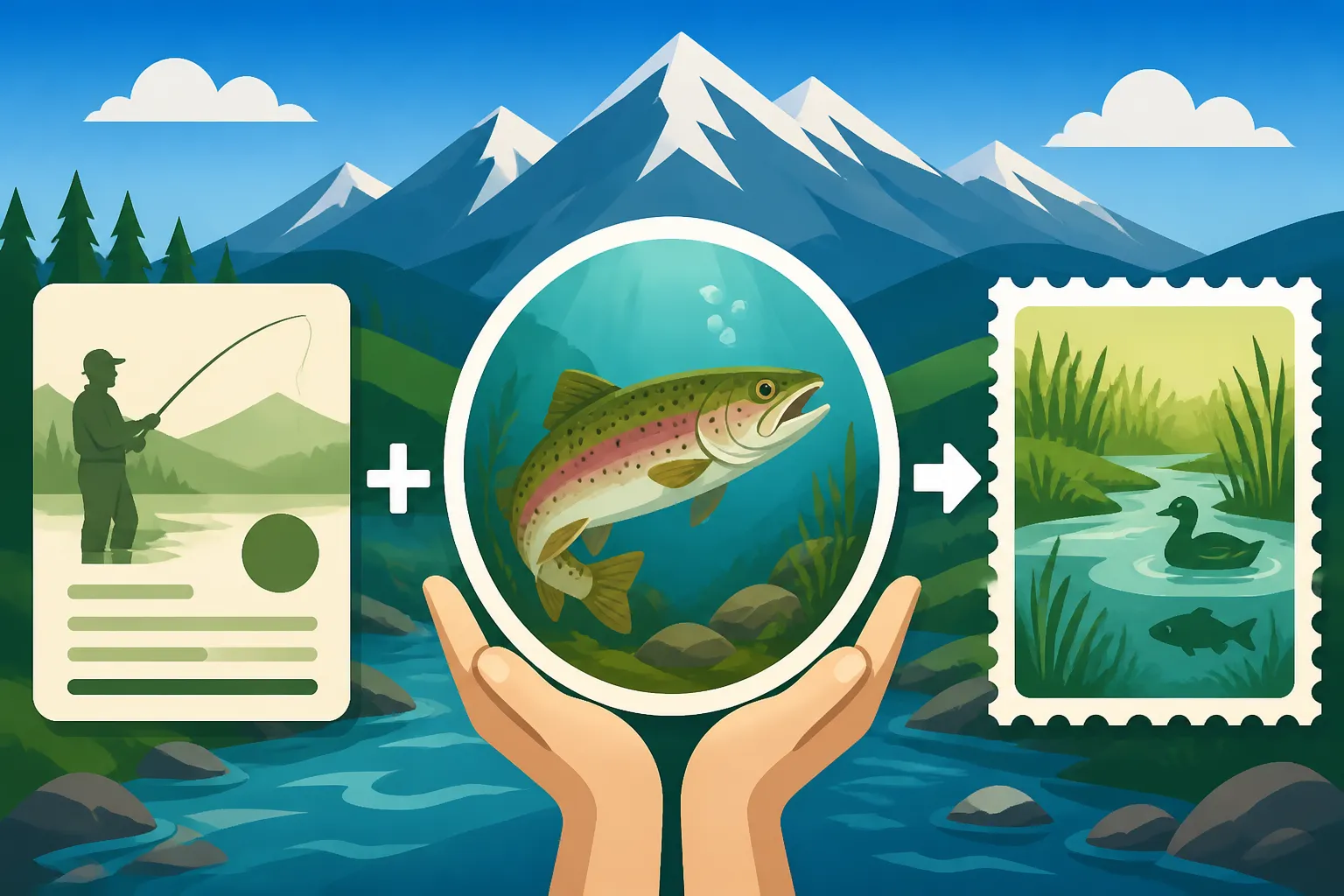
Why Colorado Charges a Habitat Stamp on Top of a License
It's a common moment of confusion for many anglers when they go to buy their Colorado fishing license: you've picked out your annual pass, ready to hit the water, and then you see an additional charge for something called a "Habitat Stamp." You might think, "Don't my license fees already cover wildlife?" It's a valid question, and one that often leaves folks scratching their heads. This guide is here to clear up that very mystery, explaining precisely why Colorado charges a Habitat Stamp on top of a fishing license and where those crucial funds actually go.
Understanding the Colorado Habitat Stamp: More Than Just a Fee
When you’re gearing up for a fishing trip in Colorado, whether you’re heading to the famed Gold Medal Waters of the Arkansas River or a peaceful high-country lake, you expect to buy a fishing license. That's a given. But then there's this extra line item: the Habitat Stamp. It’s easy to feel like it’s just another fee tacked on, another hurdle before you can cast your line. However, the Habitat Stamp is fundamentally different from your fishing license, and understanding its purpose reveals a deep commitment to conserving the very landscapes and waters that make Colorado such an angler's paradise.
What Exactly is the Habitat Stamp?
Think of your fishing license as your permission slip – it grants you the legal right to participate in fishing activities in Colorado. The Habitat Stamp, on the other hand, is a dedicated conservation fund. It's a mandatory purchase for most adult resident and nonresident anglers and hunters in Colorado. Implemented in 2006, this stamp was created specifically to provide a consistent, dedicated source of funding for wildlife and habitat conservation projects across the state. It’s not just a surcharge; it's a direct investment in the future health of Colorado's ecosystems.
This stamp is an annual purchase, but you only need one per year, regardless of how many different hunting or fishing licenses you acquire. So, if you buy a fishing license in March and then decide to pursue a big game hunt in the fall, you won't need to purchase a second Habitat Stamp for that calendar year. This makes it a one-time annual contribution to the vital work of preserving Colorado's natural resources. You can often purchase it at the same time you buy your Colorado Fishing License Guide for Residents and Nonresidents, simplifying the process.
The Critical Role of Habitat Conservation
Why do we need a separate stamp for habitat? Well, healthy fish populations, thriving wildlife, and abundant recreational opportunities all hinge on one critical factor: habitat. Rivers, lakes, forests, and grasslands are the homes for Colorado's diverse species, and these habitats are constantly facing pressures from development, climate change, and increased human activity. Without robust, ongoing efforts to protect, restore, and enhance these areas, the quality of our outdoor experiences, including fishing, would inevitably decline.
Habitat degradation can manifest in many ways: loss of critical spawning grounds for trout, reduction of wetlands essential for waterfowl, fragmentation of migration corridors for big game, or diminished water quality impacting aquatic life. The funds generated by the Habitat Stamp directly address these challenges. They support everything from restoring riparian areas along trout streams to acquiring new tracts of land that provide essential winter range for elk and deer, which, in turn, also benefits countless other species, including the insects that fish feed on. This proactive approach ensures that the wild places we cherish today will continue to support wildlife and outdoor recreation for generations to come.
Where Your Habitat Stamp Money Goes: Investing in Colorado's Outdoors
The Colorado Parks and Wildlife (CPW) agency manages the funds generated by the Habitat Stamp, channeling them into projects that have a tangible impact on the state's natural resources. It's not just money disappearing into a general fund; it's specifically earmarked for conservation and access. Understanding these allocations can help illustrate the stamp's value far beyond its nominal cost. You can learn more about this by checking out How Colorado's Habitat Stamp Money Gets Used.
Funding Land and Water Access
One of the most immediate and appreciated benefits of the Habitat Stamp for anglers is its contribution to securing and enhancing public access to land and water. Colorado is a state with significant private land ownership, which means finding public access points to prime fishing waters can sometimes be a challenge. The Habitat Stamp actively works to mitigate this. Funds are used to purchase new properties, secure conservation easements, or establish long-term leases with private landowners. This ensures that anglers have more opportunities to fish legendary rivers like the South Platte or access remote high-country lakes.
For example, a portion of your Habitat Stamp fee might go towards negotiating public access along a critical stretch of river that was previously privately owned, or it might help fund improvements to existing access sites, like building better boat ramps or creating accessible fishing piers. Imagine trying to find a spot on the Colorado River without dedicated access points – it would be significantly harder. The Habitat Stamp directly increases the number of places where you can legally and responsibly enjoy your passion, enhancing your fishing experiences across the state.
Wildlife Management and Restoration Projects
Beyond access, a substantial portion of Habitat Stamp revenue is dedicated to direct wildlife management and restoration efforts. This includes projects designed to improve the health and resilience of fish populations. For instance, funds might be used to restore natural stream channels, plant native vegetation along riverbanks to reduce erosion and provide shade, or remove invasive species that threaten native fish. For those interested in specific species, these funds are critical for sustaining the Colorado's Trout Species, A Field Guide and other popular game fish.
The CPW also uses these funds for crucial fish stocking programs, ensuring that reservoirs and lakes across the state are regularly replenished with healthy trout, kokanee salmon, and other species. These efforts maintain vibrant fisheries even in highly pressured areas. When you're browsing for fishing gear on Amazon, remember that the health of the fisheries those new lures are destined for is supported by contributions like the Habitat Stamp. It's all part of a larger, integrated strategy to ensure that Colorado's wildlife thrives, creating a better experience for everyone who ventures outdoors.
Protecting Endangered and Threatened Species
The impact of the Habitat Stamp extends beyond popular game species to include the protection of Colorado's most vulnerable wildlife. A significant portion of the funds supports projects aimed at conserving endangered and threatened fish and wildlife species. This work often involves complex, long-term initiatives like habitat restoration, research, and reintroduction programs. While you might be focused on catching a rainbow trout, the Habitat Stamp is also quietly working to ensure the survival of species like the Colorado pikeminnow or the greenback cutthroat trout, which is Colorado's state fish.
These conservation efforts are vital for maintaining the ecological balance of Colorado. A healthy ecosystem, rich in biodiversity, ultimately benefits all species, including those we target for recreation. By supporting the entire web of life, the Habitat Stamp helps create a more resilient and vibrant natural world for everyone. It's a testament to the fact that responsible outdoor recreation goes hand-in-hand with conservation, ensuring that the wild places we enjoy today are protected for future generations.
Who Needs the Habitat Stamp and Who is Exempt?
The rules around the Habitat Stamp can sometimes be a bit confusing, especially for new anglers or those who don't hunt every year. While the general idea is that it's a mandatory purchase for most, there are important exemptions designed to make outdoor recreation accessible to all ages and recognize the contributions of certain groups. Knowing these rules beforehand can save you a headache when you're trying to quickly buy your How to Buy a Colorado Fishing License online or at a local vendor.
General Requirements for Anglers and Hunters
Generally speaking, if you are a resident or nonresident of Colorado between the ages of 18 and 64 and you plan to purchase any annual hunting or fishing license, you will need to buy a Habitat Stamp. This includes both annual and short-term licenses like the Colorado's Annual, One-Day and Five-Day License Options. It's a single annual purchase, valid from April 1st through March 31st of the following year, just like your annual fishing license. So, if you buy your Habitat Stamp in August, it will be valid until the end of March next year, covering any additional licenses you buy within that period.
The cost of the Habitat Stamp is quite reasonable, typically around $12.15 including fees, which, when you consider the vast array of projects it supports, represents incredible value for conservation. This fee is standard whether you're a resident buying a cheaper annual license or a nonresident purchasing a pricier one. So, before you finalize that purchase on CPWShop.com or grab an updated fishing manual from Amazon, make sure you've accounted for the Habitat Stamp if you fall within this age range. For a detailed breakdown of specific requirements, you can always refer to Who Needs Colorado's Habitat Stamp.
Key Exemptions and Special Cases
Not everyone needs to purchase a Habitat Stamp, which is good news for certain groups. Colorado Parks and Wildlife (CPW) has put in place several exemptions:
- Youth (Under 18): Kids who are 17 years old and younger are exempt from purchasing the Habitat Stamp. This aligns with the state's efforts to encourage young people to get outdoors and enjoy fishing and hunting without additional financial barriers. So, if you're taking your child or grandchild out fishing, you won't need to worry about them needing a stamp, though they will still need a fishing license if they are 16 or 17 years old. You can read more about Do Kids Need a Fishing License in Colorado? for specifics.
- Seniors (65 and Older): Anglers and hunters aged 65 and over are also exempt from the Habitat Stamp requirement. This is a common courtesy extended to seniors, recognizing a lifetime of contributions and making it easier for them to continue enjoying Colorado's natural resources in their golden years. This doesn't mean they don't value conservation; it simply removes an additional cost. Find out more about Do Seniors Need a Fishing License in Colorado?.
- Lifetime License Holders and Specific Disability/Veteran Status: Certain individuals who hold a qualifying Lifetime License for residents with disabilities, or veterans who meet specific criteria, are also exempt. These exemptions are a way to honor those who have served or face unique challenges, ensuring they can access the outdoors freely. For detailed information on these specific cases, check out articles like Colorado Fishing Licenses for Seniors and Veterans or Colorado's Lifetime License for Residents With Disabilities.
Even if you are exempt, Colorado Parks and Wildlife offers a voluntary Habitat Stamp purchase option. Many exempt individuals choose to buy one anyway, recognizing the critical importance of these funds for maintaining the quality of Colorado's outdoor experiences. It's a small way for anyone to contribute to the ongoing health of the state's incredible fish and wildlife resources.
How the Habitat Stamp Differs from Your Fishing License
It's common to conflate the Habitat Stamp with the fishing license itself, especially since they're often purchased together. However, understanding the distinct role of each is key to appreciating Colorado's approach to funding its wildlife management and conservation efforts. They work in tandem, but serve very different, albeit equally important, purposes.
The "Permission" vs. "Contribution" Divide
At its most fundamental level, your Colorado fishing license is a permit. It's the official document that grants you the legal right and permission to fish within the state's waters, provided you adhere to all Colorado Fishing Regulations Every Angler Should Know, including bag limits and legal methods. It's like a driver's license for fishing – you can't operate without it. The fees from fishing licenses primarily go towards the operational costs of Colorado Parks and Wildlife, including things like enforcement, administration of licenses, and general management of state parks and wildlife areas. Some of these funds also support fish stocking programs and basic infrastructure.
The Habitat Stamp, by contrast, is a direct, earmarked contribution to conservation. It's not about permission; it's about funding specific, targeted projects that improve the underlying health and accessibility of the very habitats where fishing (and hunting) occurs. The revenue from the Habitat Stamp is legally separated from general license fees, ensuring that it can only be used for its stated purpose: habitat protection, restoration, and public access. This distinction is crucial because it guarantees a dedicated stream of funding for conservation work that might otherwise compete with other operational needs. This means when you’re looking at your fishing vest options on Amazon, you know the waters you plan to fish are being actively protected.
Ensuring Long-Term Sustainability
The existence of the Habitat Stamp highlights a forward-thinking approach to conservation, recognizing that simply regulating fishing isn't enough to ensure its long-term viability. Without dedicated funding for habitat work, many of the places we love to fish would degrade over time. Streams might erode, essential wintering grounds for wildlife could be lost to development, and public access points might disappear. The Habitat Stamp acts as a perpetual investment fund, ensuring that the natural infrastructure supporting fishing and hunting remains robust and continues to improve.
Think about it: a fishing license allows you to fish existing healthy waters. The Habitat Stamp actively works to create more healthy waters and preserve the ones we already have, along with expanding and maintaining access to them. It's the difference between buying a ticket to a game and investing in the stadium itself. Both are necessary, but they serve different, complementary functions. This layered funding model is a critical component of Colorado's successful wildlife management strategy, guaranteeing that future generations will also have the opportunity to experience the incredible outdoor recreation that Colorado offers.
| Category | Fishing License | Habitat Stamp |
|---|---|---|
| Primary Purpose | Grants legal permission to fish | Funds habitat conservation, restoration, and public access |
| Who Needs It (General) | Most individuals 16 years and older | Most individuals aged 18-64 (resident & nonresident) |
| Key Exemptions | Kids under 16 (free fishing) | Kids under 18, seniors 65+, specific disabled/veteran lifetime license holders |
| Cost | Varies by license type, residency, and duration (e.g., annual, 1-day, 5-day) | Standard annual fee (approx. $12.15 including fees) |
| Validity | Specific to license type (e.g., calendar year, 24 hours, 5 consecutive days) | Annual (April 1 – March 31), one stamp covers all licenses for that period |
| Funds Used For | CPW operations, enforcement, general wildlife management, fish stocking | Land acquisition, habitat improvement, stream restoration, public access points |
Disclaimer
The information provided in this guide is for general informational purposes only and is subject to change. While we strive to keep our content accurate and up-to-date, Colorado Parks and Wildlife (CPW) regulations can be complex and are regularly updated. Always consult the official Colorado Parks and Wildlife website or the most current Colorado Fishing Regulations brochure for the definitive and most recent information before engaging in any fishing activities.