Fishing the Rio Grande Near South Fork
There's nothing quite like the dream of a high-country Colorado fishing trip, but the reality of planning it can be overwhelming, especially when you're eyeing a legendary river like the Rio Grande. Anglers often struggle to pinpoint the best spots, understand the unique river dynamics, and choose the right techniques to truly connect with those wary trout. This comprehensive guide is here to unravel those complexities, providing you with all the insider knowledge you need to confidently fish the Rio Grande near South Fork, ensuring a rewarding and memorable experience.
The Mighty Rio Grande: A Gem of the San Juan Mountains
The Rio Grande, one of North America's most iconic rivers, begins its journey high in the San Juan Mountains of Colorado before flowing thousands of miles south. Near South Fork, it transforms into a quintessential Rocky Mountain trout stream, offering diverse fishing opportunities from challenging technical stretches to more accessible riffles and pools. This area is celebrated not just for its stunning scenery but for its robust fish populations and the unique characteristics that make it a truly special angling destination.
Geography and Access Points
The town of South Fork itself sits at the confluence of the Rio Grande and the South Fork of the Rio Grande, acting as a gateway to some incredible fishing. Upstream from town, the river winds through beautiful ranchlands and public lands, characterized by a mix of deep pools, braided channels, and productive riffles. Downstream, the character changes somewhat, with sections offering different challenges and rewards.
Public access along the Rio Grande near South Fork is generally good, thanks to a thoughtful mix of Bureau of Land Management (BLM) and National Forest lands. You'll find numerous pull-offs and designated fishing access points, particularly along Highway 149. Some popular spots include areas near the Coller State Wildlife Area and various BLM parcels that offer wade access. While some stretches are bordered by private land, Colorado's stream access laws typically allow for fishing and wading in the streambed below the high water mark, even where land is private. However, it’s always best to be respectful of landowners and double-check signage. Remember to consult an updated Colorado fishing atlas, which is an invaluable tool for pinpointing exact public access points and understanding land designations.
Understanding River Flows and Their Impact
The Rio Grande, like most mountain rivers, is heavily influenced by snowmelt and seasonal precipitation. Understanding these flow dynamics is critical to successful fishing. In spring, typically from late May through early July, the river experiences its annual "runoff" period. During this time, high, swift, and often murky water makes fishing challenging, though not impossible, for those who know how to adapt. After runoff subsides, usually by mid-July, the river drops and clears, entering its prime summer phase.
During late summer and fall, flows stabilize, often becoming quite low and clear. This demands a more stealthy approach and lighter tippets. Winter sees the river settle into its lowest flows, and while some sections may ice over, tailwater stretches below dams (though not directly below South Fork) or open water in town can still offer good opportunities. Always check the U.S. Geological Survey (USGS) streamflow gauges for the Rio Grande, especially the one near South Fork, before heading out. This real-time data will give you a clear picture of what to expect and help you plan your tactics accordingly. High flows might mean targeting slower edges and eddies with heavier nymphs, while low, clear water will call for delicate presentations and smaller flies.
Colorado's Esteemed Trout Species in the Rio Grande
The Rio Grande near South Fork is a fantastic coldwater fishery, primarily home to three magnificent trout species: brown trout, rainbow trout, and the prized Rio Grande cutthroat trout. Each species offers a unique angling experience, and knowing their habits and preferred lies will significantly boost your success.
Brown Trout: The Wily Residents
Brown trout are the undisputed kings of the Rio Grande's wild stretches. These fish are known for their beautiful coloration, aggressive takes, and notoriously cautious nature. They thrive in the river's varied structure, often holding in deeper pools, under cut banks, and near large rocks or submerged logs. They are ambush predators, especially the larger specimens, and will readily feed on insects, baitfish, and even small rodents if the opportunity arises.
You'll find brown trout throughout the Rio Grande system near South Fork, often ranging from 12 to 20 inches, with larger individuals pushing past 24 inches. Fall is an exceptional time to target them, as they become particularly aggressive during their spawning season. During this period, they'll often chase larger streamers and articulated flies, making for thrilling battles. Throughout the rest of the year, nymphing deep runs and presenting dry flies during hatches are highly effective methods. They can be incredibly selective, so don't be afraid to experiment with your fly patterns and sizes if you're not getting bites.
Rainbow Trout: Bright and Feisty
Rainbow trout are another staple of the Rio Grande, adding to the diversity and excitement of the fishery. While many rivers rely on stocking programs for rainbows, the Rio Grande also boasts strong populations of wild and wild-reproducing rainbow trout, especially in its healthier stretches. They prefer oxygen-rich, faster-moving water like riffles and the heads of pools, often feeding actively on drifting insects.
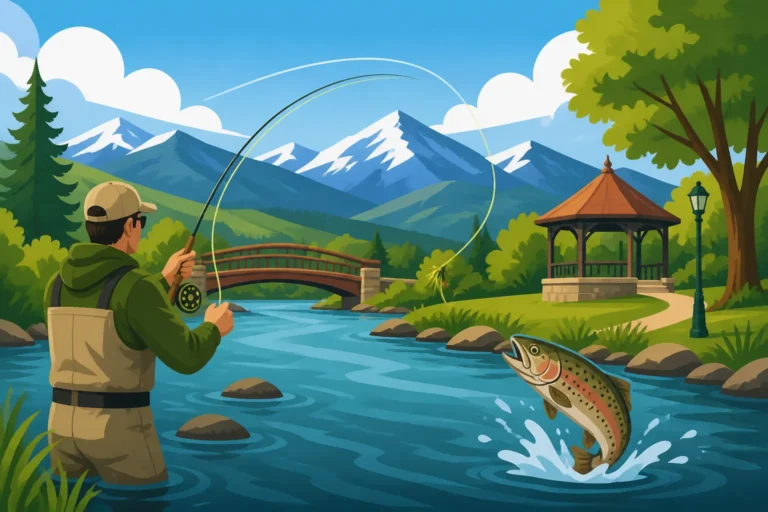
Rainbows are renowned for their acrobatic fights once hooked, often jumping clear of the water. They are generally less wary than brown trout, making them a good target for anglers of all skill levels. Sizes typically range from 10 to 18 inches, with occasional larger fish. They respond well to a wide variety of techniques, from dry flies during prolific hatches to nymphs drifted through current seams. In early spring, during their spawning season, they can be particularly active, but remember to respect their spawning redds and avoid disturbing them. If you're looking for a good fight and consistent action, rainbow trout won't disappoint on the Rio Grande.
Rio Grande Cutthroat Trout: A Native Treasure
The Rio Grande is special because it’s one of the few places where you can encounter the native Rio Grande cutthroat trout. These beautiful fish, identifiable by their distinct orange-red "cutthroat" markings under their jaw, are a testament to Colorado's conservation efforts. While pure strains are often found in smaller, higher-elevation tributaries, some sections of the main stem Rio Grande and its feeder streams are part of ongoing recovery efforts. These fish are typically smaller than the non-native browns and rainbows, usually in the 8- to 14-inch range, but their vibrant colors and historical significance make them a truly cherished catch.
Targeting Rio Grande cutthroat often means seeking out these specific recovery waters, sometimes requiring a bit more hiking into pristine backcountry. They are less tolerant of warmer water and habitat degradation, so finding them means finding healthy, pristine environments. Fly selection for cutthroat tends to favor smaller, attractor patterns, and a delicate presentation is usually key. Anglers targeting these native fish should always practice strict catch-and-release to help preserve their populations. Learning how to identify Colorado's Native Cutthroat Trout Subspecies is crucial for appreciating this unique species and participating in its conservation.
Timing Your Trip: Seasons and Conditions
Knowing when to visit the Rio Grande near South Fork can dramatically influence your fishing success. Each season presents unique opportunities and challenges, from the high waters of spring to the delicate presentations required in winter.
Spring Challenges and Opportunities
Spring on the Rio Grande is a season of transition. March and April can offer some excellent pre-runoff fishing, especially on warmer days. The water temperatures begin to rise, and trout become more active, feeding on emerging midges and early stoneflies. This can be a great time for nymphing, particularly with heavier rigs to get down to the fish. As late spring approaches, typically late May into June, the snowmelt begins in earnest, leading to spring runoff.
During runoff, the river swells, becomes murky, and flows at high velocities, making typical fly fishing difficult. However, this doesn't mean fishing is impossible. Anglers who focus on the edges, slower eddies, and backchannels where fish can find refuge from the main current can still find success. Larger, darker nymph patterns, heavy streamers, and even bait can be effective in these conditions. It's a time for patience and adaptability, but those willing to brave the high water can be rewarded with some surprisingly large fish that move into the slower water to feed. You can learn more about When Colorado's Spring Runoff Hits and How to Fish Around It to prepare.
Summer's Bounty: Dry Flies and Hatches
By mid-July, the runoff usually subsides, and the Rio Grande enters its glorious summer phase. This is arguably the most popular time to fish, and for good reason. Water levels drop, clarity improves, and a myriad of insect hatches bring trout to the surface for thrilling dry fly action. Early mornings and late evenings are prime times for major hatches, with caddis, various mayflies (like Pale Morning Duns and Green Drakes), and stoneflies providing consistent feeding opportunities.
During the heat of the day, when surface activity might slow, nymphing remains highly effective. Terrestrial patterns like hoppers, ants, and beetles become incredibly important from mid-summer through early fall, especially along grassy banks. The key to summer fishing is often matching the hatch – observing what insects are present and choosing your flies accordingly. Summer also offers the chance to explore smaller tributaries for native cutthroat trout, often requiring a bit of hiking to reach pristine, less-pressured waters.
Fall's Colors and Trophy Browns
As the air cools and the aspen leaves turn to gold, the Rio Grande transforms into a fall fishing paradise. This season is often considered the prime time for targeting trophy brown trout, which become incredibly active and aggressive as they prepare for and engage in their spawning rituals. While respecting their redds is paramount, these fish are often willing to chase larger streamer patterns, making for unforgettable battles.
Beyond the browns, rainbow and cutthroat trout also feed heavily in anticipation of winter, making for excellent nymphing and dry fly opportunities on warmer days. Midges and Blue-Winged Olives are common hatches in the fall. The lower angling pressure compared to summer, combined with stunning scenery and active fish, makes fall a truly magical time to be on the Rio Grande. Remember that the weather can be fickle, with warm days quickly turning to cold, snowy conditions, so layering your clothing is a must. Knowing when the Brown Trout Spawning Season in Colorado occurs can give you an edge, but always prioritize the fish's well-being.
Winter's Quiet Solitude
Winter on the Rio Grande offers a serene, often solitary fishing experience for those willing to brave the cold. While many sections may freeze over, some areas, particularly closer to town or where springs keep water open, will remain fishable. Water levels are typically at their lowest and clearest, demanding stealth and precise presentations.
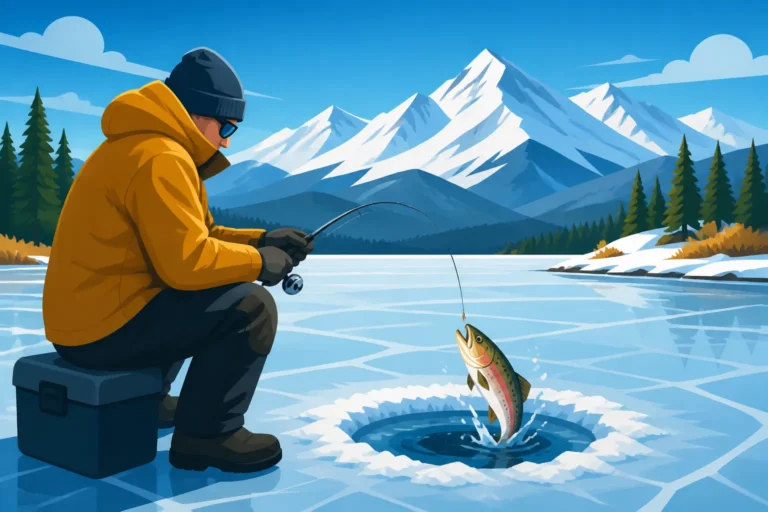
Midges are the primary food source for trout in winter, making tiny nymph patterns and midge emergers essential. Slow, deep pools and runs are where trout will hold, conserving energy. A slower retrieve and careful observation are key. This is not a numbers game, but rather an opportunity to connect with fewer, often larger, fish in a peaceful, snow-covered landscape. Ice fishing isn't typically the focus directly on the Rio Grande, but nearby reservoirs can offer prime ice fishing experiences.
Essential Techniques and Gear for the Rio Grande
Whether you're a seasoned fly angler or prefer the simplicity of spin fishing, the Rio Grande near South Fork offers opportunities for both. However, understanding the most effective techniques and having the right gear can make all the difference.
Fly Fishing: Nymphing, Dry Flies, and Streamers
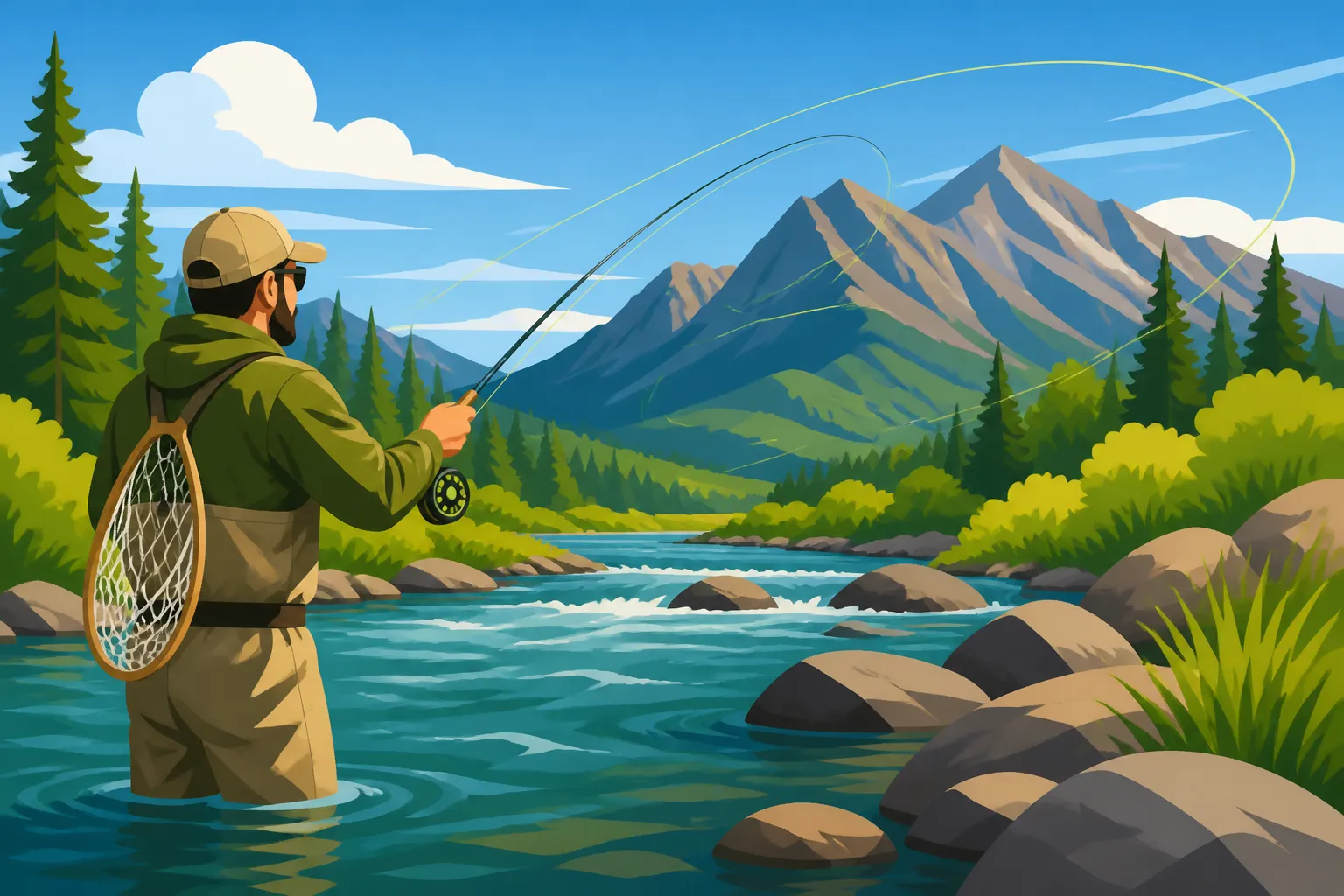
Fly fishing is by far the most popular method on the Rio Grande, and for good reason – it's incredibly effective for targeting trout in this environment.
Nymphing Strategies for Deeper Runs
Nymphing is arguably the most productive technique on the Rio Grande throughout most of the year. Trout spend the vast majority of their time feeding subsurface on immature insects, and nymphs effectively imitate these food sources. A standard nymph rig involves an indicator, split shot (or weighted flies), and one or two nymph patterns. The key is to get your flies down to the fish's feeding zone, which often means adding enough weight to tick the bottom without constantly snagging. Common nymph patterns include stonefly imitations (Pat's Rubber Legs, 20 Incher Stone), caddis larvae (Hare's Ear, Pheasant Tail), and various mayfly nymphs (Barr's Emerger, Copper John). In winter, tiny midge patterns (Zebra Midge, Griffith's Gnat) become indispensable. Knowing how to set up a Nymph Rigs for Deep Tailwater Runs can be very beneficial.
Dry Fly Tactics for Surface Feeders
When trout are actively feeding on the surface, there's nothing more exhilarating than a dry fly take. Hatches on the Rio Grande can be prolific, especially in summer. Keep an eye out for rising fish and emerging insects. Your presentation needs to be delicate and accurate, aiming for a drag-free float over the fish. Popular dry fly patterns include various caddis (Elk Hair Caddis), mayflies (Parachute Adams, BWO, Green Drake patterns), and terrestrial imitations (Chubby Chernobyl, Stimulator, Amy's Ant). A well-placed dry fly can bring even the wariest trout to the surface. Being prepared to match the specific insect hatch you encounter is critical for success.
Streamer Fishing for Aggressive Trout
Streamer fishing is a powerful technique for enticing larger, more aggressive brown trout, especially during the fall spawning season or after a significant rain event when water is slightly off-color. Streamers imitate baitfish, leeches, or other large food sources. Casting streamers across or downstream and then stripping them back with an erratic motion can trigger an aggressive predatory response. Popular streamer patterns include Woolly Buggers (in various colors), Sculpzillas, and Articulated Streamers. A faster action rod and a sinking line or sink-tip leader can help get your streamer into the strike zone. This method isn't always about numbers, but it often accounts for the biggest fish of the day.
Spin Fishing: Lures and Bait
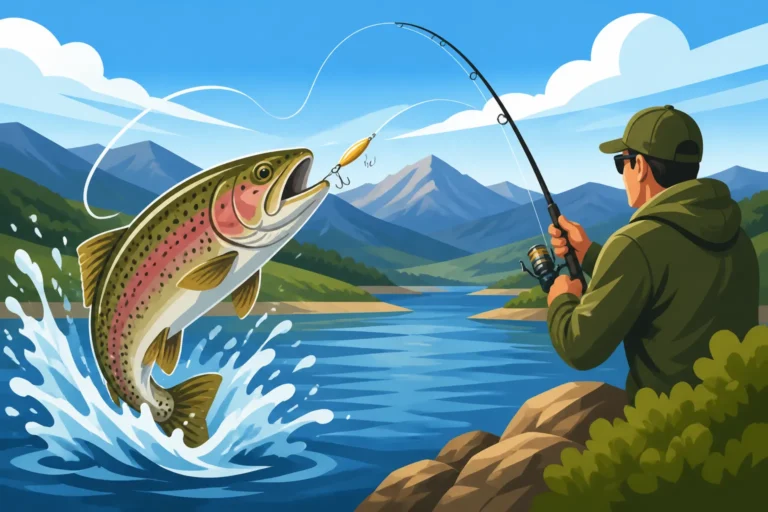
While fly fishing dominates the scene, spin fishing can also be incredibly effective on the Rio Grande, particularly for those just starting out or preferring a different approach. A light to medium-light spinning rod (6-7 feet) with 4-6 lb test line is generally ideal.
Effective Lures for Trout
Small spinnerbaits like Rooster Tails or Mepps Aglias in sizes #0 to #2 are consistent producers. Vary your retrieve speed and depth until you find what the fish prefer. Small spoons, such as Kastmasters or Little Cleos, can also be effective, particularly in deeper pools where they can be jigged or retrieved slowly. Soft plastics, like small grubs or trout worms rigged on a light jig head, can mimic a variety of natural foods and are often deadly when bounced along the bottom in slower currents. Always check local regulations, as some areas may have lure restrictions, such as requiring single, barbless hooks.
Natural Bait Options
In areas where bait fishing is permitted (always check the current Colorado Fishing Regulations Every Angler Should Know), traditional baits can be highly successful. Worms (nightcrawlers, red wigglers) are universal trout attractants, often fished under a bobber in slower water or drifted along the bottom with minimal weight. PowerBait or similar scented dough baits are also popular, especially for recently stocked rainbow trout. Live minnows, where legal, can be very effective for larger predatory trout, though restrictions on their use are common to prevent the spread of disease or invasive species. Always be mindful of ethical angling practices when using bait, and avoid leaving any litter behind.
| Season | Primary Technique | Recommended Flies/Lures | Target Species | Notes |
|---|---|---|---|---|
| Spring | Nymphing | Pat's Rubber Legs, Barr's Emerger, San Juan Worm, heavy streamers | Brown, Rainbow | High flows, target slow water; pre-runoff offers good nymphing |
| Summer | Dry Fly, Nymphing | Elk Hair Caddis, Parachute Adams, PMDs, Hoppers, Pheasant Tail | Brown, Rainbow, Cutthroat | Best dry fly action; terrestrials mid-day; check high-country streams |
| Fall | Streamers, Nymphing | Woolly Bugger, Sculpzilla, San Juan Worm, BWO nymphs | Brown (trophy), Rainbow | Brown trout spawning season; stunning scenery; cooler temps |
| Winter | Nymphing | Zebra Midge, Griffith's Gnat, tiny Baetis nymphs, egg patterns | Brown, Rainbow | Low, clear water; delicate presentations; focus on deep pools |
Regulations and Conservation on the Rio Grande
Fishing the Rio Grande near South Fork is an incredible experience, but it comes with the responsibility of understanding and adhering to local regulations. Colorado Parks and Wildlife (CPW) implements specific rules to protect and enhance the fishery, especially for its precious native populations.
Understanding Colorado Fishing License Requirements
Before you even think about casting a line, you need a valid Colorado fishing license. This is non-negotiable for anyone aged 16 or older. Licenses can be purchased online through CPWShop.com, by phone, or in person at various license agents, including most sporting goods stores and some local businesses in South Fork. Options range from annual licenses to shorter-term one-day or five-day licenses, perfect for visitors. Don't forget that most anglers between 18 and 64 years old will also need to purchase a Habitat Stamp in addition to their fishing license, which contributes vital funds to wildlife conservation efforts. You can find detailed information in our Colorado Fishing License Guide for Residents and Nonresidents.
Showing your Colorado Fishing License in the Field is also important, as game wardens can and will check. It’s always best to have either a physical copy or a digital one accessible on your smartphone. Violations can lead to fines and even loss of fishing privileges, so it's simply not worth the risk.
Specific Rules for Gold Medal Waters and Native Trout
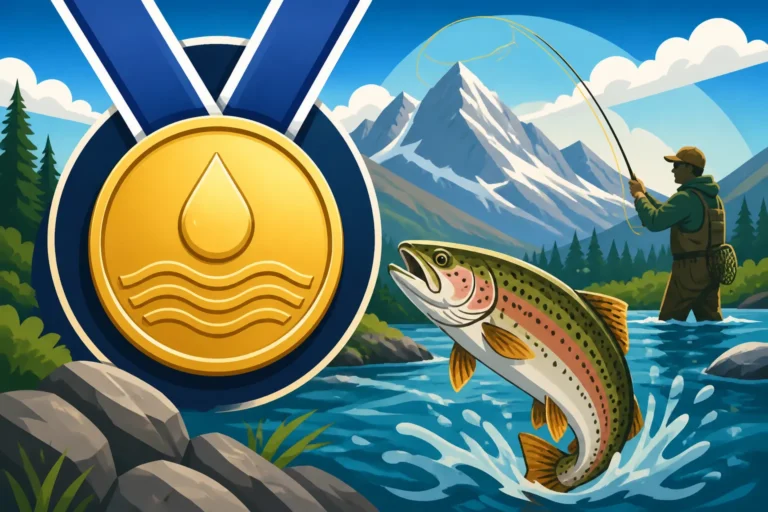
A significant portion of the Rio Grande near South Fork, specifically from the base of Rio Grande Reservoir downstream to the west side of the town of South Fork, has been designated as Gold Medal Water. This prestigious designation signifies that the river consistently supports a high-quality coldwater fishery capable of producing trophy-sized trout at a rate of 60 pounds per acre and at least 12 quality trout (14 inches or longer) per acre.
These Gold Medal stretches often come with special regulations to protect their exceptional fish populations. While specific rules can vary year to year, common regulations include:
- Catch-and-Release Only: Many Gold Medal stretches require all trout to be immediately returned to the water.
- Artificial Flies and Lures Only: This means no bait.
- Barbless Hooks: Often, only flies and lures with a single, barbless hook are permitted.
These rules are designed to minimize harm to the fish and ensure the longevity of the fishery. Always check the most current Colorado Fishing Regulations Every Angler Should Know brochure (available online or at license agents) before fishing any Gold Medal section. Pay particular attention to the "General Regulations" and "Special Regulations by Water" sections. Understanding Colorado Gold Medal Water Regulations Explained will significantly enhance your experience and ensure compliance. When targeting native fish like the Rio Grande Cutthroat Trout in the San Luis Valley, conservation is even more critical. Always handle fish gently with wet hands, minimize their time out of water, and release them carefully.
Planning Your Rio Grande Adventure Near South Fork
A successful fishing trip to the Rio Grande involves more than just knowing where and how to cast. Thoughtful planning, from accommodations to local services, can elevate your entire experience.
Local Amenities and Services in South Fork
The town of South Fork, though small, is perfectly situated to serve as your basecamp for fishing the Rio Grande. You'll find a range of services designed to make your trip comfortable and convenient.
Lodging and Dining Options
South Fork offers a variety of lodging options, from cozy cabins and vacation rentals to motels and RV parks. Many accommodations cater specifically to anglers, offering early breakfast options or freezer space for successful catches (where permitted). For example, the Sportsman's Lodge & Restaurant is a local favorite that embodies the rustic charm of a fishing retreat. When it comes to dining, you'll find casual eateries serving up hearty American fare, perfect for refueling after a long day on the river. Options typically include classic diners, pizza joints, and sometimes a brewpub. Don't expect haute cuisine, but you'll get satisfying, angler-friendly meals.
Fly Shops and Gear Rentals
A visit to a local fly shop in South Fork is highly recommended, even if you think you have all your gear sorted. Local guides and staff have up-to-the-minute information on river conditions, recent hatches, and effective fly patterns. Shops like Rio Grande Angler in South Fork are not just places to buy flies; they are community hubs where you can get invaluable advice, pick up a current fishing report, or even arrange a guided trip. Many shops also offer gear rentals, including waders, boots, and fly rods, which is a great option if you're flying in or just starting. They can also help you understand "Best Time of Year for the Rio Grande in the San Luis Valley" for your specific goals.
Considering a Guided Fishing Trip
For many, especially those new to the area or fly fishing, hiring a guide can be the difference between a frustrating outing and a truly memorable one. Guides offer local expertise that's hard to replicate on your own.
Benefits of Hiring a Local Guide
A local guide knows the Rio Grande intimately—which stretches are fishing best, what flies are working, how to approach challenging water, and where to find specific species. They can also provide instruction on casting, rigging, and reading the water, significantly steepening your learning curve. Beyond the fishing, a good guide can share fascinating insights into the local ecology and history, enriching your overall experience. If you’re considering this option, check out our guide on Hiring a Fishing Guide in Colorado, What to Expect.
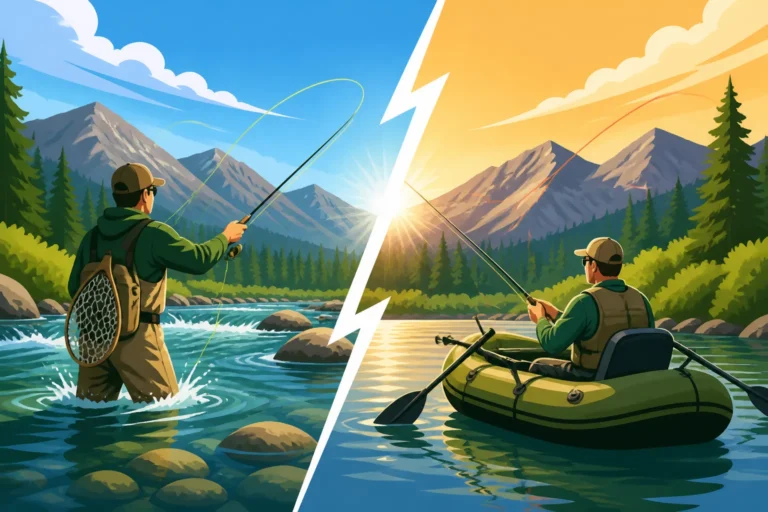
Many guides operate through local fly shops or independent guiding services. You can often find reputable guides through online platforms like FishingBooker, which lists a variety of experienced captains and guides in the area. These platforms allow you to compare services, read reviews, and book directly, simplifying the planning process. Whether you're interested in a full-day float trip or a walk-wade excursion, a guided trip can unlock the river's secrets. For those specifically looking to explore this specific area, consider booking a Guided Trips on the Rio Grande Near South Fork
Respecting the Environment and Fellow Anglers
The beauty and productivity of the Rio Grande depend on responsible use by all who visit. Practice Leave No Trace principles: pack out everything you pack in, and leave the riverbank cleaner than you found it. Avoid littering, including discarded fishing line and broken leaders.
Be mindful of other anglers. Maintain a respectful distance upstream and downstream, and avoid wading through runs where others are actively fishing. Politeness and good etiquette go a long way in ensuring everyone enjoys their time on the water. When handling fish, especially in catch-and-release areas, minimize stress by keeping them in the water as much as possible, using wet hands, and reviving them gently before release. Your actions contribute directly to the health of this incredible fishery for generations to come.
Disclaimer
The information provided in this guide is for general informational purposes only and is subject to change. Always consult the official Colorado Parks and Wildlife regulations prior to any fishing activity to ensure compliance with the most current rules and licensing requirements. Fishing conditions can vary, and personal safety should always be your top priority.