Why the Blue River Fishes Best Right After Dam Releases
For anglers heading to the Blue River in Colorado, few things can be as frustrating as showing up to low, slow water and lethargic fish. It feels like you're constantly guessing the best time to go. However, a key secret to unlocking some of the most consistent and productive fishing on this incredible tailwater lies in understanding and timing your trip around dam releases from Dillon Reservoir, which often signal prime conditions.
Understanding Dam Releases and Their Impact on the Blue River
The Blue River, particularly the stretch below Dillon Reservoir near Silverthorne, is a classic tailwater fishery. This means its flows are largely controlled by the dam, rather than purely by natural snowmelt or rainfall. While this might sound like it takes away from the "wild" river experience, it actually creates unique and predictable fishing opportunities, especially when Colorado Parks and Wildlife (CPW) decides to increase flows.
The Mechanics of Dillon Reservoir Releases
Dillon Reservoir, managed by Denver Water, is a crucial component of Denver's water supply system. Its primary purposes include water storage, flood control, and maintaining downstream ecosystems. Releases from the dam are typically dictated by several factors: the amount of snowpack melting into the reservoir, current reservoir levels, downstream water rights, and hydroelectric power generation needs. These releases can occur at various times throughout the year, but they are often most significant during late spring and early summer as runoff peaks, or in late summer and fall to meet irrigation demands or manage reservoir capacity before winter.
When Denver Water decides to increase the outflow, it's not usually a sudden, massive torrent like a flash flood. Instead, it’s a controlled release, often increasing gradually over hours or days, maintaining a more stable, albeit higher, flow for an extended period. This consistency is vital for the river and the fish. The water released from the bottom of Dillon Reservoir is also typically very cold and stable in temperature, which is a major benefit for trout, especially during warmer months when other rivers might be stressed. Keeping an eye on the Denver Water website or the U.S. Geological Survey (USGS) streamflow gauges is paramount for knowing when these releases are happening.
Immediate Effects on Water Levels and Clarity
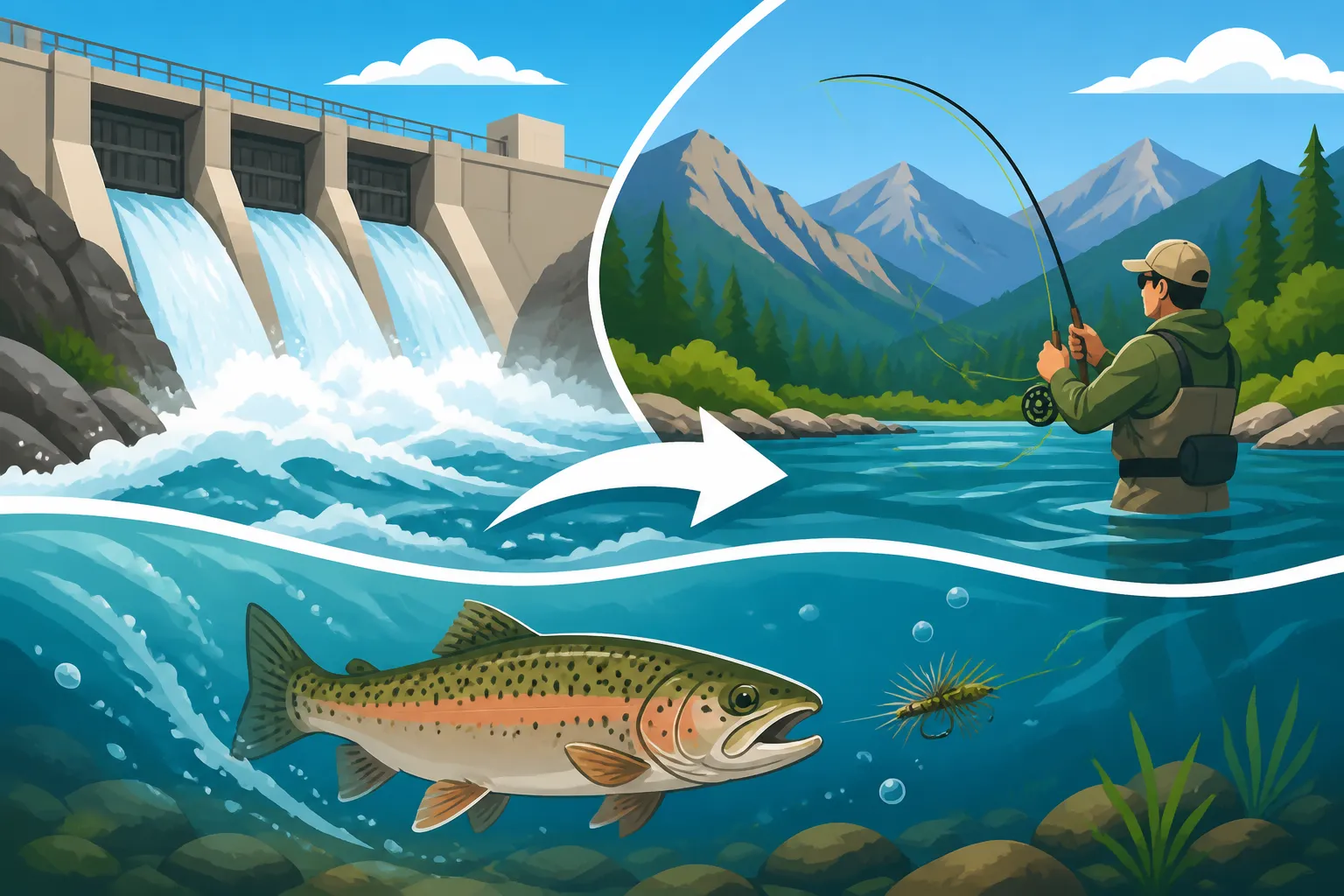
When the dam gates open and the flow increases, the Blue River below the dam responds almost immediately. The water level rises, and the current speeds up. You might initially see a slight cloudiness as the riverbed stirs, but because the water comes from the bottom of a deep reservoir, it’s generally very clear. Unlike freestone rivers that become muddy with runoff, tailwaters like the Blue typically maintain excellent clarity even with increased flows, which is a huge advantage for anglers. This surge of cold, clear water fundamentally changes the river's character, transforming previously shallow runs into deeper, faster-moving habitat.
These changes force trout to react. They'll relocate, seeking out new holding lies that offer refuge from the stronger current while still providing easy access to food. What was once a slow, gentle riffle might become a powerful run, dislodging food sources and creating a smorgasbord for hungry fish. Understanding this initial adjustment period is key to anticipating where the trout will be and how they'll be feeding.
Why Increased Flows Trigger Better Fishing
It might seem counterintuitive that higher, faster water leads to better fishing. Many anglers prefer low, clear conditions for sight fishing. However, for a tailwater like the Blue River, an increase in flow is often akin to ringing the dinner bell for trout. It energizes the ecosystem and, most importantly, makes food much more accessible.
Dislodging Food Sources
One of the most significant reasons why fishing improves right after a dam release is the sheer volume of food dislodged from the riverbed. The powerful current acts like a natural excavator, overturning rocks, sweeping through vegetation, and washing out all sorts of aquatic invertebrates. Think of it as a moving buffet for the trout. Nymphs, larvae, scuds, and even small crayfish that were previously tucked away in the substrate are suddenly free-floating and vulnerable.
Trout are opportunistic feeders, and they know to take advantage of these sudden influxes of food. They'll move into prime feeding lanes, often on the edges of strong currents or in eddy lines, to intercept these drifting morsels. This is why having patterns like Stonefly nymphs, large Caddis larvae, or even San Juan Worms can be incredibly effective right after a significant bump in flows. These are the patterns that mimic the dislodged food that the trout are actively looking for. For spin anglers, this might mean a slightly heavier lure that can still get down to where the fish are feeding, or a spinner that mimics the flash of a fleeing sculpin or minnow.
Increased Oxygenation and Trout Activity
Tailwaters, while generally cold, can sometimes experience lower oxygen levels in slower, warmer periods, especially in areas with heavy aquatic vegetation. When colder, highly oxygenated water is released from the bottom of Dillon Reservoir, it invigorates the entire river system. Increased flow means more aeration, which elevates the dissolved oxygen content throughout the river.
Trout, like all fish, are cold-blooded creatures, and their metabolism is directly affected by water temperature and oxygen levels. Higher oxygen content makes them more active, more energetic, and significantly more inclined to feed aggressively. Lethargic fish in slow water can be a challenge; actively feeding fish in oxygenated water are a joy to target. This enhanced activity isn't just about feeding; it's about the fish feeling healthier and more vibrant, leading to stronger fights and more predictable behavior. If you've ever felt the difference between pulling a lazy trout from a still pool versus a torpedo from a fast run, you know exactly what I'm talking about.
Creating New Holding Lies
The change in water velocity and depth creates entirely new habitats and alters existing ones. What might have been a subtle seam or a shallow riffle before the release can become a prime holding lie for trout after the water rises. Trout need places to rest out of the main current while still being close enough to ambush passing food. These spots are often found behind larger rocks, submerged logs, or in softer pockets along the banks.
Increased flows deepen these pockets and strengthen the current seams, making them ideal places for trout to conserve energy while waiting for food to drift by. Anglers who can quickly identify these newly formed or enhanced holding lies will have a significant advantage. It requires a keen eye and a willingness to adjust your approach, but once you start to "read the water" in these conditions, you'll unlock a whole new dimension of tailwater fishing. Familiarize yourself with how to identify these key spots by understanding concepts like Reading Water on a Colorado Freestone River, even though the Blue is a tailwater, many principles apply.
Optimal Timing and Tactics for Fishing Post-Release
Knowing that dam releases can improve fishing is one thing; actually being there at the right time with the right gear is another. Success hinges on understanding the optimal window and employing effective tactics.
Best Window Post-Release
The "sweet spot" for fishing after a dam release usually occurs within the first few hours to a day after a significant increase in flow. During this initial period, the river is buzzing with dislodged food, and the trout are often in a feeding frenzy, still adjusting to the new conditions but eager to capitalize on the sudden abundance. If the release is substantial and sustained, the excellent fishing can last for several days, sometimes even a week or more, as long as the flows remain elevated and stable.
However, if flows increase too dramatically or fluctuate wildly, it can momentarily put the fish off. The key is stable elevated flows. To stay ahead of the game, it's essential to monitor local river conditions. Websites like the USGS water data portal are invaluable, as are local fly shop reports in areas like Silverthorne. Many outfitters and guide services, including those you might find through platforms like FishingBooker, also keep a close eye on these conditions and can provide up-to-the-minute advice. You can also consult Reading Colorado's Weekly Stocking Report to see if releases coincide with new fish being introduced, which can further supercharge activity.
Recommended Gear and Flies/Lures
When the Blue River is running higher and faster due to dam releases, you'll need to adjust your setup to ensure your flies or lures get down to where the fish are feeding. For fly anglers, this often means switching to heavier nymphing rigs.
Here’s what to consider:
- Rods: A 5 or 6-weight fly rod, typically 9 to 10 feet long, provides the backbone needed to cast heavier rigs and fight larger trout in strong currents.
- Leader and Tippet: You'll want a slightly heavier leader and tippet than you might use in low-water conditions. A 3X or 4X tippet will provide the strength needed for larger flies and help turn over your rig in the wind.
- Flies: Focus on larger, heavier patterns that imitate the dislodged invertebrates.
- Stonefly Nymphs: Pat's Rubber Legs, Girdle Bugs, Twenty Inchers in sizes 6-12 are excellent choices.
- Caddis Larvae/Pupae: Tungsten-bead Caddis Larvae, LaFontaine's Sparkle Pupa in sizes 10-16.
- Worm Patterns: San Juan Worms or Squirmy Wormies in red, pink, or natural earth tones can be incredibly effective.
- Scuds/Sowbugs: These are prevalent in the Blue River; patterns like Ray Charles or Barr's Emerger in grey or olive, sizes 14-18.
- Streamers: For aggressive brown trout, particularly in lower light, consider streamers like Woolly Buggers (black, olive, brown), Sex Dungeons, or Sculpzillas. Targeting Streamer Fishing for Colorado Brown Trout can be incredibly productive during these high-flow periods.
- Weight: Don't be afraid to add more split shot. A heavier setup ensures your flies quickly sink to the bottom where trout are actively feeding. You might need multiple split shots or tungsten putty to achieve the correct depth and drift in faster currents.
- Indicators: Larger, more buoyant strike indicators are necessary to suspend your heavier nymph rigs.
- Spin Anglers: Focus on heavier spoons, spinners, or soft plastics with heavier jig heads that can cut through the current and reach the strike zone. Mepps Aglia spinners, Rapala Countdown minnows, or small Kastmaster spoons can be very effective.
Safely Navigating Higher Flows
Fishing after dam releases often means encountering faster, deeper water, which requires extra caution. Safety should always be your top priority.
- Wading Staff: A sturdy wading staff is not optional; it’s essential. It provides a third point of contact and helps you maintain balance in strong currents and navigate slippery riverbeds.
- Know Your Limits: Don't attempt to wade water that looks too fast or too deep. What might have been a shallow crossing before a release could be waist-deep and swift afterward. If in doubt, don't wade. Consider focusing on bank fishing or areas with slower eddies.
- Studded Boots: For maximum grip on the slick, rocky bottom of the Blue River, studded wading boots are highly recommended. They provide superior traction compared to plain felt or rubber soles.
- Buddy System: Whenever possible, fish with a partner, especially in higher flows. In case of a fall or emergency, having someone nearby can make a crucial difference.
- Check Forecasts: Pay attention to weather forecasts. Rain can increase flow even further and make conditions more challenging.
- Identify Access Points: Know your entry and exit points. Sometimes, high water can make certain stretches inaccessible or create new hazards like submerged logjams. Utilize tools like Colorado's Fishing Atlas to scout access points before you go.
Reading the Water and Adapting Your Approach
Even with increased flows, trout won't be everywhere. They'll position themselves strategically to conserve energy and maximize feeding opportunities. Learning to "read" the water in these dynamic conditions is paramount.
Identifying Prime Holding Water in Elevated Flows
In higher water, trout prioritize areas where they can expend minimal energy while having food delivered to them. Look for:
- Current Seams: These are the lines where fast water meets slower water. Trout will often sit in the slower water, darting into the faster current to grab food. These are classic ambush points.
- Eddy Lines and Backwaters: Behind large boulders, submerged logs, or points of land, the current often creates swirling eddies or pockets of slower water. These are excellent resting spots where food can accumulate.
- Deep Runs and Pools: Increased flows will deepen existing runs and pools, providing more cover and a consistent food delivery system. Focus your efforts on the head and tail of these deeper sections.
- Sheltered Banks: Any irregularities in the bank, like undercut banks or overhanging vegetation, can create soft spots for trout to hold out of the main current. Don't overlook these often-missed areas.
- Structure: Submerged rocks, fallen trees, or bridge abutments disrupt the current, creating ideal holding lies directly downstream.
Adjusting Your Rig for Changing Conditions
The Blue River is a dynamic environment, and even during a sustained release, conditions can subtly change throughout the day. Your ability to adapt your rig will directly impact your success.
- Weight Management: Start with enough weight to get your flies to the bottom, then adjust. If you're constantly snagging, you might have too much weight or are drifting too slowly. If your indicator is racing downstream without pausing, you might not have enough weight, and your flies aren't getting deep enough.
- Indicator Depth: Your strike indicator should be positioned to allow your flies to drift just above the riverbed. In deeper runs, this might mean a longer leader between your indicator and your first fly. Experiment.
- Fly Selection: While larger patterns are generally good, sometimes trout become selective. If you're not getting bites, try changing one fly at a time. Maybe a smaller emerger or a different color scud will do the trick. Don't be afraid to experiment with different sizes and colors of your chosen Colorado's Trout Species, A Field Guide patterns.
- Retrieve Speed (for spin fishing): In faster water, a slower retrieve might be necessary to allow your lure to sink and stay in the strike zone. Conversely, a faster retrieve might entice an aggressive chase.
- Presentation: Focus on achieving a natural, drag-free drift with your nymphs. This means mending your line upstream to keep slack out of the system and allowing your flies to tumble naturally with the current.
Here’s a quick comparison of conditions before and after a typical significant dam release:
| Feature | Before Dam Release (Low Flow) | After Dam Release (Elevated Flow) |
|---|---|---|
| Water Level | Low, exposing more rocks and riverbed | Higher, covering more structure |
| Current Speed | Slow, gentle, minimal push | Faster, strong, creating defined seams |
| Water Clarity | Very clear, making fish spooky and easily spotted | Generally clear, but with greater depth and movement |
| Food Availability | Less frequent drift of invertebrates, fish must forage actively | Abundant drift of dislodged invertebrates, "buffet" effect |
| Trout Activity | Often lethargic, selective, holding in deep pools | Active, aggressive, feeding opportunistically |
| Prime Holding Lies | Deep, slow pools; subtle seams; undercut banks | Strong current seams; eddies behind structure; deeper runs |
| Recommended Tactics | Delicate presentations, small nymphs/dry flies, sight fishing | Heavier nymph rigs, larger flies, streamers, probing deep runs |
Fishing the Blue River right after a dam release from Dillon Reservoir can be an incredibly rewarding experience. It brings the river to life, stimulates the trout, and provides some of the most consistent action you'll find. By understanding the mechanics of these releases, adapting your gear, and knowing where to look for actively feeding fish, you'll be well on your way to a memorable day on this iconic Colorado waterway. For more general advice on when to hit the waters, check out Colorado Fishing Seasons Month by Month.
Disclaimer
Please remember that fishing conditions can change rapidly. Always check the latest regulations from Colorado Parks and Wildlife (CPW) before heading out. Current flows, weather, and specific river closures can impact your fishing plans, so it's essential to stay informed. Exercise caution and practice responsible angling, including proper catch-and-release techniques to preserve these precious resources for future generations.