Fishing the North Platte Near the Wyoming Border
Trying to find those incredible, less-pressured trout waters in Colorado often feels like searching for a hidden treasure map. So many amazing rivers get touted, but then you arrive, and it’s shoulder-to-shoulder anglers. If you're yearning for a true sense of wildness and a chance at some truly impressive fish without the constant crowds, then the North Platte River near the Wyoming border is calling your name. This guide will help you understand this unique stretch of river, how to access it, and what it takes to have a successful and memorable trip.
Understanding the North Platte's Colorado Stretch
When most folks hear "North Platte River fishing," their minds often jump straight to Wyoming, and for good reason—places like the Miracle Mile and Grey Reef are legendary. But many don't realize that a significant, equally magnificent stretch of the North Platte actually flows through Colorado before crossing into the Cowboy State. This often-overlooked section offers some of the most remote and rewarding fly fishing experiences in the state, making it a true gem for those willing to venture a bit further.
The Gold Medal Water Designation
Not just any river earns Colorado Parks and Wildlife's prestigious "Gold Medal Water" designation, and the North Platte in Colorado proudly holds this title. This isn't just a fancy sticker; it means this particular segment of the river consistently supports at least 60 pounds of trout per acre and a minimum of twelve 14-inch or larger trout per acre. Imagine that—a thriving ecosystem where big fish aren't just a possibility, they're the norm! It's a testament to the pristine water quality, abundant insect life, and careful management that makes this river so special. You'll definitely want to familiarize yourself with the nuances of Colorado Gold Medal Water Regulations Explained before you head out, as these areas often have specific rules designed to protect these incredible fisheries.
What this designation truly means for you as an angler is that you're fishing in a world-class environment. You're not just hoping to catch a decent fish; you're casting into waters that are proven to hold robust populations of large, healthy trout. This provides an unparalleled opportunity for both challenge and reward, making every drift and every cast that much more exciting. The sheer biological productivity of this stretch is what sets it apart, allowing trout to grow to impressive sizes, fueled by a rich and diverse food source.
Unique Characteristics of This Section
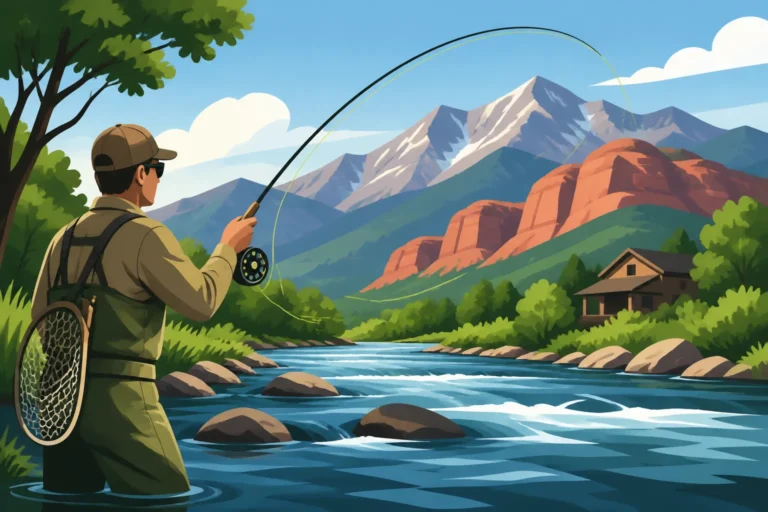
The North Platte in Colorado is characterized by its remote, rugged beauty, often flowing through deep canyons and vast, undeveloped landscapes. Unlike some of Colorado's more accessible rivers, this section demands a bit more commitment to reach, which is precisely why it remains less crowded. The river itself transitions from larger, slower pools to swift riffles and runs, offering a variety of water types that appeal to different fishing techniques and hold fish in various lies. The geology here is stunning, with towering rock formations and dense riparian vegetation providing ample cover for wildlife and, of course, for those wary trout.
You'll find that the river's character changes subtly as you move closer to the Wyoming border. The gradient can increase in certain sections, leading to more technical wading and stronger currents. The riverbed is primarily composed of gravel and cobble, creating excellent spawning habitat and providing stable footing for aquatic insects. This natural diversity in river structure makes for incredibly engaging fishing, as you're constantly adapting your approach to the changing conditions. Plus, the isolation means you're more likely to encounter wildlife like moose, deer, and various bird species, adding to the overall wilderness experience.
Prime Access Points and Navigating the Terrain
Getting to the Colorado stretch of the North Platte River near the Wyoming border isn't as simple as pulling off a major highway, and that's part of its charm. This area is known for its limited public access, with much of the river flowing through vast private ranches. However, with a bit of planning and respect for private property, incredible fishing opportunities await. It’s crucial to understand these access points to ensure a legal and enjoyable trip.
Public Access and River Crossings
While much of the surrounding land is private, Colorado Parks and Wildlife (CPW) and the Bureau of Land Management (BLM) have secured key public access points. One of the most well-known and reliable public access spots is North Gate Canyon. This area, often accessed via Routt National Forest roads, provides access to several miles of fishable water. However, getting there often involves navigating unpaved roads, and a vehicle with good clearance is highly recommended, especially after rain or snow. Once you're there, expect some hiking to reach prime spots, but the solitude and quality of fishing make it well worth the effort. It’s critical to stay within the marked public easements and avoid trespassing onto private property, which can be clearly signed.
Another option for gaining access is through sections of the river that are adjacent to national forest lands, which you can often pinpoint using detailed mapping apps like the Colorado Fishing Atlas. These maps are invaluable for identifying property boundaries and legal easements. Remember, simply because a river flows through public land doesn't mean the banks are public. Always verify your position. For those new to navigating these remote areas, it might be beneficial to consult with a local fly shop or guide who intimately knows the specific public access points and can offer up-to-date conditions. This helps avoid any unintended run-ins with landowners and ensures you're fishing where you're legally allowed.
Key Ranches and Float Options
Due to the significant private land holdings along the North Platte, many anglers opt for guided float trips, which often provide access to otherwise inaccessible stretches of water. Several ranches in the area partner with local outfitters to offer exclusive guided fishing experiences. These ranches, though not directly named here to protect their privacy, are usually well-known to local guide services. Booking through an experienced outfitter ensures not only access but also the expertise of a guide who knows the river's nuances, the best flies, and where the big fish hide. If you're considering a guided trip, platforms like FishingBooker can connect you with reputable outfitters in the area who have permission to float these private stretches.
For those considering a float trip, keep in mind that launching and taking out on private property without permission is strictly prohibited. Even if you float through a public section, you'll need legal access points for both entry and exit. This is why guided trips are so popular here; they handle all the logistical headaches of property access. If you're a seasoned DIY floater, meticulous planning is required to identify the sparse public launch and take-out points, often requiring a shuttle. Always respect the ranch properties, close any gates you open, and leave no trace behind. The continued goodwill of landowners is vital for preserving the limited public access that currently exists.
What You'll Catch and When to Go
The North Platte in Colorado is renowned for its healthy populations of wild trout, making it a fantastic destination for anglers looking to test their skills against truly impressive fish. Knowing what species to expect and understanding the seasonal patterns will significantly increase your chances of success.
Target Species and Their Habits
This stretch of the North Platte is primarily a wild trout fishery, dominated by Brown Trout and Rainbow Trout. The Browns here are particularly famous for their size and aggressive nature, especially during the fall spawning season. You'll find these beautiful fish holding in deeper pools, undercut banks, and around structure like submerged logs. They can be incredibly wary in the clear water, requiring stealthy approaches and precise presentations. For more on these amazing fish, check out our guide on Brown Trout in Colorado, Where They're Wild.
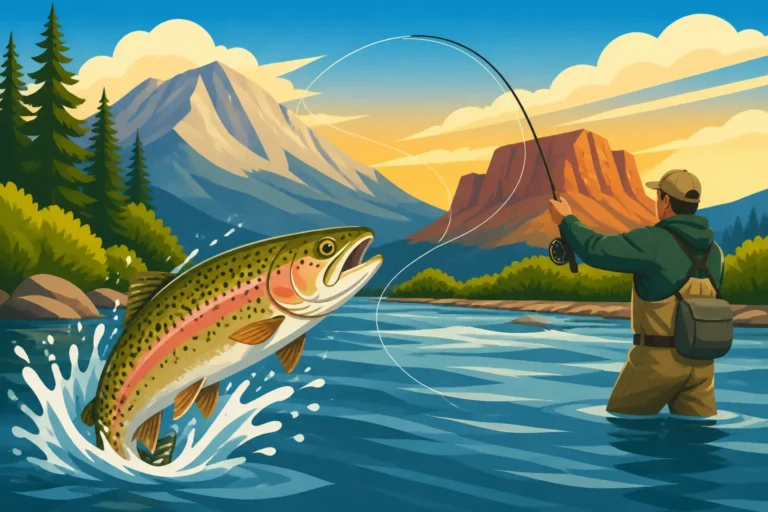
Rainbow Trout are also abundant, often found in faster riffles and runs, actively feeding on nymphs and emergers. They tend to be a bit more acrobatic when hooked, offering thrilling fights. In addition to these two mainstays, you might occasionally encounter a Brook Trout in the smaller tributaries or even a native Cutthroat Trout in very specific, protected upper reaches, though these are less common in the main stem. Understanding the feeding habits of these different species is key; Browns are often opportunistic predators, while Rainbows tend to key into insect hatches. Being prepared with a diverse fly box that covers various insect stages is always a good idea.
Seasonal Strategies and Conditions
Colorado fishing seasons vary dramatically, and the North Platte is no exception. Each season offers unique opportunities and challenges:
- Spring (April-May): This can be a fantastic time to fish before the major runoff, with increasing insect activity and hungry post-winter fish. However, be prepared for unpredictable weather and fluctuating water levels. As snowmelt intensifies, the river can become high and off-color. Early spring means fishing nymphs and streamers deep.
- Summer (June-August): Once runoff subsides (typically late June or early July), summer offers consistent flows and robust insect hatches, making it prime dry fly fishing season. Caddis, PMDs, and Green Drakes can bring fish to the surface. Mornings and evenings are often best, as midday sun can make fish sluggish.
- Fall (September-November): Many consider fall to be the absolute prime time on the North Platte. Water temperatures begin to cool, and large brown trout become incredibly active and aggressive as they prepare for their spawn. Streamer fishing can be phenomenal, and egg patterns become highly effective. This is when you have the best chance at a truly trophy-sized brown. The beautiful fall foliage only adds to the experience.
- Winter (December-March): While challenging due to cold temperatures and potential ice, winter fishing on the North Platte can be incredibly rewarding for dedicated anglers. Fish tend to congregate in deeper, slower pools, and nymphing with tiny midge patterns can be highly effective. Access can be difficult due to snow, but the solitude is unmatched.
Always check current flow conditions and weather forecasts before heading out. Local fly shops in towns like Walden or Saratoga (just across the border in Wyoming) are invaluable resources for real-time conditions and hatch reports.
Essential Gear and Local Tips
Successfully fishing the remote stretches of the North Platte requires not just the right techniques, but also appropriate gear and a deep respect for the environment and private land. Being prepared can make all the difference between a frustrating trip and a memorable adventure.
Recommended Tackle and Flies
For fly fishing, a 9-foot, 5-weight rod is generally considered the workhorse for this river, offering enough backbone to cast larger dries, nymphs, or light streamers, while still protecting lighter tippets. If you're specifically targeting those trophy brown trout in the fall with heavier streamers, you might consider stepping up to a 6 or 7-weight rod. A reliable reel with a good drag system and plenty of backing is always a smart choice.
When it comes to flies, versatility is key:
- Nymphs: During most of the year, nymphs will be your most productive flies. Think about patterns that imitate stoneflies (Pat's Rubber Legs, Copper Johns), caddis larvae (Prince Nymph, Green Rock Worms), and mayfly nymphs (Pheasant Tail, Hare's Ear). Midges are crucial in winter.
- Dry Flies: In summer and early fall, matching the hatch can lead to explosive topwater action. Be prepared with various caddis patterns (Elk Hair Caddis), mayflies (Parachute Adams, PMD Sparkle Dun), and attractor patterns like Chubby Chernobyls or Foam Hoppers, especially when terrestrials are active.
- Streamers: For aggressive brown trout, especially in fall, streamers are essential. Patterns like Wooly Buggers (black, olive, brown), Sculpzillas, and articulated streamers in natural baitfish colors can entice big strikes.
Given the clear water and often wary fish, carrying an assortment of fluorocarbon tippet sizes, from 3X down to 6X, is highly recommended. Waders and wading boots with good grip are a must, as the riverbed can be rocky and currents strong. Many sections of the North Platte, especially Gold Medal Waters, also have specific regulations like requiring barbless hooks. Make sure you're up-to-date on all Colorado Fishing Regulations Every Angler Should Know.
Respecting Private Land and Wildlife
The North Platte River corridor is a mosaic of public and private lands, and respecting these boundaries is paramount. Always be aware of where you are. Use mapping tools to identify public easements and private property lines, and if in doubt, err on the side of caution. Never cross fences, gates, or enter private land without explicit permission from the landowner. Leaving trash, disturbing livestock, or creating any nuisance will only jeopardize future access for all anglers. The mantra "Leave No Trace" is not just a suggestion here; it's a necessity for preserving this special fishery.
Furthermore, this remote area is home to abundant wildlife, including moose, deer, elk, and various bird species. Give them their space, especially moose, which can be unpredictable. Carry bear spray if you're venturing into dense backcountry areas, and know how to use it. Be mindful of potential fire restrictions, especially during dry seasons, as wildfires can devastate these fragile ecosystems. By being a responsible and respectful visitor, you help ensure that the wild character of the North Platte River near the Wyoming border remains intact for generations of anglers to come. For more on planning your trip, you might also find our guide to Colorado Fishing Seasons Month by Month helpful, as it provides a broader overview of conditions across the state. Should you want to simplify your planning and ensure access, looking into guided trip options through services like FishingBooker can provide peace of mind and an expertly curated experience.
Navigating Regulations and Ethical Angling
Fishing any river in Colorado requires a good understanding of the local regulations, and the North Platte is no exception. Beyond just legality, embracing ethical angling practices is crucial for preserving the health and sustainability of this incredible wild trout fishery.
Understanding Colorado's Specific Rules
Before even thinking about casting a line, ensure you have a valid Colorado fishing license. You can find all the details you need in our comprehensive Colorado Fishing License Guide for Residents and Nonresidents. This is not just a formality; it directly funds the conservation efforts that keep rivers like the North Platte thriving. On top of your license, most adults will also need a Habitat Stamp, which is a vital source of funding for wildlife habitat improvement projects across the state. You can learn more about Who Needs Colorado's Habitat Stamp to ensure you're compliant.
Specific regulations on the North Platte itself can include special bag and possession limits, tackle restrictions (such as artificial flies and lures only), and mandatory catch-and-release rules in certain sections. The Gold Medal Water designation typically comes with these types of enhanced restrictions designed to protect the large, wild trout populations. For instance, many Gold Medal waters require barbless hooks to minimize harm to fish. Always consult the most current Colorado Parks and Wildlife fishing regulations brochure, which you can often find online or at any license vendor. Reading Colorado's Fishing Regulations Brochure thoroughly will ensure you're aware of any changes that might have occurred since your last visit. Ignorance of the rules is never an excuse, and game wardens patrol these areas to ensure compliance.
| Regulation Category | Common Rule on North Platte (Colorado) | Why It Matters |
|---|---|---|
| Fishing License | Required for all anglers 16 and older. | Funds critical wildlife and fisheries conservation programs. |
| Habitat Stamp | Required for most license holders (ages 18-64). | Supports habitat protection and restoration across Colorado. |
| Bag & Possession Limits | Often restrictive (e.g., 2 trout, 14 inches or longer). | Protects trophy fish populations and ensures sustainable harvest. |
| Tackle Restrictions | Artificial flies and lures only, often barbless hooks. | Minimizes injury to fish, especially during catch-and-release. |
| Catch & Release | Mandatory in some designated Gold Medal Water sections. | Safeguards sensitive populations and allows fish to grow large. |
Always refer to the official Colorado Parks and Wildlife regulations for the most current and specific rules for the exact section of river you plan to fish.
Practicing Responsible Catch-and-Release
Because the North Platte is such a phenomenal wild trout fishery, practicing responsible catch-and-release is not just good etiquette; it's often a legal requirement and essential for maintaining the health of the fish population. Even when keeping fish is allowed, many anglers choose to release their catches to ensure the future of this incredible resource. The goal is to minimize stress and injury to the fish, giving them the best possible chance of survival after being caught.
Here are some key tips for ethical catch-and-release:
- Minimize Fight Time: Use appropriate tackle to bring fish in quickly, especially larger ones. A prolonged fight can exhaust a fish, making it more vulnerable to predators or disease.
- Keep Fish in Water: Avoid taking fish out of the water for photos or unhooking whenever possible. Their gills are designed to work in water, and exposure to air can cause severe damage. If you must lift them, do so only for a few seconds.
- Wet Your Hands: Always wet your hands before handling a fish. Dry hands can remove the protective slime layer (mucus) that shields fish from infections and parasites.
- Use Barbless Hooks: As mentioned, these are often required. If not, pinch down the barbs on your hooks with pliers. Barbless hooks greatly simplify hook removal and cause less damage to the fish's mouth.
- Quick Hook Removal: Use hemostats or needle-nose pliers to quickly and gently remove the hook. If a fish is deeply hooked, it's often best to cut the line as close to the hook as possible rather than tearing tissue trying to retrieve it.
- Revive Gently: Hold the fish upright in the current, facing upstream, allowing water to flow over its gills. Don't move it back and forth. Release it only when it's strong enough to swim away on its own.
By adhering to these practices, you're doing your part to ensure that the North Platte River remains a vibrant and healthy ecosystem, offering incredible fishing opportunities for years to come.
Disclaimer
Please note that fishing regulations, conditions, and access points can change. Always consult the official Colorado Parks and Wildlife (CPW) website or their most current fishing brochure for the latest information before planning your trip. This guide is for informational purposes only and should not replace official sources. Always prioritize safety and environmental responsibility when recreating outdoors.