Fishing the Conejos River Near Antonito
It can be incredibly frustrating to hear whispers of a fantastic fishing river, tucked away in southern Colorado, only to find sparse, fragmented information on how to actually fish it effectively. You're not alone if you've felt that pang of wanting to explore new waters but lacking the insider knowledge. This comprehensive guide is designed to cut through that noise, offering deep insights into fishing the beautiful Conejos River near Antonito, covering everything from its unique character and prime spots to seasonal strategies and essential regulations.
Understanding the Conejos River's Unique Character
The Conejos River, flowing through the vast San Luis Valley in Southern Colorado, is often hailed as a hidden gem, offering a truly wild and authentic angling experience. Unlike some of its more famous, heavily trafficked counterparts, the Conejos retains a rugged charm, winding through national forests, private ranches, and the spectacular Rio Grande National Forest. Its character changes dramatically from its high-alpine headwaters to its meandering journey through the valley floor, presenting a diverse range of fishing opportunities that can challenge and reward anglers of all skill levels. This river system supports a robust population of wild trout, making it a dream destination for those seeking a more solitary and natural encounter with the Rockies' finned residents.
The River's Journey: Headwaters to the Valley
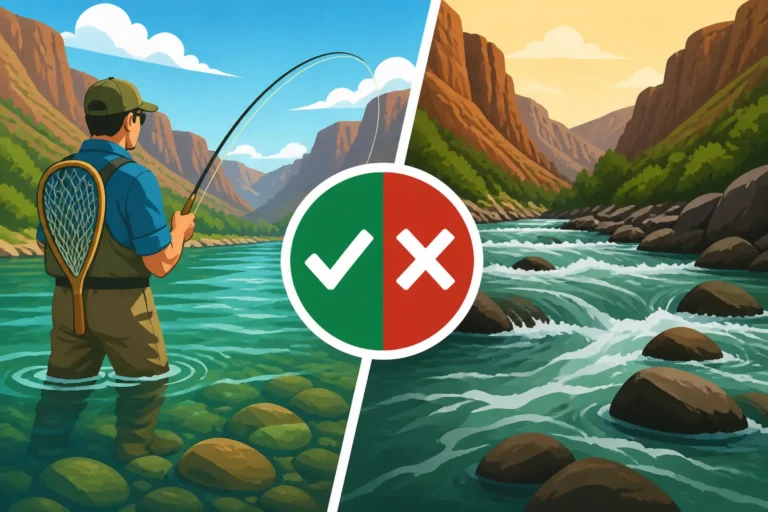
Originating high in the San Juan Mountains, the Conejos begins its life as a series of small, cold, fast-flowing creeks fed by snowmelt and alpine springs. These upper reaches, often requiring a hike to access, are classic freestone mountain streams, characterized by pocket water, riffles, and small pools. As it descends, the river gains volume and breadth, passing through the beautiful Platoro Valley. Below Platoro Reservoir, the Conejos transforms into a renowned tailwater fishery for a significant stretch, providing consistent flows and cooler temperatures even in the height of summer. Further downstream, closer to Antonito, the river broadens again, slowing its pace as it enters the flatter, agricultural landscape of the San Luis Valley. This varied topography means that anglers can choose their adventure, from technical dry fly fishing in the high country to nymphing deeper runs in the middle sections, or even throwing streamers in the wider lower river.
Trout Species and What Makes Them Thrive Here
The Conejos River is primarily a trout fishery, boasting healthy populations of brown, rainbow, and especially the native Rio Grande Cutthroat Trout. Unlike many rivers where trout are heavily stocked, the Conejos thrives on its wild, self-sustaining populations. Brown trout are abundant throughout the system, particularly in the middle and lower sections, growing to impressive sizes by feeding on the rich aquatic insect life and smaller baitfish. Rainbow trout are also present, often intermixing with browns. However, it's the Rio Grande Cutthroat Trout that truly makes the Conejos special. These native fish, identifiable by their distinctive red or orange "cutthroat" mark under the jaw, are a testament to the river's pristine quality and ongoing conservation efforts. Targeting these beautiful, wary fish in their native habitat is a unique experience. The diverse habitat, from oxygenated riffles to deep, slow pools, coupled with abundant insect life like caddis, mayflies, and stoneflies, provides an ideal environment for these trout to flourish year-round.
Prime Fishing Zones and Access Points Along the Conejos
Successfully fishing the Conejos River often comes down to understanding its distinct sections and knowing where to find public access. This river isn't a one-size-fits-all fishery; each stretch offers a different experience and demands different tactics. From the remote, challenging upper reaches to the more accessible valley flows, the Conejos presents a spectrum of angling adventures. It's crucial to consult a detailed map, like those found on the Colorado Parks and Wildlife (CPW) Fishing Atlas, and respect private land boundaries, which are prevalent, especially in the middle and lower river.
The Upper River: Wild Trout and Alpine Scenery
The uppermost stretches of the Conejos River, above Platoro Reservoir and into the pristine Rio Grande National Forest, are truly a wilderness experience. Here, the river is smaller, colder, and often requires significant hiking or backpacking to reach. This is classic pocket water fishing, where native Rio Grande Cutthroat Trout and smaller wild brook trout thrive. The fish here aren't typically giants, but their wild nature and the stunning, secluded alpine environment make for an unforgettable trip.
- Access: Access points are typically found along forest service roads like FR 250 (towards Platoro) or by hiking into the backcountry from trailheads. Popular areas include the streams feeding into Platoro Reservoir or sections of the river higher up, like those accessible from the Elk Creek Trail.
- Fishing Style: Light tackle is key here, whether you're fly fishing with small dry flies (such as parachute Adams, elk hair caddis, or stimulators) or spin fishing with ultra-light gear and small spinners or spoons. Stealth and presentation are paramount, as these wild fish can be easily spooked. Expect to wade and move frequently, casting into pockets behind rocks and fallen logs.
- Challenges: The primary challenges are the remote access, variable weather at high altitudes, and the technical nature of fishing small, clear streams. Always be prepared for sudden weather changes, including thunderstorms, and carry appropriate gear.
The Middle River: Popular Stretches and Public Access
Below Platoro Reservoir, the Conejos transitions into what many consider its most productive and popular section, often fishing like a tailwater for a number of miles before it opens up into a wider valley. The regulated flows from the reservoir ensure more consistent water temperatures and levels, which can make for excellent fishing even during runoff seasons. This stretch sees a good mix of wild brown and rainbow trout, with occasional cutthroats. It’s also where you’ll find some of the most consistent public access points, though private land intersperses these sections.
- Access: Significant public access can be found within the Rio Grande National Forest, particularly along State Highway 17 and Forest Road 250. Look for designated public fishing easements or stretches flowing through national forest land. Campgrounds like Conejos Campground or Platoro Campground offer convenient access points. Be mindful of signs indicating private property, which are common along this stretch.
- Fishing Style: This section is well-suited for nymphing, especially with an indicator rig, mimicking the abundant midges, baetis, and stoneflies that live in the riverbed. Streamer fishing can be very effective, especially for larger brown trout, particularly in lower light conditions or when the water has a bit of color. During summer and fall, prolific hatches can bring fish to the surface, making dry fly fishing exhilarating. This is also a fantastic place to hone your general Colorado fishing license guide for residents and nonresidents knowledge, as rules apply here as anywhere else in the state.
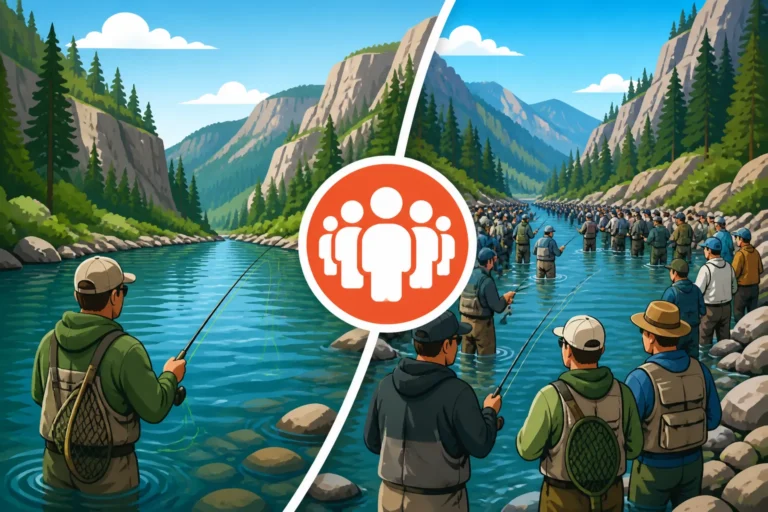
- Challenges: Crowds can be an issue during peak seasons, especially on weekends. Wading can be challenging in higher flows, and the river can be quite wide in places, requiring longer casts. For those looking to hire a guide for optimal success or to learn the ropes, options are available through various outfitters in the region; you can even find local guides on platforms like FishingBooker who specialize in this specific river.
Lower River: Warmer Water and Diverse Opportunities
As the Conejos River leaves the national forest boundaries and meanders eastward through the San Luis Valley towards Antonito, its character changes again. The gradient lessens, the river widens, and the water typically becomes warmer, especially in summer. While still holding good populations of brown trout, this section can also support warmwater species closer to its confluence with the Rio Grande. Private land dominates much of this stretch, but there are still accessible points and opportunities for unique fishing experiences.
- Access: Public access points can be fewer and farther between in the lower river, but often exist near road crossings or state wildlife areas. Researching specific areas beforehand using the CPW Fishing Atlas is highly recommended. Some stretches might involve negotiating permission with landowners, so always ask first.
- Fishing Style: Bait fishing can be more effective here, especially for larger trout and potentially other species, given the slightly warmer water. Spin fishing with spoons, inline spinners, or small crankbaits can also yield good results. Fly anglers might focus on larger attractor patterns, streamers, or terrestrial imitations (like hoppers and ants) during late summer and fall. This is a good area to experiment with different techniques for Colorado's trout species, a field guide to which can expand your understanding of what you might encounter.
- Challenges: Water temperatures can become too warm for trout in mid-summer, making catch-and-release fishing stressful for the fish. Always carry a thermometer and consider shifting to higher, colder waters if temperatures rise above 68°F (20°C). Respecting private property is paramount, as trespass issues are a constant concern in this agricultural valley.
Table: Conejos River Section Overview
| River Section | Primary Fish Species | Typical Water Type | Best Season | Key Challenges | Recommended Techniques |
|---|---|---|---|---|---|
| Upper River | Rio Grande Cutthroat, Brook Trout | Small, fast freestone, pocket water | Summer (post-runoff) | Remote access, small fish | Dry flies, small spinners |
| Middle River | Brown, Rainbow, Cutthroat Trout | Tailwater, varied pools and riffles | All year (with care) | Crowds, private land | Nymphing, streamers, dry flies |
| Lower River | Brown, Rainbow Trout | Wider, slower, warmer freestone | Spring, Fall | Private land, warm water | Bait, spin fishing, streamers |
Seasonal Strategies and Best Practices for Conejos Anglers
Fishing the Conejos River, like any major Colorado waterway, is a dynamic experience heavily influenced by the seasons. Understanding these fluctuations, from the torrent of spring runoff to the icy calm of winter, is crucial for maximizing your success and ensuring a responsible angling approach. The river offers something unique in every season, but adapting your techniques and expectations is key.
Spring Fishing Before Runoff
Early spring on the Conejos can be a magical time, typically from March through early May, before the heavy snowmelt begins. The water is often low and clear, and trout are actively feeding after a long winter. This is when you can experience some incredible fishing, especially for opportunistic brown trout.
- Water Conditions: Expect cold, clear water. Flows will be relatively stable but can fluctuate with early spring storms or warm fronts.
- Fish Behavior: Trout are still somewhat lethargic in the colder water but will feed aggressively when opportunities arise. They'll often hold in deeper runs and slower pools, conserving energy.
- Techniques and Flies: Nymphing is incredibly effective during this period. Focus on smaller, darker patterns that imitate midges, tiny baetis, and even stonefly nymphs that might be starting to move. Think patterns like a JuJu Baetis, zebra midge, or a small prince nymph. For spin fishermen, slow retrieves with small, dark-colored spinners or scented baits can work well. The Colorado fishing season dates and bag limits will apply, so always check the latest regulations.
Summer's Bounty and High-Country Escapes
Summer, generally from late June to September, brings the most consistent and often most enjoyable fishing conditions, especially after the spring runoff subsides. The entire river system becomes fishable, including the high-alpine headwaters. This is prime time for dry fly fishing and exploring new waters.
- Water Conditions: Post-runoff, flows stabilize, and water temperatures become ideal for trout. Expect clearer water, though afternoon thunderstorms can temporarily muddy flows.
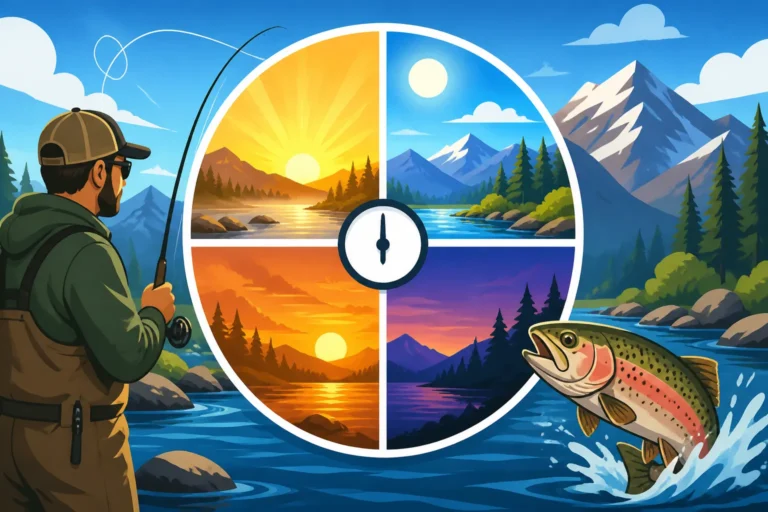
- Fish Behavior: Trout are highly active, feeding on a diverse range of aquatic insects and terrestrials. In the heat of the day, they might move to deeper, cooler water or seek shade under banks. Early mornings and late evenings are often the most productive.
- Techniques and Flies: This is dry fly paradise! Caddis hatches, various mayfly hatches (like Green Drakes on some stretches), and a plethora of terrestrials (grasshoppers, ants, beetles) will bring fish to the surface. A dry-dropper rig, where you fish a nymph below a buoyant dry fly, is highly effective. If you're spin fishing, larger spoons and spinners, particularly those imitating baitfish, can be productive, and casting into shaded areas or deeper pools is a good strategy. For those looking to explore the most popular options, knowing how to approach Dry Fly Fishing Colorado's Freestone Rivers and Nymphing Techniques for Colorado Tailwaters will serve you well.
- Challenges: Afternoon thunderstorms can be common, bringing lightning and sudden downpours. Water temperatures in the lower river can become critically high in July and August, stressing trout. Consider moving to higher, colder sections or fishing only during the coolest parts of the day.
Fall's Golden Opportunities
Autumn, from late September through November, is a favorite season for many Conejos anglers. The crowds thin out, the aspen trees turn brilliant gold, and the trout become exceptionally active, particularly the brown trout, as they prepare for their annual spawn.
- Water Conditions: Flows are typically low and clear, and water temperatures begin to drop, invigorating the fish.
- Fish Behavior: Brown trout will be aggressive and territorial as they move onto their spawning redds (nests). They'll strike at anything perceived as a threat or a substantial meal. Rainbows and cutthroats will also feed heavily to fatten up for winter.
- Techniques and Flies: Streamer fishing becomes incredibly effective for targeting large, aggressive brown trout. Try patterns like woolly buggers, conehead muddler minnows, or articulated streamers in olive, black, or brown. Nymphing with egg patterns, worms, and larger stonefly imitations can also be deadly. Dry fly fishing can still be good on warmer days, with hatches of blue-winged olives. This is the time when Fall Fishing in Colorado, what changes, truly comes into play on the Conejos. Remember, while it's exciting to catch spawning fish, it's crucial to avoid disturbing redds. Target fish holding in nearby runs and pools, rather than directly on the redds.
- Challenges: Identifying and avoiding redds is a critical ethical consideration. The weather can be highly variable, with warm sunny days quickly turning to cold, snowy conditions, so layering your clothing is essential.
Winter's Quiet Charm
Winter on the Conejos, typically December through February, is a season of solitude and subtle beauty. While many anglers pack away their gear, those brave enough to face the cold can find rewarding, if sometimes challenging, fishing.
- Water Conditions: Flows will be at their lowest and clearest. Ice can form along the banks and in slower stretches, but the deeper runs and riffles will remain open, especially in the tailwater sections below Platoro Reservoir.
- Fish Behavior: Trout are less active, holding in deep, slow pools and runs to conserve energy. Their feeding windows are shorter, and their takes are often very subtle.
- Techniques and Flies: Deep nymphing is almost exclusively the most productive method. Focus on tiny patterns: midges (zebra midges, tiny disco midges), small blue-winged olives, and minuscule stonefly imitations. Use very light tippet (5x or 6x) for a natural presentation. Spin fishing is challenging but can be done with very slow presentations of small jigs or scented baits.
- Challenges: Extreme cold, ice, and limited daylight hours are the main obstacles. The fish are less active and more difficult to tempt. Dress in multiple layers, wear insulated waders, and bring hand warmers. Safety is paramount when dealing with icy conditions.
Navigating Regulations and Conservation on the Conejos
Fishing the Conejos River means engaging with its unique ecosystem and, by extension, its specific regulations. Colorado Parks and Wildlife (CPW) implements rules designed to protect the state's valuable fisheries, especially native species like the Rio Grande Cutthroat Trout. It’s not just about avoiding a ticket; it’s about being a responsible steward of the environment. Ignoring these rules can lead to penalties, but more importantly, it can harm the very resource we cherish. Every angler has a role to play in conservation.
Specific Regulations to Know
While general Colorado fishing regulations apply, certain stretches of the Conejos River may have specific rules, often related to special management areas or the presence of native fish. These can include restrictions on bag and possession limits, fly-and-lure-only sections, or even mandatory catch-and-release.
- Check the Brochure: Your first and most important step should always be to consult the current Colorado Fishing Regulations Every Angler Should Know brochure, issued annually by CPW. This document is the definitive source for specific rules on individual waters. It will detail any deviations from statewide regulations for the Conejos River, or particular sections thereof. You can find this online at the CPW website or pick up a physical copy wherever you buy your Colorado fishing license.
- Bag and Possession Limits: While statewide trout limits are generally four per day, some sections of the Conejos, especially those managed for native cutthroats, might have reduced limits or require catch-and-release for certain species or all trout. For instance, sometimes a specific stretch may limit brown trout while requiring release of all other trout species. Understanding Colorado bag and possession limits by species is paramount.
- Artificial Flies and Lures Only: You'll find areas that are designated "artificial flies and lures only." This means no bait, like worms, powerbait, or corn. These rules are usually in place to protect fish from deep-hooking, which is more common with bait. If you're spin fishing, this means using lures without any added scent or organic material.
- Barbless Hooks: Some regulations might also specify "barbless hooks only." This measure further aids in catch-and-release, minimizing harm to the fish. If you don't have barbless hooks, you can easily crimp down the barb on a regular hook with pliers.
- Rio Grande Cutthroat Trout: Pay close attention to any specific regulations regarding the Rio Grande Cutthroat Trout, as these are a native species undergoing recovery efforts. Identification is key; learn to differentiate them from rainbows and browns. Often, they are catch-and-release only, or have very restrictive limits. Knowing how to responsibly catch-and-release rules on Colorado's cutthroat waters is vital for preserving these unique fish.
Respecting Private Land and Public Access
The Conejos River flows through a patchwork of public and private land, especially as it winds through the San Luis Valley. This can be a significant point of frustration for anglers new to the area, as what looks like an inviting stretch of river might actually be private property.
- Know Before You Go: Rely heavily on resources like the CPW Fishing Atlas (available online and as a mobile app) and detailed topographic maps. These tools clearly mark public lands (like National Forest and Bureau of Land Management) versus private parcels. Don't assume that because you can see the river from a public road, you can access it.
- Look for Signs: Respect all "No Trespassing" signs, fences, and gates. Anglers do not have the right to float through or wade along private property without explicit permission, even if the riverbed itself is technically public. Accessing the river via public bridges or easements does not grant you the right to walk up or downstream onto private land.
- Ask for Permission: If a tempting stretch of river is on private property, consider stopping and asking the landowner for permission. A friendly, respectful approach can sometimes open up incredible fishing opportunities that others miss. Always be prepared for a "no," and graciously accept it. Never pressure a landowner.
- Stay on Public Easements: Where public access is granted (e.g., through a specific fishing easement), ensure you stay within the designated boundaries. These easements are often narrow strips of land specifically for angler access.
- Pack It In, Pack It Out: Regardless of public or private land, always practice Leave No Trace principles. Pack out all trash, including discarded fishing line and used bait containers. Leave the area cleaner than you found it. This simple act of courtesy goes a long way in fostering good relationships with landowners and preserving access for future generations. If you’re ever unsure about rules or access, it’s far better to err on the side of caution and find another spot or even consider booking a guided fishing trip to ensure you're on legal waters and following all protocols.
Disclaimer
Fishing conditions and regulations in Colorado can change rapidly due to environmental factors, legislative updates, and specific management decisions by Colorado Parks and Wildlife. While this guide provides comprehensive information, it is essential to consult the most current Colorado fishing regulations brochure and local advisories before heading out. Always prioritize safety and ethical angling practices.