Does a Colorado Fishing License Expire on a Set Date or a Year From Purchase?
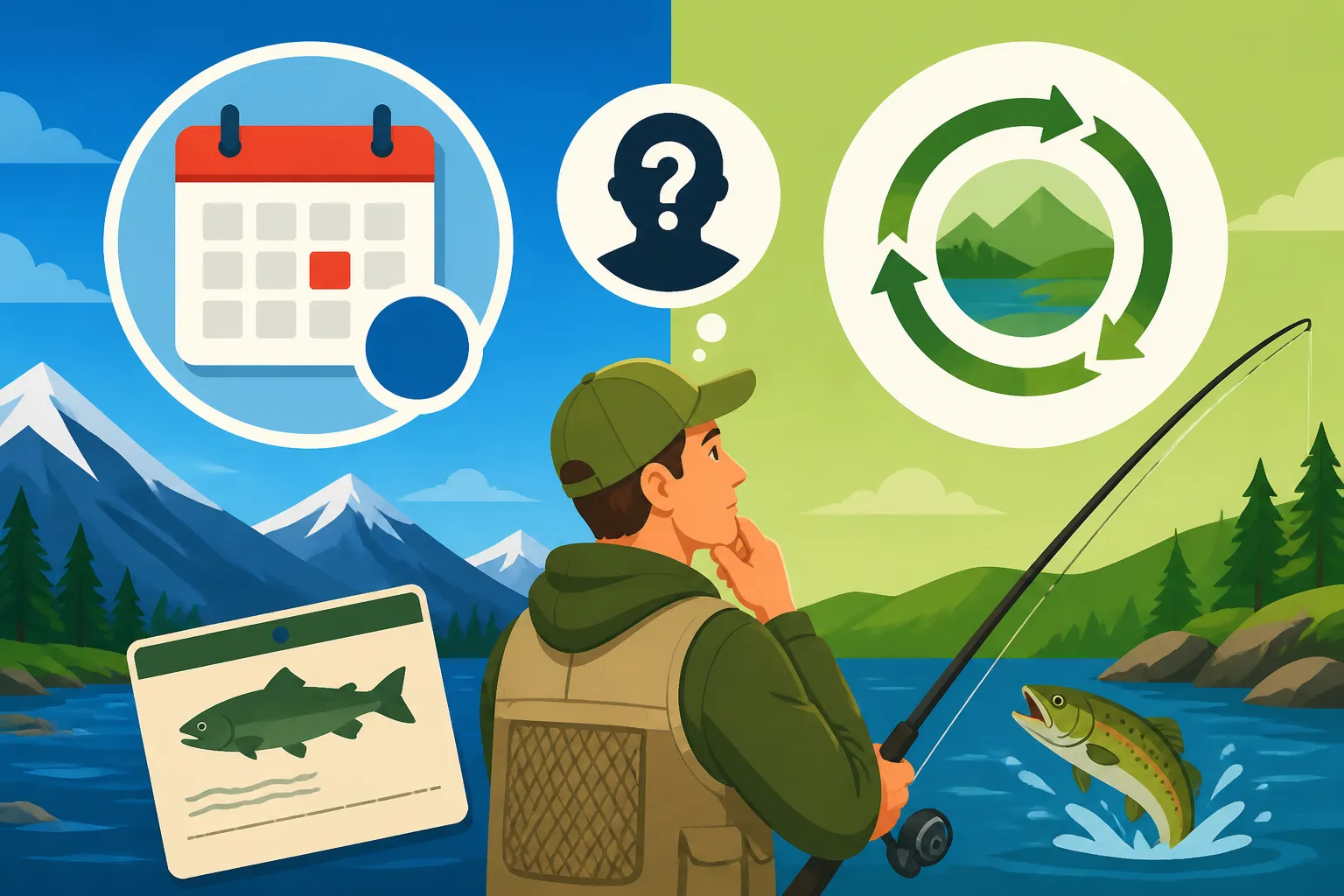
It's a common headache for Colorado anglers: you just bought your fishing license, and now you're wondering, Does this thing expire a year from now, or on some fixed date? This confusion can easily lead to accidentally fishing without a valid license or missing out on valuable time you paid for. This guide will clarify the mystery, detailing exactly how Colorado fishing licenses expire so you can plan your angling adventures without a hitch and always stay on the right side of the rules.
Understanding Colorado's Fishing License Annual Cycle
The question of when a Colorado fishing license truly expires is one of the most frequently asked, and understandably so. Many states operate on a rolling 365-day expiration from the date of purchase, which can lead to a lot of anglers assuming Colorado works the same way. However, Colorado Parks and Wildlife (CPW) uses a different, fixed system for most of its annual licenses, designed to streamline operations and align with the state's wildlife management calendar.
The Standard Expiration Date for Annual Licenses
For the vast majority of Colorado anglers purchasing an annual fishing license, the expiration date is a fixed one: March 31st of the following year. This means that regardless of whether you purchase your annual license in April when the new license year begins, or in December just before the holidays, it will expire on March 31st.
Imagine you're an avid angler who just moved to Colorado in August. You head to the local sporting goods store, excited to explore the state's renowned waters. You purchase your annual resident fishing license, and in your mind, you're set for the next 12 months. Fast forward to the following March, and you might be surprised to find your license is about to expire, even though you've only had it for seven or eight months. This is a crucial point that often catches people off guard. If you buy your annual license on April 1st, you get a full 12 months of fishing. If you buy it on February 1st, you only get two months before it expires and needs renewal. It’s definitely something to consider when you're deciding on your purchase timing. The state's Colorado Fishing Regulations Every Angler Should Know brochure always clearly outlines these dates, but it's easy to overlook if you're not specifically looking for it.
Special Cases: Short-Term and Lifetime Licenses
While the March 31st rule applies to annual licenses, Colorado does offer other options that operate differently. These short-term and specific-use licenses cater to different needs and have their own unique expiration rules, making it important to understand the distinctions.
For visitors or those planning just a quick trip, Colorado offers Colorado's Annual, One-Day and Five-Day License Options. These short-term licenses are much more straightforward: they are valid for the specific number of days you purchase, starting from the day you specify or the day of purchase. For instance, a one-day license is good for that specific calendar day, and a five-day license is valid for five consecutive days. If you buy a one-day license on a Tuesday, it expires at the end of that Tuesday. If you buy a five-day license on a Friday, it will be valid through the end of the following Tuesday. This flexibility is particularly convenient for tourists who might only be in the state for a short vacation and don't need a full year's coverage. For nonresidents, especially, these short-term options can be significantly more cost-effective than an annual license if they're only visiting for a week or two.
Then there are lifetime licenses, primarily offered to Colorado's Lifetime License for Residents With Disabilities. These are a completely different ballgame. Once approved and issued, these licenses are generally valid for the duration of the holder's life and do not adhere to the annual March 31st expiration date. They represent a one-time investment for continuous fishing privileges, a testament to Colorado's commitment to accessibility for all anglers.
Why Colorado Uses a Set Expiration Date
It might seem counterintuitive at first glance to have a fixed expiration date, especially when a rolling 12-month period feels more equitable for individual anglers. However, Colorado Parks and Wildlife (CPW) implements this system for several practical reasons, all of which contribute to more efficient wildlife management and enforcement throughout the state. It’s less about shorting anglers on time and more about creating a consistent, predictable framework for conservation.
Streamlining Regulations and Enforcement
One of the primary benefits of a fixed expiration date is the sheer simplification it brings to managing millions of licenses and ensuring compliance with regulations. When every annual license expires on the same date, it creates a clear annual cycle for both CPW and the public. This makes it far easier for wildlife officers in the field to verify the validity of a license. Instead of having to calculate a 365-day window for each individual purchase, they simply need to know if the current date falls within the active license year (April 1st to March 31st).
Think about a busy weekend at a popular spot like Chatfield Reservoir. A park ranger checking licenses can quickly scan for the current year's designation, rather than needing to verify specific purchase dates for every angler. This efficiency is vital for effective enforcement, helping wardens focus their time on more pressing conservation issues rather than administrative checks. This consistent cycle also simplifies CPW's internal accounting, planning for stocking programs, and budgeting, as they can accurately project revenue and participation on an annual basis rather than constantly adjusting for rolling expirations. It makes the entire system smoother and less prone to individual error.
Aligning with the Habitat Stamp Requirement
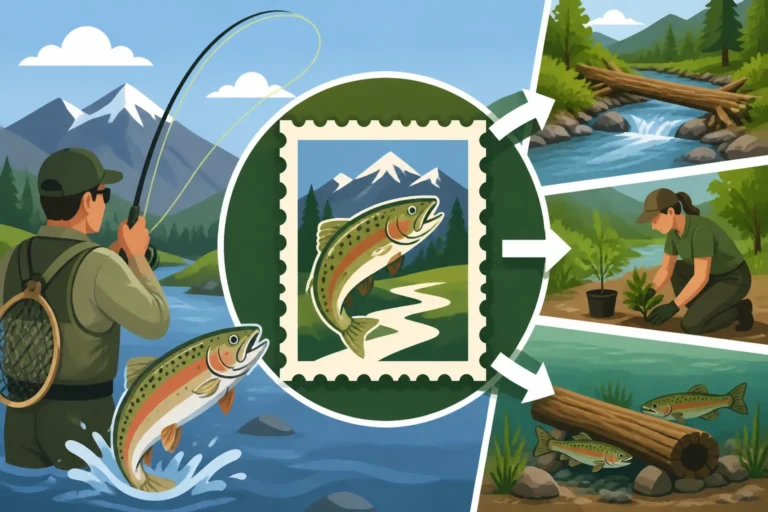
Another significant reason for the fixed expiration date is its direct correlation with Colorado's Habitat Stamp. The Habitat Stamp is a mandatory purchase for most individuals aged 18 to 64 who buy a hunting or fishing license in Colorado, and it also operates on the same annual cycle. Just like the annual fishing license, a Habitat Stamp is valid from April 1st through March 31st of the following year.
This alignment ensures that funds generated from both licenses and stamps are collected and managed within the same fiscal and biological year. The revenue from the Habitat Stamp is crucial; it goes directly towards preserving and improving vital wildlife habitats across Colorado, which benefits all species, including the fish we love to catch. Without this consistent expiration date, tracking which anglers needed to purchase a Habitat Stamp alongside their license, and when, would become incredibly complex. It helps CPW maintain clear records and ensures continuous funding for conservation efforts. If you're wondering Do You Need a Habitat Stamp to Fish in Colorado?, the answer is usually yes for adults between those ages, and it renews annually on that same March 31st timeline.
Planning Your Purchase to Maximize Value
Understanding the fixed expiration date for annual Colorado fishing licenses is key to making a smart purchase. Nobody wants to feel like they've paid for a full year of fishing only to have it expire sooner than expected. By strategically timing your purchase, you can ensure you get the most out of your investment and maximize your time on the water.
Best Time to Buy Your Annual License
Given that an annual license runs from April 1st to March 31st, the absolute best time to buy your annual license is as close to April 1st as possible. This ensures you get the full 12 months of validity for your purchase. If you're planning your fishing calendar for the upcoming year, mark your calendar for late March or early April to purchase your new license.
Consider a scenario: you decide in January that this year is finally the year you're going to get serious about Colorado fishing. If you go out and buy your annual license right then, you'll only have it for January, February, and March before it expires and you need to renew. That's a significant portion of the year missed out on, effectively costing you more per month of fishing. Instead, you could wait until April 1st, purchase your license, and enjoy a full year of angling opportunities from the high-country lakes to the Front Range reservoirs. This isn't just about saving money; it's about making sure your hard-earned cash translates into the most possible time casting a line. You can easily purchase your license Buying a Colorado Fishing License Online at CPWShop.com or at a variety of retailers.
Considerations for Nonresidents and Short Trips
For those visiting Colorado from out of state, or even residents who only plan to fish for a very limited number of days in the year, the annual license might not be the most economical choice. This is where the short-term license options truly shine.
If you're coming to Colorado for a week-long vacation and plan to fish for maybe two or three days during that time, purchasing a What a One-Day Colorado Fishing License Costs or a What a Five-Day Nonresident Colorado License Costs makes far more sense than a full annual nonresident license. While Colorado Nonresident Fishing License Cost in 2026 might seem steep for a short visit, the daily or multi-day options are priced to accommodate exactly these types of trips. These licenses are valid for the specific period you select, ensuring you only pay for the time you'll actually be fishing. It prevents the frustration of buying an annual license that will expire long before you return to the state. Always evaluate your travel plans and how much fishing you genuinely intend to do before committing to an annual pass. You can often find a good selection of travel-friendly fishing gear on Amazon to complement your short trip without overpacking.
How to Check Your License Expiration and Renew
Staying on top of your fishing license expiration doesn't have to be a guessing game. Colorado Parks and Wildlife has made it quite easy for anglers to verify their license status and complete renewals, ensuring you're always legal when you hit the water. This convenience means fewer surprises and more time enjoying the state's incredible fisheries.
Online and In-Person Verification
The easiest way to check the status of your Colorado fishing license, including its expiration date, is through the CPWShop.com website. Once you've purchased a license, it's linked to your customer profile. Simply log in, and your active licenses and their expiration dates will be clearly displayed. This is also where you can find details about your Colorado's Habitat Stamp, Explained if you purchased one.
Many anglers also carry their digital fishing license on their smartphones, which is perfectly acceptable in Colorado. If you’ve got the My Colorado Parks and Wildlife app, your license information, including the expiration date, is right there at your fingertips. Just make sure your phone is charged! For those who prefer a physical check, you can always visit any licensed vendor, such as a local sporting goods store or a Walmart, and they can look up your license details for you. Some people even like to keep a printout in their tackle box, just in case their phone battery dies while they’re out on the water. It’s a good idea to have a backup, maybe a waterproof case for your phone that you can find on Amazon.
Simple Renewal Process
Renewing your Colorado fishing license is a straightforward process, designed to be quick and hassle-free so you can get back to fishing. When your annual license approaches its March 31st expiration, you'll have several convenient options for renewal.
The most popular method is to How to Renew a Colorado Fishing License Online through CPWShop.com. It's available 24/7, allowing you to renew from the comfort of your home at any time that suits you. This process is usually quick, requiring just a few clicks to update your information and make a payment. Alternatively, you can visit any of the numerous authorized license agents across the state. This includes most Walmart stores, sporting goods retailers like Bass Pro Shops or Cabela's, and many small local tackle shops. These vendors are equipped to process renewals on the spot, and you can even pick up some new lures or bait while you're there. For those who prefer a more personal touch, you can also renew over the phone by calling CPW's customer service number. Whichever method you choose, it's always best to renew your license before the March 31st deadline to avoid any interruption in your fishing plans for the new season starting April 1st.
Colorado Fishing License Expiration Overview
| License Type | Expiration Rule | Best Purchase Time | Ideal For |
|---|---|---|---|
| Annual Resident/Nonresident | March 31st of the following year | Early April | Year-round fishing, frequent trips |
| One-Day License | End of the specific calendar day | Day of fishing | Short, single-day trips, testing new spots |
| Five-Day License | End of the fifth consecutive day | Start of a multi-day trip | Weekend trips, short vacations, nonresidents |
| Lifetime License | Valid for the holder's lifetime | Upon qualification & approval | Qualified residents with disabilities |
| Habitat Stamp | March 31st of the following year | With annual license in Early April | Required for most annual/short-term license holders (ages 18-64) |
Disclaimer
Please remember that fishing regulations and license requirements can change. While every effort has been made to provide accurate and up-to-date information, it is always your responsibility to consult the official Colorado Parks and Wildlife (CPW) website or their current fishing regulations brochure before heading out. This content is for informational purposes only and does not constitute legal advice.