Guided Float Trips on Colorado Rivers
For many anglers, the thought of fishing Colorado's incredible rivers often conjures images of endless wading, battling swift currents, and navigating challenging terrain. While walk-wade trips are fantastic, they inherently limit your reach, leaving vast stretches of pristine water untouched. This comprehensive guide will immerse you in the world of guided float trips on Colorado rivers, revealing how they unlock unparalleled access, expert instruction, and a truly relaxing way to experience some of the West's most spectacular fisheries.
What Exactly is a Guided Float Trip?
When you hear "guided float trip" in Colorado fishing circles, it's not about passively drifting down a lazy river with a cooler. Far from it! These trips are a highly interactive and effective way to fish substantial sections of a river from a specialized boat. Unlike wade fishing, where your feet are on the riverbed, a float trip keeps you moving, covering significant ground and presenting opportunities to fish water that's often inaccessible on foot.
The Dynamics of Fishing From a Boat
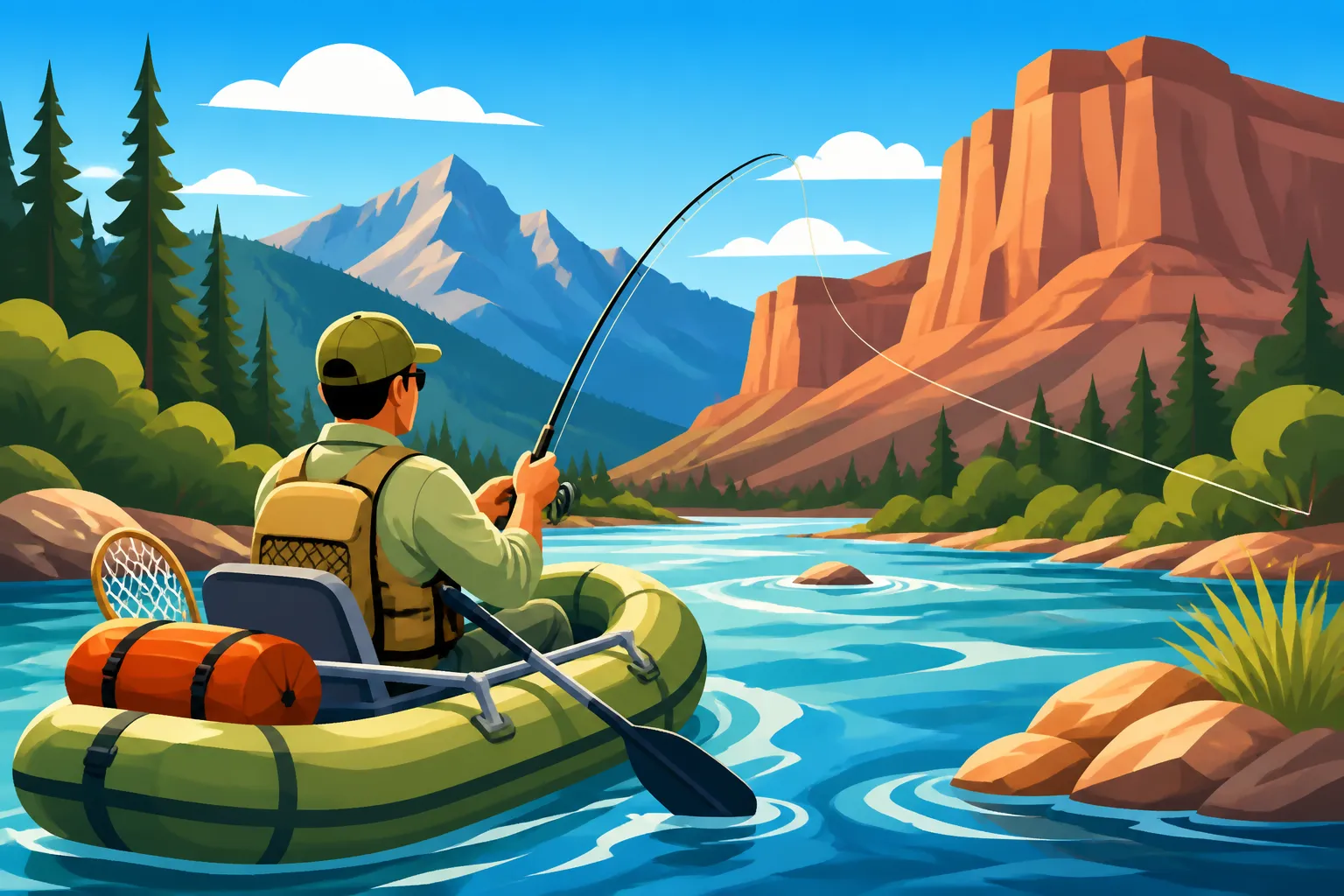
Imagine sitting comfortably in a purpose-built drift boat or raft, your guide skillfully navigating the currents, maneuvering you into the perfect casting position for prime holding water. This is the essence of fishing from a boat on a guided float trip. You're constantly moving, observing the river, and casting to new pockets, runs, and riffles. It's a dynamic dance between the angler, the guide, and the river itself, offering a perspective and reach that's simply impossible otherwise.
Your guide isn't just a boatman; they're an expert angler and river reader, continuously putting you on fish. They know every eddy, every rock, every drop-off that might hold a hungry trout. This isn't about simply casting as you float by; it's about precision and strategy. Your guide will often position the boat to allow for multiple drifts through promising water, giving you ample chance to present your fly or lure effectively.
Drift Boats vs. Rafts: Understanding Your Ride
When you book a float trip, you'll typically be on either a drift boat or a fishing raft. Both have their advantages, and the choice often depends on the river, the water levels, and the outfitter's preference.
Drift boats are the classic choice for many Western rivers. They're rigid, typically made of fiberglass or aluminum, and are designed for precise maneuvering in moving water. With comfortable seating, sometimes even casting braces, and plenty of storage, they offer a stable and somewhat elevated platform for fishing. They excel on rivers with moderate flows and clearer channels, allowing the guide to "read" the river and place you exactly where you need to be. These boats are fantastic for fly fishing, providing a solid stance for casting, but work equally well for spin fishing.
Rafts, particularly those designed for fishing (often called "fishing frames" or "rafts with frames"), are incredibly versatile. They're more forgiving on shallower, rockier rivers and can handle bigger rapids or higher water conditions with ease. While they might not offer the same rigid casting platform as a drift boat, modern fishing rafts are equipped with comfortable swivel seats, lean bars, and ample space. They're often preferred for rivers with more technical sections or when the water levels are higher during runoff. Rafts can access a wider range of water, sometimes even places a drift boat can't, making them an excellent option for exploring diverse river stretches. Some anglers find them a bit less stable for standing and casting, but they offer a soft landing should you stumble, and their durability is unmatched. Float Trips vs Walk-Wade Trips With a Colorado Guide dives deeper into these distinctions.
Why Choose a Guided Float Trip on a Colorado River?
Deciding between a guided float trip and a walk-wade adventure can be tough. But for many, the benefits of floating far outweigh the considerations, especially when you're looking for a truly immersive and productive day on the water.
Unparalleled Access to Unpressured Water
This is perhaps the biggest draw of a guided float trip. Think about it: how much water can you realistically cover on foot in a day, especially in challenging terrain or on private lands? Not nearly as much as a boat can. Float trips allow you to effortlessly navigate miles of river, bypassing private property, deep channels, and dense riparian vegetation that would be impossible to access otherwise. This means reaching stretches of river that see far less angling pressure, often resulting in more cooperative fish and a more serene experience.
I remember a trip on the Colorado River near Kremmling where we floated through miles of scenic ranchland. We saw only one other boat all day, and the trout were eager! The guide put us on prime spots we never would have seen from the highway or any public access point. This kind of exclusive access is priceless for dedicated anglers.
Expert Guidance and Instruction on the Water
Even if you're an experienced angler, having a seasoned Colorado guide in the boat with you is like having a living, breathing river encyclopedia and fishing coach. These guides have spent countless hours on their home waters, understanding every nuance of the current, every insect hatch, and every trout's preferred lie. They know what flies or lures are working, how to present them, and where the fish are holding based on the time of year, water flows, and weather conditions.
They'll help you refine your casting, teach you new techniques like mending your line effectively from a boat, and explain the intricacies of reading different types of water. For beginners, a float trip with a guide is an accelerated learning experience. You'll gain years of insight in a single day, setting you up for more successful future outings. It's an investment in your fishing education, far beyond just catching fish.
Comfort and Convenience: Less Hiking, More Fishing
Let's be honest, sometimes our knees and backs aren't quite up to navigating slippery rocks and bushwhacking through dense willows all day. This is where a float trip truly shines. You spend most of your day in the boat, moving comfortably from one promising spot to the next. No endless hiking, no slogging through deep mud, no exhausting climbs back to the car. Your guide handles all the rowing and navigation, leaving you free to focus solely on fishing.
Many guided trips include lunch, drinks, and all the necessary gear. You just show up, ready to fish, and everything else is taken care of. It's an incredibly relaxing way to spend a day on the river, whether you're a seasoned pro or just starting out. The convenience factor allows you to conserve energy for what really matters: presenting your flies and fighting those beautiful Colorado trout. What's Included in a Colorado Guided Fly Fishing Trip offers more detail on this.
Key Rivers for Guided Float Trips in Colorado
Colorado boasts an incredible network of rivers, and several stand out as prime destinations for guided float trips. Each offers a unique character, different fish species, and varying levels of challenge.
The Mighty Colorado River
The Colorado River, especially the sections from Kremmling down through Glenwood Canyon, is a fantastic choice for float trips. This is truly a large Western river, offering ample space for comfortable drifts and holding a healthy population of brown and rainbow trout. The scenery is diverse, ranging from open ranchlands to dramatic canyon walls. Guides on the Colorado River often employ a mix of techniques, from nymphing deep runs to throwing streamers at undercut banks, and sometimes even dry flies during prolific hatches.
The sheer size of the river means there's always new water to explore, and the fish can be plentiful and robust. It's a great river for anglers who enjoy a bit of everything and want to experience the grandeur of one of America's most iconic waterways. Expect to see diverse wildlife and breathtaking landscapes as you float through its impressive canyons and valleys. Colorado River Fishing From Glenwood Canyon to Kremmling provides more insight into this incredible fishery.
The Gunnison River: A Tailwater and a Gorge
The Gunnison River offers two distinct float trip experiences. Below Blue Mesa Reservoir, the river is a renowned tailwater, known for its consistent flows and prolific insect life. This section is often floated in drift boats or rafts, offering phenomenal nymphing and dry fly opportunities for large rainbow and brown trout. It's a gold-medal water stretch for a reason, holding some truly impressive fish.
Further downstream, the legendary Black Canyon of the Gunnison Gorge provides an entirely different, more rugged adventure. This multi-day wilderness float trip is a true backcountry experience, requiring permits and a serious commitment, but it rewards anglers with unparalleled solitude and access to wild, strong trout in one of Colorado's most spectacular settings. Guided trips into the Gorge are an incredible way to experience this untouched wilderness. Guided Fly Fishing on Colorado's Gunnison River details the unique experience this river offers.
The Roaring Fork River: From High Country to Lower Valley
The Roaring Fork River, flowing from its headwaters near Aspen down to its confluence with the Colorado River in Glenwood Springs, is another premier float destination. Different sections of the river offer varied experiences. Near Aspen and Basalt, it's a freestone river with crystal-clear waters and challenging, selective trout, often best fished with technical nymphing or dry-fly presentations. As it flows further downstream, it becomes a larger, more approachable river for floating, especially in the Carbondale and Glenwood Springs areas.
Float trips on the Roaring Fork can produce a mix of rainbow, brown, and even some cutthroat trout. It's a beautiful river, surrounded by stunning mountain vistas, and known for its strong hatches throughout the warmer months. Guides here are incredibly knowledgeable about matching the hatch and presenting flies subtly to wary fish. It’s an ideal river for those who appreciate both natural beauty and technical fishing challenges.
Arkansas River: Whitewater and Big Browns
The Arkansas River, particularly the stretches near Buena Vista and Salida, offers a fantastic combination of exciting whitewater and superb trout fishing. While known for its rafting and kayaking, many sections are also perfectly suited for guided fishing floats. Here, you'll find a strong population of brown trout, and depending on the section, some rainbows as well.
The fishing can be quite dynamic, often involving quick casts into pockets behind rocks and along current seams. It’s a very different feel from a smooth tailwater drift, with the added thrill of navigating some fun rapids. Float trips on the Arkansas are perfect for anglers who enjoy an active day with a bit of an adrenaline rush alongside their fishing. Fishing the Arkansas River Near Salida can give you an idea of the amazing opportunities there.
| River Name | Primary Fish Species | Typical Float Craft | Best Time to Float | Key Characteristics |
|---|---|---|---|---|
| Colorado River | Brown, Rainbow Trout | Drift Boat, Raft | Spring, Summer, Fall | Large river, diverse scenery, varied techniques |
| Gunnison River | Rainbow, Brown Trout | Drift Boat, Raft | Year-round (tailwater) | Gold Medal water, consistent flows, prolific hatches |
| Roaring Fork River | Rainbow, Brown, Cutthroat Trout | Drift Boat, Raft | Late Spring, Summer, Fall | Technical fishing, stunning mountain views |
| Arkansas River | Brown, Rainbow Trout | Raft (often), Drift Boat | Late Spring, Summer, Fall | Whitewater sections, active fishing, scenic canyons |
| South Platte River | Rainbow, Brown Trout | Drift Boat, Raft | Year-round (tailwater) | Famous for large trout, technical, some challenging access |
What to Expect on a Guided Float Trip
Once you’ve booked your float trip, knowing what to expect can help ease any pre-trip jitters and ensure you have the best possible experience.
Gear Provided by Your Guide
One of the great advantages of a guided float trip is that your guide typically provides most of the essential gear, especially if you’re fly fishing. This often includes high-quality rods and reels, a full selection of flies, leaders, and tippet. They'll have a cooler stocked with drinks and lunch, often a delicious riverside picnic. You’ll usually be provided with a comfortable seat in the boat, sometimes a casting brace, and always a personal flotation device (PFD).
For spin fishing trips, guides will provide rods, reels, and a selection of appropriate lures. This eliminates the need for you to pack heavy gear or worry about having the right flies or lures for the day's conditions. However, it's always a good idea to confirm exactly what your specific outfitter includes. If you prefer to use your own lucky rod or favorite reel, most guides are happy to accommodate, just be sure to communicate that ahead of time.
Angler Etiquette and On-the-Water Dynamics
Floating down a river with a guide is a team effort. Your guide is doing a lot of work, rowing, navigating, and constantly scanning for fish and prime water. It’s important to be respectful of their efforts and expertise. Listen to their instructions regarding casting, where to present your fly, and how to fight a fish from the boat. They’re there to help you succeed!
Communication is key. If you need a break, want to try a different technique, or have a question, just ask. When fishing with another angler in the boat, be mindful of casting space and take turns fishing the prime spots. Typically, anglers take turns fishing the "front" or most advantageous position. Catch-and-release is a common practice on many Colorado rivers, especially for larger trout, so be prepared to handle fish carefully and efficiently. Your guide will demonstrate proper fish handling techniques to ensure the fish's survival. For more on safe release practices, check out Catch-and-Release Rules on Colorado's Cutthroat Waters.
Lunch, Breaks, and Photography
A float trip isn't just about the fishing; it's also about soaking in the natural beauty of Colorado. Your guide will typically plan for a scenic stop for lunch, often a delicious spread prepared riverside. This is a wonderful opportunity to relax, enjoy the views, and chat about the fishing or river history. Don't be shy about asking your guide questions about the local wildlife, geology, or history of the area.
Most guides are also happy to snap a few photos of you with your prized catches or against the stunning backdrop. Just be sure to handle the fish quickly and respectfully for those photo ops. You might also stop for short bathroom breaks or to stretch your legs at specific access points. These trips are designed to be enjoyable, not just a frantic chase for fish, so embrace the breaks and the scenery.
Choosing the Right Outfitter and Guide
With many excellent outfitters in Colorado, how do you choose the right one for your guided float trip? It comes down to a few key factors that align with your fishing goals and personal style.
Reputation and Experience of the Outfitter
Start by researching outfitters with a solid reputation. Look for businesses that have been operating in the area for a while and have positive reviews. Word-of-mouth is often a great indicator, so ask friends or fellow anglers for recommendations. Online reviews on sites like FishingBooker or Google can also provide valuable insights into other anglers' experiences. A well-established outfitter typically has a team of experienced guides, well-maintained equipment, and a deep understanding of the local rivers.
Don't be afraid to call and speak with the outfitter directly. Ask about their philosophy, how they match guides with clients, and what their typical float trips entail. A good outfitter will be transparent and eager to answer all your questions, ensuring you feel comfortable and confident in your choice. Choosing a Colorado Fishing Guide, What to Look For goes into more detail.
Guide Specializations and Personalities
Just like anglers, guides have their own specializations and personalities. Some guides are dry fly gurus, others excel at streamer fishing for big browns, while some are fantastic with beginners or kids. If you have a specific fishing goal in mind – say, you want to learn Euro nymphing or target trophy lake trout – ask the outfitter if they have a guide who specializes in that area.
Personality fit is also crucial. You'll be spending a full day in close quarters with your guide, so you want someone whose demeanor matches your own. Do you prefer a quiet, instructional approach, or someone with a more outgoing and humorous style? While you can't always guarantee a perfect match, a reputable outfitter will do their best to pair you with a guide who will enhance your experience. Don't hesitate to convey your preferences when booking.
Booking Process and Pricing Transparency
When you're ready to book, look for an outfitter with a clear and transparent booking process. They should clearly outline what's included in the price, such as lunch, drinks, gear, and transportation to and from the river. Be sure to ask about any additional costs, like the required Colorado fishing license and Habitat Stamp, or guide gratuities. Many outfitters require a deposit to secure your date, and it's wise to understand their cancellation policy. Sites like FishingBooker often provide a straightforward booking interface and clear cancellation terms.
Remember, a guided float trip is an investment in a unique and often highly productive fishing experience. While it might seem like a significant outlay, consider the value of the expert instruction, unparalleled access, and the sheer enjoyment of a day on the river where all the logistics are handled for you.
Preparing for Your Colorado Float Trip
A little preparation goes a long way in ensuring your guided float trip is comfortable, safe, and successful.
What to Wear for a Day on the River
Colorado weather can be famously unpredictable, even in the summer. Dressing in layers is always the best strategy. Start with a moisture-wicking base layer, add a fleece or wool mid-layer, and finish with a waterproof and windproof outer shell. Even on sunny days, a light rain jacket is a must. Bring a wide-brimmed hat for sun protection and polarized sunglasses, which are essential for spotting fish and reading the water.
Footwear will depend on whether you plan to do any wading during the trip. If you anticipate wading, bring wading boots (your guide might provide waders if needed, check with them). Otherwise, comfortable, waterproof shoes that you don't mind getting wet are a good choice. Always have an extra pair of socks! Gloves can also be helpful for sun protection or if the weather turns chilly.
Essential Personal Items to Bring
While your guide provides much of the gear, there are a few personal items you should always bring:
- Sunscreen and Lip Balm: The Colorado sun at altitude is intense.
- Water Bottle: Even though drinks are provided, having your own reusable water bottle is a good idea.
- Small Daypack: To hold your layers, camera, and personal items.
- Camera or Phone: To capture memories (ensure it's in a waterproof case or bag).
- Fishing License and Habitat Stamp: You must have these. You can purchase them online through the Colorado Parks and Wildlife website, or from many sporting goods stores. Make sure they are valid for the dates of your trip. How to Buy a Colorado Fishing License has all the details.
- Cash for Gratuity: Tipping your guide is customary and greatly appreciated for their hard work and expertise. Tipping a Colorado Fishing Guide, What's Standard can help you determine appropriate amounts.
Physical and Mental Preparation
A float trip, while less physically demanding than a strenuous wade trip, still benefits from a bit of physical and mental preparation. You'll be making a lot of casts, so a little practice beforehand can help. Stretching your shoulders and arms can prevent fatigue.
Mentally, be open to learning and adapting. Conditions on the river can change rapidly, and fish can be fickle. Trust your guide's expertise and be patient. Embrace the journey, not just the outcome. Some days the fish bite like crazy, and other days they make you work for every strike. A positive attitude, regardless of the fishing, will ensure you have a memorable and enjoyable experience on Colorado’s stunning rivers. And always make sure you're familiar with Colorado Fishing Regulations Every Angler Should Know before you hit the water!
Disclaimer
This article is for general informational purposes only and does not constitute professional advice. Laws, prices and regulations vary by location and change over time. Consult a qualified professional for guidance on your specific situation.