What Happens If Weather Cancels a Colorado Guided Trip
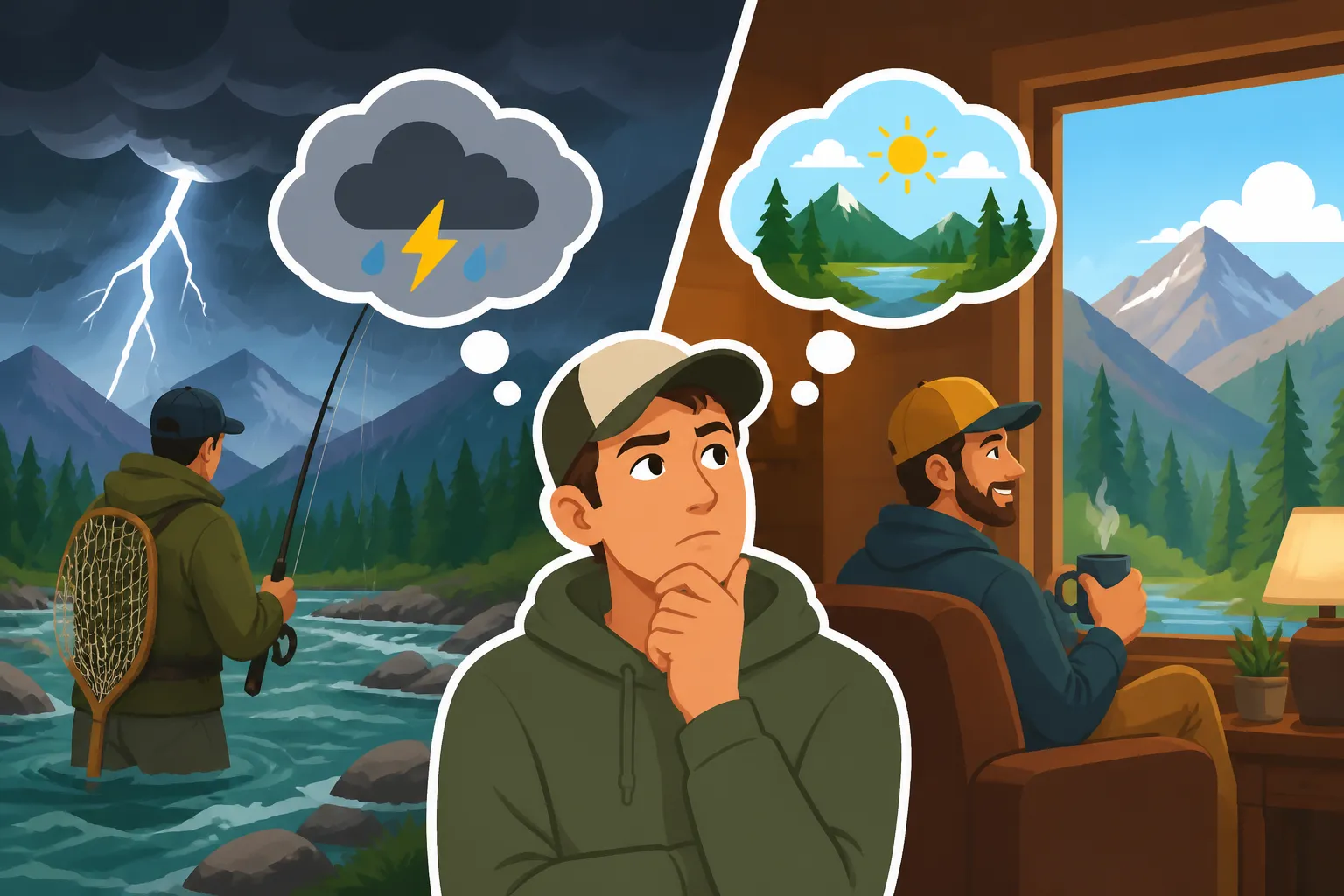
You've planned that eagerly anticipated Colorado fishing trip, perhaps a guided day on a Gold Medal river or a charter boat adventure on a vast reservoir. You've envisioned tight lines, stunning mountain backdrops, and memorable catches. But then, as the day approaches, you see that familiar forecast: "scattered thunderstorms," "high winds," or even "unexpected snow." It's a gut punch, and suddenly you're wondering, "What happens if all that amazing fishing gets canceled by the weather?" This guide is here to walk you through the realities of Colorado's unpredictable skies and how guided trips handle those inevitable curveballs.
The Inevitable Reality of Colorado Weather on Your Fishing Trip
Colorado's beauty is undeniable, but it comes with a wild, often unpredictable, weather pattern. One moment you're basking in warm sunshine, the next you're dodging hailstones or hunkering down against a sudden squall. This dynamic climate is part of the adventure, but it's also the primary reason fishing guides sometimes have to make tough decisions. Their top priority, and should be yours too, is safety.
How Quickly Weather Can Change in the Mountains
If you've spent any time in the Rockies, you know the saying: "If you don't like the weather, wait five minutes." This isn't just a quirky local saying; it's a fundamental truth that profoundly impacts outdoor activities, especially fishing. Imagine you're standing knee-deep in a crystal-clear river near Aspen or Buena Vista, the morning sun warming your back as you cast to rising trout. Two hours later, dark clouds might roll in with alarming speed, bringing not just rain, but powerful lightning, driving winds, and a drastic temperature drop.
These rapid changes aren't just uncomfortable; they can be downright dangerous. A sudden downpour can quickly turn a calm, wadeable river into a raging torrent, making footing treacherous and visibility poor. Lightning in an open boat on a reservoir, or even on a high-alpine stream, is an immediate and serious threat. Guides are constantly monitoring conditions, not just what's happening overhead, but what's brewing miles away, often using radar and local knowledge to anticipate shifts long before they're obvious to the casual observer. It's not uncommon for a guide to cut a trip short if they see a cell developing, choosing caution over an extra hour of fishing. This is why having a guide who knows the local nuances of the weather can make all the difference, not just for success, but for your safety.
Common Weather Events That Force Cancellations
Certain weather conditions are almost universally recognized as trip-enders for guided fishing excursions in Colorado. These aren't just inconveniences; they pose significant risks or make fishing entirely unproductive and unenjoyable.
- Lightning Storms: This is perhaps the most immediate and non-negotiable cancellation trigger. Being on open water, whether in a drift boat on a river or a motorboat on a reservoir, during an electrical storm is extremely dangerous. Guides will pull you off the water and seek shelter, even if it means ending the trip prematurely. The risk of being struck, or having equipment damaged, is simply too high to gamble. You might be disappointed, but trust that your guide is looking out for your life.
- Flash Floods and High Water: Colorado's steep canyons and narrow river valleys are prone to flash floods, especially during intense summer thunderstorms. Even without a full-blown flood, heavy, sustained rain can cause rivers to rise rapidly, turning clear, fishable water into a muddy, fast-moving soup. This not only makes wading or boating unsafe but also shuts down the fishing completely as fish hunker down. During spring runoff, rivers swell with snowmelt, making many sections unfishable for weeks. While this is often predictable, sudden, abnormal spikes can still occur. Guides will know which waters are most susceptible and will often recommend alternatives or cancellations if conditions are truly unsafe or unproductive. Understanding When Colorado's Spring Runoff Hits and How to Fish Around It is key to planning.
- Extreme Cold and Ice: While ice fishing is popular in Colorado, open water guiding doesn't typically operate in extreme cold. Early or late season cold snaps, coupled with high winds, can create hypothermia risks, especially on exposed boats. Similarly, unseasonably cold temperatures can cause unexpected ice formation on lakes, making launching or navigating impossible for standard open-water trips. No guide wants a client to suffer from frostbite or worse, so they'll call it if conditions are truly miserable and dangerous.
- High Winds: Wind is a constant factor in Colorado, and while a little breeze can be a blessing in summer, strong sustained winds can ruin a day on the water. On large reservoirs, high winds create dangerous waves that make boating unsafe and casting incredibly difficult. On rivers, even moderate wind can make fly casting nearly impossible, tangling lines and frustrating anglers to no end. It can also make maneuvering a drift boat hazardous, pushing it into obstacles. A guide might try to find sheltered spots, but if the wind is truly howling, a cancellation is often the best call for everyone's enjoyment and safety.
Understanding Your Guide's Cancellation Policy
When booking a guided fishing trip in Colorado, it's absolutely crucial to understand the guide's cancellation policy, especially concerning weather. This policy isn't just legalese; it's a framework that protects both you and the guide from financial loss and clarifies expectations when Mother Nature doesn't cooperate.
The "Act of God" Clause and Its Implications
Many guide services, like other outdoor activity providers, include an "Act of God" or "Force Majeure" clause in their terms and conditions. Simply put, this clause outlines what happens when circumstances beyond human control—like extreme weather—make the trip impossible or unsafe. It’s not meant to be a loophole for guides to cancel on a whim, but rather a necessary protection given the inherent unpredictability of the natural environment they operate in.
For you as the angler, this means that if the guide cancels due to truly adverse, unsafe weather conditions (think a major lightning storm, unseasonable blizzard, or dangerous flash flood warnings), they are typically not liable for any personal expenses you've incurred, such as flights, hotels, or rental cars. Their responsibility usually extends only to the cost of the guided trip itself. However, the specific terms will dictate whether you receive a full refund, a partial refund, or a credit for a future trip. It's vital to remember that the guide is making this call for safety, not out of malice. They lose money too when a trip is canceled, as their day's wages are directly tied to being on the water.
This clause underscores why choosing a reputable outfitter is important. Good guides will be transparent about their policies and will genuinely aim to get you on the water safely or offer fair alternatives. They rely on repeat business and positive word-of-mouth, so they want to ensure a good experience, even if it means rescheduling. This is where researching Choosing a Colorado Fishing Guide, What to Look For really pays off.
Options for Rescheduling, Refunds, or Credit
When a guided trip in Colorado is canceled due to weather, your options typically fall into one of three categories, depending on the outfitter's specific policy:
- Rescheduling: This is often the preferred option for both parties. If your schedule allows, the guide will try to work with you to find another date that works. This might be later in your current vacation, or even at a future date if you plan to return to Colorado. Many guides are incredibly flexible and will bend over backward to make this happen, as it means they don't lose the business entirely. If you're local or have flexible travel plans, this can be the easiest solution.
- Credit for a Future Trip: If rescheduling immediately isn't possible, many guides will offer a credit for the full amount paid, valid for a certain period (e.g., one year). This allows you to book another trip with them down the line, giving you time to plan your return. This is a common compromise that keeps the business with the guide while giving you assurance that your investment isn't lost.
- Full or Partial Refund: In some cases, especially if rescheduling or future credit isn't viable for either party, a full or partial refund might be issued. It's rare to get a full cash refund if the cancellation is weather-related and deemed an "Act of God" by the guide, but it does happen. More often, a partial refund might be given if the trip was cut short mid-day. The exact amount and terms will be clearly stated in their Cancellation Policies for Colorado Guided Trips. Always check if the refund process is direct from the guide or if it goes through a booking platform you used. For example, if you booked through a service like FishingBooker, you might need to coordinate the refund through their platform according to their terms.
The key takeaway here is communication. Don't wait until the last minute if you see adverse weather approaching. Reach out to your guide a few days in advance to discuss their forecast and what their protocol is. This shows respect for their time and helps you manage your expectations.
Proactive Steps You Can Take Before Your Trip
While you can't control the weather, you can absolutely take steps to minimize the disruption and disappointment if a Colorado guided fishing trip gets canceled. Being prepared can save you stress and money, allowing you to focus on the next fishing opportunity rather than logistical headaches.
Communicating With Your Guide About Weather Concerns
The relationship with your guide starts long before you meet them at the boat ramp. Good communication is your best friend when it comes to Colorado's fickle weather. As soon as you book, make sure you understand their weather policy. Don't be afraid to ask specific questions:
- "What constitutes a weather-related cancellation for your trips?"
- "What are my options if you have to cancel due to lightning or high water?"
- "How far in advance do you typically make a cancellation decision?"
As your trip date approaches, start monitoring the weather forecast for your specific fishing location. Mountain forecasts can be highly localized, so look beyond the general state forecast. If you see concerning weather patterns—such as a string of afternoon thunderstorms or sustained high winds—reach out to your guide a few days before your trip. A simple text or call like, "Hey, I'm seeing some strong storms in the forecast for Wednesday, just wanted to touch base on your plan if it looks rough," is perfectly appropriate.
Your guide lives and breathes these conditions. They'll have the most accurate, up-to-date local information and will appreciate your proactive approach. This open dialogue allows you both to discuss alternatives, potential rescheduling, or even a different fishing location that might be more protected from the elements. This foresight can often turn a potential cancellation into a successful pivot to another spot or day.
Booking Through Services That Offer Flexibility
The way you book your trip can sometimes offer an added layer of flexibility and protection. While booking directly with a local outfitter is always a great way to support small businesses, some anglers opt to use larger booking platforms or services that might have specific guarantees or mediation processes in place.
For instance, if you book your Colorado fishing adventure through a platform like FishingBooker, they often have their own customer service and dispute resolution mechanisms. This doesn't necessarily override the guide's direct policy, but it can provide an intermediary if communication breaks down or if you feel a policy isn't being applied fairly. These platforms typically have clear terms of service regarding cancellations, including those due to weather, and can help facilitate rescheduling or refunds. It's worth reviewing their specific policies before committing, alongside the guide's individual terms. Using such platforms can sometimes streamline the process of finding an alternative guide or trip if your original plan falls through.
Considering Travel Insurance for Non-Refundable Expenses
While your guide's policy might cover the cost of the actual fishing trip, it almost certainly won't cover your other non-refundable travel expenses. Think about your flight tickets, pre-paid lodging, or even non-refundable car rentals. If you're traveling a long distance for your Colorado fishing vacation, especially during unpredictable seasons like early spring or late fall, investing in travel insurance can be a smart move.
Many travel insurance policies offer coverage for trip cancellation or interruption due to unforeseen circumstances, which can include severe weather events that prevent you from reaching your destination or participating in your planned activities. Read the policy carefully to understand what specific weather-related events are covered and what documentation you'll need. If your guided trip is canceled, and you can't reschedule or get a full refund from the guide, your travel insurance might kick in to reimburse you for other associated costs, providing peace of mind and protecting your overall investment in the trip. It's an extra expense, but one that can be invaluable when Colorado's weather decides to be truly wild.
What to Do If Your Trip Gets Called Off Mid-Day
Sometimes, a trip starts under clear skies and promising conditions, only for the weather to turn unexpectedly. This happens more often than you'd think in Colorado's high country. A sudden lightning storm, an unforeseen spike in river flows, or even just an intense, unrelenting downpour can force a guide to make the call to end the trip early. This can be incredibly disappointing, especially if the fish were just starting to bite.
Prioritizing Safety First
It bears repeating: your guide's primary responsibility is your safety. If they decide to pull you off the water, even if it feels premature or the storm doesn't look that bad to you, trust their judgment. They are professionals with extensive experience in these conditions and know the local hazards intimately. A guide would much rather have a disappointed client than a client in danger.
Think of it this way: they're not just looking at the immediate danger. They're also considering how quickly conditions can worsen, potential escape routes, and the long-term safety of everyone involved. Being caught in a remote canyon during a flash flood or on a high mountain lake when lightning strikes nearby is a truly terrifying and life-threatening situation. Your guide is preventing that. Take it as a sign of their professionalism and care, even if it stings a bit to cut the fishing short. Pack up calmly, listen to their instructions, and remember that there will always be another day to fish.
Discussing Partial Refunds or Future Credits
When a trip is cut short due to weather, the financial implications can be a little nuanced. It's not a full cancellation, but you also didn't get the full experience you paid for. Most reputable guide services have a policy for these scenarios, and it typically involves either a partial refund or a pro-rated credit for a future trip.
- Partial Refund: A guide might offer a percentage of your trip fee back, reflecting the portion of the day that was lost. For example, if a full-day trip is cut off at lunchtime, they might offer a 50% refund.
- Pro-rated Credit: Alternatively, they might offer a credit for a certain number of hours or a discounted rate on a future trip to compensate for the lost fishing time. This is often preferred by guides as it encourages future business.
It's important to approach this conversation politely and understandingly. Your guide just lost a portion of their income too, and they likely feel bad about the situation. Discuss your options calmly. Avoid being demanding or confrontational. A good guide wants to ensure you still have a positive overall impression and will usually work with you to find a fair solution. Some guides might even offer an additional perk, like a discount on flies or gear from their shop, as a gesture of goodwill. Before your trip, you might also want to review common practices for Tipping a Colorado Fishing Guide, What's Standard, even if a trip is cut short.
Here’s a quick overview of how cancellation outcomes might typically vary:
| Scenario | Reason for Cancellation | Typical Guide Response | Your Potential Options |
|---|---|---|---|
| Guide cancels (pre-trip) | Dangerous weather (lightning, flood, blizzard) | Full refund, reschedule, or future credit | Reschedule, accept credit, or request refund |
| Guide cancels (pre-trip) | Unfavorable weather (extreme cold, high winds but not dangerous) | Reschedule, future credit (sometimes partial refund) | Reschedule, accept credit, discuss refund |
| Guide cuts trip short (mid-day) | Sudden dangerous weather (lightning, flash flood) | Pro-rated refund or pro-rated credit for future trip | Accept partial refund/credit, discuss next steps |
| Angler cancels (pre-trip) | Personal reasons, change of plans | Often loss of deposit or full payment if within cancellation window | Reschedule (if allowed by policy), forfeit payment, or use travel insurance |
| Angler cancels (pre-trip) | Minor weather concerns (not dangerous enough for guide to cancel) | Loss of deposit or full payment | Forfeit payment, try to reschedule (guide's discretion) |
Planning a fishing trip in Colorado means embracing the wild beauty of the landscape, and that includes its sometimes wild weather. While a weather cancellation can be a bummer, being prepared, understanding your guide's policies, and communicating openly can transform a potential disappointment into a manageable situation. Remember, the fish will always be there, and so will the incredible experience of fishing in Colorado.
Disclaimer
This article is for general informational purposes only and does not constitute professional advice. Laws, prices and regulations vary by location and change over time. Consult a qualified professional for guidance on your specific situation.