How Much to Tip a Colorado Fly Fishing Guide
The question of how much to tip a fly fishing guide in Colorado often feels like navigating a tricky riffle – you know you need to do it, but the exact path isn't always clear. It can be awkward and leave you wondering if you've done enough to show appreciation for a truly memorable day on the water. This guide will take the guesswork out of tipping, offering clear insights into standard practices, what influences your decision, and how to appropriately acknowledge your guide's hard work and expertise on your next Colorado fishing adventure.
Understanding the Culture of Tipping in Guided Fishing
It’s easy to think of a guided fishing trip as a simple transaction: you pay a fee, and the guide takes you fishing. But in the world of professional guiding, especially in a state like Colorado with such incredible natural resources, tipping is far more than just an optional extra. It’s an ingrained part of the industry, a reflection of appreciation, and often a significant portion of a guide’s income. Many people come off the river at the end of a long day, full of memories and perhaps a few fish stories, and then hesitate, unsure if their "thank you" should come with an additional monetary gesture. Trust me, it should.
The Guide's Role Beyond Just Fishing
When you hire a Colorado fly fishing guide, you're not just paying for someone to row a boat or show you where the fish are biting. You're investing in an entire experience, carefully curated by a professional who often dedicates their life to the craft. Think about it: they scout locations, monitor water conditions and hatches, maintain expensive gear like drift boats and waders, tie flies, pack lunches, and provide an immense amount of local knowledge and instruction. They're part teacher, part chef, part boat captain, part wilderness first aid responder, and part therapist all rolled into one. They often put in far more hours of preparation and post-trip cleanup than the actual time you spend on the water.
Consider a chilly morning on the Fryingpan River or a hot summer day floating the Colorado River. Your guide is there, often before dawn, getting the boat ready, rigging rods, and packing coolers. They're teaching you how to mend your line, identifying subtle rises, patiently untangling backlashes, and sharing insights into the river's ecosystem. They're making sure you're safe, comfortable, and having a good time, regardless of whether the fish are biting. That level of dedication and multi-faceted service truly goes above and beyond what a simple hourly wage would cover. It’s this deep level of commitment and expertise that makes a guided trip so special, and why acknowledging it through a tip is so important. If you're wondering Is a Colorado Guided Trip Worth It for Beginners?, this extensive support is a huge part of the answer.
How Guides Earn Their Living
For many professional fly fishing guides in Colorado, their wages from the outfitter might cover basic costs, but tips are what truly allow them to make a sustainable living. Guiding is a seasonal profession, often demanding long hours and physical exertion. Guides invest heavily in their own equipment – rods, reels, lines, specialized clothing, drift boat maintenance, fuel for shuttles, and even their personal education through courses and certifications. They are constantly honing their skills, exploring new water, and keeping up with the latest techniques and regulations to ensure they can provide the best possible experience for their clients.
Imagine the cost of owning and maintaining a specialized drift boat, the gas for daily shuttles, the wear and tear on waders and boots, and the endless supply of flies they might tie or purchase. Tips help offset these considerable operational expenses and compensate them fairly for their deep expertise and demanding work. It's similar to how waitstaff or barbers in the service industry rely on tips; it's a critical component of their overall compensation structure. When you factor in the physicality of the job, the early mornings, the late nights, and the incredible knowledge shared, a tip becomes a respectful recognition of their professionalism and their passion. When you book a trip, whether through a local fly shop or a platform like FishingBooker, remember that your guide is often working hard behind the scenes to make your day unforgettable.
Standard Tipping Percentages and What They Mean
Alright, let's get down to the brass tacks: what's the actual number? While there's no hard-and-fast rule etched in stone, the industry standard for tipping a fly fishing guide in Colorado generally falls within a specific range. This range is designed to give you a clear starting point, allowing you to adjust based on your personal experience and satisfaction. It's not about being cheap or extravagant; it's about being fair and appreciative.
What a "Good" Tip Looks Like
A widely accepted tipping range for a fly fishing guide in Colorado is 15% to 25% of the total trip cost. Let's break that down a bit.
- 15%: This is generally considered a solid, standard tip for a good trip. The guide was professional, helpful, put in the effort, and you had an enjoyable day. The boat was clean, the gear worked, and you felt well-cared for. Even if the fish weren't jumping into the net, if the guide's demeanor and effort were excellent, 15% is a respectable baseline.
- 20%: This is often seen as the mark of an excellent trip. The guide went above and beyond: perhaps they shared incredible local insights, worked tirelessly to find fish in challenging conditions, offered exceptional instruction, or just made the day incredibly fun and memorable. If you felt a genuine connection, learned a lot, and had a fantastic experience, 20% is a fantastic way to show it.
- 25% or More: This is for those truly exceptional, once-in-a-lifetime experiences. Maybe you landed your personal best fish, the guide flawlessly navigated a complex river, or their patience and teaching completely transformed your casting. If the guide delivered an experience that far exceeded your expectations and created memories you'll cherish forever, a tip in this higher range, or even above, is a fantastic gesture. It signals profound gratitude for an outstanding day.
Remember, the percentage is typically based on the cost of the guided portion of the trip. If your trip included lodging or other non-guiding services bundled into a single price, clarify what portion of the total fee is specifically for the guide's service. You can often ask the outfitter or check the booking details, perhaps even through a platform like FishingBooker, to understand how the costs are allocated, similar to understanding Colorado Fly Fishing Guide Costs Explained.
Adjusting for Exceptional or Challenging Trips
The beauty of a percentage-based tip is its flexibility. It allows you to recognize varying levels of service and varying conditions.
Exceptional Service:
Sometimes, a guide just clicks with you. They anticipate your needs, seem to know exactly what fly the fish want before you even ask, and their enthusiasm is contagious. Maybe they took extra time to teach your child how to cast, or they stayed late to help you land "just one more." Perhaps you were on a trip through the Gunnison River and the Black Canyon and the guide expertly navigated difficult rapids while putting you on fish. These are the moments when you lean towards the higher end of the 15-25% scale, or even exceed it. An exceptional guide makes the difference between a good day and an unforgettable one, and their dedication deserves to be recognized. This also applies if they handle unexpected challenges with grace, like a broken rod or a sudden change in weather, ensuring your day isn't derailed.
Challenging Conditions or Fewer Fish:
It’s crucial to remember that a guide cannot control the weather, the river conditions, or whether the fish decide to cooperate. Some days, despite the guide's best efforts, the fish just aren't biting. This should not automatically translate to a lower tip. If your guide worked tirelessly, remained positive, shared their knowledge, changed flies often, tried different techniques, and genuinely did everything in their power to make the day productive and enjoyable, they still deserve a tip at the standard 15-20% range. Their effort and professionalism are what you're tipping for, not just the number of fish caught.
Imagine a tough day on the Fryingpan River Below Ruedi Reservoir where a cold front moves in, shutting down the bite. If your guide is still cheerfully offering instruction, sharing stories, and keeping your spirits high, that effort is invaluable. The only time you might consider tipping below the standard range is if there was a clear lapse in professionalism – like chronic lateness, disinterest, unsafe practices, or a noticeable lack of effort. Even then, it's often better to address those concerns directly with the outfitter rather than solely reflecting it in a significantly reduced tip, as their income is so dependent on it. Most guides are passionate about what they do and truly want you to have the best experience possible.
| Service Level | Tipping Range | What It Means |
|---|---|---|
| Standard/Good | 15% | Professional, helpful, put in good effort, pleasant day. Met expectations. |
| Excellent | 20% | Went above and beyond, exceptional instruction, worked tirelessly, made the day incredibly fun and memorable. Exceeded expectations. |
| Outstanding/Superb | 25%+ | Truly exceptional experience, guide expertise shone through challenging conditions, landed a personal best, felt transformed by the instruction. Unforgettable trip. |
| Below Standard | <15% | Only if there was a clear lack of professionalism, effort, or safety. (Consider addressing with outfitter first, and remember that What Happens If Weather Cancels a Colorado Guided Trip is often out of the guide's control.) |
Factors That Influence Your Tipping Decision
Beyond the general percentages, several subtle (and not-so-subtle) factors can, and should, play a role in how you ultimately decide on your tip. These aren't about strict calculations, but rather about the qualitative aspects of your trip that make it unique. It's about personal judgment and recognizing the value of the experience you received.
Guide Professionalism and Experience
A guide's professionalism is paramount. Did they communicate clearly before the trip, arrive on time (or early!), and have all the necessary gear prepared? Were they knowledgeable about the local waters, regulations, and fish species, perhaps even discussing Colorado's Trout Species, A Field Guide or Colorado's Gold Medal Water Regulations Explained? Did they manage your expectations realistically, especially regarding the fishing conditions? A guide who is courteous, patient, and attentive to your needs, whether you're a seasoned angler or a beginner just learning to cast, truly elevates the experience.
Their experience also plays a huge role. A guide who has spent years on the South Platte Gold Medal Water will have an intimate understanding of its nuances, from the best drifts to specific hatches, which can make a significant difference in your success and enjoyment. An experienced guide can pivot quickly when conditions change, offering alternative techniques or locations. If your guide showed immense skill in reading the water, handling the boat, or providing timely instruction that genuinely improved your technique, that heightened level of expertise is definitely worth recognizing with a more generous tip. They're not just guiding; they're mentoring and providing a masterclass on the river. This is one of the key things to look for when Choosing a Colorado Fishing Guide, What to Look For.
Trip Success and Effort
While we've touched on this, it bears repeating: don't let the number of fish caught be the only determinant of your tip. Of course, a banner day with lots of fish is thrilling, and it makes it easy to open your wallet generously! But what if the fish were uncooperative? Did the guide still put in maximum effort? Were they constantly changing flies, moving spots, offering new strategies, and maintaining a positive attitude?
Consider a scenario where you're fishing a famous stretch like the Dream Stream. If the fish are being finicky, but your guide is still meticulously explaining why certain flies might work, patiently helping you adjust your cast, and diligently working to present the fly perfectly, their effort is undeniable. A guide who works hard to make the day enjoyable, even when the fishing is tough, is a treasure. Their dedication to your experience, regardless of the outcome with the fish, is a major factor in determining your tip. It shows they care more about your day than just counting catches.
Inclusions and Exclusions of Your Trip
Before you even step foot in the boat, understanding what's included in your trip cost can influence your tipping mindset. What's Included in a Colorado Guided Fly Fishing Trip? Many guides provide high-quality gear – rods, reels, waders, boots, and even flies – saving you the hassle and expense of bringing your own or renting. They often include a delicious streamside lunch, snacks, and beverages. These inclusions represent additional costs and effort on the guide's part that might not be immediately obvious.
If your trip was all-inclusive, with top-notch gear, a gourmet lunch, and maybe even transportation from your lodging, it shows a higher level of service and expense on their end. These details free you up to simply enjoy the fishing. Conversely, if you were expected to bring all your own gear, or if lunch was a simple sandwich you packed, it's less of an "extra" on the guide's part. Always clarify these details when Booking a Colorado Fishing Guide Online or through an outfitter, perhaps via FishingBooker. Knowing what you're getting for your base fee helps you appreciate the added value your guide provides and informs your tipping decision. Also, remember that your fishing license, like a Colorado Fishing License Guide for Residents and Nonresidents, is almost always your responsibility to purchase beforehand.
Practical Tipping Logistics for Your Colorado Guide
So, you've had a fantastic day on the water, you know roughly what you want to tip, but how do you actually do it? The mechanics of tipping can sometimes feel awkward, but a smooth and polite exchange can make the end of a great day even better.
Cash vs. Other Payment Methods
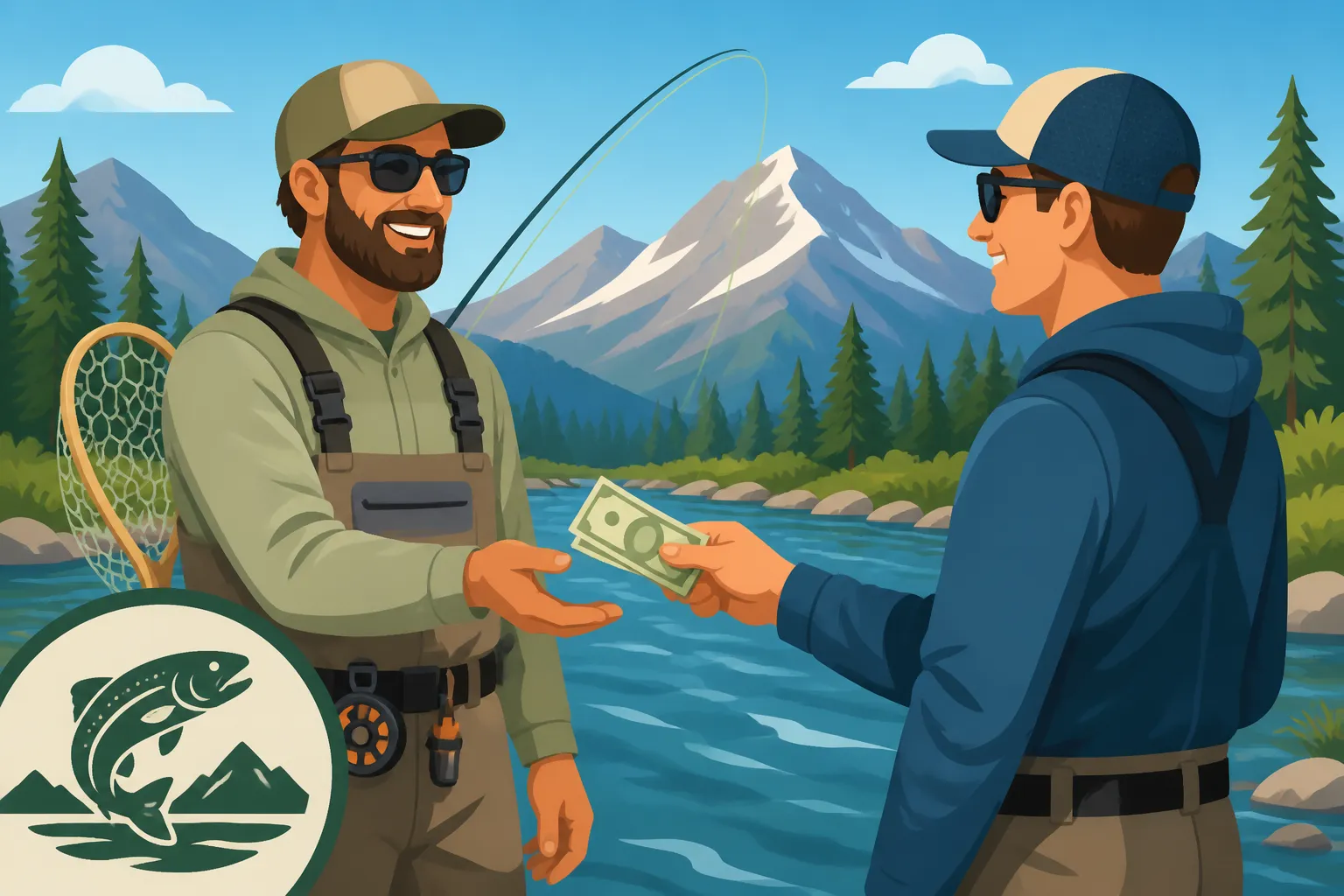
The overwhelming preference for guides is cash. Why? Because it's immediate, discreet, and ensures they receive 100% of the tip without any processing fees or delays. Guides often appreciate cash tips at the end of the day, as it allows them to take care of their personal expenses and re-invest in their gear or business without waiting for a paycheck.
However, in our increasingly cashless society, sometimes cash isn't feasible. Many outfitters now offer options to add a tip to your credit card payment when you settle up at the shop. While convenient, be aware that outfitters may take a small percentage (often 2-5%) of the credit card tip to cover processing fees. So, while it's a perfectly acceptable option, if you want to ensure your guide gets every penny, cash is king. Some guides might even have Venmo or other digital payment apps, but it's always best to ask discreetly at the end of the trip if you don't have cash on hand. Never assume they'll have an app ready; cash is the safest bet. This is one of the important Questions to Ask Before Booking a Colorado Fishing Guide or when settling up.
Tipping When Multiple Guides Are Involved
This scenario often comes up on larger group trips or multi-day expeditions where you might have one lead guide and one or more assistant guides. The general rule of thumb here is to tip each guide individually based on their direct contribution to your experience.
If you were primarily with one main guide throughout the day, and an assistant guide helped with shuttles or boat launch, you would typically give the bulk of your tip to the main guide, and a smaller, separate tip to the assistant. If you were on a trip with multiple boats, each with its own guide, you would tip your specific boat guide based on your experience with them directly.
For multi-day trips where different guides might take you out on different days, it's best to tip each guide at the end of their specific day. This prevents you from trying to remember who did what and ensures each guide gets their due recognition. Always err on the side of generosity, as many hands often make for a smoother and more enjoyable trip, and everyone contributing to that success deserves to be acknowledged. You can always ask the outfitter beforehand about their standard tipping practices for multi-guide trips if you're unsure.
Ultimately, tipping your Colorado fly fishing guide is a meaningful gesture that supports their livelihood and acknowledges their dedication to providing you with an incredible outdoor experience. It solidifies the professional respect and appreciation you have for their expertise, passion, and the hard work that goes into every single trip. Remember to consider How Far in Advance to Book a Colorado Fishing Guide and also what kind of gear you'll need, keeping in mind that Guided Trips With Gear Included vs Bring Your Own can affect the overall cost and convenience.
Disclaimer
This article is for general informational purposes only and does not constitute professional advice. Laws, prices and regulations vary by location and change over time. Consult a qualified professional for guidance on your specific situation.