Do You Need a License to Fish Private Water in Colorado?
It’s a common misconception, one that I hear often from new anglers and even some seasoned folks: "If I'm fishing on private land, do I still need a Colorado fishing license?" It feels logical to assume that if you have a landowner's permission, or if you're on a property owned by a club or resort, the state's rules might not apply. But the reality is far more nuanced, and misunderstanding it can lead to hefty fines and a ruined day on the water. This guide will unravel the specifics, helping you understand when and why a Colorado fishing license is almost always a necessity, even on private property.
The Fundamental Rule: Why a Colorado Fishing License is Almost Always Required
The core principle behind Colorado's fishing regulations is that fish are considered a public resource, belonging to the people of the state, regardless of whose land the water flows through or sits upon. This is a critical distinction that many people miss, and it’s the reason why a fishing license is rarely waived, even when you're on what seems like entirely private property.
Understanding Public vs. Private Water Access
When we talk about "private water" in Colorado, it often refers to the land surrounding the water, not necessarily the water itself or the fish within it. You might have secured permission from a generous landowner to access their stretch of a river or fish their pond, which is absolutely essential and a great start. However, gaining permission to access private property to fish is a completely separate legal matter from obtaining the state's authorization to harvest fish from those waters. Think of it this way: the landowner owns the land, but the state manages the wildlife, including fish, on behalf of all its citizens.
This principle extends to almost all waters in Colorado, whether they are small streams, large rivers, lakes, or ponds. Unless specifically exempted by Colorado Parks and Wildlife (CPW), any fish living in those waters are part of the state's wildlife resources. Even if a pond on private land is stocked by the landowner, if those fish originated from a public hatchery, or if the water body has any connection (even seasonal) to public waterways, the state typically maintains jurisdiction. This means if you're casting a line, you're interacting with a public resource, and you need a license. It’s a bit like hunting on private land; you need the landowner's permission to be there, and you need a state hunting license to legally hunt the game. For a deeper dive into statewide regulations, check out our guide on Colorado Fishing Regulations Every Angler Should Know.
Who Needs a License in Colorado?
Generally, anyone aged 16 and older who wishes to fish in Colorado needs a valid state fishing license. There are a few key exceptions, but these are very specific and rarely pertain to private water in a way that exempts everyone.
The most common exemption is for children. Kids 15 years old and under can typically fish without a license in Colorado, which is fantastic for introducing youngsters to the sport. However, their accompanying adult, if fishing, still requires a license. For more details on this, you can refer to our article, Do Kids Need a Fishing License in Colorado?. Another notable exception is the annual Free Fishing Weekend, usually held in June, where residents and non-residents can fish without a license for a couple of days. Beyond these specific cases, pretty much everyone else needs to be licensed. This applies to both residents and nonresidents, with different pricing structures for each. Our comprehensive Colorado Fishing License Guide for Residents and Nonresidents covers these categories in detail.
Specific Scenarios for Private Water Fishing
While the general rule is "always get a license," it’s helpful to explore common private water situations and clarify the expectations for each. These are the situations that most often cause confusion or frustration for anglers.
Stocked Private Ponds and Lakes
Let's imagine you've been invited to fish a friend's private pond, and your friend assures you, "Oh, I stock it myself, you don't need a license." While your friend might have the best intentions, this advice is often incorrect. In Colorado, even if a pond is stocked privately by a landowner, a state fishing license is typically still required for anyone fishing it. The key here often lies in the origin of the fish and the connectivity of the water.
If the fish stocked into the pond were purchased from a private hatchery that operates under a CPW permit, or if those fish originated from public waters, they are still subject to state regulations. Furthermore, many "private" ponds aren't truly isolated; they might have an inlet or outlet that connects, even intermittently, to a stream, river, or other public waterways. In such cases, the fish can move between public and private domains, making them a public resource. CPW views this connectivity as crucial. If your friend's pond relies on a stream flowing through their property, for example, that stream is considered public water, and any fish in it (or the pond it feeds) are fair game for state regulation. The onus is generally on the angler to verify that the water is truly isolated and exempt, which is a high bar to meet.
Commercial Pay-to-Fish Operations
Colorado has a growing number of private fishing clubs, lodges, and "pay-to-fish" operations that offer access to often pristine, well-managed fisheries, sometimes even on exclusive, private water. These can be incredible experiences, providing access to trophy trout or specific species that might be harder to find elsewhere. Many anglers will purchase special gear, maybe a new fly rod or some specific lures from stores like Amazon, planning for their big trip. However, even with the added cost of access, the vast majority of these commercial operations still require you to possess a valid Colorado fishing license.
Why? Because, like the private ponds discussed above, these operations almost always manage fish that are considered a state resource. They might purchase thousands of trout from state-approved hatcheries, or their waters might be connected to larger public systems. The fee you pay covers the access, the stocking, and the management of the fishery itself, but it does not typically substitute for the state's licensing requirement. Before booking a trip, always confirm their specific license requirements, but expect that you'll need one. Reputable outfitters will usually make this very clear during the booking process to ensure their clients are compliant.
Truly Isolated, Closed-System Private Waters
Now, for the extremely rare exception. There are instances of truly private, closed-system ponds or lakes in Colorado where a state fishing license might not be required. But these are few and far between, and they come with very stringent criteria. For a water body to be considered truly exempt, it typically must meet all of the following conditions:
- No Public Water Connection: It cannot have any inlet or outlet that connects to a stream, river, or other public body of water, even seasonally during high runoff. It must be entirely self-contained.
- No Public Fish Stocking: No fish can have been stocked from any CPW-managed hatchery or through any program that provides fish from public sources. Any fish in the pond must have been privately purchased from an approved, non-CPW-affiliated source, and legally transported.
- Strictly Private Access: The water must be entirely on private land, with no public access points or easements.
- Owner-Managed Fishery: The fish population must be entirely managed by the landowner without any intervention or stocking from CPW.
If a body of water meets all these conditions, it could potentially be fished without a state license. However, the burden of proof is on the angler or landowner. If a CPW officer encounters you fishing such a pond and you don't have a license, you would need to convincingly demonstrate that the water meets these exact, stringent criteria. Given the complexity and rarity, it's almost always safer and less stressful to simply assume you need a license. It saves you from having to argue your case with a game warden on the bank.
Navigating Private Access and Legalities
Understanding the rules for private water fishing in Colorado means grasping that it's a two-tiered system: you need permission to be on the land, and a license to interact with the fish. One does not negate the other.
Permission is Key, License is Separate
Let's reiterate: securing permission from a landowner to fish on their property is absolutely non-negotiable. Trespassing, even to fish, is illegal and can lead to fines, legal action, and a very negative perception of anglers. Always ask for permission, and respect the landowner's wishes. However, obtaining this permission does not, in any way, exempt you from needing a valid Colorado fishing license.
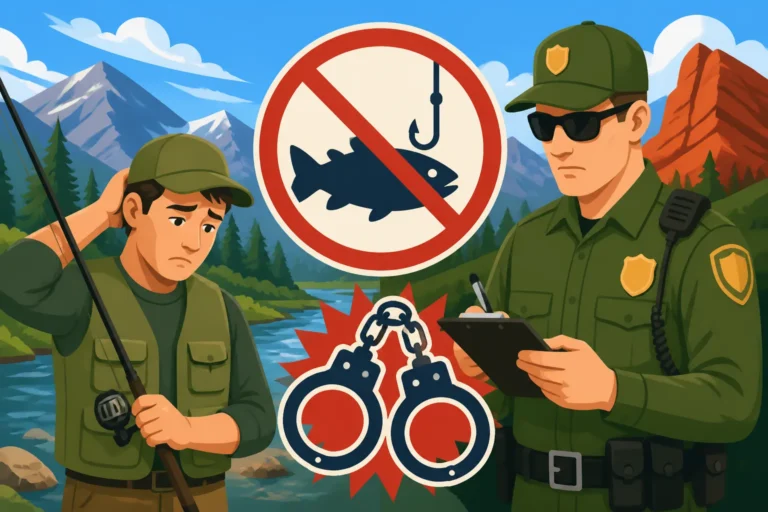
Many private landowners, especially those who frequently have guests fishing, understand this distinction and will likely remind you to bring your license. A friendly game warden checking licenses won't care if you have the landowner's blessing; their primary concern is that you are legally authorized by the state to fish. If you're caught fishing without a license, the penalties can range from significant fines to the forfeiture of your fishing gear, and even potential jail time in extreme or repeated cases. It's simply not worth the risk. Our article on What Happens If You Fish in Colorado Without a License goes into more detail about these consequences.
Verifying License Requirements on Specific Private Waters
If you're ever in doubt about a specific private water body, the best course of action is always to verify. Don't rely on hearsay or assumptions.
- Contact the Landowner/Operator: If you're fishing a private pond or a commercial pay-to-fish operation, ask them directly about the state fishing license requirement. They should be well-versed in the regulations governing their water.
- Contact Colorado Parks and Wildlife (CPW): This is the ultimate authority. You can reach out to your local CPW office or their main customer service line. Be prepared with specific details about the water body, its location, and any known connectivity to other waters. They can provide definitive guidance.
It's always better to be proactive and ensure you're compliant. Carrying your license, whether a physical copy or a digital one on your phone, is crucial. If you're looking to purchase a license, our guide on How to Buy a Colorado Fishing License provides all the necessary steps, including online and in-person options. Before heading out, you might even find useful accessories like a waterproof phone case for your digital license on Amazon, ensuring it's always protected and accessible.
The Role of the Habitat Stamp
If you determine that a Colorado fishing license is required for the private water you plan to fish (which, as we've established, is almost always the case), then you'll also need to consider the Habitat Stamp. The Colorado Habitat Stamp is a mandatory purchase for most anglers and hunters aged 18 to 64. It’s designed to generate funds for wildlife habitat protection, restoration, and public access projects across the state.
Crucially, if a fishing license is required, the Habitat Stamp is also required, regardless of whether you are fishing on public land or private land. The purpose of the stamp is to contribute to broader conservation efforts that benefit wildlife statewide, not just on publicly accessible lands. It's a fundamental part of responsible outdoor recreation in Colorado. So, if you're gearing up for a private water fishing trip, perhaps adding some new fishing lines or a tackle box to your Amazon cart, remember to include the Habitat Stamp in your licensing plans. Our article, Colorado's Habitat Stamp, Explained, offers a comprehensive overview, and if you're wondering Do You Need a Habitat Stamp to Fish in Colorado?, the answer for most licensed adult anglers is a resounding yes.
Here’s a quick summary of general licensing requirements for different private water scenarios:
| Scenario | Colorado Fishing License Required? | Habitat Stamp Required (Ages 18-64)? | Notes |
|---|---|---|---|
| Private Pond / Lake (Landowner Stocks) | Likely Yes | Likely Yes | If fish originate from public sources, or water connects to public systems. Assume yes unless definitively proven otherwise by CPW. |
| Private Pond / Lake (Truly Isolated) | Rarely No | Rarely No | Only if all strict CPW criteria for isolation, non-public fish, and private access are met. Proof is on angler. |
| Commercial Pay-to-Fish Operation | Almost Always Yes | Almost Always Yes | These operations typically manage state resources (fish from permitted hatcheries, connected waters). The fee covers access/management, not the license. |
| Private Stretch of a River/Stream | Always Yes | Always Yes | Rivers and streams are almost universally considered public water regarding fish ownership, even if the banks are private. Permission is for access, license is for fishing. |
| Private Resort/Club Lake | Almost Always Yes | Almost Always Yes | Similar to commercial operations; assume a state license is required. |
When in doubt, always err on the side of caution and purchase a Colorado fishing license, along with the required Habitat Stamp. It's a small investment that ensures you're fishing legally, supporting conservation efforts, and avoiding potential headaches or fines. You can enjoy the peace of mind knowing your angling adventure, whether on a secluded private pond or a bustling public river, is fully compliant with Colorado law.
Disclaimer
Please note: Regulations and laws can change. Always consult the most current Colorado Parks and Wildlife (CPW) regulations brochure or the CPW website for the most up-to-date and accurate information before engaging in any fishing activities.