Fishing Cheesman Canyon on the South Platte
Cheesman Canyon on the South Platte River is a name whispered with reverence and a little trepidation among Colorado anglers. It’s a place of breathtaking beauty and notoriously challenging fishing, leaving many feeling overwhelmed by its reputation and rugged access. This guide aims to pull back the curtain on fishing this iconic stretch, offering practical advice and insights to help you confidently navigate its trails, understand its finicky trout, and ultimately, find success in one of Colorado's most cherished Gold Medal Waters.
Getting to Know Cheesman Canyon's Allure
Cheesman Canyon isn't just another stretch of river; it's a destination that commands respect and preparation. Nestled deep in a granite gorge carved by the South Platte, it offers an angling experience unlike almost any other in Colorado. Its wild character, dramatic scenery, and the opportunity to hook truly magnificent trout are what draw seasoned anglers back year after year.
The South Platte's Wild Reputation
The South Platte River, especially within Cheesman Canyon, is renowned for its wild trout fishery. This isn't a heavily stocked urban pond; these are smart, wary fish that thrive in a pristine, challenging environment. The river here flows cold and clear year-round, fed by the deep waters released from Cheesman Reservoir. This consistent water temperature creates an ideal habitat for prolific insect hatches, which in turn support a dense population of large, healthy brown and rainbow trout. The wild nature of these fish means they are incredibly sensitive to pressure, making precise presentations and stealth essential for success. You won't find them eager to jump on just any fly; they've seen it all, and they've learned to be picky.
Historical Significance and Gold Medal Status
The geological history of Cheesman Canyon is as impressive as its fishing, with towering granite walls that are millions of years old. The canyon itself was formed by the South Platte cutting through these ancient formations, and the iconic Cheesman Dam, built over a century ago, is an engineering marvel that created the reservoir upstream. This dam's tailwater release ensures the consistent flows and cold temperatures critical for the fishery's health.
The term "Gold Medal Water" isn't thrown around lightly in Colorado. It's a designation given by Colorado Parks and Wildlife (CPW) to specific rivers or stretches that consistently produce at least 60 pounds of trout per acre, with at least 12 trophy-sized trout (14 inches or longer) per acre. Cheesman Canyon proudly holds this designation, signifying its exceptional water quality, abundant insect life, and the presence of genuinely large fish. Understanding what this means for fishing strategies and expectations is crucial; it implies a healthy ecosystem but also demands a higher level of angling skill. If you're curious about the specifics of this coveted designation, you can dive deeper into Colorado Gold Medal Water Regulations Explained.
Navigating the Rugged Terrain and Access Points
One of the biggest hurdles and defining characteristics of fishing Cheesman Canyon is its challenging access. This isn't a place where you can pull off the highway and cast a line. Reaching the best stretches requires a commitment to hiking, often over uneven and sometimes treacherous terrain.
The Gill Trail: Your Primary Pathway
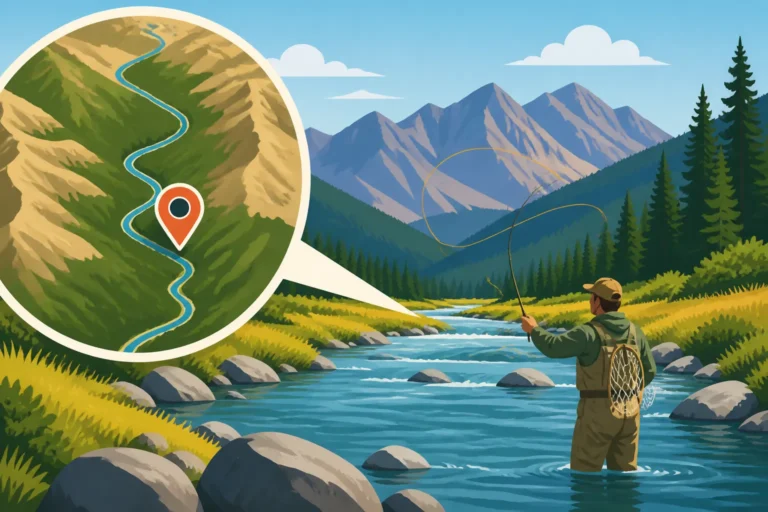
The primary way into Cheesman Canyon is via the Gill Trail. This trail starts near the Wigwam Club property, just below Cheesman Dam, and follows the South Platte River downstream. It's not a stroll in the park; it's a rugged, single-track path that can be steep, rocky, and exposed in places. Depending on how far into the canyon you plan to go, you could be looking at a several-mile hike just to reach your fishing spot, and then, of course, the hike back out. Many anglers choose to hike an hour or two in, finding their preferred solitude and productive water. Be prepared for elevation changes, especially if you venture further down the canyon where the trail drops closer to the river.
Packing light but smart is key for the Gill Trail. You'll want sturdy hiking boots with good ankle support, not just your wading boots, for the approach. Consider a quality backpack to carry your gear, water, and snacks, distributing the weight evenly. This trail can be particularly challenging in winter with ice and snow, or after heavy rains when it can become muddy and slick. Planning your approach and understanding the trail's demands is paramount for a safe and enjoyable trip. For a detailed guide on how to best tackle the hike, check out How to Access Cheesman Canyon Without a Long Hike.
Parking Challenges and Alternative Access Considerations
Parking for the Gill Trail is primarily located near the historic Wigwam Club, which is private property but offers public parking in designated areas for trail access. It's a popular spot, especially on weekends and during prime seasons, so arriving early is often essential to secure a parking space. The area can fill up quickly, leaving latecomers with a frustrating search or a much longer walk from roadside parking further away. Always respect "No Parking" signs and private property boundaries to avoid tickets or towing.
While the Gill Trail is the most common entry, some might consider more adventurous or less conventional access points further downstream. However, these often involve even more strenuous hikes, bushwhacking, or require knowledge of local land access, which can be complicated due to a mix of public and private property. For most anglers, the Gill Trail remains the most reliable and legal access point. It's also worth noting that some sections of the South Platte further downstream, while still excellent fisheries, are not considered part of the "Cheesman Canyon" experience in the same rugged, remote sense.
Understanding the Fish and the Water's Unique Character
The fish in Cheesman Canyon are a special breed, having adapted to the crystal-clear, cold, and challenging environment of the tailwater. Successfully hooking them requires not just skill, but a deep appreciation for their behavior and the unique aquatic ecosystem they call home.
Abundant Wild Trout and the Elusive Greenback Cutthroat
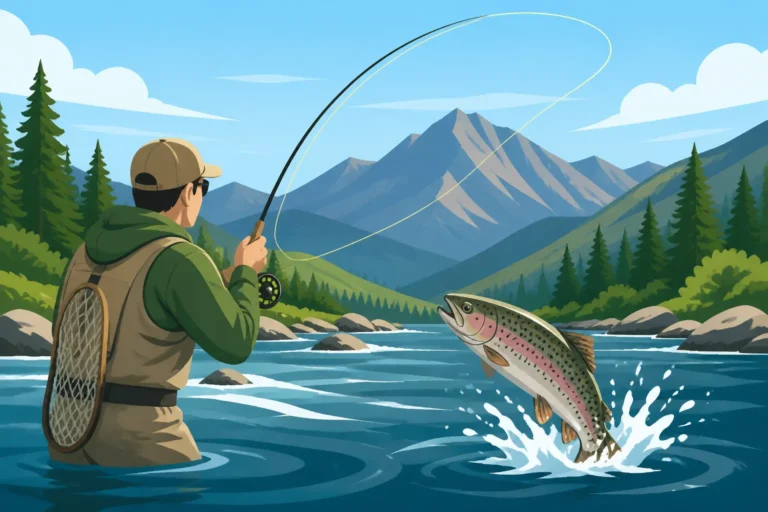
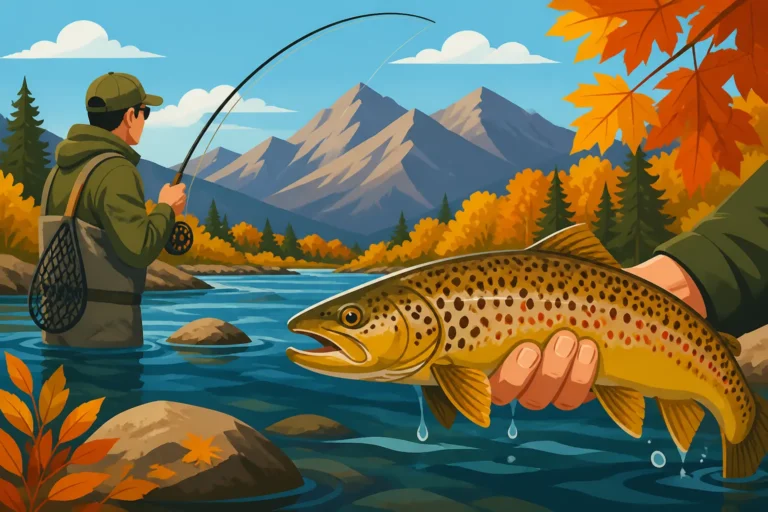
Cheesman Canyon is predominantly home to healthy populations of wild brown trout and rainbow trout. The browns are often vibrant and aggressive, growing to impressive sizes, while the rainbows are typically strong fighters, known for acrobatic leaps. Both species thrive on the canyon's rich insect diet. These fish are highly selective, scrutinizing every drift and presentation, making for truly rewarding catches.
Historically, this area was also home to the native Greenback Cutthroat Trout. While pure Greenbacks are incredibly rare and largely confined to protected recovery waters, efforts are underway to restore native cutthroat populations in various Colorado streams. Anglers in Cheesman Canyon might encounter a Colorado River Cutthroat or a hybrid cutbow, but the true Greenback is primarily found in specific, often closed-off, recovery streams. It's vital for anglers to be able to identify Colorado's Native Cutthroat Trout Subspecies and understand the regulations surrounding them. The presence of these native trout is a testament to the importance of conservation in this fragile ecosystem.
The Challenge of Ultra-Clear Water and Finicky Feeders
One of the most defining characteristics of Cheesman Canyon is its incredibly clear water. This beautiful clarity, while aesthetically pleasing, presents a significant challenge for anglers. Fish have an unobstructed view of everything, from your casting stroke to your leader and even the knots in your tippet. This means that stealth and precision are not just recommended, they are absolutely mandatory. Any unnatural movement on the bank, a splashy cast, or a heavy leader can send fish darting for cover.
Furthermore, the fish in Cheesman are notoriously finicky feeders. They are accustomed to a constant buffet of natural insects and are experts at identifying subtle differences between a real bug and a fly imitation. They'll often ignore flies that are just slightly off in size, color, or drift. This makes matching the hatch—or at least having a convincing imitation—paramount. You'll need to pay close attention to the prevailing insect activity, observe what the fish are actually eating, and be prepared to switch patterns and sizes frequently. This is where a detailed understanding of the river's entomology and keen observation skills come into play.
Essential Gear and Techniques for Success
Tackling Cheesman Canyon requires more than just a rod and reel. It demands a thoughtful approach to gear selection and a refined understanding of the specific techniques that excel in this challenging environment.
Waders, Boots, and Smart Layering
Given the cold, clear water and the need to wade effectively, quality waders and sturdy wading boots are non-negotiable. Neoprene waders are often preferred in colder months, while breathable waders are excellent for warmer weather, layered appropriately underneath. Choose wading boots with good grip, possibly even studded soles, as the river bottom can be slick with algae-covered rocks. The current, while not always overwhelmingly fast, can be strong in certain spots, making stable footing crucial. Remember that the Gill Trail is rugged, so consider a comfortable pair of hiking boots for the approach, then switch to your waders and boots once you get closer to the river.
Layering your clothing is also critical, as canyon temperatures can fluctuate dramatically throughout the day. A waterproof and windproof outer shell is essential, even on sunny days, as sudden storms or gusts of wind can sweep through the canyon. Moisture-wicking base layers and insulating mid-layers will keep you comfortable in varying conditions. Don't forget a hat, polarized sunglasses (to spot fish and protect your eyes), and sunscreen.
Leader, Tippet, and the Right Fly Box
For Cheesman Canyon, your leader and tippet setup are almost as important as your fly choice. The clear water demands long, fine leaders, often 9-12 feet, tapered down to delicate tippet material, typically 5x to 7x. Fluorocarbon tippet is often preferred due to its low visibility in water and its abrasion resistance against rocks. You'll want a variety of tippet sizes to adapt to changing conditions and fish selectivity.
Your fly box for Cheesman Canyon should be well-stocked with a diverse range of patterns.
- Midges: These are a year-round staple. Think tiny, size #20-26, in various colors like black, red, cream, and olive. Zebra Midges, Top Secret Midges, and JuJuBaetis are local favorites.
- Blue-Winged Olives (BWOs): Crucial during spring and fall hatches, especially on cloudy days. Sizes #18-24 in both nymph and adult patterns.
- Caddis: Various caddis patterns, both larvae and adults, especially during summer and early fall.
- Stoneflies: Pat's Rubber Legs or a 20-Incher Stone can be excellent lead nymphs, especially in faster, deeper runs.
- Terrestrials: In late summer and fall, grasshoppers, ants, and beetles can be very effective, particularly along undercut banks.
- Streamers: For targeting larger brown trout, especially in lower light conditions or during higher flows, small streamers like a Sculpzilla or a Thin Mint Bugger in olive or black can be deadly.
Having a selection of these patterns in various sizes will significantly increase your chances. For more on local recommendations, check out Best Flies for Colorado's Gold Medal Trout Water.
Nymphing, Dry-Droppers, and Stealthy Approach
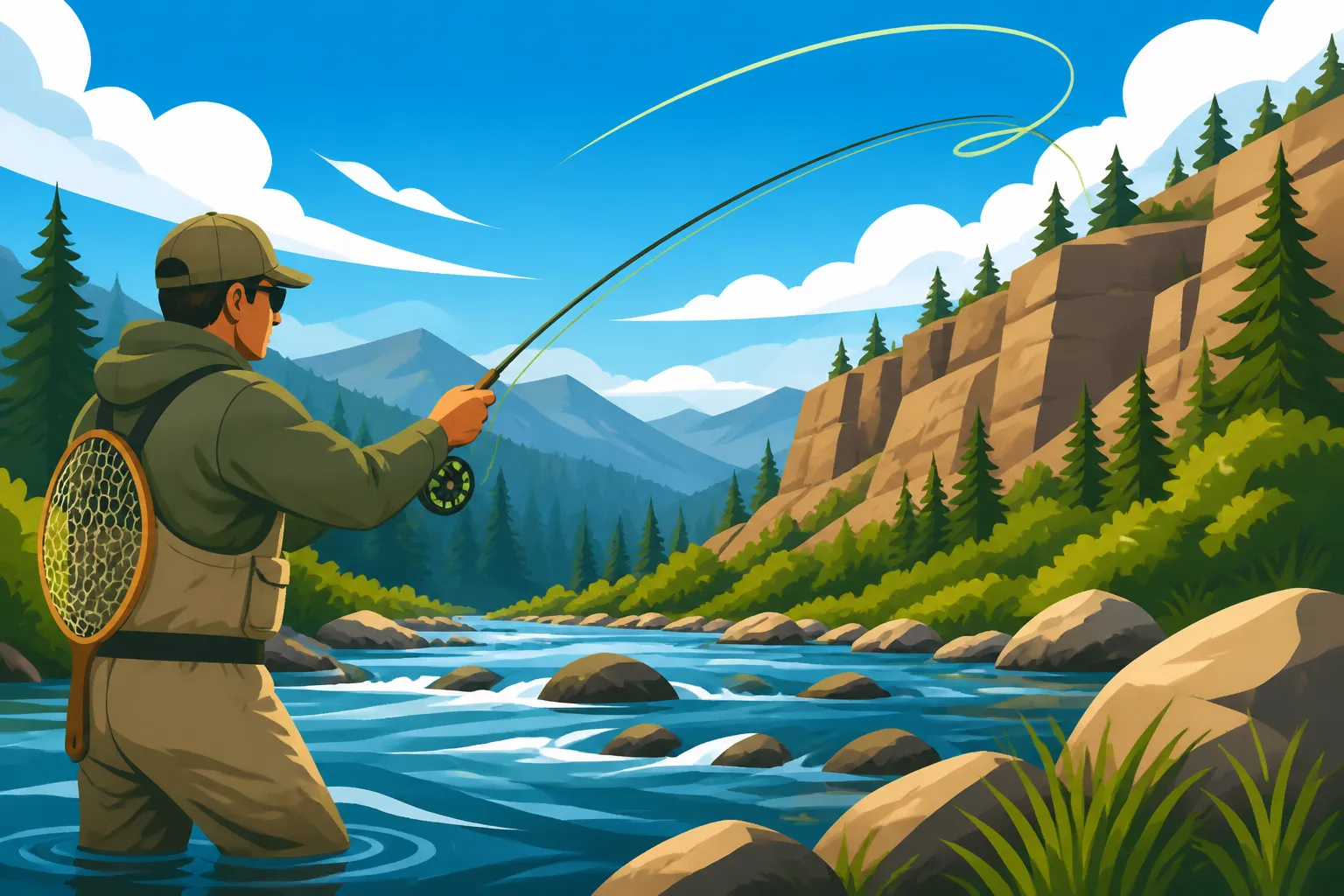
The primary technique for success in Cheesman Canyon is often nymphing. A well-executed nymph rig, often involving two flies under an indicator or using a Euro Nymphing approach, allows you to target fish feeding on subsurface insects. Focus on precise casts upstream, allowing your flies to drift naturally without drag. Weight (split shot) and indicator placement will need constant adjustment to match the depth and speed of the current. A great resource for mastering this is Nymphing Techniques for Colorado Tailwaters.
When fish are actively rising, or when you want to cover water more broadly, a dry-dropper rig can be highly effective. A buoyant dry fly (like a foam hopper or large caddis) acts as both an attractor and an indicator, suspending a smaller nymph or emerger below it. This can be especially fun in pocket water or along seam lines.
Regardless of the technique, a stealthy approach is paramount. Stay low, move slowly, and avoid casting a shadow over the water. Long casts are often necessary to avoid spooking fish. Practice your roll casts and accurate presentations to minimize false casts and keep your line off the water. The fish here are highly educated, and a sloppy presentation will send them running.
Regulations and Etiquette for Cheesman Canyon
Fishing in a pristine environment like Cheesman Canyon comes with a responsibility to uphold strict regulations and practice good etiquette to preserve the fishery for everyone. CPW has specific rules designed to protect the wild trout populations.
Barbless Hooks and Catch-and-Release Practices
Cheesman Canyon, like many Gold Medal Waters, has special regulations in place. A key rule to remember is that it is strictly catch-and-release only for all trout. This means any trout you catch must be immediately and carefully returned to the water. This policy is critical to sustaining the wild trout populations that make the canyon so special. To minimize harm to the fish, barbless hooks are mandatory. This makes hook removal much easier and less damaging to the fish's mouth. You can achieve this by simply crimping down the barb on your hooks with a pair of pliers. For a deeper understanding of these vital practices, refer to What Catch-and-Release Only Means on Colorado Water and Barbless Hook Rules on Colorado Rivers.
When practicing catch-and-release:
- Minimize handling: Try to keep the fish in the water as much as possible.
- Wet your hands: Always wet your hands before touching a fish to protect its protective slime coat.
- Use a net: A rubber or knotless mesh net can help secure the fish for quick de-hooking.
- Support the fish: When holding for a quick photo, support its body horizontally and return it gently to the water, allowing it to recover before swimming off.
Respecting Other Anglers and the Environment
Part of the Cheesman Canyon experience is sharing its beauty with others. Given the challenging access and finite productive water, respect for other anglers is crucial. Maintain a reasonable distance from other fishermen; generally, an unofficial rule is to allow at least 100 feet (or a comfortable cast's length) between anglers. Don't crowd someone's spot, and if you're walking along the bank, try to do so out of the water or high on the bank to avoid disturbing potential fish runs. If you plan on fishing here, it's also a good idea to refresh yourself on the comprehensive Colorado Fishing Regulations Every Angler Should Know and ensure you have a valid Colorado Fishing License Guide for Residents and Nonresidents.
Beyond human interactions, environmental stewardship is paramount. Pack out everything you pack in—including all trash, broken leader, and old flies. Leave no trace. Avoid disturbing riverbanks, stream beds, or natural vegetation. This fragile ecosystem thrives on minimal human impact. Remember, the beauty of Cheesman Canyon is its wildness, and it's up to every angler to help preserve it. This includes being aware of any Colorado Bait Restrictions and Where They Apply which typically mean only artificial flies and lures are permitted in Gold Medal Waters.
Best Times to Fish Cheesman Canyon
Knowing when to fish Cheesman Canyon can significantly impact your success and overall experience. Each season offers unique challenges and rewards, from the icy grip of winter to the vibrant hatches of spring and fall.
Seasonal Hotspots and Conditions
Spring (March – May): This can be a fantastic time to fish Cheesman, but it requires adaptability. Early spring often brings excellent Blue-Winged Olive (BWO) hatches, especially on overcast days. Midges are also still a significant food source. However, later in spring, Colorado's notorious runoff period can begin. While Cheesman's tailwater status often means it fishes better during runoff than freestone rivers, flows can still increase and water can become slightly off-color after heavy rains or significant snowmelt from side tributaries. Always check current stream flows and conditions before heading out.
Summer (June – August): Summer in the canyon can be a mixed bag. Early summer sees the peak of caddis hatches and potentially some larger stonefly activity. Terrestrial patterns (hoppers, ants, beetles) become very effective from July into August, particularly on sunny afternoons. However, midday fishing can be slow as fish become lethargic in the brightest sun. The biggest challenge in summer is often the heat and intense sun in the exposed canyon, making early mornings and late evenings the most productive times. Thunderstorms are common in the afternoons, so be prepared for rapidly changing weather.
Fall (September – November): Many consider fall to be the prime fishing season in Cheesman Canyon. The cooler temperatures bring fish out of their summer doldrums, and intense BWO and midge hatches return. This is also when brown trout begin their pre-spawn feeding frenzy and later their spawning rituals. Streamer fishing for aggressive brown trout can be particularly effective during this time, especially on cloudy days or in the early morning and late evening. The canyon's foliage turns brilliant colors, adding to the beauty of the experience.
Winter (December – February): Don't dismiss winter! While challenging due to cold temperatures and potentially icy trails, winter fishing can be incredibly rewarding. Midges are the dominant food source, and fish often stack up in deeper, slower pools. Success depends on small flies, light tippets, and a perfect, drag-free drift. Days with stable weather and sunshine can bring surprisingly good fishing, but be prepared for cold fingers and icy conditions on the hike in. Remember to check local ice fishing regulations and safety if you're ever considering other bodies of water, but Cheesman is a moving river.
Predicting Hatches and Optimal Fishing Windows
To truly succeed in Cheesman Canyon, you need to become adept at predicting hatches and understanding the optimal fishing windows.
- Weather Conditions: Overcast, mild days are often best for BWO hatches. Sunny, warm days are great for terrestrials. Cold, clear days mean midges.
- Time of Day: Early mornings and late evenings are almost always productive, as fish move into shallower water to feed. Midday can be slower, especially in summer.
- Water Temperature: Stable water temperatures generally mean more active fish and predictable hatches. Dramatic drops or rises can put fish off.
- Observation: The best predictor is direct observation. Spend time watching the water for rises, looking under rocks for nymphs, or observing adult insects flying in the air. This will tell you exactly what the fish are feeding on.
Keep an eye on online fishing reports and forums from local fly shops (like Angler's Covey or The Blue Quill Angler) that focus on the South Platte. These can offer valuable, up-to-the-minute information on conditions and what flies are working. While you can always find a Colorado fishing guide on platforms like FishingBooker for other rivers, a DIY trip to Cheesman Canyon requires you to be your own expert observer.
| Season | Primary Hatches/Food Sources | Recommended Flies | Key Considerations |
|---|---|---|---|
| Spring | BWOs, Midges, some Caddis | JuJuBaetis, Zebra Midge, Pheasant Tail, Barr's Emerger | Runoff potential, variable flows; BWO hatches on cloudy days. |
| Summer | Caddis, Terrestrials (Hoppers, Ants), PMDs | Elk Hair Caddis, Foam Hoppers, Amy's Ant, Parachute Adams | Early mornings/late evenings best; afternoon thunderstorms common. |
| Fall | BWOs, Midges, Caddis, Sculpins | Baetis nymphs, RS2, Graphic Caddis, Sculpzilla, Autumn Splendor | Excellent streamer fishing for brown trout; vibrant foliage. |
| Winter | Midges (dominant), some BWOs | Black Beauty, Top Secret Midge, Griffith's Gnat, Brassie | Cold weather gear essential; fish in deeper, slower water. |
Disclaimer
Please remember that fishing regulations and conditions can change. Always consult the most current Colorado Parks and Wildlife regulations before heading out on any fishing trip. This guide is for informational purposes only and does not supersede official regulations. Stay safe, be prepared, and enjoy your time on the water.