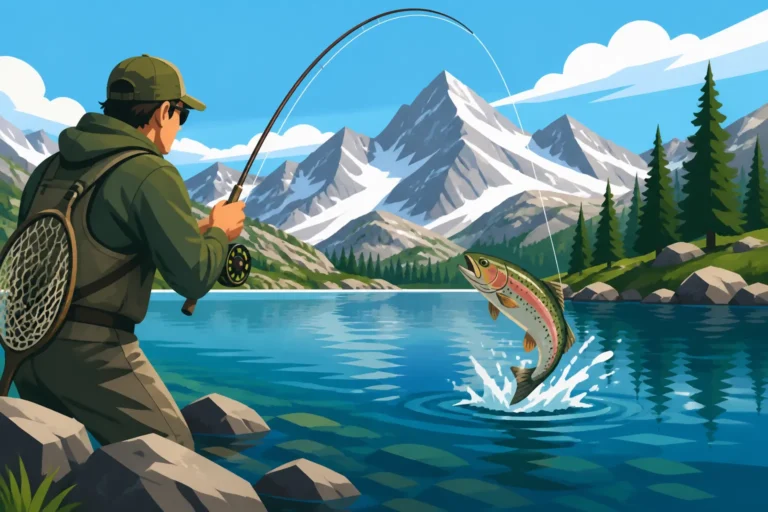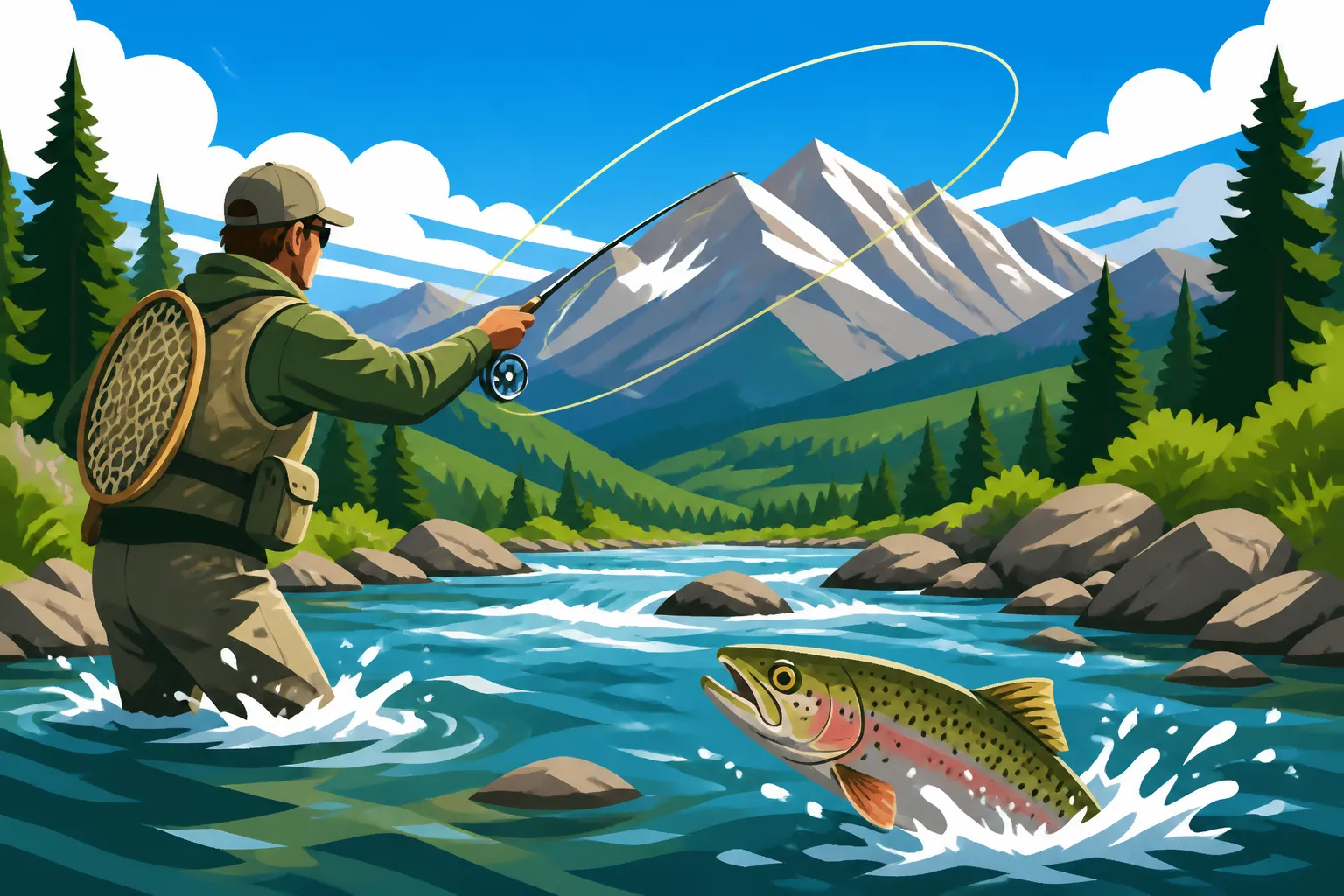
Fishing the Dream Stream Between Spinney and Eleven Mile
The reputation of Colorado's Dream Stream often precedes it, drawing anglers from all corners with promises of trophy trout and exhilarating fights. Yet, many arrive only to find themselves overwhelmed by the sheer number of fellow fishermen, the incredibly selective fish, and the complex regulations that govern this unique stretch of water. This comprehensive guide is designed to cut through the noise, offering you an honest, in-depth look at what it truly takes to successfully fish the iconic Dream Stream, whether you're a seasoned fly angler or a curious beginner looking to understand its mystique.
What is the Dream Stream and Why is it So Famous?
The "Dream Stream" isn't its official name, but rather an affectionate moniker given by anglers to a remarkable section of the South Platte River. This stretch connects Spinney Mountain Reservoir and Eleven Mile Reservoir, creating a highly fertile, consistent tailwater environment that fosters incredible trout growth. Its fame stems from the sheer size and abundance of the trout, particularly the brown and rainbow varieties, which can reach truly impressive lengths and weights. It's a place where a 20-inch fish isn't just a dream, but a genuine possibility, making it a bucket-list destination for many.
Location and Geographic Significance
This renowned section of the South Platte River flows through a relatively open, high-plains landscape in Park County, Colorado, nestled within the Eleven Mile State Park boundaries. The river itself meanders for approximately 3.5 miles between Spinney Mountain Reservoir upstream and Eleven Mile Reservoir downstream. Its geographical location is crucial because it acts as a controlled outflow from Spinney, meaning water temperatures and flows are relatively stable compared to freestone rivers that are entirely dependent on snowmelt and rainfall. This consistent environment is a key factor in the stream's incredible productivity and its ability to sustain such large fish populations.
The surrounding landscape is largely open, characterized by sagebrush, grasses, and scattered pines, which offers both beauty and challenges. While it provides stunning views of the Front Range and the surrounding peaks, the lack of tree cover can make for tricky casting on windy days and leaves anglers exposed to the elements. This also means fish have fewer places to hide from predators, leading them to be incredibly wary and educated, which contributes to the stream's reputation as a challenging fishery. Understanding this unique location is the first step in appreciating the "Dream Stream" for what it truly is: a remarkable natural anomaly shaped by human engineering and geological forces.
Its Reputation: Trophy Trout and Crowds
The Dream Stream's reputation for trophy trout is well-deserved. Thanks to the nutrient-rich waters flowing from Spinney Mountain Reservoir and the abundant food sources, trout here grow exceptionally large. Rainbows and brown trout regularly reach 18-24 inches, and anglers frequently encounter fish even larger than that. This creates a thrilling environment where every cast holds the potential for a fish of a lifetime. The sheer density of large fish is a major draw, attracting anglers seeking that adrenaline rush of battling a hefty trout.
However, this fame comes with a significant caveat: crowds. Especially during peak seasons, holidays, and weekends, the Dream Stream can become incredibly busy, with anglers often standing shoulder-to-shoulder in popular runs. This high pressure means the fish are incredibly "educated" – they've seen every fly, every retrieve, and every angler approach imaginable. This intense pressure makes them incredibly selective and spooky, often requiring immaculate presentations, tiny flies, and long, fine leaders. While the prospect of a trophy fish is enticing, managing the crowds and adapting to the highly pressured fish is a critical skill for anyone hoping to succeed here. It's a place where patience, stealth, and technical skill are paramount, and where the rewards, though hard-won, can be truly spectacular.
Understanding the Unique Ecosystem and Fish Species
The Dream Stream's exceptional fishery isn't just luck; it's the result of a perfectly balanced, albeit man-made, ecosystem. The constant flow of water, regulated by the reservoirs, and the rich nutrient exchange create an ideal environment for both the fish and their primary food sources. It's a dynamic system that any angler needs to understand to truly unlock its secrets.
The Role of Spinney and Eleven Mile Reservoirs
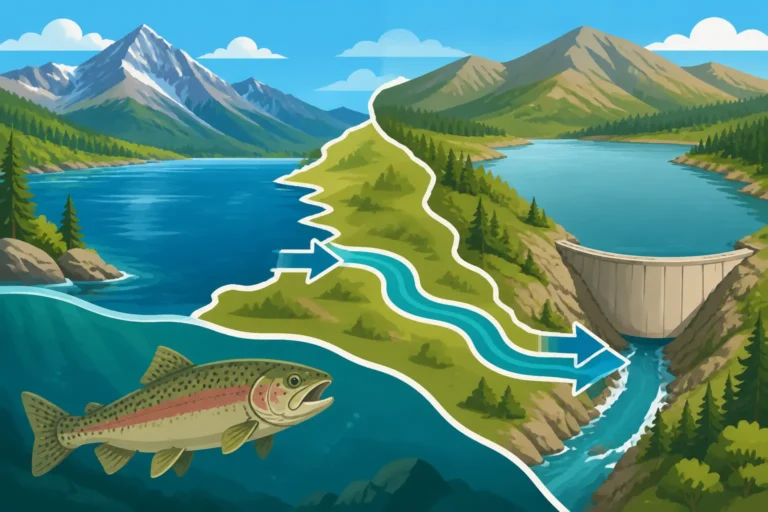
The existence and quality of the Dream Stream are inextricably linked to Spinney Mountain Reservoir upstream and Eleven Mile Reservoir downstream. Spinney Mountain Reservoir acts as the primary "engine" for the Dream Stream. As a nutrient-rich, high-elevation reservoir, it supports a healthy population of aquatic invertebrates and small baitfish, many of which get flushed into the river below. The consistent cold water released from Spinney maintains optimal temperatures for trout year-round, even during the heat of summer, preventing thermal stress that can limit fish growth in other rivers.
Eleven Mile Reservoir, on the other hand, provides the lower boundary and a critical spawning ground. Fish from Eleven Mile, including massive brown trout and kokanee salmon, migrate upstream into the Dream Stream to spawn during their respective seasons. This influx of large, migratory fish dramatically boosts the trophy potential of the stream and creates unique fishing opportunities that are unlike many other rivers in Colorado. Understanding how these two large bodies of water influence the stream's flow, temperature, and fish populations is fundamental to planning a successful trip. The interaction between these reservoirs is what creates the Dream Stream's exceptional character.
Primary Fish Species: Rainbows, Browns, and Kokanee
The Dream Stream is primarily known for its incredible populations of rainbow and brown trout, both of which grow to impressive sizes here. Rainbow trout thrive in the cold, clear, and oxygenated waters, feasting on the abundant aquatic insect life. You'll often find these vibrant, hard-fighting fish in the faster runs and riffles, where they actively feed. They are typically stocked, but many achieve wild-like qualities and impressive size due to the rich environment.
Brown trout, on the other hand, are often the true giants of the Dream Stream. These wary, often nocturnal predators can be found lurking in deeper pools, under cut banks, or near structure. They are highly sought after, especially during their fall spawning runs when their colors intensify, and their aggressive behavior makes them more vulnerable to streamer and egg patterns. Many of these fish migrate up from Eleven Mile Reservoir, adding to their legendary size.
Beyond the trout, the Dream Stream also sees a spectacular run of kokanee salmon in the fall. These landlocked sockeye salmon turn brilliant red as they make their way upstream from Eleven Mile to spawn. While they are difficult to catch on traditional flies or lures once they are in their spawning phase (as they stop actively feeding), their presence provides an exciting visual spectacle and leaves behind a bounty of eggs that become a crucial food source for the hungry trout. Anglers targeting trout during this time often have great success with egg imitations. For a deeper dive into the various species, exploring a guide like "Colorado's Trout Species, A Field Guide" can be incredibly helpful.
Aquatic Insects and Food Sources
The rich and diverse food base is a cornerstone of the Dream Stream's ability to grow such large trout. The most common aquatic insects are midges, blue-winged olives (BWOs), and caddisflies. Midges are present year-round, but become particularly important during colder months, hatching even in the depths of winter. BWOs are a significant food source in spring and fall, especially on overcast days, leading to exciting dry fly opportunities. Caddisflies are more prominent in late spring and summer, with their erratic egg-laying flights often bringing fish to the surface.
Beyond these staples, stoneflies, particularly smaller patterns, can be effective, especially in faster, oxygenated runs. Terrestrial insects like grasshoppers and ants become relevant in late summer and early fall, particularly on windy days when they are blown into the water. The significant runs of kokanee salmon and brown trout in the fall also introduce a massive influx of protein-rich eggs into the system, which trout gorge themselves on, making egg patterns incredibly effective. Learning to "match the hatch" by observing what insects are present and understanding their life cycles is paramount here. This involves careful observation of the water, the banks, and even the air for signs of emerging insects or adult flies.
Seasonal Strategies for Fishing the Dream Stream
The Dream Stream offers fantastic fishing opportunities throughout the year, but success truly hinges on understanding and adapting to its seasonal changes. Each season brings unique challenges and rewards, from the frigid depths of winter to the vibrant spawning runs of fall.
Spring: Pre-Runoff and Spawning Runs
Spring on the Dream Stream is a season of transition and excitement, often heralded by the pre-runoff period in March and April. During this time, water flows are usually moderate, and the weather can be a mixed bag of sunshine, snow, and wind. Trout become increasingly active as water temperatures begin to slowly rise, and the first significant hatches of blue-winged olives (BWOs) often begin. This can lead to some excellent dry fly fishing, particularly on cloudy, warmer afternoons. Nymphing with midge, BWO, and small stonefly patterns remains consistently productive in deeper runs and slower pools.
As spring progresses into late April and May, the focus often shifts to the rainbow trout spawn. Rainbows migrate upstream to lay eggs, becoming more aggressive and territorial. While tempting, it's crucial to avoid targeting actively spawning fish on redds (their gravel nests) to protect future generations. Instead, focus on fish holding in deeper water downstream of redds, feeding on dislodged eggs and opportunistic nymphs. This time of year can also see increased flows from snowmelt in the surrounding high country, though the reservoir control helps mitigate extreme runoff compared to freestone rivers. Keeping an eye on "Colorado Fishing Season Dates and Bag Limits" will provide the specific regulatory windows.
Summer: Hatches and Technical Fishing
Summer on the Dream Stream, typically from June through August, brings long, sunny days and generally stable flows, although afternoon thunderstorms can temporarily muddy the water. This is often when the most diverse insect hatches occur, including various caddisflies, larger midges, and occasionally some smaller stoneflies. Early mornings and late evenings can offer fantastic dry fly fishing as trout become more active during cooler temperatures and insects emerge or fall. Mid-day fishing can be more challenging due to bright sun, higher water temperatures, and wary fish.
During summer, the highly educated trout of the Dream Stream demand impeccable presentations and often require longer leaders and finer tippets. Stealth becomes even more critical, as fish are easily spooked in the clear water. Technical nymphing is usually the most consistent method, using small imitations of midges, BWOs, and caddis larvae. Dry-dropper rigs can be very effective in searching shallower runs and riffles. As the water warms, it's also important to practice good catch-and-release ethics, minimizing fight times and handling fish gently to reduce stress. If you're planning a trip, consider exploring services like FishingBooker to connect with local guides who specialize in these technical summer conditions.
Fall: Brown Trout Spawning and Kokanee Runs
Fall, from September through November, is arguably the most celebrated season on the Dream Stream. The crisp air, vibrant foliage, and cooler water temperatures ignite a flurry of activity, drawing anglers hoping to intercept trophy fish. This is the prime time for the brown trout spawning run, as massive browns migrate from Eleven Mile Reservoir into the stream. They become incredibly aggressive, making streamer fishing a highly effective, albeit challenging, method. Egg patterns are also extremely productive, as trout of all species feast on the abundant salmon and trout eggs in the system. Learning about "Brown Trout Spawning Season in Colorado" can provide additional insight.
Alongside the brown trout, the Dream Stream witnesses a spectacular run of kokanee salmon, which also migrate from Eleven Mile Reservoir to spawn. These salmon turn brilliant red and, while they don't actively feed once they've entered their spawning phase, their presence is visually stunning, and their dropped eggs are a critical food source for the trout. It's important to respect both the spawning browns and kokanee; avoid targeting fish actively on redds, and release any unintentional catches quickly and gently. This season offers a truly unique opportunity to witness nature's spectacle and potentially hook the largest fish of the year.
Winter: Cold Water and Midge Fishing
Winter on the Dream Stream, typically from December through February, presents its own unique set of challenges and rewards. The air can be bitterly cold, ice forms on the banks and in slower sections, and daylight hours are short. However, because the water comes from the bottom of Spinney Mountain Reservoir, the stream often remains ice-free and maintains relatively stable water temperatures, preventing it from freezing solid. This makes it a popular destination for intrepid anglers seeking solitude and the chance at a winter trophy.
Midge fishing becomes the dominant tactic during these colder months. Trout often concentrate in deeper, slower pools and runs, where they conserve energy and feed on the constant supply of small midge larvae, pupae, and occasional adults. Extremely small fly patterns (size 20-26) fished on light tippets (6x-7x) are usually required, often presented under an indicator or with Euro nymphing techniques. Stealth is even more important as fish are lethargic and easily spooked in the clear, low-flow water. Success in winter requires patience, meticulous rigging, and careful presentation, but the reward can be a truly memorable catch in an otherwise quiet landscape.
Essential Gear and Tactics for Success
Fishing the Dream Stream successfully isn't just about showing up; it's about being prepared with the right gear and employing sophisticated tactics. Given the highly pressured and educated fish, generic approaches often fall flat.
Fly Fishing vs. Spin Fishing Considerations
While the Dream Stream is predominantly known as a fly-fishing destination, spin fishing is permitted and can be surprisingly effective, especially for beginners or those looking for a different challenge. However, there are significant considerations for both.
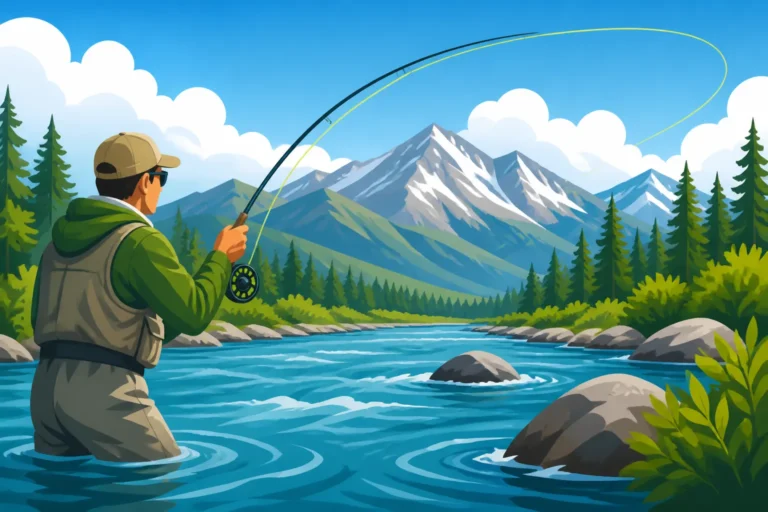
Fly Fishing: This is the most popular and often most effective method on the Dream Stream. The clear water and selective trout mean that matching the hatch with artificial flies is frequently necessary. A 9-foot, 5-weight fly rod is a versatile choice for most situations, offering enough power to cast indicators and split shot, yet sensitive enough for delicate presentations. Longer leaders (9-12 feet) and fine tippets (5x-7x) are crucial for presenting flies naturally and avoiding spooking fish. Nymphing, dry fly fishing, and streamer fishing all have their place depending on the season and conditions. Given the technical nature, an experienced guide booked through a platform like FishingBooker can provide invaluable insights and put you on fish, especially if you're new to the area.
Spin Fishing: While less common, spin fishing can certainly catch fish on the Dream Stream. The key is to use light tackle and small lures that imitate natural food sources. Ultralight rods with fast actions, spooled with 2-4 pound test monofilament or fluorocarbon, are ideal. Small spinnerbaits (like Panther Martin or Mepps), tiny spoons (like Kastmasters or Dardevles), and micro jigs tipped with a piece of worm or Gulp! bait can be effective. It's important to cast upstream and retrieve at the speed of the current to ensure a natural drift, similar to nymphing with a fly rod. Heavy bait rigs or large, flashy lures are generally unproductive and can spook the already wary fish. Remember to check "Colorado Fishing Regulations Every Angler Should Know" as some areas may have specific restrictions on bait or lure types.
Recommended Fly Patterns and Baits
For fly anglers, having a well-stocked fly box is crucial.
- Nymphs: Small midge patterns (Zebra Midges, Mercury Midges, Griffith's Gnats, Top Secret Midges) in sizes 20-26 are year-round staples. Blue-winged Olive (BWO) nymphs (Pheasant Tails, Barr's Emergers, JuJu Baetis) in sizes 18-22 are essential for spring and fall. Caddisfly larvae (Chartreuse Caddis, Hares Ear Nymphs) in sizes 14-18 are good for summer. Don't forget egg patterns (Glo Bugs, Otter's Soft Milking Eggs) in orange, pink, or chartreuse for the fall spawning runs. Small stonefly nymphs (Pat's Rubber Legs, 20 Incher Stone) in sizes 12-16 can also be effective.
- Dry Flies: For midge hatches, Griffith's Gnats or tiny Parachute Adams in sizes 20-24. For BWOs, Parachute Adams, Sparkle Duns, or BWO Comparaduns in sizes 18-22. Caddis hatches call for Elk Hair Caddis or Goddard Caddis in sizes 14-18. In late summer, don't overlook terrestrial patterns like grasshoppers, ants, and beetles.
- Streamers: Wooly Buggers (olive, black, brown) in sizes 6-10 are always a good bet. Sculpzillas, Sex Dungeons, and other baitfish imitations can tempt large brown trout, especially during the fall.
For spin anglers, a smaller arsenal is usually sufficient:
- Spinners: Roostertail, Mepps Aglia, Panther Martin in sizes 0-2 (1/32 to 1/8 oz) in gold, silver, or black.
- Spoons: Small Kastmaster, Little Cleo, or Dardevle in 1/16 to 1/8 oz, often in gold or silver with red or blue accents.
- Jigs: Small marabou jigs or micro jigs (1/32 to 1/16 oz) in black, white, olive, or brown. Tipping these with a small piece of worm, PowerBait, or Gulp! maggots/worms can increase their appeal.
- Soft Plastics: Small trout magnets or micro grubs on tiny jig heads.
Remember to vary your retrieve and presentation for both fly and spin fishing until you find what the fish are responding to on any given day.
Wading Techniques and Stealth
Wading the Dream Stream requires a careful approach, as the water is typically clear and the fish are incredibly wary. Your success often depends more on your stealth and ability to approach fish without spooking them than on your casting distance.
Slow and Deliberate Movement: Move slowly and deliberately. Avoid shuffling your feet or making sudden movements that can create vibrations in the water, which trout are highly sensitive to. Take your time entering the water, and try to walk softly along the bank if possible.
Stay Low and Use Cover: The open nature of the Dream Stream offers little natural cover, so utilize any available bankside vegetation or terrain features to your advantage. When approaching a fishing spot, stay as low as possible. Kneel or crouch if you need to observe the water or make a cast. This minimizes your silhouette against the skyline, making you less visible to the fish.
Wade Upstream: Whenever possible, wade upstream. This allows you to approach fish from behind, as trout naturally face into the current, feeding on what drifts towards them. Moving upstream also minimizes the amount of disturbed sediment or debris that might drift down and spook fish below you.
Avoid Casting Over Fish: While it might seem counterintuitive, avoid casting your line directly over the heads of fish you've spotted. The shadow of your line or the fly line itself landing too close can send them scattering. Instead, try to cast above and slightly to the side, allowing your flies to drift naturally into their feeding lane.
Polarized Sunglasses are Essential: High-quality polarized sunglasses are non-negotiable. They cut the glare off the water's surface, allowing you to spot fish, identify holding lies, and detect subtle takes that would otherwise be invisible. This visual advantage is a game-changer for successful wading and stealth.
Observe Before You Fish: Before stepping into the water or making your first cast in a new spot, take a few minutes to simply observe. Look for rising fish, insect activity, and potential holding water. This patience often pays dividends, allowing you to formulate a strategy and choose your approach more effectively.
Navigating Access and Regulations
Fishing the Dream Stream, like any popular Gold Medal Water in Colorado, comes with specific access points and a distinct set of regulations designed to protect its valuable fishery. Understanding these is crucial for a legal and enjoyable experience.
Public Access Points and Parking
The Dream Stream is located within Eleven Mile State Park, which means most of the access is through designated public areas. The most common access points are typically found off County Road 90, which parallels the river for a significant portion of its length between Spinney and Eleven Mile reservoirs. There are several dirt parking areas and pull-offs along this road where anglers can park and walk down to the river. Some of the more popular access points often have clear trails leading to prime fishing spots.
It's important to note that a Colorado State Parks Pass or payment of the daily entrance fee is required to access these areas, as they are within the state park boundaries. You can often purchase these at kiosks near the park entrances or through the Colorado Parks and Wildlife (CPW) website. Given the popularity of the area, parking lots can fill up quickly, especially on weekends and during prime seasons. Arriving early is often the best strategy. Always respect "no parking" signs and avoid blocking access roads or gates. Maps available from CPW or local fly shops will often detail the most common access points, and some local guides, which you can find through services like FishingBooker, will also share their preferred, often less-crowded, entry points.
Special Regulations and Restrictions
The Dream Stream is designated as Gold Medal Water by Colorado Parks and Wildlife, a classification reserved for the state's highest-quality coldwater fisheries. This designation comes with very specific and strict regulations designed to maintain the integrity of the ecosystem and promote trophy fish populations. It's imperative that every angler understands and adheres to these rules to avoid fines and ensure the long-term health of the stream. You can find detailed information in the "Colorado Fishing Regulations Every Angler Should Know" brochure, which is available online and at license retailers.
Key regulations typically include:
- Flies and Lures Only: In most Gold Medal Water sections, including the Dream Stream, only artificial flies and lures are permitted. Live bait is strictly prohibited. This is to reduce mortality of released fish and prevent the introduction of invasive species or diseases.
- Barbless Hooks: All artificial flies and lures must have a single, barbless hook. If your hooks come barbed, you must pinch the barb down with pliers. This significantly reduces injury to fish during catch-and-release, improving their survival rates. A related topic, "Barbless Hook Rules on Colorado Rivers," offers more detail.
- Catch-and-Release or Limited Harvest: While regulations can vary slightly by specific stretch and species, the Dream Stream often has catch-and-release only sections for trout, or highly restrictive harvest limits (e.g., one fish over a certain length, or a specific total bag limit). It is crucial to verify the exact regulations for the specific section you are fishing before you start.
- Second-Rod Stamp: If you plan to fish with two rods, you will need to purchase a "Colorado's Second-Rod Stamp and Who Needs One" in addition to your standard fishing license. Without it, you are limited to one rod.
- Habitat Stamp: Most anglers aged 18-64 will also need to purchase a Colorado Habitat Stamp alongside their fishing license. This stamp funds critical wildlife habitat conservation efforts across the state.
Always have your current Colorado Fishing License readily available, either physically or digitally on your phone, as park rangers and wildlife officers regularly patrol the area. Penalties for non-compliance can be significant, ranging from fines to suspension of fishing privileges. Taking the time to read the "Colorado Fishing Regulations Brochure" thoroughly is a small investment for a legal and responsible fishing trip.
Respecting Private Property
While much of the Dream Stream is publicly accessible through Eleven Mile State Park, it's vital to remember that not all land adjacent to the river is public. There are private property holdings along certain stretches. Anglers must be vigilant and respectful of posted private property signs. Trespassing, even accidentally, can lead to legal issues and gives all anglers a bad name.
The river banks might be public in some areas, but the land immediately beyond the high-water mark could be private. Always look for clear public access points and stick to established trails. If you are in doubt about whether an area is private or public, it's always best to err on the side of caution and find another spot. Using resources like the CPW's online Fishing Atlas or consulting with local fly shops can help you identify public access zones more clearly. Maintaining good relations with landowners is paramount to preserving access for all anglers in the future.
Beyond the Stream: Nearby Waters and Resources
While the Dream Stream offers unparalleled fishing, the surrounding area boasts other fantastic opportunities. Diversifying your fishing experience or having a backup plan can make your trip even more rewarding.
Exploring Spinney Mountain Reservoir
Just upstream from the Dream Stream lies Spinney Mountain Reservoir, a large, high-altitude impoundment renowned for its trophy-sized rainbow trout, brown trout, and kokanee salmon. Spinney is a fantastic destination in its own right, offering different fishing challenges and methods. Its large, open waters are ideal for boat fishing, including trolling with downriggers for kokanee and lake trout, or casting large streamers and lures from the shore or a float tube. Fly fishing from shore can also be productive, particularly during hatches or when fish are cruising closer to the banks.
Spinney Mountain Reservoir typically closes for the winter once ice forms and reopens for the spring season, usually around April, depending on ice conditions. Like the Dream Stream, it is a Gold Medal Water and carries specific regulations, including restrictions on motor types (often electric motors only or limited horsepower) and a single barbless hook rule. If you're looking to explore "Fishing Spinney Mountain Reservoir" more deeply, it's an excellent option for bigger water, potentially larger fish, and a different style of angling. It’s also the source of the nutrient-rich water that makes the Dream Stream so productive, making it a natural extension of your fishing adventure.
Fishing Eleven Mile Reservoir
Downstream from the Dream Stream is the expansive Eleven Mile Reservoir, a popular destination that offers a diverse fishery beyond just trout. While it holds excellent populations of large rainbow and brown trout, it's also home to kokanee salmon, northern pike, carp, and even occasional walleye. This reservoir is significantly larger than Spinney and offers a vast amount of water to explore, making it ideal for boat anglers.
Eleven Mile is particularly famous for its incredible ice fishing in the winter, attracting anglers targeting trout, kokanee, and pike through the ice. During the open water seasons, trolling, jigging, and bait fishing are all productive methods. The sheer size of the reservoir means you can often find solitude, even on busy days. Many of the large brown trout and kokanee salmon that spawn in the Dream Stream originate from Eleven Mile, so understanding this connection is key. A dedicated guide on "Fishing Eleven Mile Reservoir" can provide comprehensive information if you plan to extend your trip to this impressive body of water.
Utilizing Local Resources and Guides
For any angler, but especially those new to the area or new to fishing the Dream Stream, local resources are invaluable. Fly shops in nearby towns like Fairplay, Woodland Park, or Colorado Springs are treasure troves of information. They can provide up-to-the-minute reports on hatches, water conditions, successful fly patterns, and current regulations. Buying flies, tackle, or even just a coffee from them is a great way to support the local economy and gain access to expert knowledge.
Hiring a local fishing guide is another excellent option, particularly for the Dream Stream. Guides spend countless hours on the water and possess an intimate understanding of the river's nuances, seasonal changes, and fish behavior. They can teach you specific techniques for these wary fish, help you identify prime holding water, and often provide access to less crowded areas. Whether you're a beginner needing help with casting and rigging or an experienced angler looking for an edge, a guide can significantly enhance your experience. Services like FishingBooker can help you find reputable local guides who specialize in the Dream Stream and its surrounding waters, ensuring you get the most out of your Colorado fishing adventure. A guide can also ensure you're compliant with complex regulations and teach you proper catch-and-release techniques specific to this sensitive fishery.
| Season | Primary Target Species | Recommended Tactics | Key Fly/Lure Patterns | Special Considerations |
|---|---|---|---|---|
| Spring | Rainbow Trout, Brown Trout | Nymphing, Streamers, Dry Flies (BWOs) | Midges, BWO nymphs/dries, Egg patterns, Small streamers | Pre-runoff flows, Rainbow spawn (avoid redds) |
| Summer | Rainbow Trout, Brown Trout | Technical Nymphing, Dry-Dropper, Dry Flies (Caddis, Midges) | Midges, BWO nymphs/dries, Caddis larva/dries, Terrestrials | Clear water, wary fish, high sun, afternoon storms |
| Fall | Brown Trout, Rainbow Trout, Kokanee | Streamers, Nymphing (Eggs), Dry Flies (BWOs, Midges) | Egg patterns, Streamers, BWO nymphs/dries, Midges | Brown trout & Kokanee spawning runs (respect redds), vibrant colors |
| Winter | Rainbow Trout, Brown Trout | Deep Nymphing, Euro Nymphing | Tiny Midges (larva, pupa, adult), Small BWOs | Cold temps, low flows, ice on banks, fish in deep pools |
Disclaimer
Fishing in Colorado, especially in dynamic environments like the Dream Stream, carries inherent risks. Water conditions can change rapidly, and proper safety precautions should always be taken. The regulations mentioned in this guide are subject to change by Colorado Parks and Wildlife (CPW). It is the angler's responsibility to consult the most current CPW fishing regulations brochure or website before heading out to fish. This guide provides general information and should not be considered a substitute for official regulations or professional guidance.