Fishing Blue Mesa Reservoir for Kokanee Salmon
Fishing Blue Mesa Reservoir for kokanee salmon can feel like chasing ghosts in one of Colorado's largest and most intimidating bodies of water. Anglers often struggle with the sheer size of the reservoir, trying to pinpoint where these elusive silver bullets are holding, what depths they prefer, and which lures will entice a bite. This comprehensive guide is here to demystify kokanee fishing on Blue Mesa, providing you with the knowledge and tactics to consistently put these prized fish in your cooler.
Why Blue Mesa Reservoir is a Kokanee Salmon Hotspot
Blue Mesa Reservoir, nestled in the gorgeous Gunnison National Forest, isn't just a stunning backdrop; it's a coldwater haven, particularly for kokanee salmon. This massive impoundment, the largest body of water entirely within Colorado, spans over 20 miles and boasts depths exceeding 300 feet. It’s this unique combination of size, depth, and ecological factors that makes it a prime location for kokanee, distinguishing it from many other Colorado lakes.
The Ideal Habitat for Sockeye's Little Cousin
Kokanee salmon are essentially landlocked sockeye salmon, and they thrive in deep, cold, and clear water with a specific food source: zooplankton. Blue Mesa fits this bill perfectly, providing vast expanses of deep, oxygen-rich cold water that these plankton-feeders require. The reservoir's significant size ensures there's always plenty of room for large schools to roam, reducing pressure and allowing them to grow to impressive sizes. Without this crucial deep-water environment and abundant zooplankton, kokanee simply wouldn't flourish as they do here.
Furthermore, the reservoir’s thermal stratification during the warmer months creates distinct layers of water at different temperatures. Kokanee are coldwater fish, preferring temperatures in the 45-55°F range. As surface waters warm up, these fish retreat to the cooler, deeper thermocline, making them predictable for anglers who understand their vertical migration patterns. This predictability, once deciphered, is a huge advantage for anglers targeting them.
A History of Abundance and Management
The success of kokanee salmon in Blue Mesa isn't just natural fortune; it's also a testament to dedicated management by Colorado Parks and Wildlife (CPW). CPW actively stocks Blue Mesa with kokanee fry and fingerlings each year, ensuring a robust population for anglers. This ongoing stocking program is crucial because, unlike their anadromous sockeye cousins, landlocked kokanee often struggle with natural reproduction in reservoirs, or their spawning runs are limited to specific, managed areas.
The management extends beyond stocking; CPW closely monitors the kokanee population, growth rates, and overall health of the fishery. This data-driven approach helps them make informed decisions about stocking numbers and angling regulations, ensuring that Blue Mesa remains a premier kokanee destination for years to come. Anglers play a vital role in this by understanding and adhering to regulations, especially around specific times like spawning runs when fish are more vulnerable. You can learn more about specific regulations in our comprehensive guide, "Colorado Fishing Regulations Every Angler Should Know."
Understanding Kokanee Salmon Behavior
To consistently catch kokanee salmon on Blue Mesa, you have to think like a kokanee. These fish are creatures of habit, driven by water temperature, light conditions, and their primary food source, zooplankton. Understanding their seasonal movements and daily routines is key to being in the right place at the right time.
Seasonal Movements and Depths
Kokanee salmon are constantly on the move, primarily in search of comfortable water temperatures and ample food. In early spring, shortly after ice-out, kokanee are often found shallower, sometimes as shallow as 15-30 feet. The entire water column is relatively cool, and zooplankton might be more spread out. As spring progresses into summer, and the surface waters of Blue Mesa begin to warm significantly, kokanee dive deeper, seeking the cooler, oxygen-rich waters of the thermocline. This can mean finding them anywhere from 40 to 100 feet deep, or even deeper, depending on the day and the specific area of the reservoir.
The depth can also vary throughout the day. Early mornings and late evenings might see them rise slightly in the water column, taking advantage of lower light conditions, while midday sun will push them down. By late summer and early fall, as the water begins to cool and the spawning urge takes hold, their movements become even more distinct. This is when they start to congregate more tightly, often in anticipation of their final, dramatic journey.
The Spawning Run Spectacle
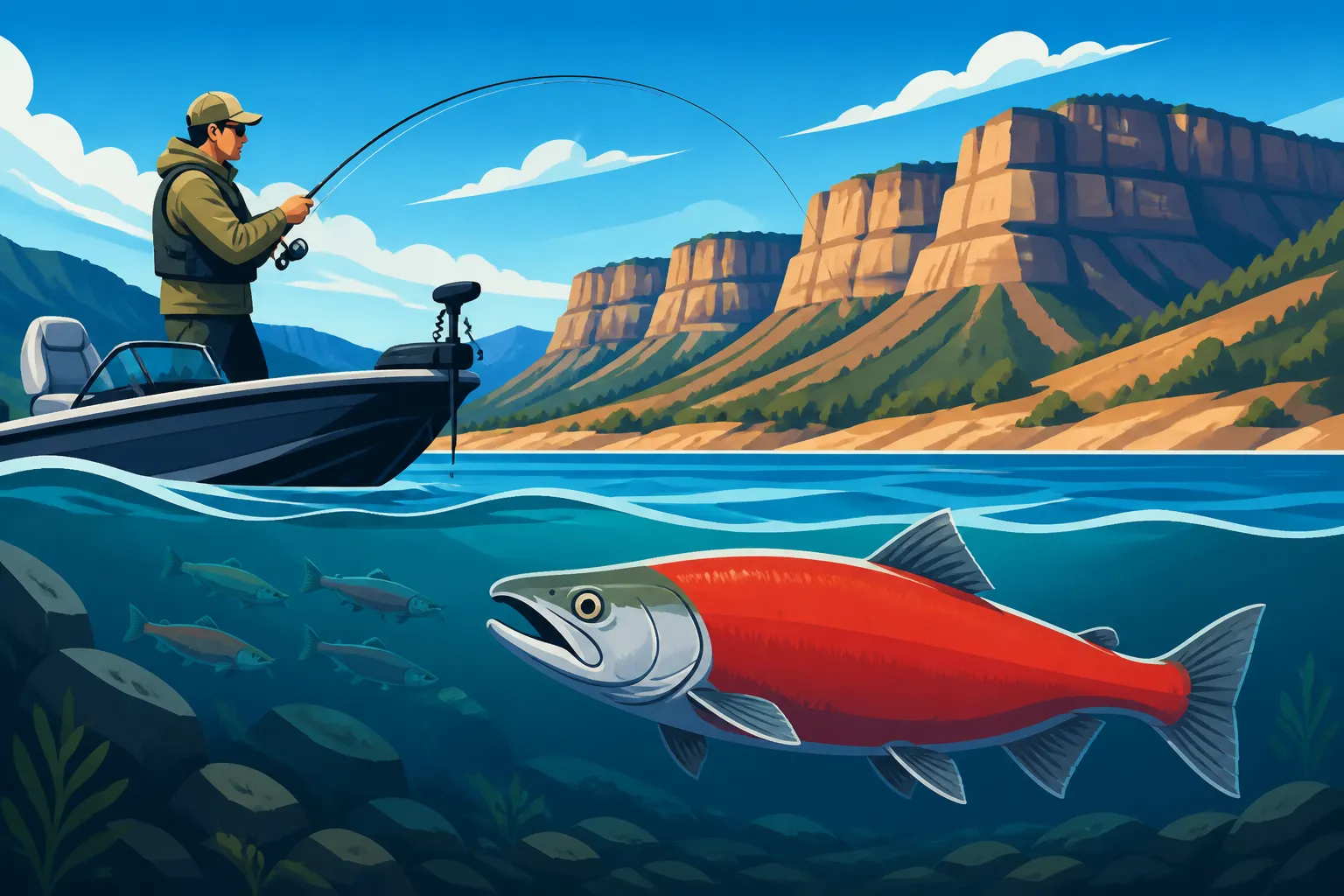
Perhaps the most famous and accessible time to target kokanee salmon on Blue Mesa is during their annual spawning run in the fall. As early as late August, but primarily in September and October, mature kokanee undergo a remarkable transformation. Their silver bodies turn a vibrant red, their jaws hook, and the males develop a prominent hump on their backs. This is their final act: migrating from the main reservoir into the tributaries, primarily the Gunnison River and its smaller feeder streams, to lay their eggs.
During this period, kokanee gather in huge numbers near the mouths of these rivers, presenting a unique angling opportunity. While snagging is generally prohibited, these fish are still aggressive as they defend their spawning beds and can be caught legally with proper techniques. Understanding the nuances of "Kokanee Salmon Spawning Runs in Colorado" will help you determine the best approach and stay within the law. It's a bittersweet time for anglers, as these fish, having completed their life cycle, will die after spawning, but the sheer volume and vibrant colors make for an unforgettable experience.
Essential Gear for Blue Mesa Kokanee
Catching kokanee salmon on Blue Mesa often requires specialized gear, especially if you're serious about consistent success. While you might stumble upon one with a general fishing setup, specific rods, reels, lines, and especially the right terminal tackle and electronics, will dramatically increase your chances.
Rods, Reels, and Line Choices
For kokanee trolling, a light to medium-light action rod in the 7 to 8.5-foot range is ideal. Fiberglass or composite rods with a soft tip are excellent as they absorb the erratic head shakes of kokanee and prevent hooks from tearing out of their delicate mouths. A slow action is preferred, allowing the rod to load up smoothly and act as a shock absorber. When choosing a reel, a small baitcasting reel with a line counter is incredibly helpful, especially when you're trying to replicate a specific depth or retrieve. This precision is invaluable for staying in the fish zone.
Regarding line, a main line of 10-15 lb monofilament or braid is common. If using braid, a fluorocarbon leader of 6-10 lb test is crucial for stealth in Blue Mesa's clear waters. Fluorocarbon is nearly invisible underwater and has less stretch than monofilament, offering better sensitivity. Remember, kokanee often school tightly at specific depths, so knowing your exact line depth is paramount.
Lures, Dodgers, and Scent
This is where kokanee fishing gets specific. Kokanee are attracted to flash, vibration, and scent. The primary setup typically involves a dodger or a small, oblong flasher followed by a short leader (6-18 inches) to a small lure. Popular dodger colors include silver, pink, orange, chartreuse, and sometimes even glow-in-the-dark variations, especially on overcast days or in deeper water. The dodger's purpose is not to catch the fish but to create an erratic, darting action that attracts attention and imparts action to the trailing lure.
For lures, small kokanee bugs, squids, hoochies, wedding rings, or small spoons are highly effective. Pink, orange, green, and chartreuse are perennial favorites. The size should be small, typically 1 to 2 inches. Crucially, almost all kokanee anglers tip their lures with bait. Canned shoepeg corn, treated with scents like Pro-Cure or Pautzke's Krill Juice, is the most popular choice. The scent provides an additional attractant, and the corn itself adds a subtle visual and texture element that kokanee seem to love. Experiment with different colors and scents to see what the fish prefer on any given day.
The Crucial Role of Downriggers
When fishing Blue Mesa for kokanee, especially during the warmer months, downriggers are almost non-negotiable for consistent success. As kokanee often hold at depths far beyond what lead core or snap weights can efficiently reach, downriggers allow you to precisely present your lure at a specific depth, usually 40-100 feet or more. A downrigger uses a heavy ball (cannonball) to pull your fishing line down to a set depth, and a release clip then holds your line in place. When a fish bites, the line pulls free from the clip, allowing you to fight the fish directly without the weight of the cannonball.
Having two downriggers, allowing you to run two lines at different depths or with different lure combinations, is a common setup. Many anglers on Blue Mesa will run one downrigger slightly above a school of fish and another directly through it, or vary their depths by 5-10 feet to cover more of the water column. Without downriggers, you are severely limited in your ability to target the deep-holding kokanee, which often make up the bulk of the catch during much of the open water season. If you're looking to book a trip with someone who has all this gear, consider checking out "Charter Boats for Kokanee Salmon at Blue Mesa" available through platforms like FishingBooker.
Top Techniques for Catching Kokanee Salmon
Once you have your gear ready, it's time to talk tactics. Kokanee fishing isn't just about dropping a line; it's a strategic dance of speed, depth, presentation, and scent. Mastering a few key techniques will give you a significant advantage on Blue Mesa.
Mastering the Troll
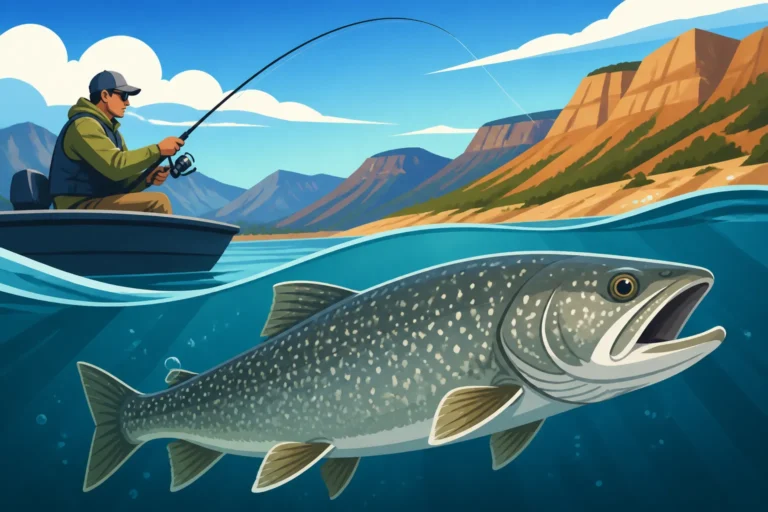
Trolling is, without a doubt, the most popular and effective method for catching kokanee salmon on Blue Mesa. The goal is to present your dodger and lure combination at the correct depth, speed, and location. Ideal trolling speeds for kokanee typically range from 1.0 to 1.8 miles per hour. However, it's crucial to experiment; sometimes a slight adjustment of 0.1 mph can make all the difference. Many anglers find that making subtle S-curves with the boat can be highly effective. As your boat turns, the outside lines speed up and lift, while the inside lines slow down and drop, creating a dynamic action that can often trigger a strike from following fish.
Electronic tools like a good fish finder or sonar are vital for successful trolling. You'll be looking for bait balls (zooplankton concentrations) and schools of kokanee, often appearing as arcs or dense clouds on your screen. Once you locate fish, pay close attention to the depth they are holding at and adjust your downriggers accordingly. Remember, kokanee often suspend in the open water, so identifying the thermocline and where fish are holding within it is your biggest advantage. For more in-depth information on this, explore "Trolling for Kokanee Salmon in Colorado."
Jigging Through the Ice and Beyond
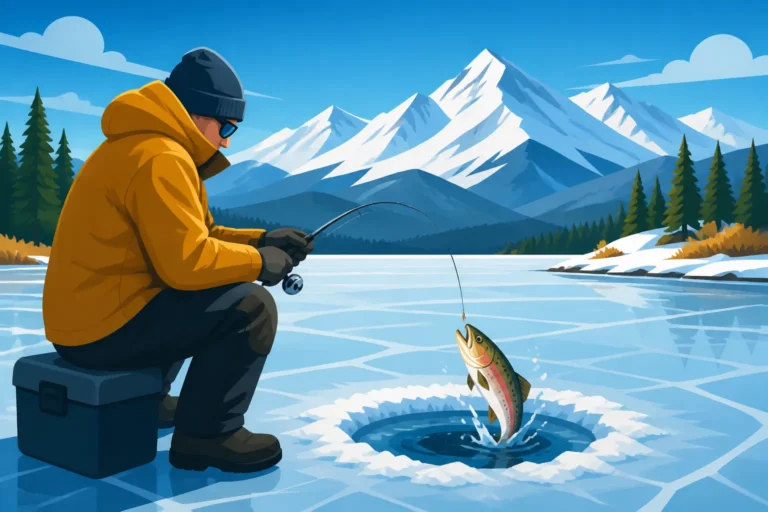
While trolling dominates the open water season, jigging becomes a primary technique during the winter months, when Blue Mesa is covered in ice. Ice fishing for kokanee requires a different approach but can be incredibly rewarding. Anglers use small jigs, usually 1/8 to 1/2 ounce, often tipped with the same scented corn used for trolling. Dropping these jigs to the depths where kokanee are holding and imparting a subtle jigging motion can entice strikes. Electronics, specifically a flasher or a portable fish finder, are absolutely essential for ice fishing kokanee. They allow you to see your lure in real-time and observe fish reacting to your presentation.
Beyond ice fishing, there are rare occasions when still-fishing or vertical jigging might work during open water, particularly if you find a very concentrated school of kokanee directly under the boat. This is less common but can be an option if the fish are not responding to traditional trolling methods. However, for most of the open water season, the vastness of Blue Mesa makes covering water with trolling far more effective. For those braving the cold, our guide on "Ice Fishing Blue Mesa Reservoir in Winter" offers more specialized advice.
Reading Your Electronics and Water Conditions
Modern sonar and fish finders are your best friends on Blue Mesa. They do more than just show you fish; they help you interpret the underwater world. Learn to distinguish between baitfish (often smaller, cloud-like marks), individual large fish (distinct arcs), and kokanee schools (often denser, tighter groups of arcs or a "cloud" shape). Pay attention to the depth of the thermocline, usually visible as a distinct change in density on your screen. This is where the coldwater-loving kokanee will often be found.
Wind and weather also play a significant role. Calm days might mean fish are spookier and deeper, while a light chop can break up the surface, making fish more comfortable feeding higher in the water column. Always keep an eye on the sky and the water, and be prepared to adjust your tactics. Strong winds on a reservoir the size of Blue Mesa can make fishing challenging and even dangerous, so always prioritize safety.
Best Times and Seasons to Fish for Kokanee
Timing is everything when it comes to kokanee fishing on Blue Mesa. These fish have distinct seasonal patterns, and knowing when and where to find them throughout the year will significantly boost your success rate.
Spring and Early Summer: The Shallow Bite
After the ice melts, typically around April or May, kokanee will often be found in relatively shallower waters compared to their summer depths. The entire water column is still cool, and zooplankton might be more dispersed or found higher up. During this period, you might find kokanee anywhere from 15 to 40 feet deep. This is a great time to experiment with slightly shallower presentations and perhaps even try some flat-lining or using planer boards in addition to downriggers.
The fish are often hungry after the lean winter months and can be quite aggressive. Early morning and late afternoon will often be the most productive times. As the days lengthen and the sun gets stronger, they will start their gradual descent into deeper, cooler waters, signaling the transition to mid-summer tactics.
Mid-Summer: Deep Water Dominance
By June, July, and August, Blue Mesa's surface temperatures climb, and the kokanee retreat to the deep, cool sanctuary of the thermocline. This is prime downrigger season, where fish are typically found anywhere from 50 to 100 feet deep, sometimes even more. Locating the schools on your fish finder and setting your downriggers to precisely target their depth is critical. The fish might be more lethargic in the heat of midday, so targeting early mornings and late evenings remains crucial.
During mid-summer, the fish are feeding heavily to build up energy for the upcoming spawn. This is when they put on significant weight and can be at their healthiest. However, they can also be highly selective, so having a variety of dodger and lure colors, and fresh scented corn, is important. This is the period when most anglers will focus almost exclusively on trolling, covering vast amounts of water to find active schools.
Fall Spawning Frenzy
As mentioned earlier, the fall kokanee spawn is a major event on Blue Mesa, typically running from late August through October. The fish abandon their deep-water feeding grounds and stage near the mouths of their spawning tributaries, most notably the Gunnison River. This is a very different kind of fishing experience. The fish are no longer feeding; their focus is entirely on reproduction. Their flesh deteriorates, and their colors become intense.
While snagging is prohibited, anglers can still target these fish with traditional methods as they move through the system. Small spoons, jigs, and flies in bright colors (pink, orange, red) can provoke a strike due to aggression rather than hunger. However, it's essential to understand and respect the regulations. The state has specific rules about "Colorado's Kokanee Salmon Limit at Blue Mesa" and snagging, which vary by water and time of year. While the fish are not at their best for eating during this time, it's an incredible opportunity to witness nature's cycle and potentially catch a trophy-sized kokanee in its most vibrant state. Our guide to the "Best Season to Fish Blue Mesa for Kokanee Salmon" offers a more detailed breakdown.
Navigating Blue Mesa: Access and Regulations
Blue Mesa Reservoir is immense, offering numerous access points, but also demanding respect for its size and ever-changing conditions. Knowing where to launch and what rules apply will make your trip smoother and safer.
Popular Boat Ramps and Access Points
Blue Mesa offers several excellent boat ramps, each with its own advantages depending on where you plan to fish. The Elk Creek Marina and Lake Fork Marina are two of the most popular and well-equipped options, offering amenities like docks, fuel, and sometimes even bait and tackle shops. Elk Creek is often preferred for its central location, providing good access to both the main body of the reservoir and the eastern arm. Lake Fork is situated further west, closer to the dam and deeper sections of the lake. Stevens Creek, also on the northern shore, offers another convenient launch.
Before heading out, always check the status of boat ramps, especially during periods of low water when some ramps might be closed or have limited access. The water levels on Blue Mesa can fluctuate significantly throughout the year, impacting accessibility. For those without a boat, shore fishing opportunities can be found, particularly around the campgrounds and designated access areas, though targeting kokanee from shore is considerably more challenging than from a boat.
Understanding Kokanee Limits and Rules
Colorado Parks and Wildlife sets specific regulations for kokanee salmon on Blue Mesa, and it's vital to be familiar with them to avoid violations. The bag and possession limits for kokanee can change, so always consult the most current Colorado Fishing Regulations brochure before you go. Generally, there's a daily bag limit for kokanee, and sometimes there are specific rules about how those fish count towards your overall trout limit.
During the fall spawning run, additional regulations often come into play, particularly regarding snagging. While witnessing the spawning run is incredible, it's crucial to understand that illegal snagging is strictly prohibited and carries significant penalties. Always ensure you are using legal methods and keeping within the specified limits. Information on topics like "Colorado Bag and Possession Limits by Species" will keep you informed and compliant. Furthermore, you'll need a valid "Colorado Fishing License Guide for Residents and Nonresidents," and possibly a habitat stamp, to fish Blue Mesa.
Staying Safe on a Large Reservoir
Blue Mesa's sheer size and its location in the mountains mean that weather conditions can change rapidly and dramatically. What starts as a calm morning can quickly turn into a windy, choppy afternoon, with waves that can be significant. Always check the weather forecast before heading out and be prepared for sudden changes. High winds can make navigating difficult and even dangerous, especially in smaller boats.
Cold water temperatures, even in summer, are another serious consideration. Always wear a life jacket, especially if you're not a strong swimmer or if conditions are rough. Inform someone of your float plan – where you're going and when you expect to return. Carry appropriate safety gear, including a first-aid kit, communication devices, extra warm clothing, and sufficient water and snacks. It's also wise to have a basic understanding of your boat's mechanics and how to handle minor issues on the water. FishingBooker can help you connect with experienced guides who prioritize safety on these large bodies of water.
| Season | Typical Kokanee Depth (feet) | Primary Technique | Recommended Lure Colors | Key Considerations |
|---|---|---|---|---|
| Spring | 15-40 | Trolling | Pink, Orange, Chartreuse | Post-ice-out aggression, shallower than summer. |
| Early Summer | 30-60 | Trolling | Pink, Orange, Green, Silver | Fish moving deeper, increasing reliance on electronics. |
| Mid-Summer | 50-100+ | Trolling (downriggers) | Pink, Green, Orange, Blue | Deepest fishing, precise depth crucial, consistent scent. |
| Fall (Pre-spawn) | 30-70 | Trolling | Red, Pink, Orange (brighter) | Fish schooling, vibrant colors, anticipating spawn. |
| Fall (Spawn) | 0-20 (near inlets) | Jigging, Casting | Red, Pink, Orange (flies/jigs) | Aggression strikes, strict snagging rules, short window. |
| Winter (Ice) | 30-80+ | Jigging | Pink, White, Glow | Electronics essential, safety on ice, small jigs. |
Disclaimer
The information provided in this guide is for informational purposes only and is not a substitute for official regulations. Fishing regulations, seasons, and limits are subject to change by Colorado Parks and Wildlife. Always consult the current Colorado Fishing Regulations brochure or the CPW website before engaging in any fishing activities. This content does not constitute legal or professional advice.