What Chatfield Reservoir Holds Besides Trout
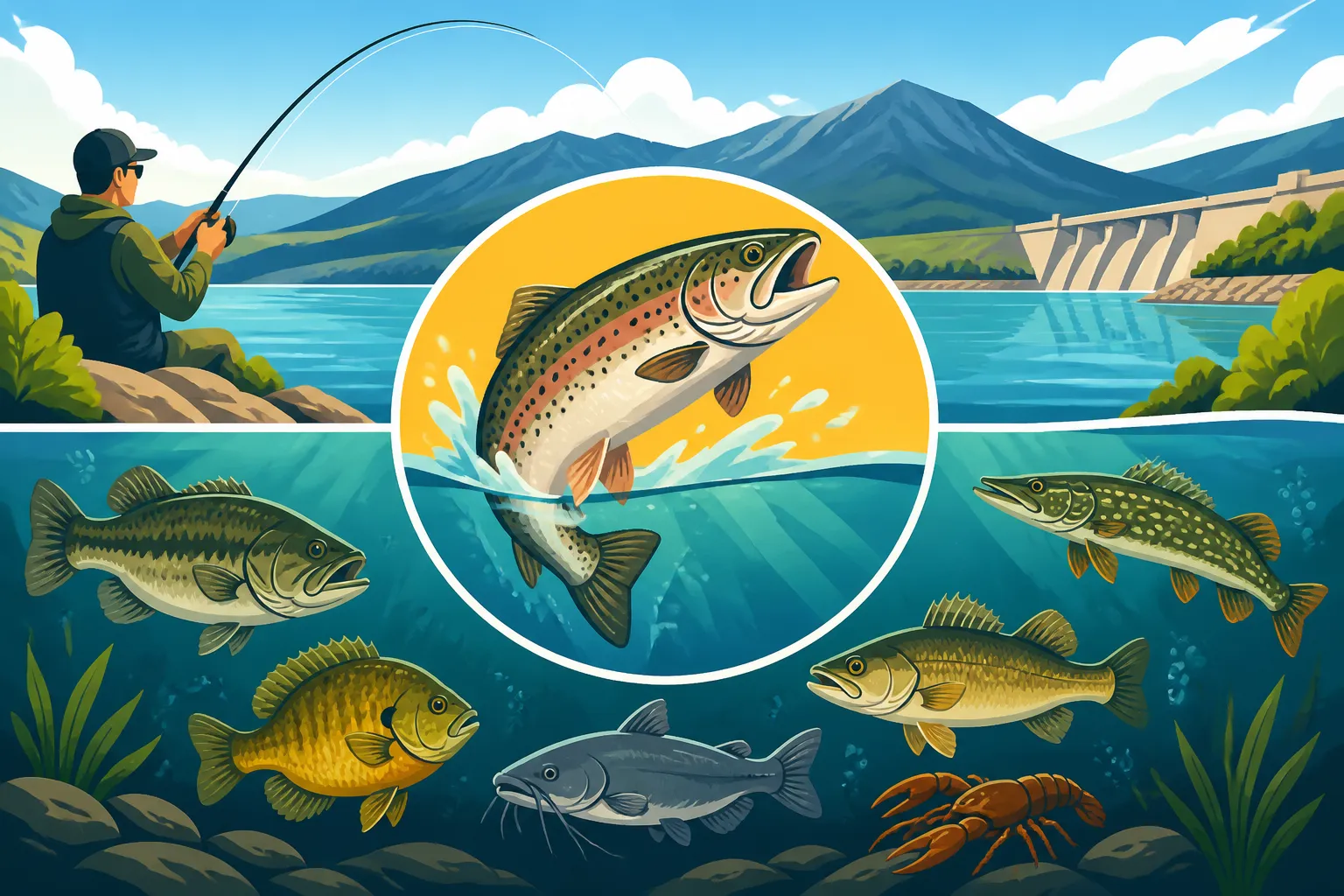
It's easy to get tunnel vision when you think about fishing in Colorado, often assuming it's all about chasing those beautiful, cold-water trout. Many anglers, even seasoned locals, arrive at spots like Chatfield Reservoir with only trout in mind, sometimes missing out on a vibrant, diverse fishery that offers a completely different kind of challenge and reward. This guide is here to pull back the curtain on Chatfield's aquatic world, revealing the exciting array of species thriving beneath its surface beyond just trout, and how you can target them.
Beyond the Familiar Trout: A Look at Chatfield's Other Residents
While the picturesque setting of Chatfield Reservoir, nestled at the foothills of the Rockies, certainly feels like prime trout country, focusing solely on trout means you're overlooking a significant portion of its thriving ecosystem. This reservoir, a popular destination in the Denver metro area, is a true mixed bag fishery, intentionally managed by Colorado Parks and Wildlife (CPW) to support a wide variety of sportfish, offering something for every angler.
Why Chatfield's Ecosystem Supports Diverse Fish
Chatfield Reservoir, formed by the South Platte River, is a dynamic environment. Its relatively shallow nature in some areas, coupled with warmer summer temperatures compared to high-altitude lakes, creates perfect conditions for both cool-water and warm-water species. The varying depths, submerged structures, and fluctuating water levels throughout the year contribute to a rich habitat. You'll find everything from rocky points and sandy flats to vast open water, providing ideal homes for different fish species at various stages of their lives. This intentional management strategy ensures that while you can certainly find trout, the reservoir is far from a one-trick pony, providing excellent opportunities for those looking to expand their angling horizons.
The Management Strategy: Balancing Warm and Cold Water Species
Colorado Parks and Wildlife does an impressive job managing Chatfield to maintain this balance. They regularly stock rainbow trout, often in the spring and fall when water temperatures are cooler, to satisfy the traditional trout angler. However, they also actively manage and stock species like walleye, wipers, and channel catfish, ensuring these populations are robust and self-sustaining where possible, or supplemented through stocking programs. This careful planning means that Chatfield isn't just a place to catch a stocker rainbow; it's a vibrant habitat where you can encounter trophy-sized warmwater species, too. It’s a testament to good fishery management that such a popular urban reservoir can offer such diverse opportunities.
Warmwater Warriors: Bass, Wiper, and Walleye
For many anglers, the real excitement at Chatfield lies in its robust populations of warmwater fish. These species offer powerful fights and unique challenges that differ significantly from trout fishing. If you're looking to tangle with something that pulls harder and thinks differently, Chatfield's warmwater warriors are calling your name.
Hunting for Hard-Fighting Bass
Chatfield Reservoir is home to both Largemouth Bass and Smallmouth Bass, each offering a distinct angling experience. Largemouth bass tend to prefer shallower, vegetated areas and submerged brush, lurking in ambush for their prey. You'll often find them around the edges of weed beds, flooded timber, or rocky shorelines in the warmer months. These fish are known for their explosive strikes and acrobatic jumps once hooked. Smallmouth bass, on the other hand, typically prefer deeper, rocky structures, points, and humps. They're tenacious fighters, often making long runs and powerful dives.
To target bass at Chatfield, consider using a variety of lures. Spinnerbaits and crankbaits are excellent for covering water and eliciting reaction strikes, especially around structure. Soft plastic worms, jigs, and Texas-rigged creatures are fantastic for working through heavy cover or slowly enticing a less aggressive fish. Topwater lures, such as poppers and walking baits, can provide exhilarating strikes during low-light conditions in summer. Early mornings and evenings during late spring, summer, and early fall are generally the most productive times. If you're exploring the nuances of Bass Fishing in Colorado, Chatfield is an excellent proving ground.
Wipers: Colorado's Hybrid Powerhouses
Wipers, a hybrid cross between a white bass and a striped bass, are perhaps one of the most exciting and hardest-fighting fish you can encounter at Chatfield. These fish are sterile, so CPW regularly stocks them to maintain their population, and they grow large and incredibly strong. Wipers are voracious predators, often schooling in open water and chasing down baitfish. When you hook into a wiper, prepare for a battle; they make powerful, drag-screaming runs that will test your tackle and your stamina.
Finding wipers often involves locating schools of baitfish, which wipers actively pursue. Look for areas where gulls or pelicans are diving, as this can indicate baitfish being driven to the surface. Trolling with spoons, crankbaits, or swimbaits is a popular and effective method for covering large areas of the reservoir. For those casting, long casts with heavy spoons, lipless crankbaits, or even large jigs can provoke strikes. If you're interested in these formidable fish, our guide on Wiper, Colorado's Hybrid Striped Bass, can provide even more specialized tips. They are often found in the main body of the reservoir, especially near the dam or deeper channels, but will move into shallower coves during feeding frenzies.
Walleye: Elusive and Delicious
Walleye are another highly sought-after species at Chatfield, known for their delectable fillets and challenging nature. These fish are masters of ambush, preferring to hug the bottom and often feed during low-light conditions, such as dawn, dusk, or even at night. Their light-sensitive eyes give them an advantage in murky or low-light waters, making them a prize for patient anglers. Walleye fishing requires a different approach than chasing bass or wipers, often involving slower presentations and a keen sense of touch to detect their subtle bites.
To successfully target walleye at Chatfield, focus on bottom-oriented presentations. Jigs tipped with minnows, worms, or soft plastics are incredibly effective when slowly bounced along the bottom. Live bait, such as shiners or nightcrawlers, fished on a Walleye rig or under a slip bobber, can also be deadly. Trolling with crankbaits or spinner-and-worm harnesses at varying depths is another popular method, allowing you to cover vast areas and find active fish. Key structures include submerged humps, points, and channel edges. Spring and fall are generally considered prime times for Walleye Fishing in Colorado, particularly during their pre-spawn and post-spawn periods when they are more concentrated. Remember to check Colorado's Daily Walleye Limit before you head out, as regulations can vary.
The Bottom Dwellers and Panfish: Catfish, Perch, and Crappie
Beyond the aggressive predators, Chatfield also hosts a fantastic array of fish that provide consistent action and are excellent table fare. These species are often overlooked but offer a relaxing and productive day on the water, especially for families or those looking for a steady bite.
Channel Catfish: The Ultimate Bottom Feeder
Channel catfish are abundant in Chatfield, especially in the warmer months. These opportunistic feeders are known for their whiskered faces and powerful, bulldog-like fights. They primarily cruise the bottom, using their keen sense of smell to locate food. While they might not be as glamorous as a trophy trout, landing a hefty channel cat can be an incredibly satisfying experience, and they are excellent eating.
The best approach for Catfish Fishing in Colorado, particularly at Chatfield, involves bait fishing directly on the bottom. Stink baits, cut bait (like pieces of shad or sunfish), chicken livers, and nightcrawlers are all highly effective. A simple Carolina rig or a three-way swivel rig with a heavy sinker to hold the bait in place works perfectly. Look for areas with a soft, muddy bottom, deeper channels, or the mouths of feeder creeks where food might accumulate. Night fishing for catfish can be particularly productive during the summer, as these fish become more active after dark.
Yellow Perch and Crappie: Panfish Fun
Chatfield's panfish populations, primarily yellow perch and crappie, offer fantastic light-tackle action, making them perfect targets for beginners or families with kids. These schooling fish are often found near structure and can provide fast-paced fishing once you locate a school. They're also delicious, offering sweet, flaky white meat.
Yellow perch are easily identified by their distinct vertical stripes and reddish-orange fins. They prefer cooler, deeper sections of the reservoir, often congregating around submerged brush, weed beds, or rocky bottom features. Small jigs tipped with a grub, minnow, or wax worm are highly effective. Crappie, known for their silvery, compressed bodies, are often found in similar areas, particularly around submerged trees, brush piles, or boat docks. They love vertical structure. Tiny jigs, usually 1/32 to 1/16 ounce, fished under a bobber with a slow retrieve, or small minnows, are irresistible to crappie. Both species are most active in spring and fall, but can be caught year-round, even through the ice in winter.
Strategies for Targeting Chatfield's Other Species
Successfully angling for the diverse species at Chatfield requires a shift in mindset and technique from typical trout fishing. It’s about understanding their habits, habitats, and preferred meals.
Locating Productive Structure and Depths
The key to finding Chatfield's non-trout species often lies in identifying structure and understanding preferred depths. Bass will relate to rocky points, submerged timber, and weed lines. Wipers will roam open water but also ambush bait near points or humps. Walleye cling to the bottom, favoring humps, drop-offs, and channel edges. Catfish will be in deeper, often muddier, bottoms, and panfish will be around brush piles and docks.
Using a good fish finder is invaluable, especially for larger water bodies like Chatfield. It can help you identify submerged humps, old river channels, and schools of baitfish, all crucial indicators of where game fish might be holding. However, even without electronics, paying attention to visible structure like downed trees, large rocks, or changes in the shoreline contour can guide you. Experiment with different depths until you find where the fish are active.
Baits, Lures, and Techniques Beyond the Fly
While fly fishing is iconic for trout, warmwater and bottom-dwelling species at Chatfield respond better to different presentations.
For Bass and Wiper:
- Lures: Spinnerbaits, crankbaits, jerkbaits, swimbaits, soft plastics (worms, creature baits), topwater lures.
- Techniques: Casting and retrieving near structure, jigging, dropshotting, Texas rigging, Carolina rigging. For wipers, fast retrieves and trolling are often key.
For Walleye:
- Lures/Baits: Jigs tipped with minnows or soft plastics, crankbaits, spinner rigs with nightcrawlers.
- Techniques: Slow trolling, bottom bouncing, vertical jigging, slip bobber fishing with live bait. Walleye often prefer subtle movements.
For Catfish:
- Baits: Stink baits, cut bait, chicken livers, large nightcrawlers.
- Techniques: Bottom fishing with a heavy sinker, ensuring your bait stays put. Patience is paramount.
For Perch and Crappie:
- Lures/Baits: Small jigs (1/32 to 1/16 oz) tipped with minnows, grubs, or wax worms.
- Techniques: Fishing under a bobber, vertical jigging around brush piles, slow trolling with tiny crankbaits.
Remember, many of these species, particularly walleye and catfish, are more active in low light or at night, so adjusting your fishing schedule can lead to greater success.
Seasonal Considerations and Best Times to Fish
Just like trout, the other fish species at Chatfield have distinct seasonal patterns that influence their activity and where you'll find them. Understanding these patterns is crucial for maximizing your chances of a successful outing.
Spring and Early Summer Boom
Spring, particularly after ice-out (if it freezes, which isn't always reliable at Chatfield), and early summer are prime times for many of Chatfield's non-trout species. As water temperatures begin to rise, fish become more active after their winter lethargy. This is a fantastic time for walleye as they move into shallower areas for their pre-spawn and spawning activities. Bass also become more aggressive as they prepare for their spawn. Wipers can be found actively chasing baitfish in warming waters.
For crappie and perch, spring is also excellent, as they move into shallower bays and near submerged structures to spawn. Targeting them with small jigs and minnows near cover can result in high catch rates. It's a period of intense feeding and activity across the board as the aquatic ecosystem awakens.
Summer's Heat and Fall's Feast
As summer progresses and water temperatures climb, many warmwater species will seek deeper, cooler water during the day, becoming more active during the twilight hours or at night. This is especially true for walleye and larger bass. However, wipers can remain active in open water throughout the day, particularly if they are aggressively feeding on baitfish schools. Catfish thrive in the warm summer water, offering some of the best fishing during this period, often well into the evening or overnight.
Fall brings a renewed burst of activity. As water temperatures cool, fish often go on a feeding frenzy, trying to pack on weight for the upcoming winter. This is a fantastic time for trophy-sized bass, walleye, and wipers. Fish become more accessible and aggressive, making it an ideal season for targeting multiple species. Our guide on Colorado Fishing Seasons Month by Month offers more detailed insights into what to expect across the state.
Regulations and Responsible Angling at Chatfield
Being a responsible angler means more than just catching fish; it means understanding and adhering to local regulations, practicing ethical angling, and contributing to the sustainability of the fishery.
Understanding Colorado's Fishing Regulations
Before you even cast a line, it is absolutely essential to familiarize yourself with the current Colorado fishing regulations. These regulations are set by Colorado Parks and Wildlife (CPW) and can vary by water body and species. Chatfield Reservoir, being a popular and intensively managed fishery, often has specific rules regarding bag and possession limits, legal fishing methods, and bait restrictions. For instance, specific rules might apply to Colorado's Daily Walleye Limit or Colorado's Daily Northern Pike Limit, even though pike are not a primary target here, knowing the rules helps.
Always consult the most recent Colorado Fishing Regulations Every Angler Should Know brochure, available online through the CPW website or at any license agent. Ignorance of the rules is not an excuse, and violations can lead to hefty fines or loss of fishing privileges. Remember that you’ll also need a valid Colorado Fishing License Guide for Residents and Nonresidents, and often a Habitat Stamp, before you can even think about fishing.
Practicing Ethical Catch and Release (and When to Keep)
While many anglers target these species for their delicious table fare, practicing ethical catch and release is important for sustaining healthy fish populations, especially for larger, older fish that are vital for breeding. If you plan to release fish, handle them gently, minimize their time out of water, and use appropriate tools like needle-nose pliers for hook removal. Wet your hands before touching the fish to protect their protective slime coat.
However, many of Chatfield's other species, like walleye, crappie, perch, and catfish, are excellent eating, and keeping within your legal limits is perfectly acceptable and even encouraged by CPW for population management. Always ensure you know the bag and possession limits for each species you intend to keep. For instance, sometimes CPW might encourage anglers to keep all northern pike caught to protect trout populations.
Considerations for Safe and Sustainable Fishing
Beyond regulations, consider the broader impact of your fishing. Be mindful of Colorado Bait Restrictions and Where They Apply, as some waters may have specific rules about live bait to prevent the spread of invasive species. Clean up all your trash, including discarded fishing line, which can be deadly to wildlife. If you’re using a boat, practice responsible boating, respect other anglers, and be aware of any no-wake zones or boating restrictions.
If you're new to targeting specific species or want to learn advanced techniques, consider booking a guided trip. Platforms like FishingBooker can help you find experienced local guides who specialize in Chatfield's diverse fisheries, offering invaluable knowledge on everything from location to technique. A good guide can significantly shorten your learning curve and provide a safe, enjoyable experience while educating you on best practices.
Table: Chatfield Reservoir's Diverse Fish Species and How to Target Them
To help you get started, here's a quick reference table for Chatfield's non-trout species:
| Species | Primary Habitat | Best Baits/Lures | Peak Season(s) | Fishing Notes |
|---|---|---|---|---|
| Largemouth Bass | Shallow, vegetated areas, submerged brush, rocky shorelines | Spinnerbaits, crankbaits, soft plastics, topwater | Spring, Summer, Fall | Target cover, early morning/late evening. |
| Smallmouth Bass | Deeper, rocky points, humps, channel edges | Jigs, crankbaits, tubes, dropshot rigs | Spring, Summer, Fall | Active fighters, prefer rock structure. |
| Wiper | Open water, near baitfish schools, points, humps | Spoons, lipless crankbaits, swimbaits, large jigs | Spring, Summer, Fall | Fast retrieves, trolling, look for surface activity. Booking a guide via FishingBooker might be helpful for locating schools. |
| Walleye | Bottom structures: humps, points, channel edges | Jigs (tipped w/ live bait), crankbaits, spinner rigs | Spring, Fall (low light) | Subtle bites, slow presentations, best at dawn/dusk/night. |
| Channel Catfish | Deep channels, muddy bottoms, feeder creek mouths | Stink baits, cut bait, chicken livers, nightcrawlers | Summer, late Spring | Bottom fishing, strong fighters, excellent eating. |
| Yellow Perch | Submerged brush, weed beds, rocky bottoms | Small jigs, minnows, wax worms | Spring, Fall, Ice Fishing | Schooling fish, light tackle fun, good table fare. |
| Crappie | Submerged trees, brush piles, boat docks | Tiny jigs, small minnows, tubes | Spring, Fall, Ice Fishing | Schooling fish, vertical structure, light bites. |
This table provides a great starting point for diversifying your fishing approach at Chatfield. With some local knowledge, or even a charter from a service like FishingBooker, you can dial in on your preferred species and have a fantastic day on the water.
Disclaimer
The information provided in this guide is for general informational purposes only and is subject to change. Always consult the official Colorado Parks and Wildlife regulations and advisories before planning any fishing trip, as rules, seasons, and limits can be updated frequently. Fishing involves inherent risks; please exercise caution and prioritize safety on the water.