Fishing Steamboat Lake State Park
Many anglers dream of fishing Colorado's stunning high-country lakes but often feel overwhelmed by the sheer number of options and the lack of specific, local insights, making it tough to know where to begin for a truly rewarding experience. It’s frustrating to drive hours only to find you're unprepared for the unique conditions of a specific body of water. This comprehensive guide is designed to demystify fishing Steamboat Lake State Park, providing you with everything you need to plan a successful and enjoyable trip, from understanding the diverse fish species to navigating regulations and choosing the best techniques.
Discovering the Diverse Fish Species of Steamboat Lake
Steamboat Lake State Park, nestled in the picturesque landscape near Hahn's Peak, is renowned for its exceptional fishing. It's not just another pretty reservoir; it’s a vibrant ecosystem supporting a variety of desirable game fish. Many folks initially assume high-country lakes are just for one type of trout, but Steamboat Lake offers a much richer experience for those who know what to look for. This diversity is what makes it a favorite among local and visiting anglers alike.
The Prized Rainbow and Cutthroat Trout
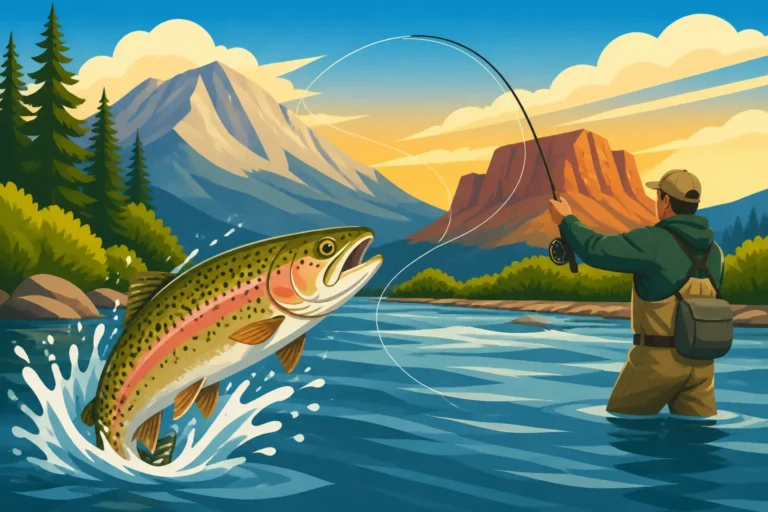
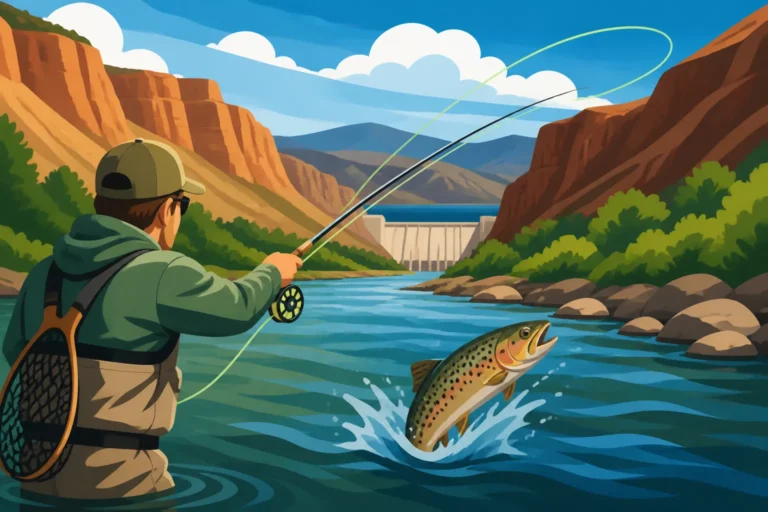
When you talk about Steamboat Lake, the first fish that usually comes to mind for most anglers are the glorious rainbow trout and the stunning native cutthroat trout. These species are the bread and butter of the lake, offering consistent action and a beautiful catch. The waters here are cool, clear, and rich in the aquatic insect life that these trout absolutely thrive on, making them grow to impressive sizes. It’s not uncommon to pull out rainbows in the 16-20 inch range, with some even pushing the 24-inch mark. Cutthroat, with their distinctive red slash under the jaw, are also plentiful and offer a unique challenge, often preferring more subtle presentations.
What many don't realize is that while rainbow trout are regularly stocked to maintain healthy populations, Steamboat Lake also supports a robust wild population of both rainbows and cutthroat, especially near the inlets where streams flow in. These fish are feisty, strong fighters, and incredibly rewarding to catch. The lake's deep, cold waters provide ample refuge for these trout year-round, allowing them to grow large and healthy. For a deeper dive into the species you might encounter, our guide to Colorado's Trout Species, A Field Guide offers a fantastic overview of what makes each unique. Understanding the different characteristics of these trout will definitely improve your chances of a successful day on the water.
Beyond Trout: Smallmouth Bass, Kokanee Salmon, and More
While trout steal the spotlight, Steamboat Lake is far from a one-trick pony. This lake holds some delightful surprises for the adventurous angler, including smallmouth bass, kokanee salmon, and even a few northern pike lurking in certain areas. Smallmouth bass, known for their aggressive strikes and strong fights, are found in the shallower, rockier sections of the lake, particularly as the water warms up in late spring and summer. They provide an exhilarating alternative to trout fishing and can be incredibly fun on light tackle.
Then there are the kokanee salmon, a landlocked sockeye salmon that offers a unique fishing experience, especially during their autumn spawning runs when they turn a brilliant crimson. These fish are fantastic table fare and present a different kind of challenge, often requiring specialized trolling techniques. If you're keen on targeting these feisty red fish, our detailed guide on Kokanee Salmon Fishing in Colorado can give you a leg up. While not as dominant as in some other Colorado reservoirs, the kokanee population in Steamboat Lake adds another layer of excitement, making every cast a potential surprise. Knowing that there's more than just trout in the water keeps things interesting and means you can switch up your tactics if one species isn't biting.
Understanding Stocking Efforts and Wild Populations
Colorado Parks and Wildlife (CPW) plays a crucial role in maintaining the health and abundance of fish in Steamboat Lake. Their dedicated stocking programs ensure that there's a consistent supply of fish for anglers, particularly rainbow trout. You might wonder why stocking is necessary if there are wild populations. Well, heavy angling pressure combined with the lake's ecological dynamics means that without regular introductions, the fishing quality could decline significantly. CPW's efforts mean that even during peak season, you still have a good chance of landing a fish.
However, it's not just about dumping fish in the lake. CPW biologists carefully monitor the wild populations of trout, particularly the native cutthroat, to ensure their genetic integrity and health. Areas like the Elk River inlet and other feeder streams are vital spawning grounds for these wild fish. The balance between stocking and protecting wild populations is key to Steamboat Lake's success as a fishery. This means that when you catch a fish, it could be a hatchery-raised specimen or a truly wild, stream-born trout, each offering a slightly different fight and unique colors. For more information on where these fish come from, you can check out our article on Rainbow Trout in Colorado, Where They're Stocked, which sheds light on the broader stocking practices across the state.
Prime Seasons and Optimal Times for Fishing Steamboat Lake
Knowing when to fish can be just as important as knowing what to fish for. Steamboat Lake offers fantastic opportunities throughout the year, but each season presents its own unique challenges and rewards. The high-country weather and water temperatures dramatically influence fish behavior, so understanding these patterns is crucial for planning your trip and maximizing your chances of success. Don't make the mistake of showing up during a "slow" time when a simple adjustment to your schedule could yield incredible results.
Spring and Summer: Open Water Opportunities
Spring at Steamboat Lake begins with the eagerly anticipated "ice-off," usually sometime in April or early May, depending on the snowpack. This period immediately after the ice melts is often a phenomenal time to fish. The water is still cold, but the fish, after a long winter under the ice, become incredibly active, cruising the shorelines and shallower bays in search of food. Rainbow and cutthroat trout are particularly aggressive during this time, making them susceptible to a variety of lures and baits. As the days lengthen and temperatures rise, fish move out from the shallow banks to deeper, cooler water.
Summer at Steamboat Lake, from late June through August, offers perhaps the most diverse fishing opportunities. The lake is fully thawed, and boats are out in full force. Early mornings and late evenings are prime times for trout as they feed closer to the surface. During the heat of the day, anglers often turn to deeper trolling for larger lake trout or kokanee salmon. Smallmouth bass also become very active in the warmer, shallower zones during the summer months. While the lake can get busy with recreational boaters, smart anglers can find success by targeting less crowded areas or adjusting their fishing times. Being prepared for varying conditions, from bright sunshine to afternoon thunderstorms, is part of the high-country summer fishing experience.
Fall Fishing: Cooler Waters and Active Fish
As the aspen leaves turn golden and the air takes on a crisp bite, fall transforms Steamboat Lake into a stunning, and often highly productive, fishing destination. This season, typically from September through October, is arguably one of the best times to target the lake's trophy trout and kokanee salmon. The cooling water temperatures invigorate the fish, prompting them to feed heavily in preparation for winter. Trout become more active throughout the day, often moving into shallower waters again, making them more accessible to shore anglers and those in smaller boats.
The kokanee salmon put on a spectacular show in the fall, making their spawning runs up the Elk River and other tributaries that feed the lake. While snagging is illegal, actively fishing for these beautiful, vibrant red fish can be incredibly exciting. Their flesh, even before spawning, takes on a deep orange hue, making them excellent table fare. Many anglers consider this a prime time for both quantity and quality of fish, and the added bonus of the breathtaking fall foliage makes it an unforgettable experience. For a comprehensive look at how fishing changes with the seasons, our guide on Fall Fishing in Colorado, What Changes will provide even more valuable insights into autumnal angling across the state.
Winter Wonderland: Ice Fishing at Steamboat Lake
When winter blankets the area in snow and ice, Steamboat Lake doesn't close down for fishing; it simply shifts to a different, equally exciting mode: ice fishing. Typically, the lake develops safe ice cover by late December or early January, lasting through March. This offers a completely different, serene angling experience, surrounded by snow-covered peaks and crisp, clean air. Ice fishing at Steamboat Lake is particularly popular for rainbow trout, brook trout (which can occasionally be found), and the possibility of catching a large lake trout or even kokanee.
Dedicated ice anglers brave the cold to drill holes and drop lines, often using small jigs tipped with bait, or jigging spoons. Lake trout, in particular, can be targeted by jigging heavier spoons or tube baits in deeper sections of the lake. It's an immersive experience that requires specialized gear and a good understanding of ice safety. Before heading out, always check ice conditions, as safety is paramount. You can often find local bait shops or the park office providing up-to-date reports. If you're new to the game, our guide on Ice Fishing in Colorado, Getting Started is an invaluable resource for understanding the basics and staying safe on the ice.
Essential Techniques, Baits, and Gear for Steamboat Lake Anglers
Steamboat Lake is a versatile fishery, meaning there's no single "best" way to catch fish here. Your success will often depend on adapting your techniques to the season, the weather, and the specific species you're targeting. Whether you prefer the finesse of fly fishing or the straightforward approach of spin fishing, having a grasp of various methods will significantly improve your angling adventures. Knowing the right approach can turn a slow day into a memorable one.
Fly Fishing Strategies for Trout
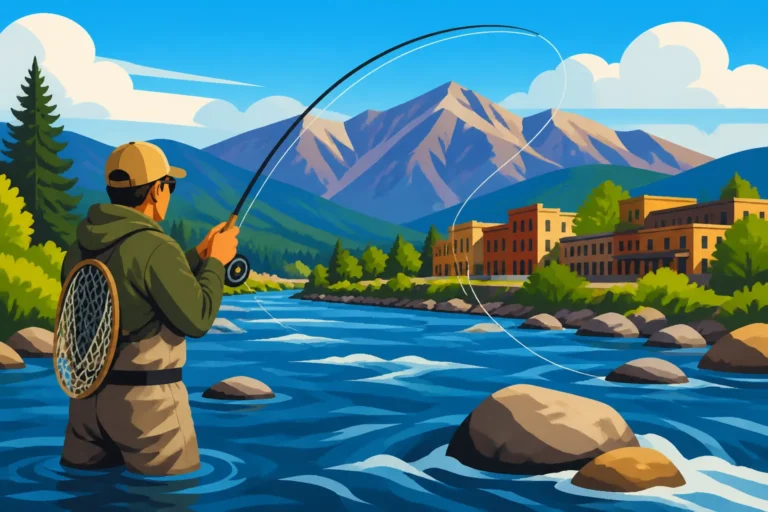
For the fly fishing enthusiast, Steamboat Lake and its surrounding feeder streams offer a truly rewarding experience, especially for rainbow and cutthroat trout. When the lake is open, early mornings and evenings often present opportunities for dry fly fishing as trout rise to feed on emerging insects. Patterns mimicking Caddis, Mayflies, and Midges are usually effective. However, much of the fly fishing success on a lake often comes from subsurface presentations. Nymphs, such as Pheasant Tails, Prince Nymphs, or Copper Johns, fished under an indicator or with a slow retrieve, can be incredibly productive, especially near drop-offs or underwater structure.
Streamer fishing is another highly effective technique, particularly for targeting larger, more aggressive trout. Patterns like Wooly Buggers, Sculpzillas, or Conehead Muddler Minnows, stripped through the water, can imitate baitfish and provoke a strong strike. Focus your efforts around rocky points, submerged timber, or the mouths of feeder creeks where trout often ambush prey. The inlets of the Elk River can be particularly productive areas for fly anglers. While Steamboat Lake isn't a river, many of the principles of river fly fishing, like reading currents at inlets and understanding insect hatches, still apply.
Spin Fishing Success on the Lake
Spin fishing is perhaps the most popular and accessible method for fishing Steamboat Lake, offering excellent chances for anglers of all skill levels. From shore, casting spoons, spinners, or soft plastics can yield great results, especially for rainbow and cutthroat trout. Lures like Kastmasters, Daredevils, and Panther Martin spinners are perennial favorites. Many anglers also find success using PowerBait, Gulp! trout bait, or natural baits like worms and salmon eggs, fished on a simple bobber or bottom rig. These work especially well in quieter coves and along public access areas.
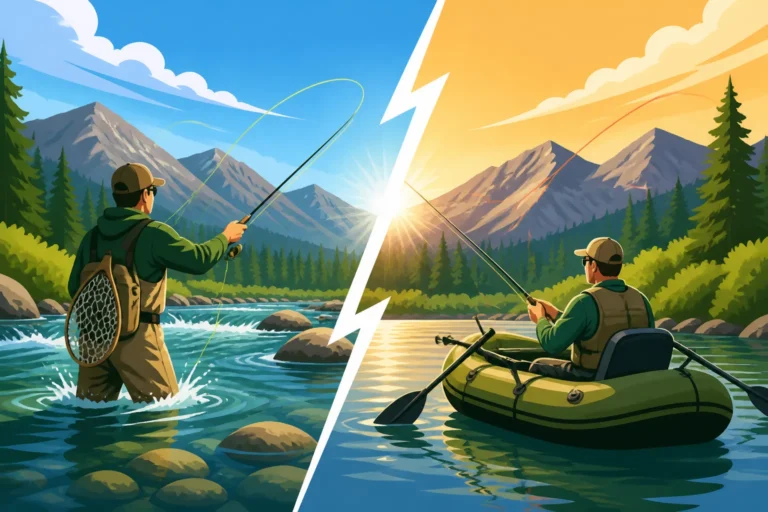
When fishing from a boat, the options expand considerably. Trolling with small spoons or Rapalas is very effective for covering water and locating schools of trout. For smallmouth bass, focus on rocky shorelines and submerged structure using crankbaits, jigs, or plastic worms. The versatility of spin fishing allows you to adapt quickly to what the fish are biting on, simply by changing lures or baits. For those looking for more specific guidance on this technique, our resource on Spin Fishing Techniques for Colorado Trout can provide a solid foundation. Remember, a good pair of polarized sunglasses can help you spot structure and even cruising fish.
Trolling and Downrigging for Deepwater Species
For those targeting the deeper dwelling fish like larger lake trout or kokanee salmon, trolling and downrigging become essential techniques. These methods allow you to present lures and baits at precise depths where these fish are often holding, especially during the warmer summer months when they retreat from the surface. Downriggers are devices that use a heavy weight to send your fishing line and lure down to a specific depth, which can be crucial when fish are holding 30, 50, or even 100 feet down.
When trolling for kokanee, small dodgers or flashers paired with kokanee-specific lures like Wedding Rings or Kokanee Killers, tipped with corn, are incredibly effective. These are often trolled at slow speeds. For lake trout, heavier spoons, large tube jigs, or even live bait (where permitted) can be trolled or jigged near deep structure and drop-offs. The deeper sections of Steamboat Lake, particularly towards the dam or in the main channel, are prime areas for these techniques. Understanding the optimal depths and speeds can make a huge difference in your catch rate. Our detailed article on Trolling Techniques for Colorado Reservoirs offers an excellent overview of how to master this method, ensuring you're well-equipped for deep-water success.
Navigating Regulations, Access, and Amenities at Steamboat Lake State Park
Fishing in a state park like Steamboat Lake comes with specific rules and requires certain licenses, but it also offers incredible amenities and easy access to some of Colorado's most beautiful landscapes. Understanding these details before you go will prevent any surprises and ensure a smooth, enjoyable trip. Don't let a forgotten license or overlooked regulation ruin your day on the water.
Colorado Fishing Regulations Specific to Steamboat Lake
Before you even cast a line, it's absolutely crucial to have the proper documentation and understand the local rules. Like all public waters in Colorado, fishing at Steamboat Lake requires a valid Colorado fishing license for anyone 16 years of age or older. Non-residents will need a non-resident license, which typically costs more than a resident one. Beyond the general license, you'll also need a Habitat Stamp, which contributes to wildlife conservation efforts across the state. The good news is that these are generally purchased together, making the process straightforward. To ensure you have all your bases covered, I highly recommend consulting our comprehensive guide on the Colorado Fishing License Guide for Residents and Nonresidents, as well as Colorado's Habitat Stamp, Explained.
It's also vital to be aware of any specific regulations unique to Steamboat Lake. These can include daily bag and possession limits for different species, minimum or maximum length restrictions for trout, and any bait restrictions that might be in place. While Steamboat Lake is generally open to most legal baits and lures, it's always best to check the current Colorado Fishing Regulations Every Angler Should Know, which is available online through Colorado Parks and Wildlife (CPW) or in their annual brochure. These regulations can change year to year, so always check the most recent version. Being informed helps protect the fishery and keeps you out of trouble with game wardens.
Public Access Points, Boat Ramps, and Shoreline Fishing
Steamboat Lake State Park is designed with angler access in mind, making it relatively easy for both boaters and shore fishermen to enjoy the water. The park features excellent boat ramps, typically located at the marina area (Steamboat Lake Marina) and sometimes another access point. These ramps are well-maintained and suitable for a variety of watercraft, from small fishing boats to larger vessels. There's usually ample parking for vehicles and trailers. Be sure to check any specific regulations regarding boat inspections for aquatic nuisance species (ANS) before launching, as these are often mandatory in Colorado.
For those who prefer to fish from shore, Steamboat Lake offers numerous public access points and miles of accessible shoreline. The developed areas of the park, near campgrounds and picnic areas, often provide easy bank access. Additionally, hiking trails that skirt the lake’s edge can lead to more secluded spots, offering a quieter fishing experience away from the crowds. Good areas for shore fishing include bays, points, and near the dam. Exploring the shoreline on foot can often reveal hidden gems and productive fishing holes. If you're planning your trip and want to get a sense of the layout, looking at the park's official map beforehand is always a smart move.
Camping, Lodging, and Nearby Services
One of the great advantages of fishing Steamboat Lake is the abundance of amenities available both within the state park and in the nearby town of Steamboat Springs. If you're looking to make a multi-day trip out of it, the state park offers several campgrounds, including the popular Sunrise Vista and Bridge Island campgrounds. These sites typically offer a range of facilities, from primitive tent sites to those with electrical hookups, and often include access to restrooms, water, and picnic tables. Reservations are highly recommended, especially during peak summer months, as these spots fill up fast!
Beyond camping, the charming resort town of Steamboat Springs, just a short drive south, provides a full spectrum of lodging options, from cozy cabins and vacation rentals to hotels and motels. This means you can enjoy a comfortable stay with access to excellent restaurants, breweries, and other attractions after a long day of fishing. For your fishing needs, Steamboat Springs has several well-stocked fly shops and sporting goods stores, like Steamboat Flyfisher or Straightline Sports, where you can pick up licenses, bait, tackle, and get up-to-the-minute fishing reports. Some may even offer guide services if you're looking for an expert to show you the ropes or take you to the best spots. To help plan your full itinerary, you might even find useful booking resources on platforms like FishingBooker, which lists local guides and charters, helping you coordinate your fishing adventure seamlessly.
Disclaimer
Please remember that fishing regulations, conditions, and fish populations can change. Always consult the most current Colorado Parks and Wildlife regulations guide before heading out on any fishing trip. The information provided in this guide is for general informational purposes only and should not be considered legal advice or a substitute for official regulations. Exercise caution and common sense when recreating outdoors.