Boating the Channel Between Grand Lake and Shadow Mountain Reservoir
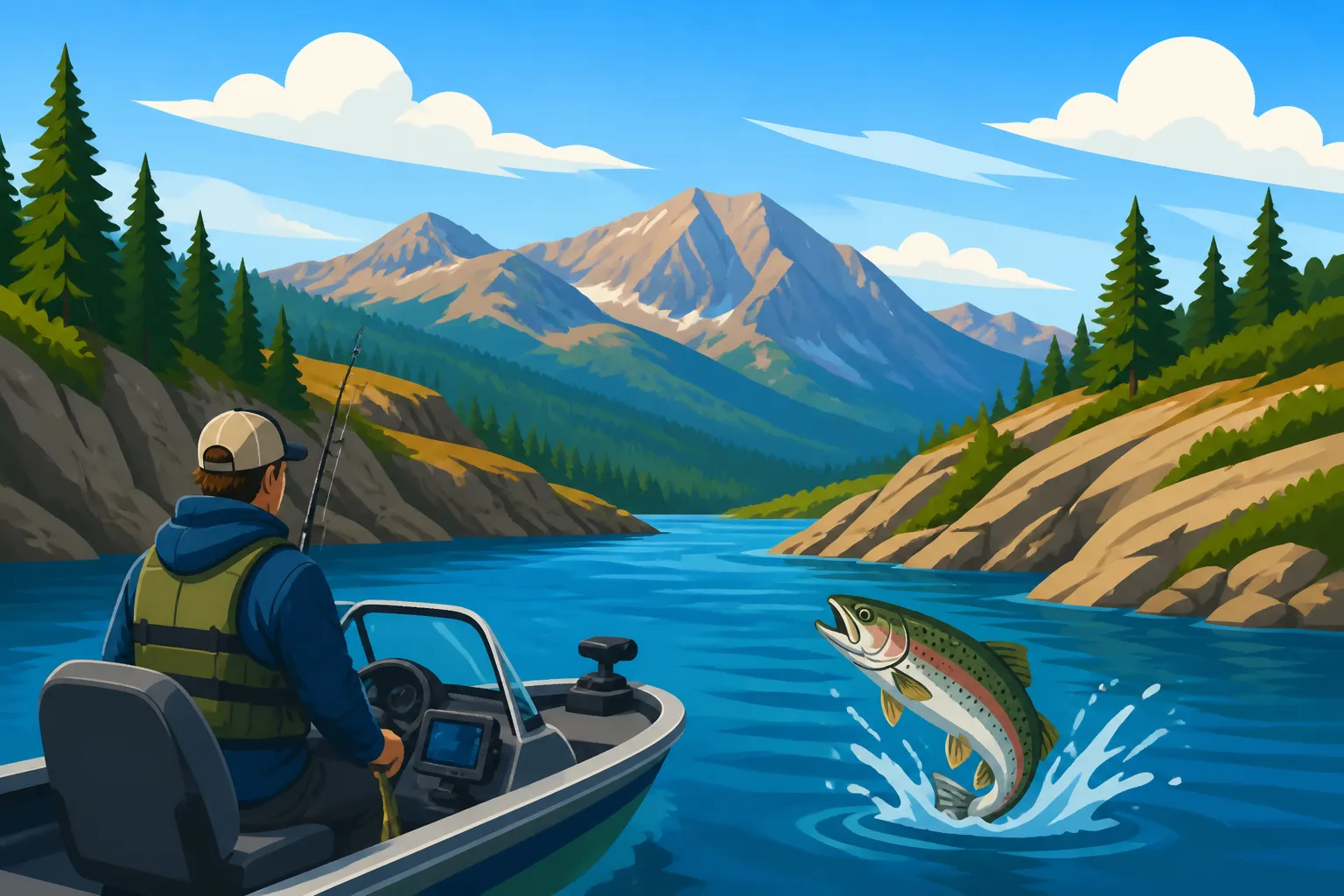
One of the most appealing aspects of fishing and boating in Grand County, Colorado, is the incredible connectivity between its major lakes. Specifically, the ability to seamlessly transition from Grand Lake into Shadow Mountain Reservoir and then further into Lake Granby is a huge draw. However, many folks wonder about the specifics of boating the channel between Grand Lake and Shadow Mountain Reservoir – is it navigable, are there special rules, and what should you expect? Navigating this picturesque stretch can be a bit tricky if you're not prepared, so this guide is here to clear up all the confusion and help you enjoy your time on these connected waters safely and efficiently.
Understanding the Channel's Layout and Navigation
The channel connecting Grand Lake and Shadow Mountain Reservoir isn't just a simple ditch; it's a vital artery for recreation and fish movement, nestled right in the heart of Grand County. While it might look straightforward on a map, there are crucial details to understand for safe and enjoyable passage. Many visitors get confused by its nuances, especially when dealing with varying water levels or encountering other boaters.
The Physical Connection and Its Unique Characteristics
Essentially, the channel is a relatively short, man-made cut designed to link these two significant bodies of water. Grand Lake, being Colorado's largest natural lake, sits at a slightly higher elevation than Shadow Mountain Reservoir. This means there's a gentle flow, typically from Grand Lake into Shadow Mountain, although water management can sometimes alter this. The channel itself is part of the larger Colorado-Big Thompson Project, which diverts water from the Western Slope to the Eastern Plains. Because of this, the water levels in Shadow Mountain, and by extension, the channel, can fluctuate throughout the season.
The banks of the channel are often lined with reeds and emergent vegetation, providing excellent cover for various fish species and wildlife. You'll often see ducks and geese nesting here, and sometimes even a moose or deer grazing along the shoreline. It's a truly beautiful spot, but that beauty also means you need to be mindful of its environmental sensitivity. The length is manageable, typically taking only a few minutes to traverse at idle speed, which is a key regulation we'll get into shortly.
Essential Navigational Markers and Hazards
When you're boating through this channel, you'll notice a series of navigational markers. These are not just suggestions; they are critical for your safety and for protecting the environment. These markers typically consist of buoys and signs indicating the main channel, no-wake zones, and sometimes submerged hazards. Given that the channel's depth can change with reservoir levels, sticking to the marked path is paramount. There might be stumps, rocks, or other debris just outside the main navigation lane, especially during periods of lower water.
It's common for inexperienced boaters to get a little too close to the banks, especially if they’re trying to avoid other traffic. However, venturing outside the marked channel can lead to grounding your boat or damaging your propeller, which is a frustrating experience no one wants. Always keep a sharp eye out for these markers and educate yourself on their meanings before you even launch.
Boating Regulations and Safety Protocols
Boating in Colorado, especially on interconnected waterways like Grand Lake and Shadow Mountain, comes with specific rules designed to ensure safety and preserve the natural environment. It's not just about common courtesy; many of these are legal requirements that Colorado Parks and Wildlife (CPW) actively enforces. Getting stopped for a violation or, worse, having an accident, can really put a damper on your fishing trip.
Speed Limits and No-Wake Zones
The most critical regulation in the channel between Grand Lake and Shadow Mountain is the no-wake speed limit. This means your boat must operate at the slowest possible speed necessary to maintain steerage, ensuring that your boat does not create a wake. This regulation serves multiple purposes: it prevents erosion of the delicate channel banks, protects nesting wildlife, and significantly reduces the risk of collisions in what can be a congested area. Ignoring this rule isn't just inconsiderate; it's a ticketable offense.
Think of it like driving through a school zone: you slow down, you pay attention, and you respect the rules. The channel is essentially a marine school zone. Many boaters, especially on busy summer weekends, get impatient, but maintaining a no-wake speed is non-negotiable. This rule applies to all vessels, whether you're in a powerful fishing boat, a pontoon, or a kayak. It’s essential for everyone's safety and enjoyment.
Vessel Restrictions and Required Safety Gear
While the channel itself is open to most recreational boats, certain areas of Grand Lake and Shadow Mountain might have specific restrictions, particularly regarding engine size or type in certain coves or shallow areas, though this is less common for the main thoroughfare. For instance, sailboats with masts that are too tall may struggle with bridge clearances if trying to pass further into Lake Granby, though the immediate channel between Grand Lake and Shadow Mountain generally doesn't have these issues. Always check local regulations for the specific body of water you intend to explore.
Regardless of your vessel type, Colorado law mandates certain safety equipment. This includes:
- Life Jackets (PFDs): Every person on board must have an easily accessible U.S. Coast Guard-approved life jacket. Children 12 years old and younger must wear a life jacket while on board any vessel when underway.
- Fire Extinguisher: Required for most motorized vessels.
- Sound-Producing Device: A whistle, horn, or bell to signal other boaters.
- Visual Distress Signals: Required for vessels operating at night or in certain larger bodies of water.
It's not just about having the gear; it's about having it in good working order and knowing how to use it. A broken fire extinguisher or a life jacket that doesn't fit properly won't do you any good in an emergency. Being prepared means you can focus on the fishing and scenery, not on potential hazards.
Here's a quick comparison of the two connecting lakes:
| Feature | Grand Lake | Shadow Mountain Reservoir |
|---|---|---|
| Surface Area | Approx. 507 acres | Approx. 1,346 acres |
| Maximum Depth | ~265 feet | ~100 feet |
| Primary Fish Species | Rainbow, Brown, Mackinaw (Lake Trout), Brook Trout, Kokanee Salmon | Rainbow, Brown, Mackinaw (Lake Trout), Kokanee Salmon, Splake |
| Water Clarity | Generally clear, deep blue | Can be murkier due to runoff, shallower |
| Water Temperature | Colder due to depth | Warmer, especially in shallower areas |
| Common Boat Types | Motorized, sailboats, kayaks, canoes | Motorized, pontoons, kayaks, canoes |
| Connecting Feature | Connects via channel to Shadow Mountain | Connects via channel to Grand Lake & Lake Granby |
Fishing Opportunities in the Channel and Connecting Waters
The channel itself, while primarily a thoroughfare, offers some unique fishing opportunities, and its connection to larger reservoirs means an abundance of diverse fish species. Anglers often overlook the channel, focusing solely on the expansive lakes, but that would be a mistake. The fish here are often on the move or using the channel for cover and feeding.
Species You Might Encounter
Both Grand Lake and Shadow Mountain Reservoir are home to a fantastic array of coldwater fish. As you move through or near the channel, you might hook into:
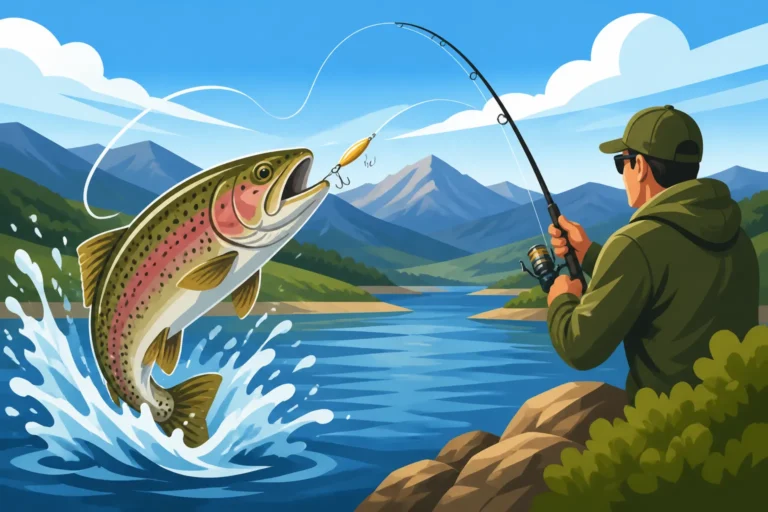
- Rainbow Trout: Frequently stocked by CPW, these are often found in the channel, especially after stocking events. They're a favorite for many anglers due to their aggressive bites.
- Brown Trout: These wily predators often lurk in the deeper pockets or under submerged structures within the channel, particularly during low light conditions. They are a significant draw in both Grand Lake and Shadow Mountain Reservoir.
- Kokanee Salmon: While the main runs happen in the fall, you'll find kokanee moving through the channel at other times, migrating between the lakes. They are beautiful, hard-fighting fish.
- Lake Trout (Mackinaw): Though more commonly found in the deeper, colder waters of Grand Lake and Shadow Mountain, smaller lake trout might occasionally venture into the channel, especially if baitfish are present.
- Splake: A hybrid of brook trout and lake trout, splake are stocked in Shadow Mountain and occasionally make their way into the channel. They offer a unique challenge and are highly prized.
Understanding Colorado's Trout Species, A Field Guide can give you a better idea of what you might pull out of these waters. The channel environment itself, with its slower currents and protective vegetation, creates an appealing habitat for many of these fish.
Effective Techniques for Channel and Lake Fishing
Because the channel is a no-wake zone, it lends itself well to certain fishing techniques. Trolling, for instance, isn't really an option within the channel itself, but it's incredibly effective once you're out in the main bodies of Grand Lake or Shadow Mountain.
- Shore Fishing and Wade Fishing: For those without a boat, the banks near the channel can be productive. Casting small spinners, spoons, or bait (where allowed) can yield good results.
- Drifting/Slow Trolling (outside the channel): Once you're clear of the no-wake zone, slow trolling with small dodgers and wedding rings for kokanee, or larger spoons and stickbaits for lake trout, is very popular.
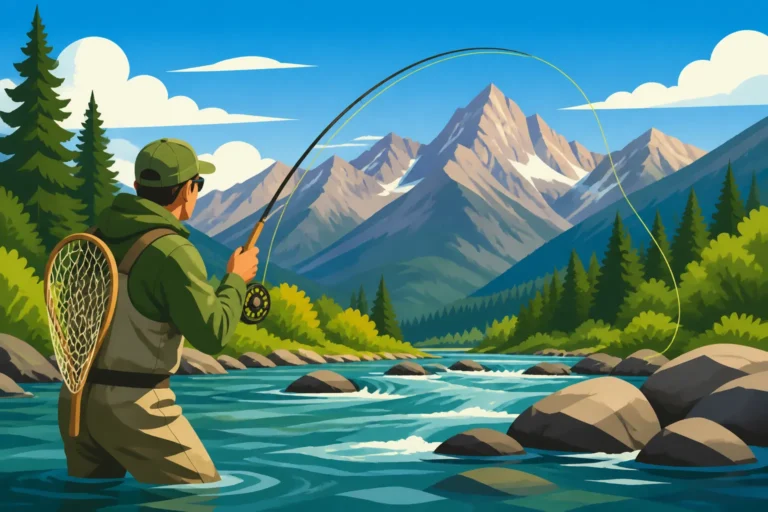
- Fly Fishing: For fly anglers, the slower moving water and vegetation in and around the channel offer excellent opportunities. Nymphing with imitations of midges, small stoneflies, or caddis larvae can be very effective, especially where you find deeper pockets or current seams. When there are hatches, dry fly fishing near the banks can also be rewarding. For a deeper dive, check out resources on Best Flies for Colorado's Gold Medal Trout Water as many of these patterns will cross over.
- Bait Fishing: Worms, PowerBait, or even corn (where legal) can be very effective, particularly for recently stocked rainbow trout. Just make sure to check local bait restrictions.
Always remember to consult the Colorado Fishing Regulations Every Angler Should Know before heading out, as rules for specific species and waters can change. Bag and possession limits are strictly enforced.
Planning Your Day on the Water
A successful day boating and fishing these magnificent waters starts long before you launch your boat. Planning ahead ensures you avoid unnecessary frustrations and can truly enjoy the unparalleled beauty and fishing opportunities. From knowing where to launch to understanding peak times, a little preparation goes a long way.
Access Points and Boat Ramps
There are several excellent boat ramps to access Grand Lake and Shadow Mountain Reservoir, providing convenient entry to the interconnected waters.
- Grand Lake: The Grand Lake Town Public Boat Ramp (or "The Point") is a popular option, offering access directly to Grand Lake. Another ramp might be available through the Grand Lake Marina, though fees and services can vary.
- Shadow Mountain Reservoir: The Green Ridge Boat Ramp is a primary access point for Shadow Mountain Reservoir. It’s a well-maintained ramp with ample parking and is often less crowded than the Grand Lake access points, especially earlier in the day. This ramp makes it easy to access the channel and then head into Grand Lake.
Remember, a Colorado State Park Passes vs Fishing Licenses covers your entry to state park-managed ramps like Green Ridge, but your fishing license is a separate requirement. Be aware that during peak season (mid-summer weekends), these ramps can get incredibly busy, leading to long waits. Arriving early is always a good strategy.
Optimal Times to Visit and Avoid Crowds
Just like any popular outdoor destination, Grand Lake and Shadow Mountain Reservoir experience peak usage. If you're looking for a quieter experience, timing is everything.
- Weekdays vs. Weekends: Weekdays are almost always less crowded than weekends. If your schedule allows, a Tuesday or Wednesday trip will offer a much more peaceful experience.
- Early Mornings or Late Evenings: Even on weekends, heading out at sunrise or staying out until an hour or two before sunset can help you avoid the midday rush. Not only are there fewer people, but fishing often picks up during these low-light periods.
- Shoulder Seasons: May (before runoff fully peaks) and September/October (after the summer crowds dwindle but before ice-up) offer some of the best fishing and boating conditions with fewer people. Colorado Fishing Seasons Month by Month can provide more detail on what to expect throughout the year.
The channel itself can be a choke point, so traversing it during less busy times can make for a more relaxing passage. Trying to navigate it when several large pontoons and ski boats are also trying to pass can be a bit stressful, especially if you're not used to it.
Considering a Guided Trip
For those who are new to the area, or perhaps want to learn the ropes of fishing these specific waters, hiring a local guide can be an invaluable experience. A guide not only knows the best fishing spots but also understands the nuances of navigating the channel and the reservoirs, including current conditions and any temporary regulations.
Guides can provide all the necessary gear, expertise, and local knowledge, allowing you to focus entirely on the enjoyment of the trip. Whether you're interested in fly fishing for brown trout or trolling for kokanee, a guide can tailor the experience to your preferences. Websites like FishingBooker are excellent resources for finding reputable local guides and charters who specialize in these Grand County lakes. They list various options, from half-day excursions to full-day adventures, covering everything from spin fishing to fly fishing, ensuring you get the most out of your visit. Checking out Hiring a Fishing Guide in Colorado, What to Expect can give you a solid overview of what's involved. Many guides will pick you up at convenient locations and handle all the logistics, making your day on the water as seamless as possible. You can even find specific "Guided Fishing Trips in Colorado" options that focus on these spectacular lakes.
Remember, whether you're solo or with a guide, always have your Colorado Fishing License Guide for Residents and Nonresidents handy and visible. Being prepared means a day of uninterrupted enjoyment on the water.
Disclaimer
Please note that fishing regulations, water levels, and access points in Colorado can change due to environmental conditions, wildlife management, or administrative decisions by Colorado Parks and Wildlife (CPW). Always consult the most current CPW regulations brochure or their official website before planning your trip. The information provided here is for general guidance and educational purposes only.