Fishing the Colorado River for Brown Trout in the Fall
Chasing brown trout on the majestic Colorado River in the fall can be one of the most rewarding angling experiences, but it often comes with the challenge of unpredictable weather, changing water conditions, and knowing exactly where these elusive fish hold. This comprehensive guide is designed to cut through the confusion, offering you an in-depth look at everything you need to know to successfully target trophy brown trout as autumn paints the Rockies.
Why Fall is Prime Time for Colorado River Brown Trout
Fall isn't just about changing leaves; it's a profound shift in the natural world that directly impacts trout behavior, especially for the wily brown trout. The crisp air and shorter days signal a crucial period for these fish, making them exceptionally active and often more aggressive than any other time of year. Understanding these seasonal triggers is your first step toward a successful autumn outing.
Understanding Brown Trout Fall Behavior
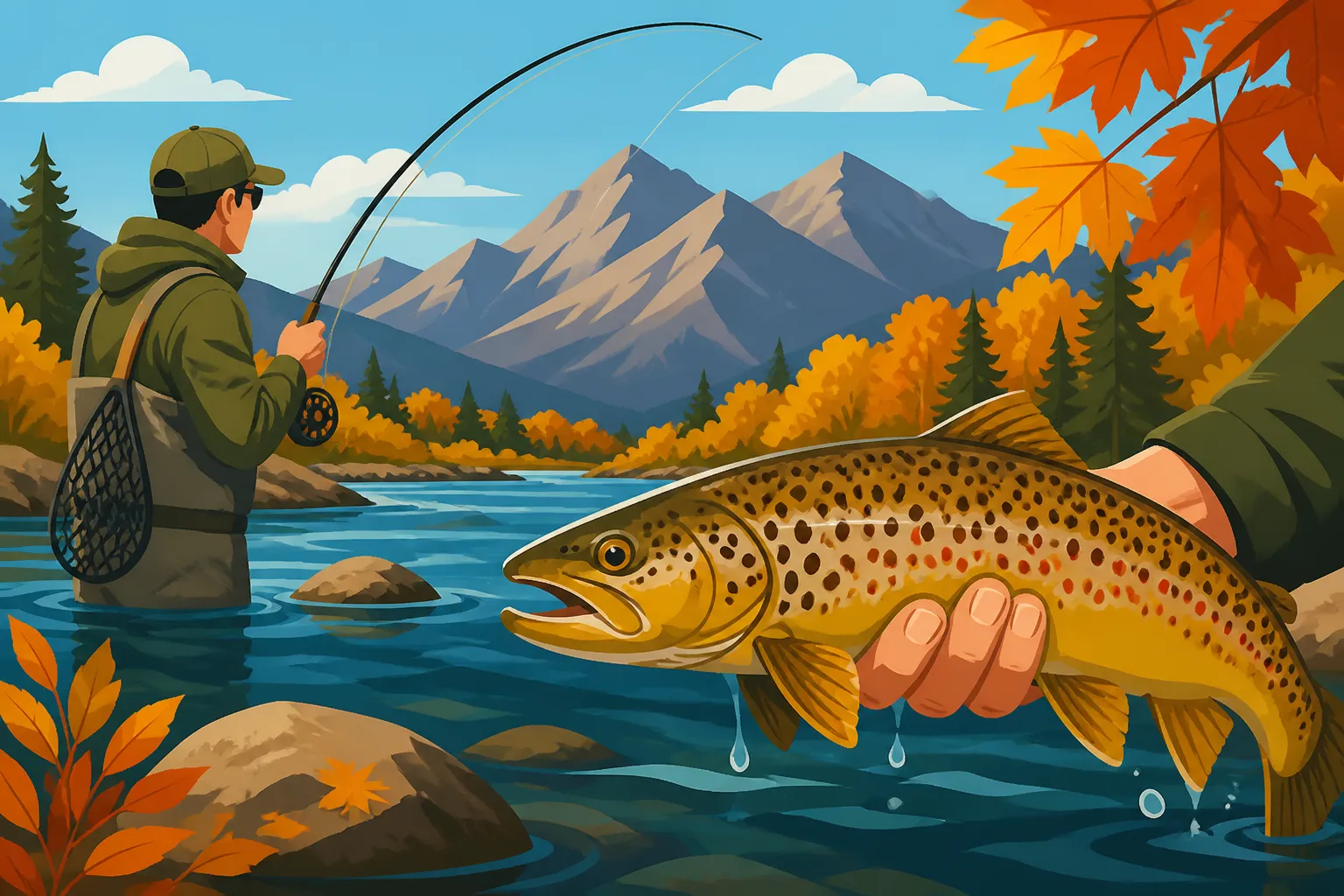
As September rolls into October and November, brown trout on the Colorado River transition into their pre-spawn and spawning phases. This biological imperative drives them to feed heavily, building up crucial energy reserves for reproduction. Imagine a marathon runner carb-loading before a big race – that's essentially what brown trout are doing. They become less finicky and more willing to chase down larger meals, transforming from cautious feeders into opportunistic predators. You'll notice they'll move into shallower, more accessible areas to find suitable spawning grounds, often gravelly riffles and runs. This means they can be found in places you might not expect them during the warmer months, making them more vulnerable to presentation if you know where to look. Their territorial instincts also spike during this time, making them aggressive towards anything perceived as a threat to their redds (spawning beds) or food sources. This aggressive streak is precisely what makes fall streamer fishing so incredibly effective.
The Impact of Cooling Water Temperatures
Water temperature is arguably the most critical factor influencing trout activity. As summer's warmth fades, the Colorado River's mercury starts to drop, hitting that sweet spot for brown trout. They thrive in colder water, typically between 45 and 65 degrees Fahrenheit. In the fall, temperatures often hover in the lower end of this range, boosting their metabolism and encouraging them to feed actively throughout the day. This cooling trend also signals the end of the warmest, most stressful periods for trout, allowing them to recover and focus entirely on feeding and spawning. You’ll often find fish moving out of the deep, cold pools they sought in summer and into shallower, oxygenated riffles where they can ambush prey. This also makes them more approachable for wade anglers. Keep an eye on the daily temperature swings; a sunny afternoon can warm the water just enough to trigger an incredible bite, while an overnight freeze might push them back into slightly deeper, more stable pockets.
Abundant Food Sources in Autumn
While the prolific hatches of spring and summer may be winding down, fall on the Colorado River offers a smorgasbord of different food sources that brown trout simply can't resist. Terrestrial insects like grasshoppers and ants become less prevalent, but their fall into the water on windy days can still be a bonus. However, the real stars of the autumn menu are aquatic insects and baitfish. Nymphs like Caddis, Blue-Winged Olives (BWOs), and Midges become increasingly active as water temperatures cool. These insects spend their entire lives underwater, offering a consistent food source. More importantly, smaller baitfish, such as sculpins and juvenile trout, are abundant. Brown trout are highly predatory, and these larger protein sources are too good to pass up, especially when they're bulking up for the spawn. This shift to larger, meatier meals is why techniques like streamer fishing become so deadly effective; you're essentially mimicking a distressed baitfish, an irresistible target for an aggressive brown.
Navigating the Colorado River's Fall Conditions
Fishing the Colorado River in the fall means adapting to dynamic conditions. The river itself is a living, breathing entity that changes daily, sometimes hourly, with weather, water releases, and natural flows. Being prepared to read the water and understand these shifts will give you a significant advantage in finding those trophy brown trout.
Water Levels and Clarity
After the epic spring runoff subsides, the Colorado River typically settles into more stable, often lower, and clearer flows during the fall. This post-runoff clarity can be a double-edged sword. On one hand, it allows you to spot fish more easily and identify prime holding lies. On the other hand, it means the trout can see you just as well, making stealth and presentation paramount. You'll need to approach spots quietly, stay low, and make accurate casts. Ideal fall flows allow for excellent wading in many sections, opening up access that might be impossible earlier in the year. However, always check the current flow rates from sources like the USGS website before you head out, especially if you plan on floating. Unexpected water releases from upstream reservoirs can drastically change conditions overnight. Higher flows might push fish closer to the banks, while extremely low flows can make them spooky and concentrate them in deeper pools. Understanding these nuances, possibly by consulting the Colorado River Fishing From Glenwood Canyon to Kremmling guide, will make your trip more productive.
Identifying Key Holding Lies
Brown trout in the fall, especially those preparing to spawn, have very specific preferences for where they hold. They're looking for a combination of cover, accessible food, and proximity to spawning grounds. Focus your efforts on these prime areas:
- Slower Seams and Eddy Lines: These areas provide a break from the main current, allowing trout to conserve energy while still having easy access to food washing downstream. Look for seams where faster water meets slower water, often behind large rocks or logjams.
- Deeper Pools and Runs: While some fish move shallow, larger brown trout will still utilize deeper water for security, especially when not actively spawning. Approach these slowly and systematically, targeting the edges and structure within them.
- Structure, such as Undercut Banks and Submerged Logs: These offer critical cover from predators (like eagles and osprey, which are also more active in the fall) and a stealthy ambush point for prey. Cast tight to these areas; often, the biggest browns are tucked right underneath.
- Gravelly Riffles and Tailouts: As the spawn approaches, you’ll find brown trout, particularly males, holding in or near gravel beds to establish or defend redds. These areas are usually shallower, with consistent current. Avoid wading directly on these areas, as you can damage redds and future fish populations.
Remember, trout are often subtle. The best way to learn these holding lies is to spend time on the water, observing the river's contours and where the fish are showing activity.
Weather Patterns and Their Influence
Fall weather in Colorado can be incredibly varied, swinging from warm, sunny days to sudden snow squalls. These weather shifts dramatically influence trout behavior.
- Sunny, Warm Afternoons: These can be fantastic. The sun warms the water slightly, increasing insect activity (like late-season BWO hatches) and getting trout more active. It's often when you'll see fish rising or chasing streamers with gusto.
- Overcast or Stormy Days: These days can be gold for brown trout. The low light conditions make fish feel more secure and less wary, often bringing them out into shallower water to feed. This is especially true for large, predatory browns that typically shun bright sunlight. Streamer fishing can be phenomenal during these conditions.
- Cold Fronts: A sudden drop in temperature or a significant snow event can temporarily put the fish down. They might move to deeper, more stable water and become less aggressive. It's not impossible to catch them, but you'll likely need to slow down your presentation and focus on nymphs fished deep and slowly.
- Daily Temperature Swings: Pay attention to the forecast. A significant difference between morning lows and afternoon highs can mean a shift in tactics. Start with nymphs or streamers in the colder mornings, and be ready for a potential dry fly or more aggressive streamer bite if it warms up enough for an hatch. Layering your clothing is key to staying comfortable and adaptable through these changes.
Essential Techniques and Gear for Fall Browns
Successfully catching brown trout in the fall on the Colorado River requires a versatile approach. You’ll need to be ready to switch between different techniques as conditions and trout behavior dictate. Having the right gear and understanding how to use it will dramatically increase your chances of success.
Fly Fishing Strategies for Aggressive Trout
For fly anglers, fall is synonymous with aggressive brown trout, and your arsenal should reflect that.
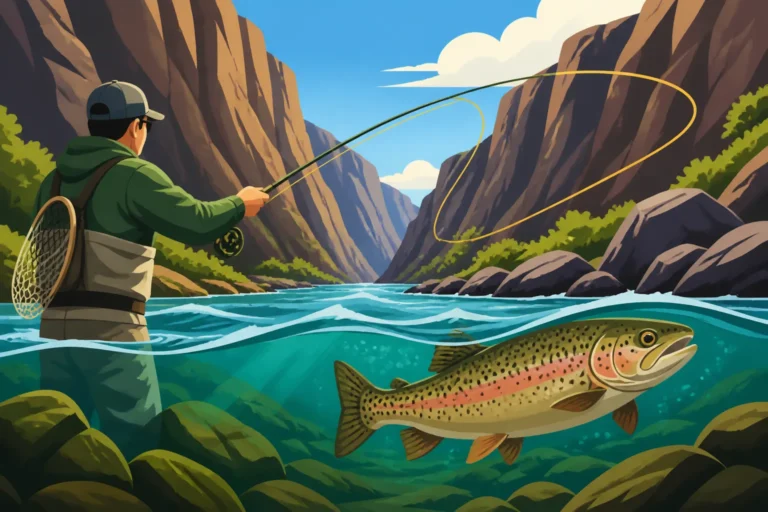
- Streamer Fishing for Colorado Brown Trout: This is often the most exciting and productive method. Big browns love to chase big meals, and streamers imitate baitfish or sculpins perfectly. Focus on patterns in olive, black, white, and brown. Sizes #2-8 are common. Techniques include stripping them quickly through runs, swinging them through seams, or dead-drifting them along banks. The key is to make the streamer look alive and fleeing. Cast across and slightly downstream, letting the fly swing, then retrieve with varying strip speeds and pauses. Don't be afraid to experiment with retrieve styles. Check out dedicated guides on Streamer Fishing for Colorado Brown Trout for more in-depth strategies.
- Nymphing Techniques for Colorado Tailwaters: When fish aren't actively chasing streamers or rising, going subsurface with nymphs is your bread and butter. Fall hatches of Blue-Winged Olives (BWOs) and Midges are common, so small nymph patterns (like Baetis imitations, zebra midges, pheasant tails, or hare's ears) in sizes #18-22 are crucial. Larger stonefly patterns or attractor nymphs can also be effective, especially when dead-drifted deep under an indicator. You might also want to consult specific guides on Nymphing Techniques for Colorado Tailwaters, as the Colorado River has tailwater sections. Focus on getting your flies down to the fish quickly and maintaining a drag-free drift. A two-fly nymph rig with varying weights is often most effective.
- Late-Season Dry Flies: While not as consistent as in summer, late-season dry fly opportunities can arise, especially during BWO hatches on warmer, overcast afternoons. Keep a few small BWO emergers and adult patterns (sizes #18-22) handy. If you see fish consistently rising, it's worth taking the time to match the hatch. Terrestrial patterns like beetles or ants can also still tempt a fish on warmer days, particularly along grassy banks.
Spin Fishing Tactics and Lure Selection
Spin fishing can be just as effective, if not more so, for targeting aggressive fall brown trout. Modern lures are incredibly realistic and can trigger powerful strikes.
- Spoons and Spinners: Classic spoons like Kastmasters or Daredevils, and inline spinners like Mepps or Panther Martins, are excellent choices. Their flash and vibration mimic baitfish and provoke reaction strikes. Cast them upstream or across, letting them sink slightly, then retrieve at a speed that makes the blade or spoon wobble enticingly. Gold, silver, and copper colors, often with a red or orange accent, are highly effective.
- Jerkbaits and Minnow Plugs: Hard-bodied jerkbaits (like Rapala or Smithwick Rattlin' Rogue) or minnow plugs are fantastic for imitating larger baitfish. Cast these parallel to banks or into deeper pools and retrieve with a twitch-pause action. The erratic movement of a jerkbait can be irresistible to an aggressive brown. Colors that mimic local baitfish, like rainbow trout or sculpin patterns, are usually a good bet.
- Soft Plastics: Small soft plastic swimbaits or grub tails rigged on a jig head can also be very productive. They offer a more subtle presentation but can be fished slowly along the bottom or jigged through deeper runs. Experiment with different colors and sizes to see what the fish are keying in on.
Must-Have Gear and Safety Considerations
Beyond your rods and reels, a few essential items will make your fall Colorado River trip safer and more enjoyable.
- Waders and Layering: Quality breathable waders and sturdy wading boots with good grip are non-negotiable. The water will be cold, and you'll appreciate the warmth. Layering your clothing is paramount. Start with a moisture-wicking base layer, add insulating fleece or down, and top it with a waterproof/windproof outer shell. Temperatures can swing wildly, so being able to add or shed layers is critical.
- Polarized Sunglasses: These are not just for eye protection; they cut glare on the water, allowing you to spot fish, identify structure, and see potential hazards. This is especially helpful in clearer fall water.
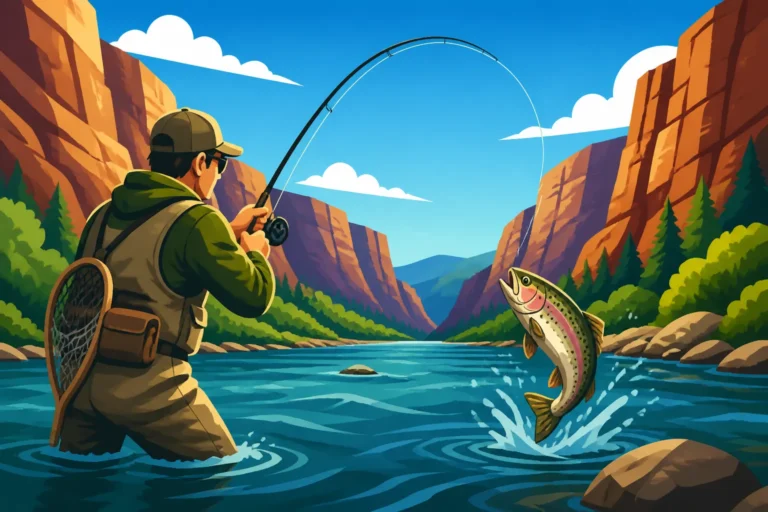
- Net and Proper Fish Handling: A large, rubberized net is essential for safely landing and releasing fish. Fall brown trout are beautiful, but they are also under stress from spawning. Minimize their time out of the water, handle them gently with wet hands, and ensure they are fully revived before release. Understanding how to Handle Trout for a Safe Release is crucial for conservation.
- Navigation Tools: While many sections of the Colorado River are accessible, some require a bit of planning. The Colorado Parks and Wildlife (CPW) Fishing Atlas is an invaluable resource for public access points and identifying regulations. If you're floating, knowing Where to Launch a Drift Boat on the Colorado River is vital.
- License and Regulations: Always carry your valid Colorado Fishing License. Not having one can lead to significant penalties, as outlined in "What Happens If You Fish in Colorado Without a License". Be familiar with the Colorado Fishing Season Dates and Bag Limits and consult the Colorado Fishing License Guide for Residents and Nonresidents to ensure you're compliant. Don't forget to review the specific regulations for the stretch of river you're fishing, which you can find in the Colorado Fishing Regulations Every Angler Should Know or by reading Colorado's Fishing Regulations Brochure. If you plan to use multiple rods, ensure you have the appropriate Second-Rod Stamp.
Top Stretches of the Colorado River for Fall Brown Trout
The Colorado River is a vast system, offering diverse angling opportunities. To maximize your chances of encountering those aggressive fall brown trout, it helps to focus on specific stretches known for their productive autumn fishing. Each section has its unique character and challenges.
Kremmling to State Bridge
This stretch of the Colorado River, flowing through Grand County, is renowned for its wild brown trout population and stunning scenery. As fall progresses, the river here typically sees clearer water and more stable flows after the summer recreational boating season winds down.
- Access Points and Characteristics: From Kremmling, accessible public put-ins and take-outs make this a popular float trip section. Places like the Parshall put-in, the Pumphouse Recreation Site, and the Radium Hot Springs area offer fantastic public access for both wade and float anglers. The river here is a mix of riffles, runs, and deeper pools, often with significant structure like large rocks and undercut banks that provide excellent holding lies for brown trout. The water is generally freestone in nature, meaning it relies on natural snowmelt and rainfall, so its levels are more susceptible to weather changes than tailwater sections.
- Targeting Fall Browns: This stretch is fantastic for streamer fishing in the fall. Focus on casting streamers into the slower seams behind large boulders, under cut banks, and at the tailouts of deeper pools. Olive, black, and white patterns in sizes #4-8 are often very effective. If the water is clear and fish are being selective, nymphing with BWO, midge, or stonefly patterns can also be highly productive, especially in the deeper runs. Look for sections where the river braids or creates islands, as these often create excellent holding water on either side of the main current. Early morning and late afternoon can be prime times, but don't discount midday on overcast days.
Glenwood Canyon and Downstream
Moving further downstream, the Colorado River carves through the dramatic Glenwood Canyon, offering another prime brown trout fishery. This section is influenced by several tributaries and can vary in character from the upper river.
- Different Features and Opportunities: Below the confluence with the Roaring Fork River, near Glenwood Springs, the Colorado River gains significant volume. The canyon itself features deep, powerful runs and impressive rock formations. Public access here is somewhat limited by the interstate highway (I-70) that runs through the canyon, but there are pull-offs and designated fishing areas. Downstream of Glenwood Springs, the river opens up more, with easier access and a mix of riffles, runs, and large pools. The influence of the Roaring Fork, a well-known Gold Medal Water, can also bring down additional food sources and larger trout. This section is generally more navigable by drift boat or raft, allowing access to water that's difficult to reach by wading.
- Autumn Strategies: In Glenwood Canyon, focus on fishing the edges of the heavy currents, targeting the slower seams and eddies. Streamers are again a top choice, especially larger patterns in articulated or multi-jointed designs that provide maximum movement in the faster water. Nymphing in the deep pockets and slower runs near the banks can also yield impressive results. As you move downstream from Glenwood Springs, look for classic trout water: riffle-run-pool sequences with good cover. The broader river allows for longer drifts and more exploratory fishing. It’s also worth considering a guided trip here, especially if you're unfamiliar with the area; outfitters in Glenwood Springs are experts at navigating the canyon and knowing where the big fish hide. If you're considering a guide, remember that Tipping a Colorado Fishing Guide, What's Standard, is a good practice.
Remote and Less-Pressured Sections
While the popular stretches are known for a reason, seeking out more remote or less-pressured sections of the Colorado River in the fall can lead to truly unforgettable experiences and potentially less-spooked, larger brown trout.
- The Reward for Seeking Solitude: These areas often require more effort to access, perhaps a longer hike, a 4×4 vehicle, or even an overnight float trip. However, the reward can be immense: pristine water, fewer anglers, and the chance to encounter truly wild, unpressured brown trout. These fish, not constantly seeing flies or lures, can be less wary and more aggressive when presented with a good offering. Imagine casting to a secluded run and having a massive brown trout smash your streamer without hesitation – that’s the magic of remote fishing. This is where you might find a real "trophy," as defined by Colorado's Trout Species, A Field Guide.
- Finding Hidden Gems: Look for sections of the river that are not immediately adjacent to major roads or popular trailheads. The Colorado Parks and Wildlife (CPW) Fishing Atlas is an excellent tool for identifying public lands and potential access points, though it won't tell you the difficulty of the hike. Tributary confluences in less-traveled areas can also be hot spots, as brown trout will stage near these to intercept food washing in or to stage for spawning runs up the smaller streams. Always practice Leave No Trace principles in these wilder areas to preserve their pristine nature for future generations. For multi-day trips, plan carefully and ensure you have all necessary supplies and emergency gear.
Disclaimer
The information provided in this guide is for general informational purposes only and is subject to change. Fishing regulations, conditions, and access can vary. Always consult the most current Colorado Parks and Wildlife (CPW) regulations and local conditions before heading out. Fishing involves inherent risks; always prioritize safety on the water.