How Grand Lake Connects to Shadow Mountain Reservoir
One of the most common questions I hear from folks planning a fishing trip to Grand County is about those two big bodies of water, Grand Lake and Shadow Mountain Reservoir. It can be a little confusing trying to figure out how they connect, whether you can boat between them, and what that means for your fishing plans. This guide is going to clear up all that mystery, diving deep into the fascinating link between these two iconic Colorado fishing destinations, ensuring you understand exactly how to navigate and fish these interconnected waters.
Understanding the Grand Lake and Shadow Mountain Reservoir Connection
If you've ever looked at a map of the area or driven through Grand Lake, you might notice that Shadow Mountain Reservoir seems almost like an extension of Grand Lake itself. And in a way, it is! But their connection is a blend of natural geology and some truly impressive human engineering that completely changed the landscape and the way water flows through the region. It's a testament to how Colorado manages its precious water resources.
The Natural Water Flow and Man-Made Modifications
Originally, Grand Lake, Colorado's largest and deepest natural lake, had a natural outlet that fed into the headwaters of the Colorado River. It was a pristine, high-alpine lake formed by glaciers, with crystal-clear waters. However, the needs of a growing state, particularly on the Front Range, led to one of the most ambitious water projects in the country: the Colorado-Big Thompson Project (C-BT). This massive undertaking, completed in the mid-20th century, diverts water from the Western Slope (where these lakes are) to the drier Eastern Slope.
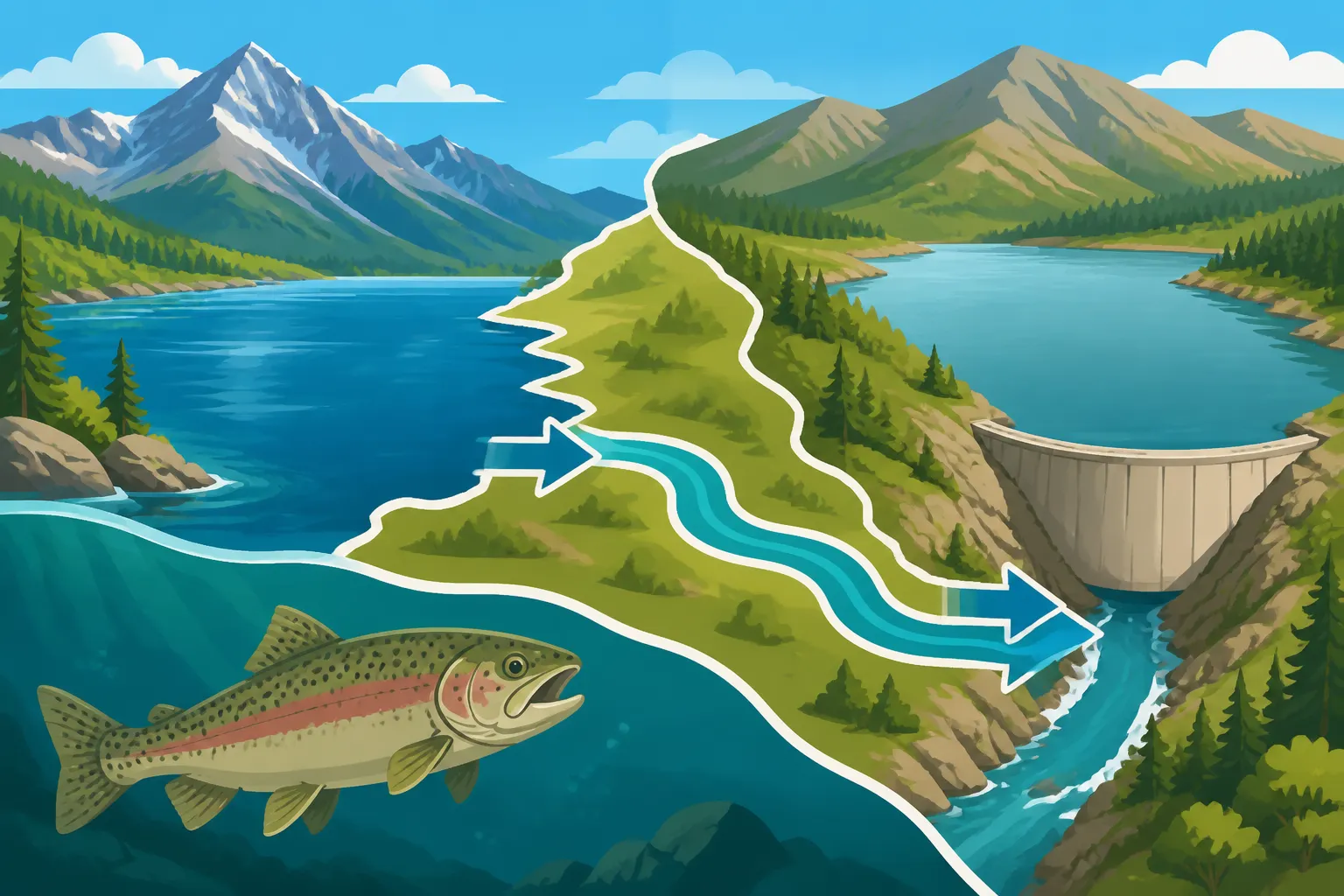
The C-BT Project fundamentally altered the natural flow. Shadow Mountain Reservoir was constructed specifically to serve as a forebay for the Alva B. Adams Tunnel, which is the primary conduit for moving water eastward under the Continental Divide. This meant that instead of Grand Lake's waters simply flowing out naturally to the Colorado River, its primary outflow was redirected into the newly constructed Shadow Mountain Reservoir. This wasn't just a simple dam; it was a complex system designed to manage water levels and flows for both power generation and agricultural/municipal use on the other side of the mountains. So, what you see today is a combination of Grand Lake's original basin, now heavily influenced by the reservoir downstream.
The Importance of the Channel and Canal System
The most visible connection between Grand Lake and Shadow Mountain Reservoir is the man-made channel that links them directly. This isn't just a small stream; it's a navigable waterway, albeit with specific rules and considerations. This channel is crucial for understanding how the two bodies of water function as a single, large aquatic ecosystem for fishing purposes, and it's also a popular spot for boaters and kayakers to traverse.
This system also includes pumping stations and spillways that allow for precise control over water levels. During periods of high water or when demand for water on the Front Range is high, water can be moved efficiently from Grand Lake into Shadow Mountain Reservoir and then into the Alva B. Adams Tunnel. Conversely, at times, water can be released from Shadow Mountain back into the lower reaches of the Colorado River to maintain downstream flows. This constant, controlled movement of water means that the environmental conditions, and consequently the fishing, in both lakes can be influenced by operations linked to the C-BT project. Anglers need to be aware that water levels can fluctuate, sometimes significantly, impacting access points and fish behavior.
Navigating the Connected Waters for Anglers
For those of us who love to fish, the connected nature of Grand Lake and Shadow Mountain Reservoir presents both unique opportunities and a few specific challenges. It essentially transforms two distinct bodies of water into a larger, more complex system to explore, full of different habitats and fish species. Understanding how to move between them and what each offers is key to a successful outing.
Boating Through the Channel
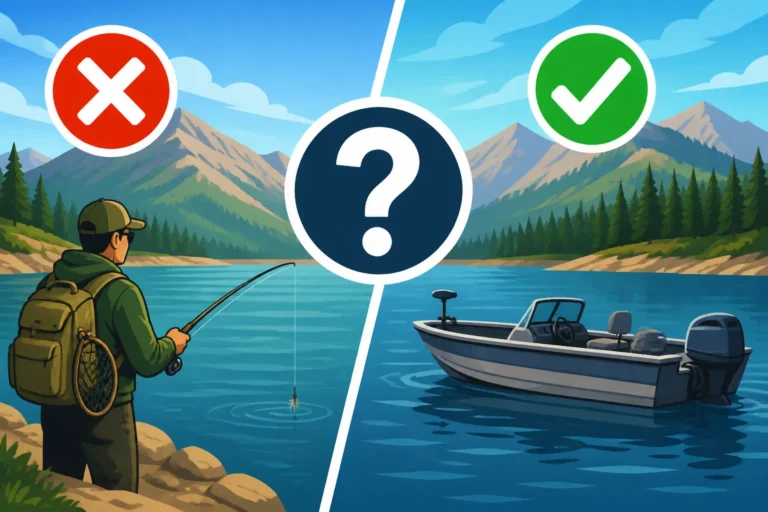
One of the most exciting aspects of the connection is the ability to navigate between Grand Lake and Shadow Mountain Reservoir by boat. You can literally launch your boat on one lake and motor over to the other, expanding your fishing grounds significantly. However, it's not simply an open highway; there are regulations to follow to ensure safety and preserve the delicate environment.
The channel itself is generally well-marked, but it's important to be aware of depth changes, especially during periods of lower water. Colorado Parks and Wildlife (CPW) imposes strict no-wake zones within the channel to prevent erosion and protect wildlife, so you'll need to slow down considerably when passing through. This also makes for a much more pleasant and serene journey. While traversing the channel, you might even spot some fish moving between the lakes, offering a glimpse into the dynamic ecosystem. Many anglers find themselves spending time fishing the channel edges themselves, as fish often congregate in these transition areas. Before you head out, checking the current regulations from CPW is always a smart move.
Fishing Opportunities in Each Lake and the Connecting Water
The beauty of this connection for anglers is the diversity it offers. Grand Lake, being deeper and naturally fed, often holds larger, colder-water species. Shadow Mountain, while still cold, is generally shallower and can warm up a bit more, sometimes hosting different populations.
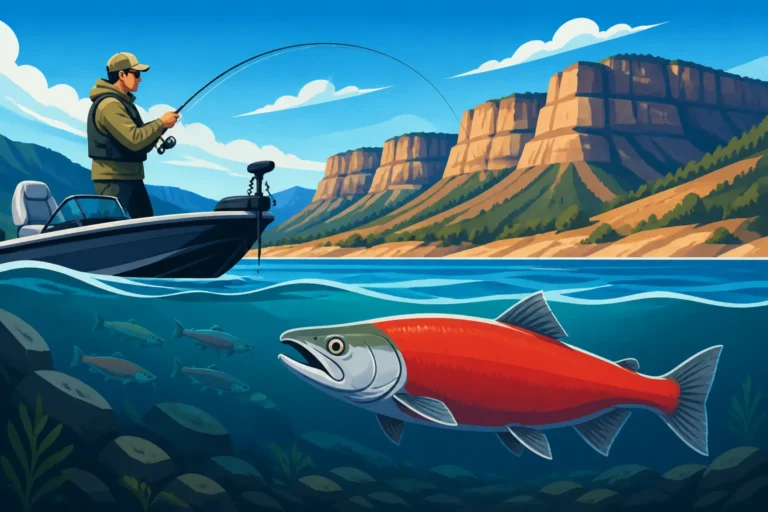
Grand Lake is renowned for its lake trout (mackinaw), some of which grow to impressive sizes, offering a real challenge for trophy hunters. It also has populations of rainbow trout, brown trout, and a healthy kokanee salmon fishery, especially during their spectacular fall spawning runs. When you're fishing Grand Lake and Shadow Mountain Reservoir, you're tapping into a system that boasts a wide array of species. Many anglers employ trolling techniques for Colorado reservoirs in Grand Lake, targeting those deeper dwelling lake trout and kokanee.
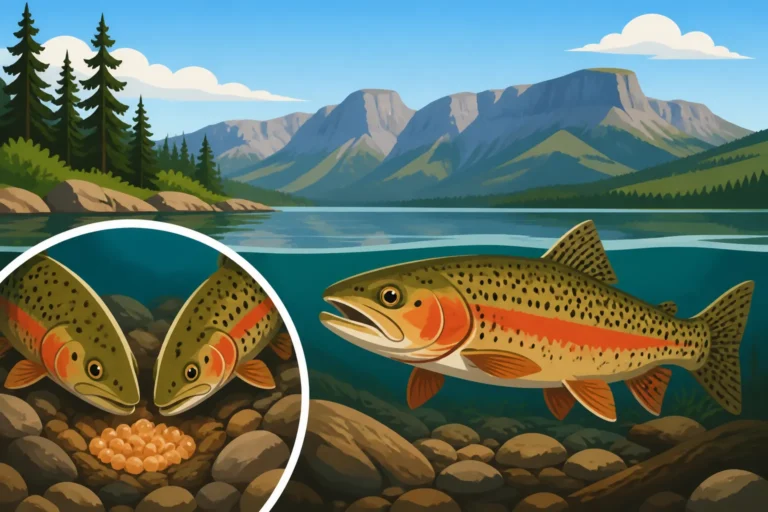
Shadow Mountain Reservoir, while connected, offers a slightly different angling experience. It's also home to lake trout, though perhaps not quite as massive as Grand Lake's giants, and a strong population of rainbow trout and brown trout. Crucially, it's also a major hub for kokanee salmon, particularly as they stage before their spawning migrations into the rivers that feed the reservoir. The shallower nature in some areas can also mean more opportunities for spin fishing or even fly fishing along the banks when conditions are right. For current conditions and advice, many local guides, which you can find on platforms like FishingBooker, specialize in both lakes and can provide up-to-the-minute insights.
The connecting channel itself shouldn't be overlooked. Fish move back and forth, especially during feeding periods or in response to water flow. Targeting the eddies, drop-offs, and structure within the channel can be highly productive for trout and kokanee that are either migrating or simply opportunistic feeders. Think of it as a prime ambush point for hungry fish.
| Feature | Grand Lake | Shadow Mountain Reservoir |
|---|---|---|
| Origin | Natural, glacial-formed | Man-made (Colorado-Big Thompson Project) |
| Depth | Colorado's deepest natural lake (over 260 feet) | Shallower (average 30-40 feet, maximum ~100 feet) |
| Primary Species | Lake Trout (Mackinaw), Rainbow Trout, Brown Trout, Kokanee Salmon | Rainbow Trout, Brown Trout, Kokanee Salmon, Lake Trout |
| Water Clarity | Often very clear | Can be slightly less clear due to inflows and project operations |
| Boating Access | Multiple public ramps, marina services | Multiple public ramps, marina services |
| Connecting Channel | Direct, navigable channel with no-wake zones | Direct, navigable channel with no-wake zones |
| CPW Management | Both are part of the larger Colorado-Big Thompson Project water system and managed by CPW for recreation and water storage. |
Rules and Regulations for Fishing and Boating
Colorado Parks and Wildlife (CPW) plays a crucial role in managing these interconnected waters, ensuring the health of the fish populations and the safety of all recreational users. When you're out on Grand Lake or Shadow Mountain Reservoir, it's not just about knowing where the fish are biting; it's also about understanding and adhering to the specific rules that keep these precious resources thriving. Fishing without a proper license or ignoring boating safety can lead to fines and a less enjoyable experience.
Colorado Parks and Wildlife Regulations
First and foremost, anyone aged 16 or older needs a valid Colorado fishing license. This isn't just a recommendation; it's a legal requirement that supports the conservation efforts of CPW. You can easily purchase one online, by phone, or at various retailers. Understanding the nuances of a Colorado Fishing License Guide for Residents and Nonresidents is a must before your trip. Beyond the license, there are specific regulations that apply to these lakes, often related to species limits, length restrictions, and bait use.
For instance, both lakes are known for their kokanee salmon, and there are specific Colorado Bag and Possession Limits by Species that anglers must adhere to, especially during the fall spawning runs. CPW actively manages the kokanee populations through stocking and monitoring, so these limits are critical for sustained health. Similarly, there might be length restrictions for certain trout species. Always consult the most current Colorado Fishing Regulations Every Angler Should Know, typically found in the annual brochure provided by CPW or on their website. It's important to remember that regulations can change, so checking annually is a good habit. You can even use tools like Colorado's Fishing Atlas to scout locations and review specific regulations for Grand Lake and Shadow Mountain.
Another key consideration is the potential for invasive species. Both Grand Lake and Shadow Mountain Reservoir are subject to aquatic nuisance species (ANS) inspections due to their connection to the wider C-BT project. All boats, including kayaks and paddleboards, must be inspected before launching to prevent the spread of threats like zebra mussels or quagga mussels. This typically involves a quick check and sometimes a decontamination process, but it's a non-negotiable step to protect Colorado's waters.
Boating Safety and Navigation
Boating on Grand Lake and Shadow Mountain Reservoir offers incredible experiences, but safety should always be your top priority. The combined surface area means you're dealing with a large expanse of water, and conditions can change rapidly in the mountains.
As mentioned earlier, the channel connecting the two lakes is a strict no-wake zone. This means you must operate your boat at the slowest possible speed necessary to maintain steerage, creating no discernible wake. This protects both the shoreline and other users, including smaller craft like kayaks or stand-up paddleboards. Outside of the channel, both lakes have their own speed limits and regulations, and it's essential to be familiar with them. On Grand Lake, for instance, there's a 40 mph speed limit during daylight hours and a 20 mph limit from dusk to dawn.
Always carry the required safety equipment on your boat, including life jackets for everyone on board, a fire extinguisher, signaling devices, and navigation lights if you'll be out after dark. Weather in the high country can be unpredictable, with afternoon thunderstorms capable of whipping up significant waves in a short amount of time. Keeping an eye on the forecast and being prepared to head back to shore if conditions deteriorate is crucial. For guided experiences, many excellent local guides found on platforms like FishingBooker are well-versed in these rules and can offer a safe, educational trip. Even if you're an experienced boater, a guided trip can reveal nuances of the water you might otherwise miss.
Ultimately, both Grand Lake and Shadow Mountain Reservoir offer incredible fishing and boating opportunities, made even better by their unique connection. Understanding the history, the regulations, and the best ways to navigate these waters will ensure your trips are not only successful but also responsible and safe.
Disclaimer
Please note that fishing regulations and conditions can change rapidly. Always consult the official Colorado Parks and Wildlife (CPW) website or their most current printed regulations brochure before heading out on any fishing trip. This guide is for informational purposes only and does not supersede official state regulations.