Fishing John Martin Reservoir on the Eastern Plains
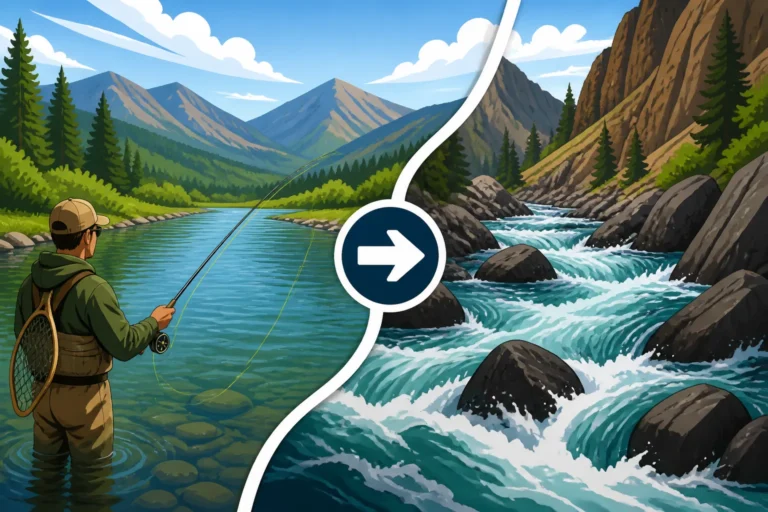
Many anglers, understandably, gravitate toward Colorado's majestic mountain lakes and pristine trout streams, often overlooking the hidden gems nestled on the Eastern Plains. This often means missing out on incredible warmwater fishing opportunities, and John Martin Reservoir is a prime example of such a spot. This comprehensive guide is designed to shed light on how to successfully fish John Martin Reservoir, detailing what species you'll find, the best times to visit, effective techniques, and crucial planning tips to ensure a memorable outing.
John Martin Reservoir's Unique Eastern Plains Charm
John Martin Reservoir offers a distinctly different angling experience than the high-country fisheries. Situated amidst the vast, rolling plains of southeastern Colorado, it presents a unique blend of solitude and fantastic fishing. Its expansive waters and surrounding wildlife management area create an environment rich in recreational possibilities, far from the bustling crowds of the Rockies.
A Vast Oasis in the Plains
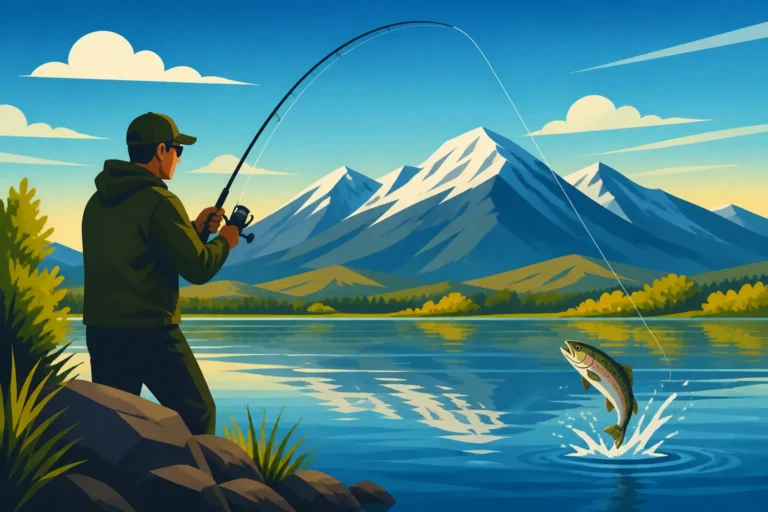
John Martin Reservoir is a massive body of water, covering over 2,500 surface acres at full capacity, though its size can fluctuate with irrigation demands. Located near Hasty, Colorado, it's easily accessible and serves as a vital resource for both agriculture and recreation in the region. Unlike the clear, cold waters of the mountains, John Martin is a classic warmwater reservoir, characterized by its often turbid waters and extensive shallow flats that transition into deeper channels. The prairie environment means wind can be a significant factor, often requiring anglers to adapt their strategies. This unique setting makes it a fantastic destination for those looking to broaden their Colorado fishing horizons beyond trout.
The sheer scale of John Martin means there's always a new cove or submerged structure to explore. During periods of lower water, the exposed shorelines reveal fascinating contours and old riverbeds that become prime fish habitat when the water levels return. Understanding these fluctuating conditions is key to consistent success. Anglers often find success by focusing on the numerous points, coves, and submerged humps, which act as natural congregating areas for baitfish and, consequently, the larger predatory species. The reservoir is managed by Colorado Parks and Wildlife (CPW) and the U.S. Army Corps of Engineers, ensuring a balance between its ecological health and recreational use.
Recreational Opportunities Beyond Fishing
While fishing is undoubtedly a major draw, John Martin Reservoir State Park and the adjacent John Martin Reservoir State Wildlife Area offer a wealth of other activities that can complement your angling trip. Birdwatching is a major pastime here, especially during migration seasons, with hundreds of species passing through, including raptors and various waterfowl. The extensive shoreline and open spaces provide ample opportunities for hiking, wildlife photography, and simply enjoying the tranquility of the plains.
Camping is also extremely popular, with several campgrounds offering a range of amenities from primitive sites to those with electrical hookups. This allows anglers to truly immerse themselves in the experience, being just steps away from their favorite fishing spots from dawn till dusk. Boating, water skiing, and paddleboarding are common on the open waters, providing a refreshing break from fishing or an alternative way to enjoy the reservoir. Families often find John Martin to be an ideal destination because of this diversity of activities, ensuring everyone in the group has something to enjoy while the dedicated anglers pursue their quarry. You might even consider booking a trip through a service like FishingBooker to explore the area with an experienced local.
Prime Catches at John Martin Reservoir
John Martin Reservoir is renowned for its diverse warmwater fishery, offering anglers a chance to tangle with several hard-fighting and delicious species. Unlike the trout-dominant waters of the mountains, here you'll be targeting fish that thrive in warmer temperatures and often put up a formidable fight.
Walleye, the Coveted Predator
Walleye are undoubtedly one of the most sought-after species at John Martin, drawing dedicated anglers from across the state. Known for their elusive nature and delectable taste, walleye in John Martin can grow to impressive sizes, with fish in the 20-inch range being common and larger trophies always a possibility. These predatory fish prefer low light conditions, making dawn, dusk, and even night fishing particularly productive.
They tend to patrol deeper humps, submerged channels, and rocky points, ambushing baitfish like shad and sunfish. Anglers often employ various techniques to target walleye, including trolling with crankbaits, jigging with soft plastics or live minnows, and drifting with bottom bouncers and worm harnesses. Understanding their seasonal movements – from shallower spawning grounds in spring to deeper, cooler water in summer – is crucial for consistent success. If you're new to walleye fishing, studying their habits can dramatically increase your catch rates, and a quick search on FishingBooker might even lead you to a specialized walleye guide in the region.
Channel Catfish and Wipers Galore
Beyond walleye, John Martin boasts an exceptional population of channel catfish and a thrilling fishery for wipers, a hybrid striped bass.
Channel catfish are abundant and often reach substantial sizes, providing excellent action, especially during the warmer months. These opportunistic feeders can be found throughout the reservoir, favoring deeper holes, submerged timber, and areas with muddy bottoms. Catfishing here is relatively straightforward, making it a fantastic option for families and beginner anglers. Common baits include cut bait (especially shad), chicken livers, worms, and various stink baits. Night fishing for catfish can be incredibly productive, as these nocturnal bottom-dwellers become more active after sunset. The fight of a large channel cat is legendary, often involving powerful runs and deep dives, testing an angler's tackle and resolve.
Wipers, a hybrid cross between striped bass and white bass, are another exciting species to target. These hard-fighting fish are known for their aggressive strikes and incredible strength, often compared to saltwater game fish. Wipers are typically found in open water, chasing schools of baitfish, and can be identified by their tendency to "boil" on the surface during feeding frenzies. Trolling with large crankbaits or casting spoons, swimbaits, and topwater lures into these feeding schools are effective tactics. Their powerful runs and relentless tugs make them a favorite among sport anglers. John Martin's expansive open water provides the ideal habitat for wipers to grow large and provide an exhilarating challenge. Knowing the Colorado Bag and Possession Limits by Species is vital here, as wipers often have specific regulations.
Largemouth Bass, Crappie, and Perch Action
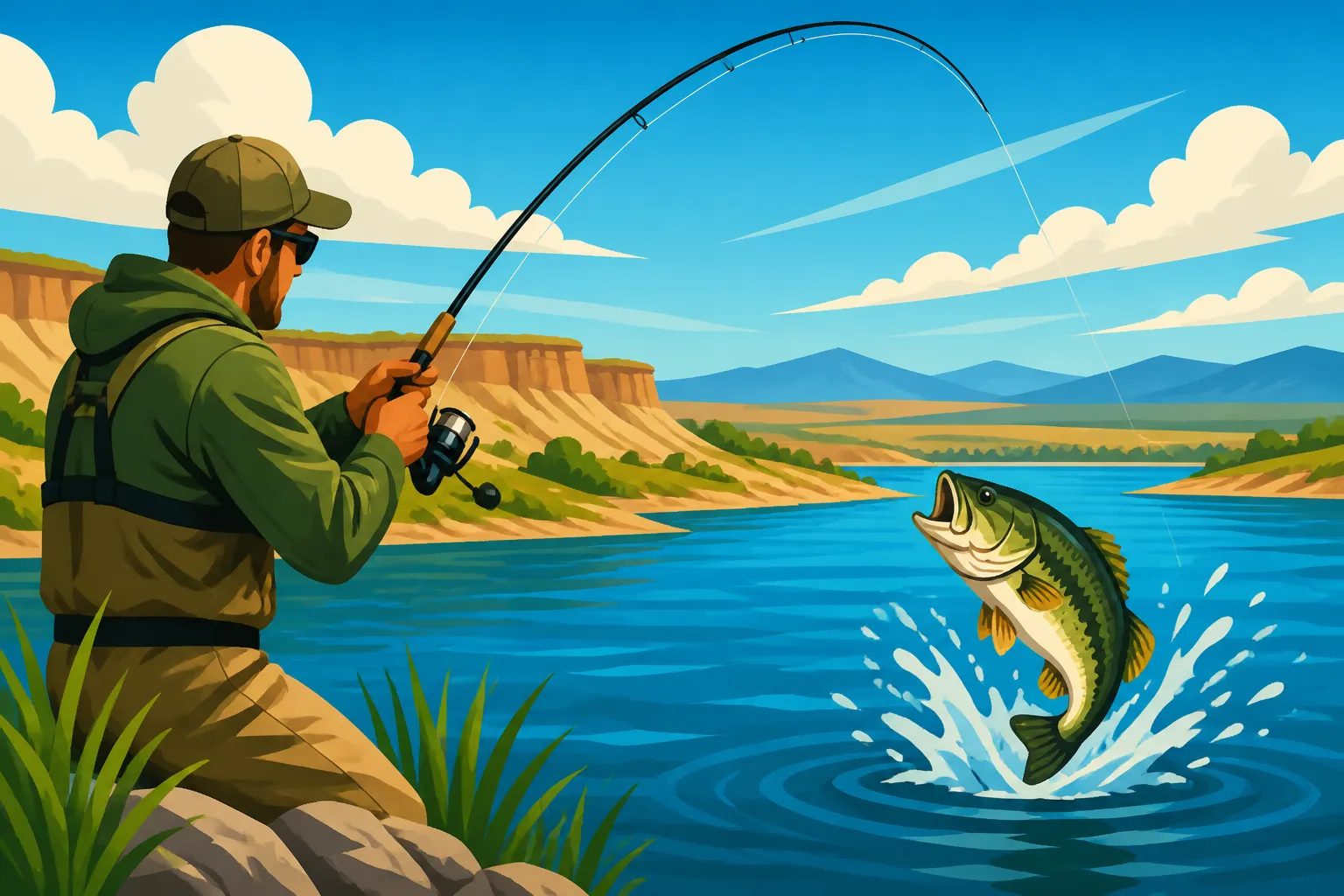
For those who enjoy targeting a variety of panfish and bass, John Martin Reservoir won't disappoint. Largemouth bass, while not as numerous as some other species, can be found in the shallower, vegetated coves and around submerged structures. They offer a classic bass fishing experience, hitting a variety of soft plastics, spinnerbaits, and topwater lures. Targeting them during early morning or late evening in areas with cover like brush piles or weed beds often yields the best results.
Crappie, both white and black, are another popular panfish here. They congregate in schools around submerged timber, brush piles, and bridge pilings, especially during their spring spawning season. Light tackle, small jigs, and live minnows are deadly effective for crappie, providing fast action and delicious fillets. Similarly, yellow perch are prevalent, offering consistent bites and another excellent table fare. Perch are often found in schools over sandy or rocky bottoms, and they readily take small jigs, worms, and minnows. These species are fantastic for introducing new anglers, especially kids, to the joys of fishing, as the action can be steady and rewarding. Remember, even for these smaller species, checking the Colorado Fishing Regulations Every Angler Should Know is a good habit.
Strategies for Success at John Martin
Successfully fishing John Martin Reservoir requires understanding the seasonal patterns of its fish and adapting your techniques accordingly. The conditions on the Eastern Plains can be quite different from other parts of Colorado, so being prepared for wind and varying water levels is always a good idea.
Seasonal Fishing Outlook
Fishing at John Martin Reservoir is a year-round endeavor, with each season offering unique opportunities and challenges.
Spring (March – May): This is often considered prime time, especially for walleye and crappie. As water temperatures rise into the 40s and 50s Fahrenheit, walleye move into shallower, rocky areas to spawn. Anglers can find them by casting jigs tipped with minnows or plastics, or by slowly trolling crankbaits along points and submerged humps. Crappie also become very active, congregating in large schools around brush piles and flooded timber in preparation for their spawn. This is a fantastic time for light tackle and jigging. The warming temperatures also kick off the activity for bass and catfish. However, spring can also bring unpredictable weather, including strong winds and sudden cold fronts.
Summer (June – August): During the hot summer months, many fish move to deeper, cooler waters during the day, becoming most active during low light periods. Walleye will often be found suspended over deep water or holding on the deep sides of submerged structures. Trolling with downriggers or lead core lines, or vertical jigging, can be effective. Catfish remain highly active, with night fishing being particularly productive. Wipers will frequently chase baitfish schools in open water, often creating visible surface boils in the early morning or late evening. Largemouth bass will be in thicker cover in shallower areas. Staying hydrated and being prepared for intense sun is crucial.
Fall (September – November): As temperatures begin to cool, fall offers another fantastic fishing window. Many species go on a feeding frenzy, bulking up for winter. Walleye become more aggressive and can be found transitioning between depths, often relating to baitfish concentrations. Trolling and casting crankbaits or lipless crankbaits can be very effective. Catfish are still active, and wipers will continue to hunt baitfish. The cooler temperatures make for more comfortable fishing during the day, and the crowds tend to thin out compared to summer. This is often the time for big fish.
Winter (December – February): John Martin Reservoir does freeze over in most years, offering excellent ice fishing opportunities. Walleye, crappie, and perch are common targets through the ice. Small jigs tipped with minnows or plastics are effective for all three. Lake trout are not present in John Martin, as it's a warmwater fishery, so don't expect to jig for them here. Always exercise extreme caution on the ice, checking thickness regularly. While ice fishing, it's a good idea to refresh your knowledge on Colorado Ice Fishing Rules.
Essential Baits and Lures
Choosing the right bait and lure can make all the difference in your success at John Martin. The diverse species call for a varied tackle box.
For walleye, a staple is a jig head (1/8 to 1/2 oz depending on depth and wind) tipped with a live minnow, a Gulp! minnow imitation, or a soft plastic grub. Crankbaits, especially those designed to dive to specific depths, are also crucial for trolling. Popular brands like Rapala, Berkley, and Bomber are often effective. Bottom bouncers paired with worm harnesses (nightcrawlers) are another highly successful method for walleye, especially when drifting.
Channel catfish are less picky. Cut bait, particularly from shad found in the reservoir, is incredibly effective. Chicken livers, large worms (nightcrawlers), and commercial stink baits also work exceptionally well. Many anglers swear by homemade concoctions for maximum odor and attraction. Fishing these baits on the bottom with a slip-sinker rig is the standard approach.
For wipers, aggressive baits are the name of the game. Large spoons (such as Kastmasters or Little Cleos), swimbaits, lipless crankbaits, and topwater lures (like poppers or walk-the-dog style baits) are excellent choices when these fish are actively feeding. Trolling larger crankbaits is also very productive when wipers are scattered.
Largemouth bass respond well to traditional bass baits: plastic worms, creature baits, spinnerbaits, buzzbaits, and crankbaits. Focus on pitching and flipping into heavy cover. For crappie and yellow perch, small jigs (1/32 to 1/16 oz) tipped with a small plastic grub, tube, or live minnow are irresistible. Small Beetle Spins or similar inline spinners also work wonders.
Navigating the Water: Boat vs. Shore Fishing
John Martin Reservoir offers excellent opportunities for both boat and shore anglers, each with its own advantages.
Boat Fishing: A boat, whether a powerful bass boat, a versatile multi-species rig, or even a kayak or float tube, provides the ultimate freedom to explore John Martin's vast waters. With a boat, you can reach distant points, follow baitfish schools in open water, and precisely target submerged structures that are inaccessible from shore. There are multiple boat ramps available within John Martin Reservoir State Park, making launching relatively easy. Utilizing a fish finder can be a game-changer for locating schooling fish, identifying drop-offs, and understanding bottom contours. Trolling is often best accomplished from a boat, covering large areas to find active fish. Just remember that the Eastern Plains wind can create significant chop, so choosing a boat capable of handling rough water is important.
Shore Fishing: Despite its size, John Martin also offers plenty of bank access, making it a great option for anglers without a boat. Many productive areas are reachable from the shoreline, particularly around the campgrounds and designated fishing areas. The dam face, various points, and the mouths of feeder creeks can be excellent spots. For shore anglers, focusing on casting long distances with heavier baits or rigs can help cover more water. Catfishing is particularly popular from the bank, as these fish often cruise close to shore in low light conditions. While a boat offers more mobility, a well-chosen shore spot, especially one with access to a drop-off or submerged cover, can yield fantastic results. Always be mindful of other recreational users and wildlife.
Planning Your John Martin Fishing Adventure
A successful fishing trip to John Martin Reservoir isn't just about what bait you use or when you go; it also involves understanding the local regulations, knowing how to access the area, and utilizing available resources.
Licenses and Regulations You Need to Know
Before you even cast a line, ensure you have all the necessary permits. Anyone 16 years of age or older needs a valid Colorado fishing license. This applies whether you're a resident or a non-resident. You can purchase your license online through the Colorado Parks and Wildlife (CPW) website, by phone, or in person at authorized sales agents like sporting goods stores and some Walmart locations. For a detailed breakdown, check out the Colorado Fishing License Guide for Residents and Nonresidents.
In addition to your fishing license, most anglers between the ages of 18 and 64 must also purchase a Habitat Stamp. This stamp contributes directly to the conservation and management of Colorado's wildlife and habitats, which ultimately benefits the fisheries you enjoy. Veterans and seniors often have specific exemptions or discounted options; for specifics, you can look into Colorado Fishing Licenses for Seniors and Veterans.
Beyond licensing, it's critical to familiarize yourself with the specific fishing regulations for John Martin Reservoir. While general state regulations apply, certain waters may have unique rules regarding bag and possession limits, length restrictions, or bait restrictions. Always consult the current Colorado Parks and Wildlife Fishing Brochure, either online or a physical copy, before you go. This brochure will detail species-specific limits for walleye, catfish, wipers, and other species found in John Martin. Staying informed about Colorado Fishing Regulations Every Angler Should Know will prevent any unintentional violations and ensure a responsible angling experience.
Access and Amenities
John Martin Reservoir is part of John Martin Reservoir State Park, which means there are day-use fees or a valid Colorado State Parks Pass required for entry. The park offers multiple access points, boat ramps, and facilities to enhance your visit.
The park features several campgrounds, ranging from basic tent sites to those with electrical hookups, allowing for multi-day fishing excursions. These campgrounds often provide convenient access to shore fishing spots. The main boat ramps are well-maintained, accommodating various boat sizes, though wind conditions can make launching and retrieving challenging at times. Facilities like restrooms, picnic areas, and potable water are usually available, especially in the developed campground areas.
For those who prefer a bit more guidance, especially when visiting a new body of water, local guides can be invaluable. You might even find local outfitters listed on platforms like FishingBooker, offering guided trips tailored to species like walleye or wipers at John Martin. These guides often provide all the necessary gear and possess intimate knowledge of the reservoir's hot spots and seasonal patterns.
Local Expertise and Resources
Leveraging local expertise and available resources can significantly improve your fishing success at John Martin. Start by checking the Colorado Parks and Wildlife website for recent stocking reports and fishing condition updates. Local bait and tackle shops in nearby towns like Las Animas or Hasty are also fantastic resources. They often have the most up-to-date information on what's biting, what baits are working, and current water levels and clarity. The staff at these shops can offer invaluable tips based on real-time conditions, which can change rapidly on the plains.
Don't hesitate to chat with park rangers or other anglers you encounter; many are happy to share their knowledge. Observing other successful anglers can also give you clues about effective techniques or productive areas. Remember that conditions, particularly water levels and clarity, can fluctuate at John Martin, so staying informed is key. Online fishing forums dedicated to Colorado fishing can also provide a wealth of information and recent reports from fellow anglers. By combining your preparation with local insights, you're set for a rewarding fishing adventure at John Martin Reservoir.
| Species | Best Season | Recommended Bait/Lures | Typical Location | Notes |
|---|---|---|---|---|
| Walleye | Spring, Fall | Jigs w/minnows/plastics, crankbaits, worm harnesses | Rocky points, submerged humps, deep channels | Low light conditions best, excellent table fare |
| Channel Catfish | Summer, Fall | Cut bait (shad), chicken livers, nightcrawlers, stink baits | Deeper holes, submerged timber, muddy bottoms | Great for night fishing, strong fighters |
| Wiper | Summer, Fall | Spoons, swimbaits, lipless crankbaits, topwater lures | Open water, baitfish schools | Aggressive strikes, powerful runs |
| Largemouth Bass | Spring, Summer | Plastic worms, spinnerbaits, buzzbaits | Shallow coves, vegetated areas, brush piles | Target early morning/late evening |
| Crappie | Spring, Fall | Small jigs w/grubs/minnows, small inline spinners | Submerged timber, brush piles | Schooling fish, excellent for beginners |
| Yellow Perch | All Year | Small jigs, worms, minnows | Sandy/rocky bottoms | Consistent bites, good eating |
Disclaimer
The information provided in this guide is for general informational purposes only. Fishing conditions, regulations, and access can change. Always consult the most current Colorado Parks and Wildlife regulations and local authorities before planning any fishing trip to John Martin Reservoir. Personal safety should always be your top priority.