Best Flies for Colorado’s Gold Medal Trout Water
There’s a unique sting to standing in a pristine Colorado river, the sun glinting off the water, knowing that trophy trout are lurking in the depths, but feeling utterly helpless because nothing you tie on seems to entice a bite. It’s a frustration many anglers face, especially in our famed Gold Medal Waters where the fish are legendary for their size and even more so for their pickiness. This comprehensive guide is here to demystify fly selection, giving you the tactical knowledge and confidence to choose the right fly for Colorado's most demanding trout.
Unpacking Colorado's Gold Medal Waters
Colorado's Gold Medal Waters aren't just a fancy designation; they represent the pinnacle of trout fishing opportunities in the state. These stretches of river and specific lakes are managed by Colorado Parks and Wildlife (CPW) to support populations of large trout, typically defined by a minimum of 60 pounds of trout per acre and at least 12 trout over 14 inches per acre. This isn't just about numbers, though; it's about the consistent presence of wild, robust, and often highly selective fish.
What Defines Gold Medal Water
When you hear "Gold Medal Water," think of an aquatic paradise where trout thrive. These areas are characterized by stable water temperatures, abundant aquatic insect life, and regulations designed to protect and enhance the fishery. The consistent food source means trout grow large and healthy, but it also means they become incredibly discerning about what they eat. They see hundreds, if not thousands, of flies drifting by every day, quickly learning what’s natural and what’s not. This is why just any old fly won't cut it. You need to understand the environment, the local insect populations, and the fish's feeding behavior. For more on these special areas, you can learn all about Colorado's Gold Medal Water Regulations Explained.
These stretches often include tailwaters—rivers flowing out of bottom-release dams—which provide consistent cold water year-round, making them prime habitat. Rivers like the Fryingpan, the South Platte through Cheesman Canyon and the Dream Stream, and sections of the Roaring Fork and Arkansas Rivers are renowned examples. These aren't just pretty places; they are complex ecosystems demanding a thoughtful approach from anglers. The clarity of the water, especially during non-runoff periods, also plays a huge role. Trout have excellent eyesight, and in crystal-clear conditions, they can easily spot an unnatural drift or an incorrect pattern.
Why Fly Selection is Different Here
Fishing Gold Medal Waters is often described as "graduate-level" fly fishing, and fly selection is a huge part of that. These trout aren't like the newly stocked fish in your local pond; they're educated. They've seen it all, from poorly presented attractor patterns to perfectly drifted emergers. This means you need to be precise. It’s not just about matching the general insect type but often the exact size, color, and even the stage of the insect’s life cycle. A #20 BWO nymph might get ignored, while a #22 BWO emerger fished in the film gets crushed.
The sheer volume and diversity of insect life in these rich waters mean trout have a smorgasbord to choose from. They often key in on one specific food source, completely ignoring others. This phenomenon, known as "matching the hatch," is paramount. If a particular mayfly is hatching, fish might ignore even the most delicious-looking caddis. Furthermore, many Gold Medal stretches have specific regulations, such as catch-and-release only or barbless hook requirements, which further indicate the delicate nature of these fisheries and the need for careful technique and fly choice. Understanding these nuances makes all the difference between a frustrating day and an unforgettable one.
The Year-Round Nymphing Advantage
If there's one technique that consistently produces fish in Colorado's Gold Medal Waters, it's nymphing. Trout spend the vast majority of their lives feeding subsurface, picking off nymphs, larvae, and pupae drifting along the bottom or suspended in the water column. This isn't glamorous dry fly fishing, but it's incredibly effective, especially when no visible hatch is occurring. Learning to nymph effectively is the cornerstone of success in these productive but challenging waters.
Essential Nymph Patterns for Colorado
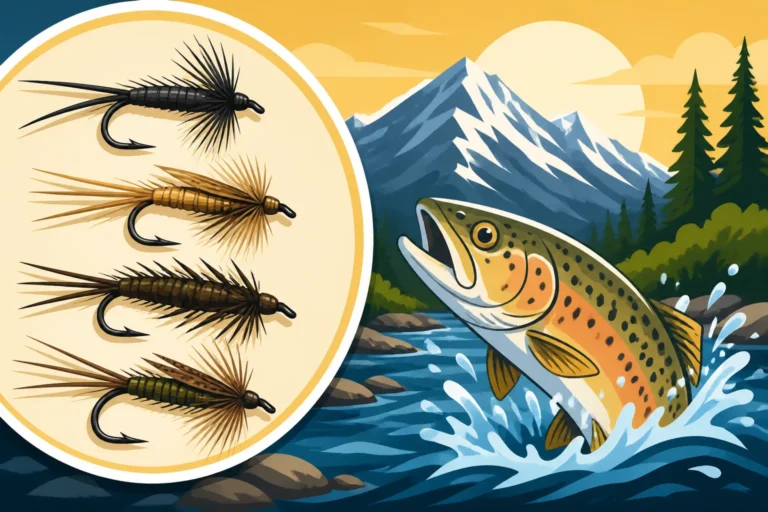
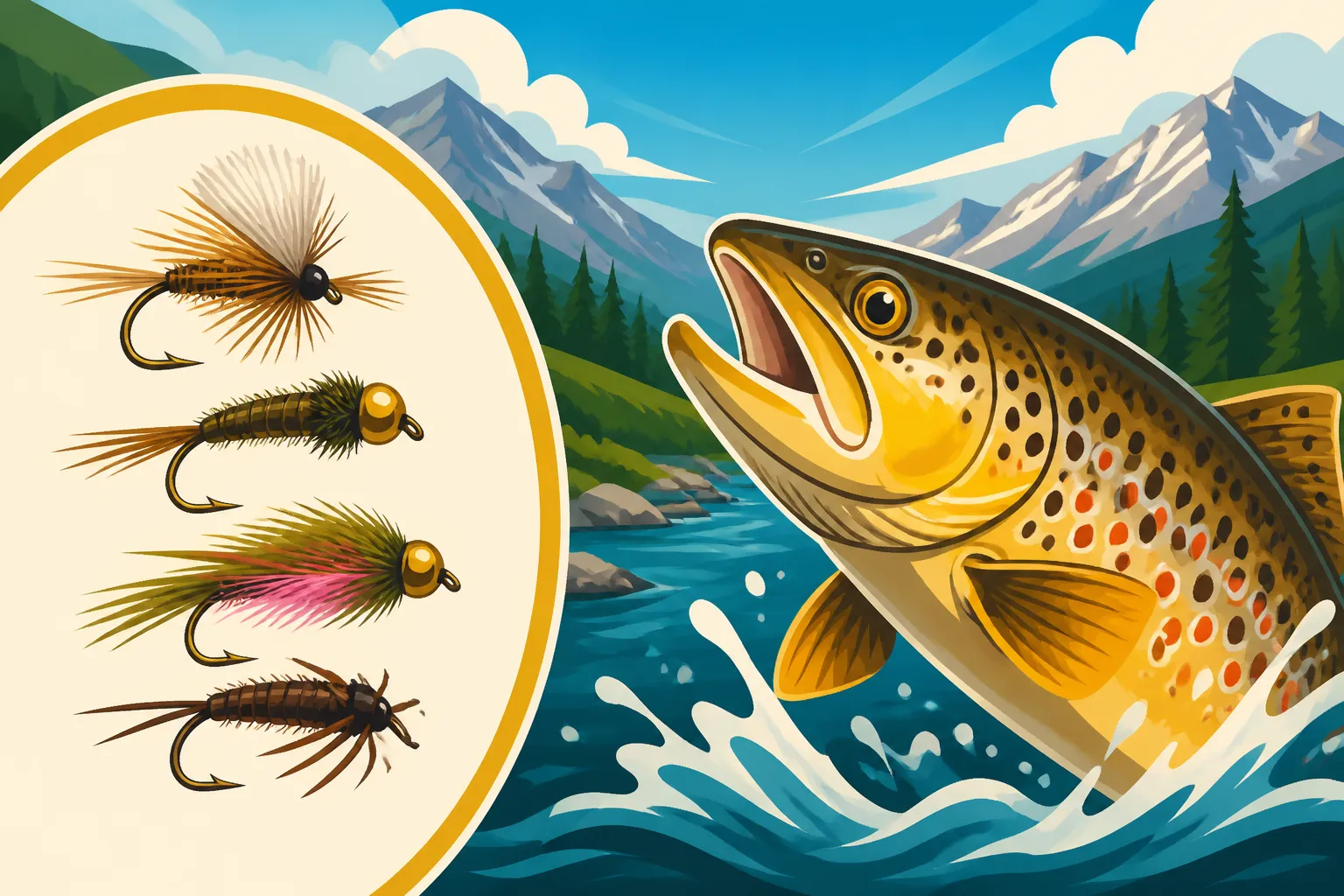
When building your nymph box for Colorado, think about the most common aquatic insects: Mayflies, Caddis, and Stoneflies. These three families form the backbone of a trout's diet. For Mayflies, you absolutely need patterns that imitate Blue-Winged Olives (BWOs) and Pale Morning Duns (PMDs). Favorites include the Barr's Emerger, Pheasant Tail Nymph, and Flashback Pheasant Tail in sizes #18-22 for BWOs, and #16-20 for PMDs. For larger mayflies like Green Drakes, patterns like the Tungsten Duracell or a larger Pheasant Tail in sizes #12-16 are crucial. Remember, the smaller the fly, the more natural it tends to look to wary trout.
Caddis nymphs are another must-have. Patterns like the LaFontaine's Sparkle Pupa, Hare's Ear Nymph, and Peeking Caddis in olive, tan, and brown are extremely effective, typically in sizes #14-18. Stoneflies, while less common than mayflies and caddis, are a huge meal for trout when they are present. Larger patterns like the Pat's Rubber Leg, 20 Incher Stone, and Prince Nymph in sizes #8-14 are key, especially in faster, rockier sections of rivers. Don't forget midge patterns, particularly in winter and on tailwaters. Ultra-small Zebra Midges, Black Beauties, and Miracle Nymphs in sizes #20-26 are absolute necessities when the water is cold and clear. You can find a fantastic array of these specific patterns from various fly vendors available on Amazon, making it easy to stock your box.
Rigging for Success: Indicators, Weight, and Tippet
Proper nymphing technique goes hand-in-hand with fly selection. A perfectly chosen fly will still fail if it's not presented correctly. Most anglers will use a strike indicator—a small float that signals a bite and helps suspend your flies at the correct depth. Various types exist, from foam indicators like Thingamabobbers to yarn indicators or even specialized Euro Nymphing lines that integrate the indicator into the leader. Your choice depends on water conditions and personal preference, but the goal is always maximum sensitivity and minimal splash.
Weight is critical for getting your nymphs down to the feeding zone. Split shot or tungsten putty are common additions to your leader, placed a few inches above your top fly. The amount of weight needed depends on water depth and current speed; you want just enough to tick the bottom occasionally without snagging constantly. Finally, tippet selection is paramount. Gold Medal trout are notoriously line-shy, so fine fluorocarbon tippet is often essential. Fluorocarbon is less visible in water and sinks faster than monofilament. Most anglers will use 5x, 6x, or even 7x tippet in these clear, pressured waters. Experimenting with different tippet sizes can sometimes be the key to unlocking a bite. For an in-depth dive into subsurface tactics, check out Nymphing Techniques for Colorado Tailwaters.
Dry Fly Delights: Matching the Hatch
There’s nothing quite as exhilarating in fly fishing as watching a trout confidently rise to your dry fly. While nymphing might be the breadwinner, dry fly fishing represents the pinnacle of the sport for many, especially in Colorado's rich Gold Medal Waters. When the conditions are right, and a hatch is on, knowing which dry flies to present can lead to some truly unforgettable moments.
Seasonal Dry Fly Hatches to Know
Colorado's Gold Medal Rivers experience predictable seasonal hatches, and knowing these cycles is key to successful dry fly fishing.
- Spring (March-May): As snowmelt subsides and water temperatures rise, the first significant hatches of the year appear. Blue-Winged Olives (BWOs) are often the earliest and most prolific, with tiny #18-22 patterns like the Parachute BWO, CDC Comparadun, or Sparkle Dun being essential. As spring progresses, Caddis hatches become more prevalent, especially towards late April and May. The Elk Hair Caddis and Goddard Caddis in tan, olive, and brown (sizes #14-18) are absolute staples. Don't forget midges; even in spring, small black and grey midges (sizes #20-26) will emerge on warmer days.
- Summer (June-August): This is prime dry fly season! June often sees large Stonefly hatches, particularly Golden Stones and Yellow Sallies. Big, buggy patterns like the Chubby Chernobyl, Stimulator, or a large Foam Stonefly (sizes #6-12) can be incredibly effective, especially when fished in conjunction with a dropper nymph. Pale Morning Duns (PMDs) are a major summer mayfly hatch, requiring Parachute PMD, Sparkle Dun PMD, or Comparadun PMD in sizes #14-18. Late summer brings Tricos, minuscule mayflies that hatch in huge numbers, demanding tiny #22-26 Trico Spinners or Parachute Tricos. Terrestrial insects like grasshoppers, ants, and beetles also become vital patterns, especially on windy days when they get blown into the water. Patterns like the Dave's Hopper, Amy's Ant, or a simple Foam Beetle in sizes #10-16 can elicit aggressive strikes.
- Fall (September-November): While many hatches begin to wane, fall can offer some of the best dry fly fishing of the year. BWOs make a strong comeback, often in slightly larger sizes (#16-20) than their spring counterparts. Mahogany Duns also appear, requiring patterns like the Mahogany Comparadun or Parachute Adams in sizes #14-18. Caddis can still be around, and don't underestimate the power of attractor patterns like the Adams or Royal Wulff in a variety of sizes, especially when fish aren't keying in on a specific insect.
- Winter (December-February): Dry fly fishing is less common but not impossible. Midge hatches are the primary dry fly opportunity. Look for small, dark midges emerging on sunny, warmer winter days, and use tiny #22-26 Griffith's Gnat, Adult Midge, or Parachute Midge patterns. These hatches can be sporadic, but when they happen, they can draw every trout in a run to the surface. Knowing these patterns will keep you ready for action throughout the year, especially if you reference the Colorado Fishing Seasons Month by Month guide.
Presentation Tips for Finicky Eaters
Successfully presenting a dry fly to a rising trout in Gold Medal water is an art form. These fish are often incredibly wary and demand a flawless drift. The key is a drag-free drift, meaning your fly floats naturally on the surface, moving at the same speed as the current, without any unnatural tugging from your fly line. This often requires careful mending of your fly line upstream of your fly to create slack and allow it to drift freely.
Casting accuracy is also paramount. You typically want to cast upstream and across to allow your fly to drift down into the feeding lane of the rising fish. Avoid casting directly over the fish, as this can spook them. The angle of approach matters; try to present your fly from downstream or slightly to the side of the fish. Pay attention to how the fish is rising—a slow, deliberate rise often indicates it's taking emergers or duns in the film, while a splashy rise might mean it's hitting skittering caddis. Adjust your pattern and presentation accordingly. Lastly, don't forget leader length and tippet. Longer leaders (9-12 feet) help achieve a more delicate presentation, and fine tippet (5x-7x) minimizes visibility, especially with smaller flies. Mastering these techniques, along with choosing the correct fly, will greatly increase your chances of success, as highlighted in Dry Fly Fishing Colorado's Freestone Rivers.
Streamer Fishing: Chasing Big Browns and Aggressive Takes
While delicate nymphs and tiny dry flies are often the go-to in Gold Medal Waters, sometimes you need to awaken the beast. Streamer fishing is a dynamic and exciting way to target the largest, most aggressive trout, particularly brown trout. These patterns imitate baitfish, leeches, and other larger prey items that big fish key in on. It’s less about matching a specific hatch and more about provoking a predatory strike.
Top Streamer Patterns for Colorado
When you're looking to tempt a truly trophy-sized trout, streamers are your secret weapon. For Colorado's Gold Medal Rivers, variety in size, color, and action is important.
- Woolly Bugger: This is the most versatile and essential streamer pattern, hands down. Carry them in black, olive, brown, and white, in sizes #4-10. Adding a conehead or beadhead version increases its sink rate and adds flash. The Woolly Bugger imitates everything from leeches to baitfish to large nymphs, and its pulsating marabou tail is irresistible to hungry trout.
- Sculpzilla/Sculpin Patterns: Sculpins are a major food source for large trout, and patterns that mimic them are incredibly effective. The Sculpzilla is a popular choice, as are various articulated sculpin patterns. These typically come in olive, tan, or natural brown colors, often with prominent heads and sometimes dumbbell eyes for extra weight and jigging action, usually in sizes #2-8.
- Articulated Streamers: For truly massive fish, articulated patterns that have multiple sections connected by wire or line offer incredible lifelike movement in the water. Patterns like the Sex Dungeon, Peanut Envy, or Chernobyl Ant (yes, a large terrestrial can be fished as a streamer sometimes!) in various colors (white, black, olive, natural baitfish colors) can be deadly. These are often tied on hooks ranging from #2 to #4/0.
- Baitfish Imitations: Clouser Minnows, Zoo Cougars, and various Flashabou-heavy patterns in white, grey, or olive can imitate minnows, shiners, or even juvenile trout. These are particularly effective in larger, deeper rivers or reservoirs where baitfish are abundant.
- Leach Patterns: Simple, dark-colored leech imitations, often tied with rabbit strips for maximum movement, are another top choice. The Pine Squirrel Leech or a plain Rabbit Strip Leech in black, brown, or purple in sizes #6-12 can be incredibly effective, especially in lower light conditions or during cloudy weather.
Having a good selection of these patterns, including some with weighted heads or added coneheads for sinking, will equip you for various conditions and target species. Streamer fishing is a departure from subtle presentations, but its rewards can be truly spectacular. Learn more about targeting these predators in Streamer Fishing for Colorado Brown Trout.
Retrieval Techniques and Target Zones
Effective streamer fishing isn't just about the fly; it's about making that fly come alive in the water. There's no single "correct" retrieve, but rather a dynamic interplay of strips, pauses, and twitches that mimics wounded or fleeing prey.
- Strip-Strip-Pause: This is a fundamental retrieve. Cast your streamer across or slightly downstream, let it sink to the desired depth, then use short, quick strips of your fly line to make the fly dart and pause. The strike often comes on the pause, as the fish interprets the sudden stop as a dying or injured baitfish.
- Jigging/Swinging: In deeper runs or when targeting fish holding close to the bottom, a jigging retrieve can be effective. This involves letting the streamer sink, then using rod-tip raises and drops in conjunction with strips to make the fly "dance" up and down. A classic swing across a current, allowing the fly to pulse and move, can also trigger aggressive takes, particularly in rivers like the Gunnison or the Arkansas.
- Target Zones: Big fish love structure. Focus your casts around submerged rocks, fallen trees, undercut banks, deep pools, and current seams where slower water meets faster water. These are ambush points where predatory trout lie in wait. Cast your streamer slightly upstream of these structures and allow it to drift and sink into the strike zone. Don't be afraid to fish streamers right up against the bank, as large fish often hide in surprisingly shallow water. Sometimes, a slow, deep retrieve is best in cold water, while a faster, more erratic retrieve can be deadly in warmer conditions. Pay attention to how the fish are reacting (or not reacting) and adjust your retrieve and target zones accordingly.
Seasonal Fly Box Rundown: What to Carry When
Knowing the major insect hatches and available food sources throughout the year is perhaps the most crucial aspect of fly selection in Colorado's Gold Medal Waters. Trout diets shift with the seasons, and so should your fly box. Being prepared for what the fish are likely to be eating vastly increases your chances of success.
Spring Strategies: Runoff and Early Hatches
Spring in Colorado can be a tale of two rivers: pre-runoff and during-runoff. Early spring, usually March and April, often offers fantastic fishing before the major snowmelt begins. Water temperatures are still cool, but increasing daylight triggers the first significant hatches.
- Before Runoff (March-April): This is prime time for Blue-Winged Olives (BWOs). You'll want a good selection of small BWO nymphs (Barr's Emerger, Pheasant Tail, Juju Baetis) in sizes #18-22, and corresponding dry flies (Parachute BWO, CDC Comparadun) for those cloudy, warmer days when fish rise. Midge patterns (Zebra Midge, Black Beauty, Miracle Nymph) in sizes #20-26 are also critical, especially on tailwaters like the Fryingpan or the Blue River, which are less affected by runoff. Small stonefly nymphs like a #14-16 Copper John can also pick up opportunistic fish.
- During Runoff (May-June): When Colorado's Spring Runoff Hits and How to Fish Around It, fly selection shifts dramatically. Rivers swell with cold, muddy water, making sight fishing impossible and dry fly fishing difficult. This is the time to go big and go deep. Large, dark stonefly nymphs (Pat's Rubber Leg, 20 Incher Stone) in black or brown, sizes #6-12, are excellent choices as they get dislodged from the bottom. Worm patterns (San Juan Worm) and egg patterns (Glo Bug) can also be deadly, as the high water washes these food sources into the drift. Streamers in dark colors (black, olive Woolly Buggers) are also highly effective, imitating baitfish trying to escape the torrent. Focus on slower eddies, seams, and the edges of the main current where trout can find refuge and feeding opportunities without expending too much energy.
Summer Staples: Terrestrials and Caddis
Summer brings warmer temperatures, often lower, clearer water, and a smorgasbord of insect life. This is when dry fly fishing can really shine, but nymphs and streamers still have their place.
- Mid-Summer (July-August): Caddis hatches are prolific in the evenings, making Elk Hair Caddis and Goddard Caddis (sizes #14-18) essential. PMD hatches provide consistent dry fly action during the day, so have Parachute PMDs and Sparkle Duns (sizes #14-18) ready. Crucially, summer is prime time for terrestrials. Grasshoppers, ants, and beetles often get blown into the water, becoming easy meals for trout. Carry a variety of foam hoppers (Dave's Hopper, Charlie Boy Hopper), foam ants (Black Foam Ant), and foam beetles (Hi-Vis Beetle) in sizes #10-16. These patterns are often fished as singles or with a small nymph dropper. Stonefly nymphs (Pat's Rubber Leg, Tungsten Duracell) in #10-16 are also effective year-round subsurface.
- Late Summer (August-September): As temperatures begin to cool slightly, smaller Trico hatches become important, requiring tiny Trico Spinners or Parachute Tricos (sizes #22-26). Keep your terrestrial game strong, especially on windy days. Streamers can also be very productive during this period, particularly in the mornings and evenings when large trout are more actively hunting. Focus on rivers that maintain cold water through the summer, as some freestone rivers can become too warm for trout during heat waves, leading to voluntary closures.
Fall Feasts: Spawning Patterns and Midges
Fall is arguably one of the best times to fish Colorado's Gold Medal Waters, offering stunning scenery and actively feeding fish preparing for winter.
- Early Fall (September-October): BWOs make a strong return, often in slightly larger sizes (#16-20) than their spring counterparts. Mahogany Duns also hatch, providing dry fly opportunities. The biggest draw, however, is the brown trout spawn. As brown trout move to shallow redds to reproduce, they become highly aggressive and territorial. This is prime time for throwing streamers (Woolly Buggers, Sculpzillas, Sex Dungeons) in sizes #2-8 to elicit a reaction strike. Egg patterns (Glo Bug, Roe Stone) and San Juan Worms can also be incredibly effective, as trout gorge on loose eggs washed downstream. Remember to always avoid actively spawning fish and their redds.
- Late Fall (November): As temperatures drop further, hatches become less frequent, and fish begin to concentrate in deeper pools. Midges become the dominant food source. A comprehensive selection of midge nymphs (Zebra Midge, Black Beauty, Mercury Midge) in sizes #20-26 is essential. For brief dry fly windows, Griffith's Gnat or Adult Midge (sizes #20-26) can fool risers. Streamers can still entice big fish, particularly on overcast days or during low light. Fishing often slows down dramatically after the brown trout spawn, so focusing on deep, slow water with small nymphs or streamers is usually the best approach.
Winter Wonders: Small Flies and Stillness
Winter fishing in Colorado's Gold Medal Waters requires patience, specific techniques, and a reliance on tiny patterns. However, the rewards can be incredible, often with fewer crowds and spectacular scenery.
- Deep and Slow: Trout metabolism slows down in cold water, so they hold in the deepest, slowest parts of the river or lake. Your nymphing setup needs to be dialed in to get flies down quickly and effectively.
- Midge Domination: Midges are the primary food source for trout in winter. Your fly box should be overflowing with midge patterns. Nymphs like the Zebra Midge, Black Beauty, Miracle Nymph, and Top Secret Midge in sizes #20-26 are absolute necessities. Don't forget emerger patterns like the WD-40 or a Midge Larva. On rare, warmer, sunny days, you might even see a midge hatch and rising fish, making tiny dry flies like the Griffith's Gnat (sizes #20-26) relevant.
- Stonefly Nymphs: Even in winter, a larger stonefly nymph (Pat's Rubber Leg, Copper John) in sizes #12-16 can sometimes be effective, especially as a lead fly in a multi-nymph rig. These heavier patterns help get your smaller midges down to the strike zone.
- Subtle Streamers: While not as common as in fall, a small, dark streamer (black or olive Woolly Bugger) fished very slowly and deeply can sometimes tempt a sluggish but opportunistic large trout. Focus on slow jigging retrieves.
Winter fishing demands fine tippets (6x or 7x fluorocarbon), perfect drifts, and a keen eye for subtle strike indicator movements. For more details on winter strategies, explore Midge Fishing in Colorado Winters.
Beyond the Fly: Other Factors for Success
Choosing the right fly is undeniably crucial, but it's only one piece of the puzzle, especially when you're targeting selective trout in Gold Medal Waters. Several other factors play equally important roles in whether a fish decides to eat your offering or simply ignore it. Ignoring these elements can render even the most perfect fly selection useless.
Tippet and Leader Considerations
Trout in Gold Medal Waters are often incredibly wary, and their survival depends on their ability to discern natural food from artificial. Your leader and tippet are the connections between your fly line and your fly, and they must be virtually invisible and allow for a natural drift.
- Tippet Size and Material: This is critical. For the tiny nymphs and dry flies often required in these clear waters, you'll commonly be using 5x, 6x, or even 7x tippet. Fluorocarbon is often preferred over monofilament because it has a lower refractive index, making it less visible underwater, and it sinks faster, which is a huge advantage when nymphing. If you're using larger streamers, you might go up to 3x or 4x to prevent break-offs from aggressive takes. However, the general rule in Gold Medal settings is to use the lightest tippet you can get away with.
- Leader Length: Longer leaders (9-12 feet for dry flies, sometimes even longer for nymphing) help create a more delicate presentation and keep your brightly colored fly line further away from the fish, minimizing spooking. For nymphing, particularly with strike indicators, a longer leader allows for better control over the depth of your flies and reduces the drag that can be caused by the heavier fly line.
- Knots: A strong, reliable knot is essential. Don't let a trophy fish escape because of a poorly tied knot. The improved clinch knot, uni knot, and surgeon's knot are all excellent choices for securing your fly and connecting tippet sections. Practice tying these knots until they are second nature, especially the tiny ones required for small flies and fine tippets.
Reading the Water for Optimal Fly Placement
You can have the perfect fly tied to the perfect tippet, but if you cast it into dead water, you won't catch fish. Learning to "read the water" is an indispensable skill that dictates where you should cast and what type of water to target.
- Riffles and Runs: These are stretches of river with broken, turbulent water. Trout often hold in these areas because the broken surface camouflages them, and the currents deliver a constant supply of food. Look for seams where faster water meets slower water, or deeper pockets behind larger rocks. Nymphs and weighted streamers can be very effective here.
- Pools: Deep, slow-moving pools are classic holding water for larger trout. Fish will often sit on the bottom, conserving energy, and rise to feed when an easy meal presents itself. Dry flies can be effective on the edges or in the tail-outs of pools during a hatch, while nymphs and streamers can be fished slowly and deeply through the main body of the pool.
- Undercut Banks and Structures: Trout love cover. Undercut banks, fallen trees, large boulders, and submerged vegetation all provide refuge from predators and strong currents. These are prime ambush points for large, predatory trout, making them excellent targets for streamers and well-presented nymphs. Cast your fly as close to these structures as possible without getting snagged.
- Current Seams and Eddies: Trout will often position themselves in the slower water adjacent to a faster current, allowing them to intercept food as it drifts by without fighting the main flow. These current seams are prime feeding lanes. Eddies, where the water swirls back upstream, can also concentrate food and are great spots for nymphs and sometimes dry flies during a hatch. Pay attention to how the water moves and where you think food would naturally accumulate. Understanding these principles will guide your fly choice and presentation, ensuring your carefully selected pattern actually reaches a hungry fish.
Troubleshooting Your Fly Selection: When the Fish Aren't Biting
It happens to everyone. You’ve done your research, picked what you believe are the "best" flies for Colorado's Gold Medal Waters, and you're out on the river, but the fish just aren't cooperating. This can be incredibly frustrating, especially when you know fish are present. This is where troubleshooting comes in—a systematic approach to diagnosing the problem and making adjustments on the fly, literally.
Size, Shape, and Color Adjustments
When your initial fly choice isn't working, the first thing to consider is whether you're accurately matching the insects the fish are currently feeding on. It's often not enough to just match the type of insect; you need to get the details right.
- Size: This is often the most critical factor. Trout become extremely selective about size, especially in heavily fished Gold Medal sections. If you're fishing a #18 BWO nymph and not getting bites, try dropping down to a #20 or even a #22. Sometimes, that minuscule difference is all it takes. Conversely, if you suspect bigger prey, don't be afraid to go up a size or two. Always err on the side of smaller for highly selective fish.
- Shape/Profile: Is your fly's profile accurately mimicking the natural insect? This includes its overall silhouette, whether it's slim like a mayfly nymph or bulky like a stonefly. If you're fishing a standard Pheasant Tail and not getting bites, try a Barr's Emerger which has a slightly different, more "buggy" profile that might better represent a struggling insect. Sometimes, a subtle change in the fly's realism, like a wing case or a segmented body, can make a difference.
- Color: While often less critical than size, color can certainly matter. Natural insects aren't all uniform. A BWO nymph, for example, might be olive-brown in one river but darker grey in another. If your olive Pheasant Tail isn't working, try a darker, more greyish pattern. Water clarity can also affect color perception; darker flies tend to show up better in off-color water, while muted, natural tones are better in crystal clear conditions. Carry variations of your key patterns in slightly different shades. For example, when you purchase flies from a supplier on Amazon, try to get a selection of various color dyes for common patterns.
Changing Tactics and Presentation
If adjusting your fly's size, shape, or color still isn't producing bites, the problem might not be the fly itself, but how it's being presented. Wary trout are masters at spotting unnatural drifts or presentations.
- Depth Adjustment: If you're nymphing, are your flies getting deep enough? Or are they scraping the bottom too much, spooking fish? Adjust your split shot or move your strike indicator to modify the depth. Sometimes fish are suspended higher in the water column, especially during an emerger hatch. Don't be afraid to experiment with different depths until you find where the fish are holding.
- Leader and Tippet Length/Material: Re-evaluate your leader and tippet. Is your tippet too heavy or too visible? Switching from monofilament to fluorocarbon or dropping down a size in tippet can often make a huge difference. Lengthening your leader can also help achieve a more drag-free drift for dry flies, especially in complex currents.
- Casting Angle and Drift: Are you getting a truly drag-free drift? Even a slight drag on your fly can send trout scurrying. Adjust your casting angle, try different mending techniques, or reposition yourself to get a cleaner drift over the suspected feeding lane. Sometimes, simply taking a few steps upstream or downstream can make a world of difference. For dry flies, focus on a delicate landing that doesn't "splat" on the water.
- Change Presentation Method: If nymphing isn't working, and you see no rises, consider switching to streamers, particularly in areas where you suspect larger, more aggressive fish might be holding. A change in presentation, from a dead drift to an active retrieve, can sometimes trigger a predatory response even from inactive fish. Alternatively, if dry flies are failing, even with rises, try fishing an emerger pattern in the film, or a small nymph just below the surface. Sometimes the trout are keying in on a different stage of the insect's life cycle. For a comprehensive overview, review the details in Matching the Hatch on Colorado's Tailwaters.
Essential Fly Box Organization and Maintenance
Having the right flies is one thing; being able to find them quickly and keep them in prime condition is another. A well-organized and maintained fly box can save you precious fishing time and ensure your flies are always ready to perform. Nothing is more frustrating than fumbling for a specific pattern while a hatch is happening or finding your favorite fly bent and useless.
Organizing Your Fly Assortment
Think of your fly box as your portable tackle shop; it needs to be intuitive and efficient. There are many ways to organize, but a few common strategies tend to work best for most anglers tackling Colorado's diverse waters.
- By Type: Many anglers organize their flies by general type. Dedicate separate boxes or sections within a larger box to nymphs, dry flies, and streamers. Within those categories, you can further break them down. For example, all your BWO nymphs might be in one compartment, PMD nymphs in another, and midge patterns in a third. This makes it easy to grab the right category when you need it.
- By Size: Another effective method is to organize by size, especially for very small patterns. If you're fishing a tailwater known for tiny midges, having a box where all your #22-26 flies are grouped together, regardless of pattern, can be incredibly helpful. This is particularly useful for those times when you know the fish are keying in on a specific size but are less particular about the exact pattern.
- By Season/Hatch: Some experienced anglers will create "seasonal" fly boxes. For example, a "Spring BWO/Caddis Box" might contain all the nymphs, emergers, and dry flies you'd expect to need for those early-season hatches. This cuts down on the amount of gear you carry if you're targeting specific seasonal conditions. You can even combine methods, keeping your core patterns in one box, then creating smaller, specialized boxes for specific hatches or locations like the Dream Stream or the Fryingpan. Fly boxes come in various styles, from slim, clear plastic boxes for small dries to large, waterproof boxes with compartments for streamers. Find what works for you on sites like Amazon.
Caring for Your Flies and Gear
Your flies are investments, and proper care will ensure they last longer and perform better on the water. A little maintenance goes a long way.
- Drying Wet Flies: After a day of fishing, especially if you've been using many different patterns, make sure to dry your flies thoroughly. Leaving wet flies in a closed box can lead to rust on the hooks and deterioration of natural materials. Open your boxes at home, spread out any wet flies, or hang them from a drying patch until completely dry before returning them to their compartments.
- Inspecting Hooks: Before and after each trip, inspect your hooks. Are they sharp? A dull hook will lead to missed fish. Carry a hook sharpener in your vest or pack and touch up any dull points. Are they bent or rusted? Replace them immediately. Gold Medal Waters often require barbless hooks, so ensure your hooks are indeed crimped down. You can check the details in Colorado's 14-Inch Trout Rule on Gold Medal Water.
- Cleaning Your Fly Boxes: Over time, dirt, grit, and even stray pieces of tippet can accumulate in your fly boxes. Periodically clean them out to prevent debris from damaging your flies or obscuring your view of your patterns.
- Replacing Damaged Flies: Don't hold onto flies that are falling apart, have unraveling bodies, or are missing crucial elements. A beat-up fly won't perform as well as a fresh one. Replace them promptly, especially if they are go-to patterns. Keeping your flies in top shape is just as important as choosing the right one; it demonstrates respect for the fish, the fishery, and your craft.
Disclaimer
Please note that fishing regulations, including those for Gold Medal Waters, can change. Always consult the most current Colorado Parks and Wildlife (CPW) fishing regulations brochure or website before heading out on the water. This guide provides general information and best practices based on current knowledge and common experiences, but it is not a substitute for official regulations. Be aware of specific bag limits, possession limits, and special restrictions that may apply to the waters you intend to fish. For example, some areas might have specific rules like "Can You Use Bait in Colorado's Gold Medal Waters?" Always fish responsibly and ethically.