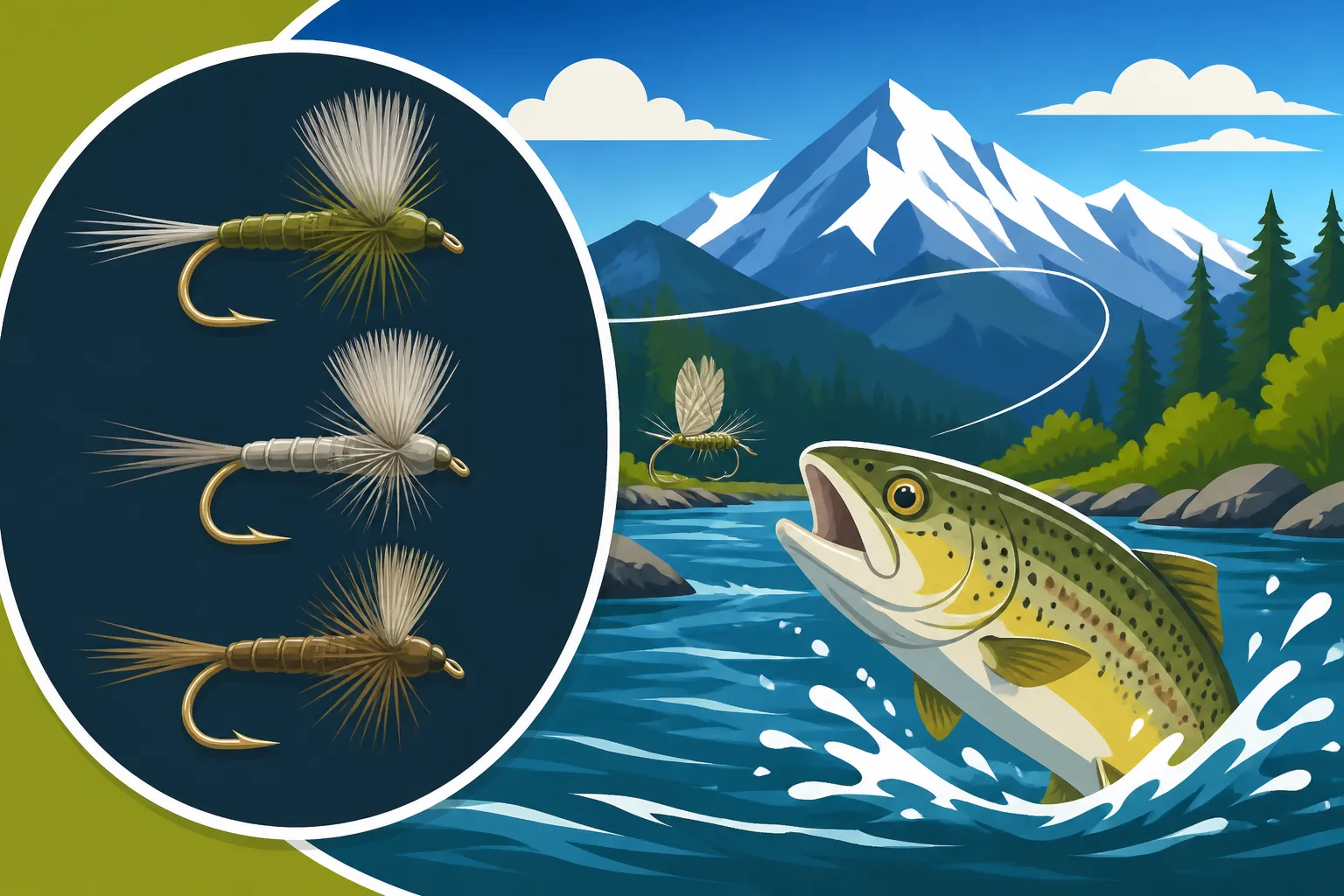
Fly Selection for Colorado’s Blue-Wing Olive Hatch
There's a special kind of frustration that settles in when you're standing knee-deep in a pristine Colorado river, the air is thick with tiny mayflies, and trout are rising all around you, yet nothing you tie on seems to interest them. It's often the infamous Blue-Wing Olive (BWO) hatch that delivers this particular brand of humility. These little insects can bring out the most selective feeding behavior in trout, leaving even seasoned anglers scratching their heads. This guide will cut through the confusion, helping you choose the right flies to crack the code of Colorado's prolific BWO hatches.
Understanding the Blue-Wing Olive Hatch in Colorado
Before you can effectively choose your flies, you've got to understand the adversary – or rather, the tiny, delectable insect that the trout are so fixated on. Blue-Wing Olives are a cornerstone of the trout's diet in Colorado, and knowing their life cycle and habits is your first step toward success.
What are Blue-Wing Olives BWOs
Blue-Wing Olives, primarily members of the Baetis genus, are small mayflies that are incredibly common across Colorado's diverse aquatic environments. Think of them as the reliable, year-round staple for trout, especially when other hatches are sparse. What makes them so important is their sheer abundance and their consistent appearance, often when other insects are dormant.
Their life cycle plays out in four main stages, each presenting a different opportunity for a fly fisher. It all starts with the nymph, which lives on the river bottom, clinging to rocks and vegetation. These little guys are slender, typically olive, grey, or brownish, and have two tails. Most of a trout's feeding, even during an active hatch, will be on these subsurface nymphs. As they mature, they begin to migrate towards the surface to hatch, transitioning into the emerger stage. This is a crucial, often overlooked, phase where the nymph sheds its shuck and struggles to break through the surface film. Trout absolutely key in on these vulnerable insects. Once they successfully emerge, they become the adult dun, characterized by their upright, sail-like wings and drab body color. These are what most people think of when they imagine a "hatch" – bugs floating on the surface. Finally, after mating, these duns return to the water to deposit their eggs, becoming spent spinners with their wings splayed flat on the water's surface, signaling the end of their brief aerial dance. Understanding these stages is paramount, as trout will often be incredibly selective, focusing on just one or two of them.
When and Where BWOs Hatch in Colorado
One of the most appealing aspects of the BWO hatch for anglers is its reliability and widespread presence across the state. While you might find other insects only hatching in specific conditions or locations, BWOs are almost ubiquitous in Colorado's trout waters.
You'll encounter them primarily in the cooler months of spring and fall. In spring, typically from March through May, BWOs provide some of the first consistent dry fly action after winter's chill. Then, as summer's heat gives way to cooler autumn days, from September through November, they return with a vengeance, often bringing some of the year's best fishing. However, don't limit your BWO expectations to just these seasons. On Colorado's nutrient-rich tailwaters, which maintain consistent water temperatures year-round thanks to dam releases, BWOs can hatch almost any day of the year, even in the dead of winter. Rivers like the Fryingpan River Below Ruedi Reservoir, the South Platte through Cheesman Canyon and Deckers, and the Blue River in Silverthorne are legendary for their prolific BWO hatches that can pop off any afternoon.
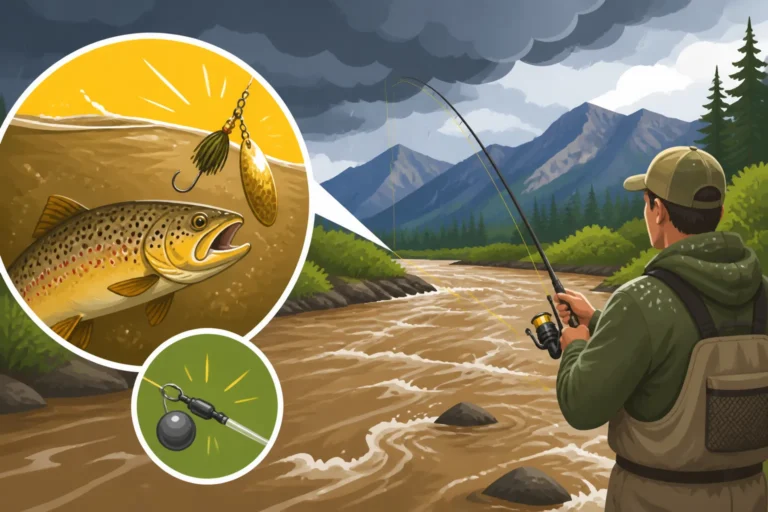
The conditions are key: BWOs absolutely love overcast, drizzly, and mild temperature days. If it's bright sunshine and warm, the hatch might be sparse or non-existent. But if a storm rolls in, bringing dark skies and a light rain, get ready! That's when the magic often happens, and the river can come alive with rising trout. While tailwaters are famous for them, you'll also find healthy populations in many of Colorado's freestone rivers and high-country streams, especially during periods of stable flow and cooler temperatures. Knowing your Colorado Fishing Seasons Month by Month will help you anticipate these hatches.
Decoding Trout Behavior During a BWO Hatch
The beauty and bane of a BWO hatch lie in the trout's reaction. When those tiny olives start showing up, trout can switch from opportunistic feeders to highly specialized connoisseurs, making your fly selection and presentation absolutely critical.
The Finicky Feeder: Why Trout Are So Selective
If you've ever stood on a river bank during a BWO hatch, watching dozens of fish rise, only to have them ignore every single one of your perfect casts, you know the exquisite frustration I'm talking about. It's not you; it's them – specifically, their uncanny ability to be incredibly selective during these hatches. Why does this happen? It boils down to a combination of factors, but primarily abundance.
When a BWO hatch is in full swing, the water can be absolutely blanketed with these tiny insects. Imagine being at a buffet with hundreds, if not thousands, of your favorite tiny snacks drifting right past your nose. You wouldn't expend much energy chasing after something that looks even slightly off, would you? Trout operate on the same principle. They don't need to move much or take any chances on a "bad" fly when there's an endless parade of the real thing. They can afford to be picky, keying in on minute details like size, color, profile, and even the exact stage of the insect (nymph, emerger, dun, spinner).
Another major factor is micro-currents and drag. Those tiny BWOs drift at the mercy of the current. If your fly, attached to a leader and tippet, is dragging even slightly faster or slower than the natural insects, a discerning trout will often ignore it. They're looking for that perfect, unhindered drift that mimics a vulnerable, naturally drifting insect. Fine tippet (often 6x, 7x, or even 8x) is crucial to minimizing drag and being less visible to these incredibly wary fish, as discussed in "How Fine a Tippet You Need for Selective Tailwater Trout." Even a perfectly tied fly won't fool a selective trout if your presentation is flawed.
Identifying Feeding Lanes and Stages
Successfully fishing a BWO hatch is often less about having the "perfect" fly and more about identifying how and where the trout are feeding. Are they taking emergers just below the surface, duns on top, or spinners lying flat? Each presents a different challenge and requires a different fly and presentation.
Start by observing the rises. Are they slow, deliberate "sips" where only a nose or a small dimple appears? This often indicates fish are taking emerging insects just below or in the surface film, or very delicately taking duns. If you see a fish porpoising, with its back and tail breaking the surface, it's likely taking emergers that are struggling or duns that are just getting away. If there's a more aggressive splash, it could be a dun, but it might also be a fish taking an emerger that's just popped up. Often, in a heavy BWO spinner fall, you'll see large trout "sipping" the spent adults from slow pools, leaving barely a ripple. Look for dorsal fins breaking the surface, indicating a fish slowly cruising and picking off insects.
Pay close attention to where the rises are occurring. Are they in the main current, along eddy lines, or in slow, slick pools? Trout will often position themselves in predictable feeding lanes where the current delivers a steady stream of food with minimal effort. The faster water typically has fewer risers, but those fish might be less selective. Slower, smoother water, on the other hand, often holds the most selective feeders, but also some of the biggest fish. By carefully observing the type of rise and the location, you can narrow down which stage of the BWO life cycle the trout are focused on, allowing you to select the appropriate fly. This skill is vital and is a big part of what's covered in reading water on a Colorado freestone river.
Essential BWO Nymph Patterns
While the sight of trout rising to dry flies during a BWO hatch is exhilarating, the truth is that trout spend the vast majority of their time feeding subsurface on nymphs. Even when duns are abundant on the surface, many trout are still gorging on the easy pickings below.
Imitating the Active Nymph
Trout are opportunistic feeders, and nymphs are the bread and butter of their diet. Even as BWOs begin their migration to the surface, countless nymphs are still dislodged by currents or actively swimming, making them readily available to hungry trout. If you're not getting any action on dry flies, or if the hatch isn't quite in full swing, starting with nymphs is almost always a smart move.
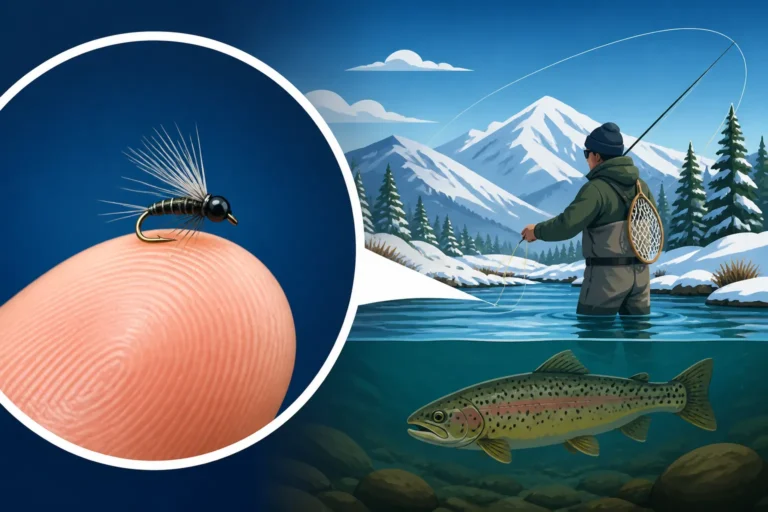
When selecting BWO nymph patterns, you're looking for flies that mimic the slender body, two tails, and subtle olive-to-grey coloration of the natural. Size is paramount here; remember, BWOs are tiny, so don't be shy about going small.
- Pheasant Tail Nymph: This classic pattern is probably the most versatile nymph in any angler's box, and for good reason. It perfectly imitates the general profile and segmented body of many mayfly nymphs, including the BWO. Tied correctly in sizes #18-22 (sometimes even #24), it's a deadly imitation. You can find these on Amazon or at any local fly shop, making them a staple.
- Barr's Emerger (Nymph Version): While the name suggests an emerger, a slightly weighted version of this pattern, often tied with a little pearlescent flash in the wing case, makes for an excellent active BWO nymph. Its slim profile and subtle movement are irresistible to trout. Sizes #18-22 are typical.
- Two-Tone Baetis: This pattern is specifically designed to imitate the Baetis nymph. It usually features a darker thorax contrasting with a lighter abdomen, giving it a realistic two-tone appearance that stands out without being unnatural. It's simple, effective, and often tied in sizes #18-24.
When fishing these nymphs, presentation is key. Many anglers use a tandem nymph rig, often with a heavier, more visible "lead" fly and a smaller BWO nymph trailing. Setting up Nymph Rigs for Deep Tailwater Runs can dramatically improve your success, especially in faster currents.
Transitional Emerger Patterns
The emerger stage is where many BWO hatches are won or lost. As the nymphs ascend to the surface, they are incredibly vulnerable, shedding their shuck and struggling to break through the surface film. Trout know this, and they will often focus almost exclusively on these "crippled" insects, making them incredibly selective. If you see fish rising subtly, or porpoising in the current, an emerger is often the answer.
Emerger patterns typically feature a slender body, a small wing bud or shuck imitation, and sometimes a hint of flash to suggest the insect's struggling efforts. They are designed to be fished just below or right in the surface film.
- Sparkle Wing RS2: This fly is a Colorado legend, especially on the technical tailwaters. Developed by Rim Chung, the RS2 (Rico's Small 2-Wing) in an olive or grey variation with a white antron shuck is an absolute killer for emerging BWOs. The antron trailing shuck is key, as it traps air bubbles, perfectly mimicking a natural. Sizes #18-22 are essential.
- Juju Baetis: This is another highly effective emerger pattern, often tied with a tungsten bead head and a subtle, segmented body with fine wire ribbing. The flash in the wing case and the slim profile make it very realistic. It’s a great pattern to fish as a dropper, especially in sizes #18-22.
- Barr's BWO Emerger: Similar to the nymph version but specifically tied to imitate the struggling insect in the surface film. It often has a soft hackle collar and a wing case, giving it a more "emerging" look. This pattern is designed to be fished high in the water column, often just barely breaking the surface. Sizes #18-22 are standard.
Fishing emergers can be a bit trickier than nymphs or duns. You'll often want to get them to drift naturally just below the surface, or even allow them to swing slightly at the end of the drift, mimicking a natural struggling to escape. Sometimes, a very subtle twitch can trigger a strike.
Top BWO Dry Fly Selections
When trout are confidently rising to adult BWOs on the surface, there's no more exciting way to fish. The visual aspect of seeing a fish sip your fly from the film is what many anglers dream about. However, getting that perfect take requires the right dry fly.
Matching the Dun Hatch
The dun stage is what most people picture when they think of a "hatch." These are the newly emerged adults floating downstream, their small, upright wings drying before they take flight. When trout are actively feeding on these duns, you'll typically see deliberate rises, often a subtle sip or a small dimple as the fish intercepts the insect from the surface.
Key characteristics for a BWO dun imitation include a drab body color (olive, grey, brownish-olive) and upright wings. Again, size is critical – these are tiny insects, so your flies need to be small.
- Parachute Adams: This universal dry fly is a must-have in your box, and it's an excellent imitation for BWO duns. The parachute post provides high visibility for the angler while allowing the fly to sit flush in the surface film, mimicking the natural. In sizes #18-24, the Parachute Adams in an olive or grey body variation is incredibly effective. It's often the first dry fly I reach for during a BWO hatch.
- CDC Comparadun: For extremely selective fish, a Comparadun tied with CDC (Cul de Canard) feathers for the wing is incredibly realistic. The CDC fibers give the wing a lifelike, translucent appearance and help the fly float naturally. The Comparadun's low profile sits perfectly in the surface film, making it ideal for wary trout. Sizes #18-24 are typical. You can find tying materials like CDC feathers easily on Amazon for those who tie their own flies.
- Sparkle Dun (BWO Specific): Similar to the Comparadun, the Sparkle Dun pattern for BWOs often features a Z-lon or antron shuck trailing from the hook bend, which imitates the shuck that the dun is still shedding. This makes the fly incredibly realistic and appealing to fish keying in on emerging duns. Again, small sizes, #18-24, are your best bet.
Presentation is paramount with duns. A perfect, drag-free drift is absolutely essential. Any unnatural movement will immediately put down selective trout. Focus on casting upstream and allowing your fly to drift naturally over the feeding fish. This is where mastering Dry Fly Fishing Colorado's Freestone Rivers comes into play.
Imitating the Spent Spinner
Often overlooked, but potentially deadly, is the spent spinner stage. After the duns have mated, they fall back to the water's surface, exhausted, with their wings splayed out flat. These insects are completely helpless and offer a big, easy meal for trout. While the dun hatch might be the most visible, some of the largest trout will hold in slow pools or eddies, waiting for the spinner fall to begin.
Spinner patterns are characterized by a flat, flush-floating profile and splayed wings that lie horizontal on the water.
- Spent BWO Spinner: This pattern directly imitates the fallen adult. It typically has a dark body (olive, grey, or black) and splayed, often white or clear, wings made from antron or CDC. The key is its low-profile, almost indistinguishable from the natural when floating flat on the water. Sizes #18-24 are the most common.
- Tiny Trico Spinner (Adapted for BWO): While Tricos are a different, even tinier mayfly, a Trico spinner pattern in a slightly larger size (for a BWO) can sometimes work. The delicate profile and flush float are what you're after. However, a dedicated BWO spinner pattern is usually better. Sizes #20-26 are typically used for Tricos, so a #20 BWO spinner is still a good bet.
Fishing spinners requires a delicate touch and a perfect, drag-free drift. They often concentrate in slower moving water, foam lines, and eddies, so target those areas. Don't assume the hatch is over when the duns disappear; the spinner fall can offer a second, equally rewarding, opportunity.
Strategic Considerations for BWO Fishing
Mastering BWO hatches in Colorado isn't just about having the right flies; it's about understanding the subtle nuances of presentation, size, and color, and knowing when and how to adapt your approach.
Size, Color, and Presentation Nuances
The phrase "size matters" was practically invented for BWO hatches. These mayflies are tiny, and trout feeding on them have incredibly specific expectations.
- Size Matters Most: This cannot be stressed enough. BWOs typically range from size #18 down to a minuscule #24 or even #26. If you're seeing fish rise and they're ignoring your #18, don't be afraid to drop down to a #20 or #22. It can make all the difference. Always carry a range of sizes for each pattern.
- Color Variations: While generally olive or grey, BWO naturals can have subtle variations in color depending on the specific species, water conditions, and light. Have patterns that range from a dark, almost black-olive to a lighter, drab grey or brownish-olive. Sometimes, a slightly darker thorax or a touch of iridescent flash can trigger a strike. It's not uncommon to carry a small fly box exclusively for your BWO imitations to ensure you have these variations readily available.
- Tippet: Using fine tippet is not optional; it's absolutely critical for success during a BWO hatch. These tiny flies need to drift naturally, and a heavy tippet creates drag and is easily spotted by wary trout. Think 6x, 7x, and sometimes even 8x fluorocarbon for nymphs (due to its sinking properties and invisibility) or monofilament for dry flies (for buoyancy). Protecting that fine tippet when you hook a big fish means using a soft rod and a delicate touch. You might find our guide on "How Fine a Tippet You Need for Selective Tailwater Trout" particularly helpful here.
- Perfect Drift: This is the Holy Grail of BWO fishing. Any drag on your fly will instantly spook selective trout. Whether you're nymphing or dry-fly fishing, strive for a completely natural, unhindered drift that matches the speed of the surrounding current. Mend your line, use reach casts, and position yourself effectively to achieve this.
Reading Water and Adapting Your Approach
One of the biggest mistakes anglers make during a BWO hatch is to commit to one fly or one technique too early. The most successful anglers are those who constantly observe and adapt.
- Start Subsurface: Even if you see a few rises, it's often wise to start by nymphing. As we've discussed, trout feed on nymphs for a much longer period than they do on duns or spinners. Use a light indicator and a delicate nymph rig to probe the likely holding water. If no rises appear, or if they're very sparse, focus your efforts here.
- Observe Closely: Watch what the trout are doing. Are they rising consistently in a specific area? What kind of rise is it? Are there natural insects on the water? If so, what stage are they in? Collect as much information as possible before changing your setup.
- Move Around: Don't get stuck in one spot. If the fish aren't biting where you are, move to another run, pool, or eddy. Sometimes just a few yards up or downstream can put you into actively feeding fish that are less pressured.
- Have Multiple Rigs Ready: On complex tailwaters especially, it's not uncommon for anglers to have two or even three rods rigged with different setups – perhaps one for nymphs, one for dry flies, and one for emergers. This allows for quick adaptation as the hatch changes or as trout become more selective. You don't want to spend precious time re-rigging when the fish are actively feeding. You'll often find specific regulations that apply to certain rivers or Gold Medal Waters in Colorado Fishing Regulations Every Angler Should Know, so always keep those in mind as you move.
Gear Up for BWO Success
Having the right fly is crucial, but so is having the right equipment to present those tiny imitations effectively and handle the delicate fine tippet required for success during BWO hatches in Colorado.
Rod and Reel Selection
For fishing tiny BWO patterns, a light, sensitive rod is your best friend. It allows for delicate presentations, protects fine tippet, and makes fighting a strong trout on small hooks much safer.
- Light Rods: A 3-weight or 4-weight fly rod, typically in lengths of 8.5 to 9 feet, is ideal for BWO fishing. These lighter rods have a softer tip section that absorbs the shock of a strike and the surges of a fighting fish, preventing your ultra-fine tippet from snapping. A 5-weight can work, but anything heavier starts to make delicate casts with tiny flies and light tippet more challenging. Many anglers prefer a medium-fast action rod that offers a good balance of delicate presentation and casting power.
- Smooth Drag Reel: While you won't be battling huge ocean-going fish, a fly reel with a smooth, reliable drag is still important. When a hefty rainbow or brown trout decides to run on 7x tippet, you need a drag system that engages smoothly and consistently, without any jerking or sticking, to prevent break-offs. The reel should also balance well with your chosen rod, contributing to a comfortable and efficient casting stroke throughout the day.
Tippet, Indicators, and Accessories
Beyond the rod and reel, a few key accessories will significantly enhance your BWO fishing experience and increase your chances of success.
- Fine Tippet: As repeatedly mentioned, fine tippet is non-negotiable. Carry spools of 6x, 7x, and 8x fluorocarbon (for nymphs and subsurface emergers) and monofilament (for dry flies, as it floats better). Brands like Scientific Anglers or Rio offer excellent options. Fluorocarbon is less visible underwater and sinks, which is great for nymphs. Monofilament floats better and is often preferred for dry fly leader sections.
- Small, Sensitive Strike Indicators: For nymphing, you'll need a strike indicator that is small, light, and highly sensitive to detect the subtle takes of trout on tiny nymphs. Foam indicators, like the Air-Lock Strike Indicator, or small yarn indicators are popular choices. Avoid large, bulky indicators that create too much splash or drag. You can find a good selection of these small indicators on Amazon.
- Dry Shake/Floatant: Essential for keeping your tiny BWO dry flies riding high on the water. Powdered "shake" floatants like those from Loon Outdoors or Tiemco are excellent for reviving waterlogged flies. Gels or liquids like Gink are great for pre-treating flies.
- Forceps/Hemostats: These are vital for safely removing small hooks from fish, especially with tiny flies. A good pair of straight or curved forceps will make unhooking fish quicker and easier, minimizing stress on the fish.
- Magnifiers/Cheaters: If your eyesight isn't what it used to be (and let's be honest, those flies are tiny!), a small magnifier attached to your vest or a pair of reading glasses (often called "cheaters") can be a lifesaver for tying on size #22 or #24 flies. They can make the difference between frustration and successful rigging on the water.
- Small, Dedicated Fly Box: Keeping your BWO patterns organized in a small, dedicated fly box will save you time and frustration on the water. Look for boxes with clear lids and magnetic bottoms or very small compartments to prevent these tiny flies from getting jumbled together.
By having the right gear, from your rod to the smallest accessory, you'll be much better equipped to tackle the challenges and reap the rewards of Colorado's incredible Blue-Wing Olive hatches.
BWO Fly Selection Summary Table
To help you quickly reference the most effective BWO patterns, here's a table summarizing the key stages, recommended flies, and typical sizes.
| BWO Life Cycle Stage | Recommended Fly Patterns | Key Characteristics | Recommended Sizes |
|---|---|---|---|
| Nymph | Pheasant Tail Nymph, Barr's Emerger (Nymph) | Slim body, two tails, olive/grey, weighted | #18-22 |
| Two-Tone Baetis, Tungsten Flashback Nymph | Segmented body, often with a darker thorax | #18-24 | |
| Emerger | Sparkle Wing RS2, Juju Baetis | Trailing shuck, subtle flash, sits subsurface/in film | #18-22 |
| Barr's BWO Emerger, Mercury Baetis | Soft hackle, wing case, translucent body | #18-22 | |
| Dun (Adult) | Parachute Adams (Olive/Grey), CDC Comparadun | Upright wings, drab body, sits flush in film | #18-24 |
| Sparkle Dun (BWO specific), Harrop's CDC BWO | Realistic wing profile, antron shuck | #18-24 | |
| Spinner (Spent) | Spent BWO Spinner (Olive/Grey) | Wings splayed flat on water, low profile | #18-24 |
| Tiny Trico Spinner (larger size) | Flush floating, delicate | #20-26 |
Disclaimer
The information provided in this guide is for general informational purposes only and does not constitute professional advice. Always consult the latest Colorado Parks and Wildlife regulations before fishing, as rules and conditions can change. Fishing involves inherent risks; please exercise caution and good judgment while on the water.