Why Colorado Culls Pike From Some Waters
It can be incredibly confusing and even disheartening for anglers to hear about specific fish species being culled, especially when that species is known for its fighting spirit and can be a blast to catch. You might love chasing northern pike in other states or even certain Colorado waters, only to discover that in other areas, they're considered a real problem and actively removed. This guide will walk you through the reasons behind Colorado's pike culling efforts, helping you understand the ecological balance at play and how these management decisions are made to protect our state's unique aquatic resources.
The Pike Paradox: Why a Popular Sport Fish Becomes a Management Challenge
Northern pike are formidable predators. There's no denying the thrill of feeling that powerful strike when a big pike hits your lure. They’re celebrated in many parts of the world, and indeed, in some waters within Colorado, they provide an exciting angling opportunity. However, the very characteristics that make them such a captivating sport fish – their aggressive nature, voracious appetite, and rapid growth – can turn them into an ecological menace when introduced to environments where they don't naturally belong. This creates a genuine paradox for wildlife managers: how do you manage a species that is valued by some anglers but poses a severe threat to native populations?
The Northern Pike's Predatory Nature
Think about what makes a pike such an effective hunter. They have a sleek, torpedo-shaped body, perfectly camouflaged in weed beds and submerged structures, allowing them to ambush prey with incredible speed. Their mouth is a gaping maw filled with rows of razor-sharp teeth, designed to grasp and hold onto slippery fish. These are not passive feeders; they are active, opportunistic predators that will consume almost anything they can fit in their mouth, from smaller fish, including young trout and salmon, to frogs, ducklings, and even small mammals that venture too close to the water's edge.
This predatory efficiency means that when pike are introduced into a new body of water, especially one without an existing apex predator or where the native fish haven't evolved to deal with such a threat, they can quickly decimate vulnerable populations. They mature relatively fast and reproduce prolifically, leading to a rapid expansion of their numbers. What starts as a few illegally stocked individuals can quickly become a self-sustaining population that tips the ecological scales dramatically, often at the expense of more delicate or slower-reproducing native species.
A Matter of Place: Invasive vs. Native Context
It’s crucial to understand that whether a species is considered "good" or "bad" often comes down to its native range and the ecosystem it inhabits. In their native waters across North America, Europe, and Asia, northern pike are an integral part of the food web. Native fish populations have co-evolved alongside them, developing adaptations and strategies to survive their predation. The ecosystem is balanced, with pike playing their role without causing widespread collapse of other species.
However, Colorado's aquatic ecosystems are quite different from the marshy, slow-moving waters where pike are typically native. Many of our high-alpine lakes and pristine rivers historically supported only native trout, like various subspecies of cutthroat, or other unique, often smaller, native fish. These fish did not evolve with a large, toothy predator like the northern pike. When pike are introduced to these waters, they are considered an invasive species, meaning they are non-native to the ecosystem and cause economic or environmental harm, or harm to human health. This distinction is vital; it's not about the inherent "goodness" or "badness" of the fish itself, but rather its impact on a specific, often fragile, environment it was never meant to inhabit.
Protecting Colorado's Delicate Native Ecosystems
Colorado boasts an incredible diversity of aquatic environments, from winding mountain streams to vast reservoirs. Each of these habitats supports a unique community of fish and other wildlife. For decades, Colorado Parks and Wildlife (CPW) has dedicated significant resources to preserving and restoring these natural balances, especially when it comes to our treasured native fish species. When an invasive predator like the northern pike enters these delicate systems, it creates a cascading effect that can unravel years of conservation work and threaten species that are already struggling to survive.
The Threat to Native Trout and Endangered Species
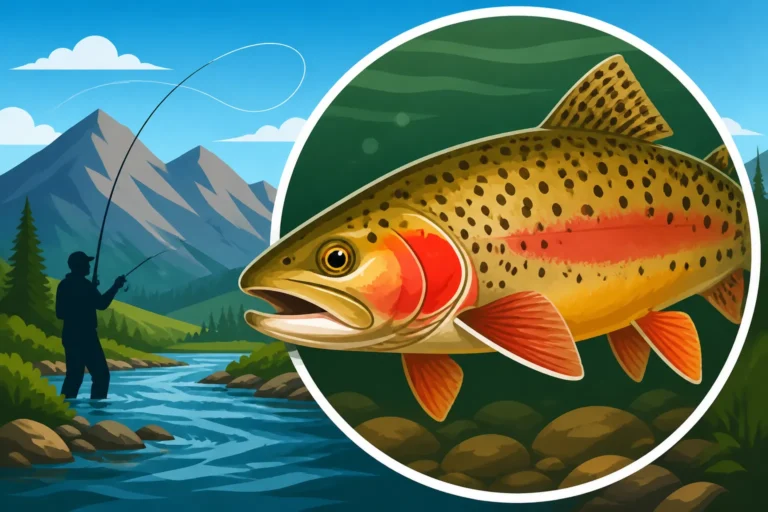
The primary reason for pike culling in Colorado often boils down to protecting our native trout species, particularly the various subspecies of cutthroat trout, which are Colorado's state fish. Species like the Greenback Cutthroat Trout and the Colorado River Cutthroat Trout have faced immense challenges over the past century, largely due to habitat loss, disease, and competition from non-native species. When pike are introduced into waters where these native cutthroat populations reside or where recovery efforts are underway, they become a direct and devastating threat. Pike will aggressively prey on young and adult cutthroat, quickly reducing their numbers and undermining carefully planned stocking and restoration projects. You can learn more about these efforts in Colorado's Native Cutthroat Trout Subspecies.
Beyond native trout, Colorado is also home to several federally endangered fish species, particularly in the warmwater stretches of the Colorado River basin. While pike might prefer cooler waters, their presence even in peripheral areas can impact food sources or indirectly affect these highly sensitive populations. The interconnectedness of aquatic ecosystems means that a disturbance in one area can ripple through the entire system, putting even more species at risk. This is why interventions like culling are sometimes deemed necessary – to act as a crucial firewall against the complete loss of unique and irreplaceable native fish.
Competition for Food and Habitat
Predation is just one piece of the puzzle. Invasive northern pike also outcompete native fish for essential resources. Imagine a pristine mountain lake, home to a stable population of trout. These trout have adapted to consume specific insect larvae, small invertebrates, and other forage fish available in that environment. When pike are introduced, they quickly establish themselves as dominant predators, but they also consume many of the same food items as the native trout, especially the larger invertebrates and smaller fish.
This competition can lead to a scarcity of food for native species, causing slower growth rates, reduced reproduction, and overall stress on the population. Moreover, pike occupy prime habitat, like weed beds and submerged woody debris, which are also vital for native fish, especially as nursery areas for young fish or refuge from other predators. The displacement of native species from their preferred habitats can further weaken their populations, making them even more susceptible to other environmental pressures. It's a double whammy: pike eat native fish, and they steal their dinner and their homes, making it incredibly difficult for native populations to thrive.
Colorado Parks and Wildlife's Management Strategies
When an invasive species like the northern pike establishes itself in sensitive waters, Colorado Parks and Wildlife (CPW) steps in with a multi-pronged approach. Their goal isn't to eradicate pike from the entire state, but rather to protect specific, high-priority native fisheries and maintain ecological balance where it's most threatened. These aren't easy decisions, and they're always based on scientific assessment of the impact pike are having on the local ecosystem and the viability of native fish populations.
Understanding "Culling" and Its Goals
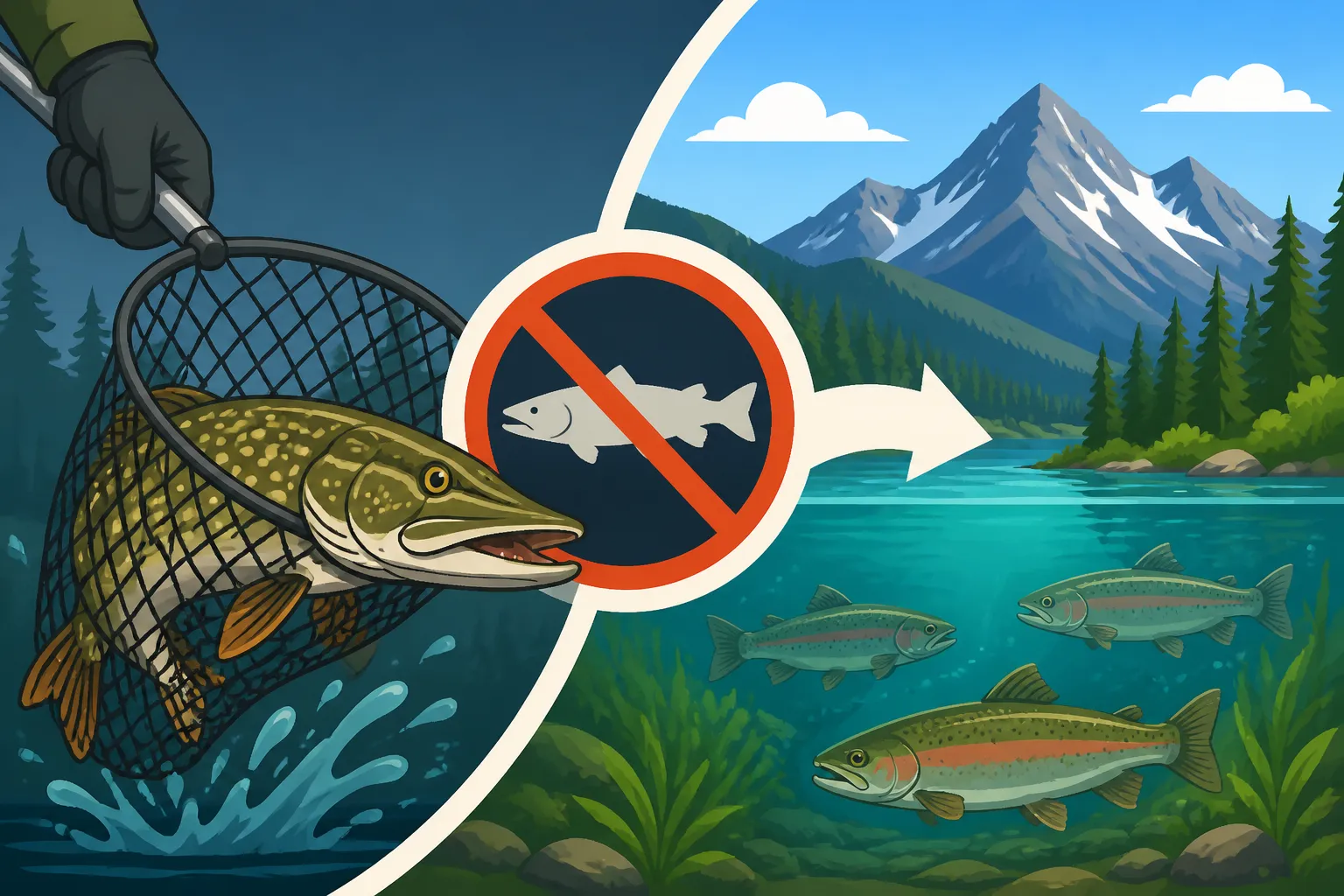
"Culling" might sound harsh, but in the context of wildlife management, it refers to the selective removal of individuals from a population. In Colorado, when pike are culled from certain waters, it's typically because they are identified as an invasive species directly threatening critical native fish recovery efforts or stable native populations. The goal isn't to be cruel, but to restore a natural balance and give vulnerable native species a fighting chance. For instance, in lakes or river stretches that are designated as Gold Medal Waters because of their exceptional trout populations, the introduction of pike could devastate the very quality that makes them Gold Medal. You can read more about these specific regulations in Colorado Gold Medal Water Regulations Explained.
CPW carefully assesses which waters require culling. They prioritize areas where native cutthroat trout are being reintroduced or where genetically pure populations still exist. These are often waters that have been isolated or protected for years, making them ideal for native species but also highly vulnerable to invasive predators. The decision to cull is often a last resort, taken after other management options have been considered and deemed insufficient to protect the native fish. It’s a proactive measure to prevent an irreversible decline in biodiversity.
Methods of Pike Removal
Colorado Parks and Wildlife employs a variety of methods to remove northern pike from targeted waters, depending on the specific environment, the scale of the problem, and the desired outcome. These methods are chosen to be as effective and efficient as possible while minimizing impact on other species.
One common method is electrofishing. This technique involves sending an electrical current through the water, temporarily stunning fish. Wildlife biologists can then net the stunned pike, while native fish are quickly revived and released unharmed. Electrofishing is particularly effective in riverine environments or shallower lake areas where biologists can systematically cover sections of water.
Another strategy involves the use of gill nets or seine nets. These nets are strategically placed in the water and are highly effective at capturing larger fish like northern pike. Nets are regularly monitored and retrieved, allowing biologists to selectively remove pike while releasing any non-target species. This method is often used in larger lakes and reservoirs where broad sweeps are needed.
In some cases, CPW also relies on angler harvest mandates. This means that anglers fishing in specific waters are not only encouraged but sometimes required to keep all northern pike they catch, regardless of size, and not to release them back into the water. This shifts some of the culling effort to the public, turning recreational fishing into a conservation tool. These regulations are clearly outlined in the annual Colorado Fishing Regulations brochure, which every angler should consult. This helps with the management effort, and it’s a great way for everyday anglers to contribute directly to conservation.
Angler Involvement and Regulations
Anglers play a crucial role in pike management in Colorado. Beyond simply adhering to regulations, understanding the "why" behind these rules fosters a conservation ethic that benefits everyone. When CPW implements specific rules regarding northern pike, it's not arbitrary; it's a calculated decision to protect the state's natural heritage.
For example, if you're fishing a lake known for its trophy lake trout but also has an emerging pike population, CPW might have a specific regulation stating that all pike caught must be immediately killed and not returned to the water. This isn't about making fishing less fun; it's about safeguarding valuable resources. It means that if you hook into a pike, you become an active participant in the conservation efforts. This is often particularly true in reservoirs that are managed for coldwater species, where pike can be extremely detrimental. It's a good idea to check the specific regulations for any body of water you plan to fish. You can find detailed information on these in Colorado Fishing Regulations Every Angler Should Know.
The Angler's Role and Navigating Pike Regulations
As an angler in Colorado, you have a vital part to play in supporting the state's conservation efforts. Understanding the specific regulations around northern pike in different waters is not just about avoiding a fine; it's about being a responsible steward of our natural resources. The rules can vary significantly from one lake or river to another, reflecting the unique ecological challenges of each location. You can always check the official Colorado Parks and Wildlife website, or pick up a physical copy of the regulations brochure at most sporting goods stores or licensed vendors. If you're looking for educational resources on identifying species or understanding local ecology, an online retailer like Amazon can be a good place to find field guides or books specific to Colorado's fish populations.
Identifying Pike and Understanding Catch Limits
Being able to correctly identify a northern pike is your first step. They are quite distinctive with their elongated body, duckbill-shaped snout, and a dorsal fin located very far back on their body, near the tail. Their coloring is typically a dark green to olive brown back with lighter sides, often marked with bean-shaped spots or streaks. Young pike can sometimes be confused with muskellunge, but muskies are rare in Colorado. If you're ever unsure about identification, it’s always best to err on the side of caution and consult your regulations or a trusted fishing guide.
Catch limits for northern pike are not uniform across the state. In some waters, there might be a daily bag and possession limit, similar to trout, meaning you can only keep a certain number. In others, particularly those identified as high-priority native fish recovery areas, the regulation might be "no bag limit, no possession limit, must kill all pike caught." This means you are legally obligated to harvest every pike you catch and cannot release it. These regulations are designed to actively reduce or eliminate pike populations in those specific areas. It’s vital to check the current regulations for the specific water you are fishing before you even cast a line. For more general information on daily limits, see Colorado Daily Bag Limits by Species.
| Water Type / Location | Typical Pike Regulation | Why This Regulation? |
|---|---|---|
| Native Trout Recovery Waters | No Bag/Possession Limit; All Pike Must Be Harvested | Pike are an invasive threat to endangered/threatened native trout (e.g., Greenback Cutthroat). |
| Coldwater Reservoirs (e.g., Blue Mesa) | Variable; often generous limits or mandatory harvest | Pike can impact stocked trout and kokanee salmon populations, which are prized sport fisheries. |
| Warmwater Lakes (e.g., Eastern Plains) | Standard Bag/Possession Limit | Pike may be established but not posing a significant threat to native species; managed as a sport fish. |
| Designated Wild Trout Waters | No Bag/Possession Limit; All Pike Must Be Harvested | To protect self-sustaining, naturally reproducing wild trout populations from predation. |
Note: Always consult the official Colorado Parks and Wildlife fishing regulations for the most current and specific rules for any body of water you plan to fish.
Ethical Considerations and Conservation
Beyond the written rules, there's an ethical component to being an angler in Colorado. When you understand why certain regulations exist, it fosters a deeper appreciation for conservation. For waters where pike are considered an invasive threat and mandatory harvest is in place, it’s not just a legal obligation but a moral one. Releasing a pike back into such waters, even if you feel bad about killing it, directly undermines the efforts to protect native species and can have long-term negative consequences for the ecosystem.
This extends to the practice of "bucket biology" – the illegal stocking of fish into waters where they do not naturally occur. This practice is extremely harmful and carries significant legal penalties. Most pike problems in Colorado stem from these illegal introductions, often by anglers who wished to create a new fishing opportunity without understanding the devastating ecological ripple effects. Being an ethical angler means never engaging in such activities and reporting any suspicious behavior you might witness. It's about respecting the intricate web of life in Colorado's waters, ensuring that future generations can enjoy the diverse fishing opportunities we cherish today. When you're out on the water, you're not just an angler, you're a caretaker. Buying your fishing license, whether online or at a local tackle shop, directly funds these conservation efforts, so it's a vital first step, as discussed in Colorado Fishing License Costs Explained.
The Future of Pike Management in Colorado
The challenges of managing invasive species like northern pike are ongoing and complex. Colorado Parks and Wildlife (CPW) continues to monitor populations, assess ecological impacts, and adapt management strategies as new information becomes available. The goal is always to find the most effective and sustainable ways to protect Colorado’s native aquatic biodiversity while also providing diverse recreational fishing opportunities where appropriate. This balance is tricky, and it requires constant vigilance and the cooperation of the angling public.
Ongoing Research and Adaptive Strategies
CPW is not static in its approach. Biologists are constantly engaged in research to better understand the behavior, reproduction, and impact of northern pike in Colorado's specific environments. This research helps to identify which waters are most at risk, predict where new introductions might occur, and evaluate the effectiveness of various culling methods. For instance, studies might focus on pike dietary habits in different lakes to determine precisely which native species are most vulnerable, or they might track pike movement patterns to understand how they spread through river systems. This data-driven approach allows for adaptive management, meaning that strategies can be adjusted and refined over time based on real-world outcomes.
Technological advancements also play a role. New methods for early detection of invasive species, more efficient removal techniques, and even genetic research to trace the origins of illegal introductions are constantly being explored. CPW might collaborate with university researchers or other state agencies to leverage expertise and resources. The fight against invasive species is a marathon, not a sprint, and it requires continuous learning and innovation to be successful in the long run.
The Importance of Public Awareness and Reporting
Ultimately, the long-term success of pike management in Colorado heavily relies on an informed and engaged public. Many of the initial northern pike introductions into non-native waters were accidental or, unfortunately, intentional but illegal releases by individuals. Raising awareness about the ecological damage that even a single released fish can cause is paramount. Anglers need to understand that what might seem like a harmless act can have devastating consequences for a unique ecosystem.
If you ever encounter evidence of illegal stocking – perhaps someone bragging about moving fish, or finding non-native species in a water where they don't belong – it's crucial to report it to CPW. You can often do this anonymously, and your information can be vital in preventing or containing a potential invasion before it becomes a widespread problem. Being a responsible angler means being an extra set of eyes and ears for our wildlife managers. It also means educating your fellow anglers, respectfully sharing information about the importance of following regulations and protecting our native fish, which you can learn more about in Identifying Colorado's Native vs Stocked Trout. Our shared passion for fishing comes with a shared responsibility to safeguard the waters and the fish that call them home.
Disclaimer
This article is for general informational purposes only and does not constitute professional advice. Laws, prices and regulations vary by location and change over time. Consult a qualified professional for guidance on your specific situation.