Guided Walk-Wade Trips on Colorado Rivers
Stepping onto a new stretch of a Colorado river can feel like trying to solve a puzzle with half the pieces missing. You see the stunning water, you know the fish are there, but figuring out where to wade, what fly to tie on, and how to even approach the water without spooking everything can be incredibly daunting, especially if you're not familiar with the local nuances. This guide is all about demystifying the guided walk-wade trip in Colorado, showing you how it can unlock incredible fishing opportunities and vastly improve your skills and confidence on the water.
What Exactly is a Guided Walk-Wade Trip?
When you imagine a guided fishing trip, often the first thing that comes to mind is a drift boat floating down a majestic river. While float trips are undeniably fantastic experiences, they're not the only way to explore Colorado's incredible waters. A guided walk-wade trip offers a completely different, and for many, a much more intimate, way to connect with the river and its inhabitants.
Defining the Experience
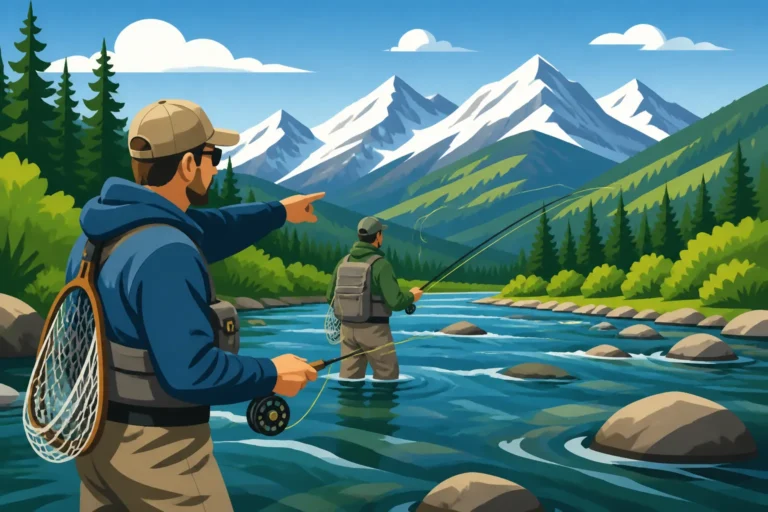
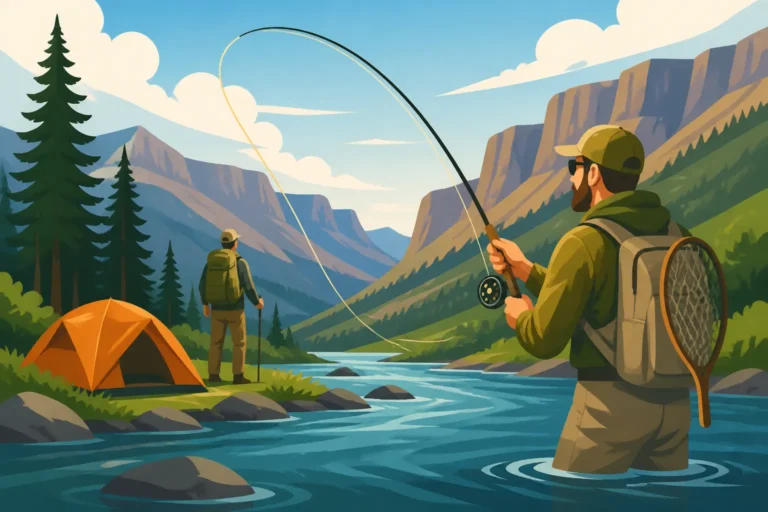
A guided walk-wade trip, in its purest form, means you and your guide will be primarily on foot, navigating the riverbanks and wading into the currents to fish. Instead of covering miles of water from a boat, the focus shifts to thoroughly dissecting specific sections of the river. You might hike a trail to access a remote canyon, or simply park and walk a few hundred yards to a prime riffle or pool. The emphasis is on understanding the water in front of you, reading currents, identifying holding lies, and perfecting your casting and presentation techniques from a bankside or in-stream position. This isn't just about catching fish; it's about learning how to fish a particular piece of water.
Walk-Wade vs. Float Trips
Choosing between a walk-wade and a float trip really depends on your goals, physical ability, and what kind of experience you're after. Float trips are fantastic for covering a lot of water, seeing diverse stretches of a river, and often allow for comfortable, seated fishing. They can be great for those who prefer not to wade extensively or have mobility challenges. However, the boat can sometimes limit your ability to deeply explore every nook and cranny of a specific run or wade into the precise casting position you need.
Walk-wade trips, on the other hand, sacrifice covering vast distances for a more focused, in-depth exploration. You might spend an hour or more meticulously working a single pool, something you simply can't do from a moving drift boat. It allows for hands-on instruction right there in the water with your guide, often literally side-by-side. This format means you're much more physically involved, from hiking to the access point to navigating uneven river bottoms. It's a trade-off, but for many, the deeper connection to the environment and the intensive learning opportunity make the walk-wade experience invaluable. You'll often find that the fish feel "earned" in a different way when you've methodically broken down a stretch of water on foot.
| Feature | Guided Walk-Wade Trip | Guided Float Trip |
|---|---|---|
| Primary Movement | On foot, wading in and along the river | In a drift boat, covering miles of river |
| Pace | Slower, focused on specific stretches | Faster, covers more water |
| Access | Ideal for smaller streams, intimate sections, private water with limited boat access | Best for larger rivers, offers access to stretches unreachable by foot |
| Learning Focus | Intensive, hands-on instruction in specific spots, reading water, wading techniques | Broader overview, casting from a boat, covering varied water types quickly |
| Physical Demand | Moderate to high (hiking, wading uneven terrain) | Low to moderate (mostly seated, some bank fishing) |
| Intimacy | High (deep connection to a specific river section) | Moderate (experiencing broader river landscapes) |
| Cost | Generally comparable, sometimes slightly less due to less specialized gear for the guide | Generally comparable, often slightly more due to boat, trailer, shuttle, etc. |
Why Choose a Walk-Wade Trip on Colorado Rivers?
Colorado's rivers are legendary, but they can also be incredibly challenging. From high-country creeks that barely register on a map to roaring Gold Medal rivers, each body of water presents its own unique set of puzzles. This is where a guided walk-wade trip truly shines, offering benefits that are hard to replicate on your own.
Intimate River Access
One of the biggest frustrations for many anglers in Colorado is finding accessible water that isn't already lined with other fisherfolk. With a guide on a walk-wade trip, you often gain access to those lesser-known, more secluded stretches of river that might require a bit of a hike or a special entry point. Guides know the secret paths, the landowner agreements, and the public lands that see less pressure. They can lead you to quiet bends where the fish haven't seen a parade of flies all day. This level of intimate access isn't just about escaping crowds; it's about experiencing the river in its purest, most tranquil form, allowing you to truly focus on the fishing without external distractions. It's a chance to immerse yourself in the natural beauty and solitude that Colorado is famous for.
Focused Instruction
Let's be honest: fly fishing has a steep learning curve. The casting, the entomology, the knot tying, the reading of the water – it's a lot to take in. A walk-wade trip is arguably the best classroom you'll ever find. Your guide is literally right there beside you, able to observe your casting stroke, suggest subtle changes to your drift, and point out exactly why a particular fish is holding in a certain spot. Instead of just being told "cast over there," you'll get real-time feedback and explanations.
This focused, one-on-one instruction is invaluable, whether you're a complete beginner struggling with basic casting or an experienced angler looking to refine specific techniques like Euro nymphing or dry-dropper rigs. You can ask a million questions without feeling rushed, and your guide can tailor the day's lesson to your exact skill level and learning style. Many people come off a guided walk-wade trip not just with a few fish, but with a dramatically improved understanding of the sport, empowering them to fish more effectively on their own next time. It’s like getting a private tutoring session on the river.
Ideal for Specific Waters
Not all rivers are created equal for float trips, and many of Colorado's most incredible fishing opportunities are actually best experienced on foot. Think about those smaller, brushy mountain streams where the trout are wild and wary, or specific technical tailwaters with complex currents and finicky fish. A drift boat would either be impossible to navigate or would simply blow right past the prime holding water.
Walk-wade trips excel on these more challenging or intimate waters. They allow you to carefully pick your way through tight spots, stealthily approach spooky fish, and spend the necessary time to decipher complicated currents. Waters like sections of the Fryingpan River or specific stretches of the South Platte River's Gold Medal waters often fish much better when anglers are wading, precisely because you can methodically work every pocket and seam. Colorado's Gold Medal Water Regulations Explained are often designed around this kind of careful, deliberate fishing. This method also opens up access to high-country lakes and tributary streams that might be too small or too shallow for a boat, truly unlocking a wider range of Colorado's diverse fishing landscapes.
Less Intimidating for Beginners
For someone new to fly fishing, the thought of managing a fly line in a river, knowing what fly to use, and simply moving around in waders can be overwhelming. A walk-wade trip makes this much less intimidating. There's no pressure to perform from a boat, no feeling like you're holding up the guide by getting tangled. You can take your time, focus on one skill at a time, and build confidence at your own pace.
Your guide will handle the gear setup, often tie on your flies, and help you navigate the river safely. They can literally show you where to step, how to move quietly, and how to spot fish you'd never see on your own. This hands-on, supportive environment removes much of the stress of learning, allowing beginners to truly enjoy the process and build a solid foundation of skills. It transforms what could be a frustrating day into an empowering one.
What to Expect on Your Guided Walk-Wade Trip
So, you've decided a walk-wade trip is for you. That's fantastic! But what does the day actually look like? Understanding the typical flow and what's usually provided can help you prepare and get the most out of your adventure.
Typical Day's Flow
Your guided walk-wade trip will usually start bright and early at a pre-arranged meeting spot, often a local fly shop or a designated access point near the river. You'll greet your guide, who will likely spend a few minutes chatting with you about your experience level, what you hope to learn, and what kind of fish you're targeting. This is your chance to really set the tone for the day. Don't be shy about stating your goals, whether it's learning a new knot or just catching a few fish.
After the initial chat, you'll head to the river. Depending on the chosen location, this might involve a short drive, followed by a walk or a bit of a hike. Once river-side, your guide will help you get geared up. If you're renting waders and boots, they'll make sure everything fits comfortably. Then, it's into the water! The guide will lead the way, pointing out prime water, explaining why fish might be holding there, and demonstrating casting techniques. You'll spend the day moving slowly, methodically fishing different runs, pools, and riffles. Lunch is usually a streamside affair, a chance to refuel and chat more about fishing, or simply enjoy the peaceful surroundings. The day typically wraps up in the late afternoon, heading back to the meeting point, where you'll debrief and say your goodbyes.
Gear and Tackle Provided
One of the great perks of hiring a guide for a walk-wade trip, especially for beginners or those traveling from out of state, is that most of the essential gear is provided. This significantly reduces the barrier to entry and the hassle of packing. Typically, a reputable guide or outfitter will include:
- Rods and Reels: High-quality fly rods (often 4-weight to 6-weight for Colorado trout) and matching reels.
- Waders and Boots: Good quality waders and wading boots in your size. Make sure to communicate your shoe and clothing sizes when booking!
- Flies and Leaders: A vast array of flies, chosen specifically for the current conditions and hatches on the river you'll be fishing. They'll also provide all the necessary tippet, leaders, and indicators.
- Other Essentials: Sometimes a small cooler with drinks and lunch (always confirm this when booking), and often a net for safely landing fish.
What you'll typically need to bring yourself includes:
- A valid Colorado Fishing License Guide for Residents and Nonresidents and a Colorado's Habitat Stamp, Explained. Your guide cannot provide these for you.
- Appropriate clothing layers for Colorado's variable mountain weather.
- Sunscreen, sunglasses (polarized are a huge plus for seeing fish!), and a hat.
- Any personal medications or snacks you might need.
Always double-check with your specific outfitter when you book to confirm exactly what they provide and what you should bring. This is also a good opportunity to find guides via platforms like FishingBooker and compare what different services offer in their packages.
Learning Opportunities
Beyond just the fishing itself, a guided walk-wade trip is a masterclass in river knowledge. Your guide is a walking encyclopedia of local lore, entomology, and fish behavior. They'll teach you how to properly read water on a Colorado freestone river, identifying where trout hide from currents and predators. You'll learn about insect hatches and how to match your fly to what the fish are eating, perhaps even witnessing a blue-winged olive hatch right before your eyes.
You'll get hands-on experience with nymphing techniques for Colorado tailwaters, perfecting your drift and learning to detect subtle takes. They'll show you how to tie essential knots, how to present a fly without spooking fish, and how to safely wade through different types of currents. Many guides are also keen conservationists and will teach you about proper catch-and-release techniques to ensure the health of the fish and the river. It's a holistic learning experience that goes far beyond simply hooking fish; it’s about understanding the entire ecosystem and your place within it.
Choosing the Right Walk-Wade Guide and River
Not all walk-wade trips are created equal, and finding the right fit for your skills, expectations, and desired river type is key to a successful and enjoyable day.
Researching Outfitters
The first step is always thorough research. Start by looking for local fly shops and reputable outfitters in the area where you want to fish. Many will have websites detailing their services, guide bios, and contact information. Read reviews on independent sites and platforms like FishingBooker to get a sense of other anglers' experiences. Look for guides who specialize in walk-wade trips specifically, as their approach and knowledge might differ from those who primarily run float trips.
When you contact an outfitter, don't hesitate to ask questions. Inquire about their guides' experience, especially on the specific rivers you're interested in. Ask about group sizes – walk-wade trips are often best with one or two anglers per guide for maximum instruction. Discuss pricing, what's included, and their cancellation policy. A good outfitter will be transparent and happy to answer all your questions, helping you feel confident in your choice. For example, if you are looking to fish for Colorado's Native Cutthroat Trout Subspecies in a high alpine stream, you'll want a guide who has extensive experience in that specific environment.
Matching Skill Levels
This is perhaps the most critical aspect of choosing your guide. Be honest about your fishing experience. If you're a complete novice, tell them. If you've been fly fishing for years but want to learn advanced streamer techniques, make that clear. A good guide will tailor the trip to your skill level. For beginners, they'll focus on fundamentals, patience, and setting realistic expectations. For experienced anglers, they might push you to more challenging water or focus on specific, advanced techniques.
Sometimes, new anglers are shy about admitting their lack of experience, fearing they'll be judged. Don't be! Guides are teachers first and foremost, and they love nothing more than helping someone new fall in love with the sport. Conversely, an experienced angler might get frustrated if paired with a guide who spends the day teaching basic knots when they were hoping to sight-fish wary browns. Clear communication upfront ensures that your guide can craft a day that truly meets your needs.
Considering River Types
Colorado boasts an incredible diversity of rivers, each offering a unique walk-wade experience. When booking, consider what kind of water you want to fish:
- Small Mountain Streams: If you dream of intimate, high-country fishing for feisty brook trout or native cutthroats, a guide who specializes in these smaller, often brushier waters is ideal. The techniques here involve short, accurate casts and stealthy approaches.
- Large Freestone Rivers: Rivers like the Colorado River or the Arkansas River offer expansive water, big runs, and a chance at larger trout. Guides here will focus on reading large currents, longer casts, and potentially more diverse fly selections. Fishing the Arkansas River Near Salida is a popular freestone option.
- Technical Tailwaters: Rivers like the Fryingpan, Blue River, or the South Platte below Cheesman Canyon are renowned for their consistent flows and large, often very selective trout. These waters require precise presentations, tiny flies, and advanced nymphing techniques. A guide deeply familiar with Best Flies for Colorado's Gold Medal Trout Water and these specific tailwaters is a must.
- Urban Rivers/Ponds: If you're staying near the Front Range and want a quick, accessible lesson, some guides offer trips on urban waters that are regularly stocked with rainbow trout. This can be a great, low-pressure introduction to the sport. Urban Fishing Ponds in the Denver Metro are perfect for this.
Thinking about the type of river that excites you most and communicating that to your outfitter will ensure you have the best possible walk-wade experience.
Making the Most of Your Walk-Wade Experience
A guided trip is an investment, not just in fish, but in knowledge and experience. To ensure you get the maximum return, it's helpful to go in with the right mindset and be prepared to engage fully.
Asking Questions
This cannot be stressed enough: ask questions! Your guide is there to teach you, and every question you ask is an opportunity for you to learn something new. Don't worry about sounding silly or interrupting. Ask about:
- Why are we fishing this spot? What makes it good trout habitat?
- What fly are we using and why? What insect does it imitate?
- How should I adjust my cast here? My drift?
- What's that rise form? Is it a fish eating on the surface?
- How do you read this current? Where do you expect the fish to be?
- What are these bugs on the rocks? Are they what the fish are eating?
Asking these kinds of questions not only deepens your understanding but also shows your guide you're engaged and eager to learn, often leading to an even more personalized and in-depth educational experience. Think of it as a fishing clinic disguised as a fun day on the water.
Practicing Techniques
Your guide can talk theory all day, but fishing is a hands-on sport. When they explain a new technique, whether it's a mend, a roll cast, or how to set the hook on a subtle take, put it into practice immediately. Don't be afraid to make mistakes; that's part of learning. Your guide will be there to correct and refine your movements.
Use the guided time to really focus on your fundamentals. If your casting is rusty, dedicate time to smoothing it out. If your hook sets are weak, work on being more assertive. The river provides instant feedback, and your guide provides instant coaching. The muscle memory you build during these practice sessions will pay dividends long after your trip is over, allowing you to fish more confidently and effectively on your own. It's a prime opportunity to turn theoretical knowledge into practical skill.
Understanding Etiquette
Being a good river citizen and a respectful client goes a long way. This includes:
- Listening to Your Guide: They are the expert on the water and your safety is their priority.
- Being Prepared: Have your license, dress appropriately, and be on time.
- Respecting the Fish: Handle them gently, minimize their time out of water, and release them properly. How to Handle Trout for a Safe Release is vital.
- River Etiquette: Be mindful of other anglers. Your guide will ensure you're not crowding anyone, but pay attention to where you're wading and casting.
- Tipping: While not mandatory, it's customary to tip your guide for a good day's work. A typical range is 15-20% of the trip cost, especially if they went above and beyond. This is their livelihood, and a good tip shows appreciation for their hard work and knowledge.
Following good etiquette not only makes your trip more enjoyable but also reflects positively on the fishing community as a whole.
Common Misconceptions and Tips for Success
Even with a guide, fishing can be unpredictable. It's important to set realistic expectations and understand some common pitfalls.
The Myth of "Guaranteed Fish"
Let's get this out of the way: a guide does not guarantee you'll catch fish. They guarantee they'll put you in the best possible position to catch fish, teach you how to fish effectively, and provide a fantastic experience on the water. Fishing is called fishing, not catching, for a reason. Weather changes, water conditions fluctuate, fish moods swing, and sometimes, despite everyone's best efforts, the fish just aren't biting.
The real value of a guided trip isn't solely in the number of fish caught, but in the knowledge gained, the skills developed, and the experience of being immersed in Colorado's stunning natural environment. While many guided trips are highly successful in terms of fish caught, it's crucial to measure success by the overall experience and learning, not just a fish count. Go into the day with an open mind and a willingness to learn, and you'll always come out a winner, regardless of the scoreboard.
Physical Demands
Walk-wade trips, as the name suggests, involve walking and wading. While guides will tailor the day to your physical capabilities, there's an inherent physical demand that you should be prepared for. This might include:
- Hiking: Depending on the access point, you might walk anywhere from a few hundred yards to a couple of miles over uneven terrain to reach prime fishing spots.
- Wading: You'll be spending a lot of time in the water, often against currents, over slippery rocks, and navigating varying depths. This requires balance, core strength, and steady footing.
- Standing: Unlike float trips where you can sit in the boat, much of your day will be spent standing, casting, and wading.
If you have any mobility concerns or physical limitations, discuss them frankly with your outfitter when booking. A good guide will be able to choose less strenuous access points or sections of river that are easier to navigate. Being upfront helps ensure a safe and enjoyable day for everyone. How to Stay Safe Wading Fast Colorado Currents is an important read for anyone getting into wade fishing.
River Flow Challenges
Colorado rivers are dynamic, and conditions can change rapidly. Spring runoff can turn placid streams into raging, muddy torrents, making wading impossible and fishing incredibly difficult. Droughts can lead to dangerously low, warm water, prompting voluntary or even mandatory river closures to protect fish. Why Colorado Closes Rivers Early During Drought Years is a good example. Your guide is constantly monitoring these conditions.
It's possible that a river you had your heart set on might be unfishable on your chosen day. A good guide or outfitter will communicate these challenges to you beforehand and offer alternative plans, whether it's moving to a different river, shifting to a tailwater, or even rescheduling. Be flexible and trust your guide's judgment; they want you to have a safe and successful day. Understanding that river conditions are a significant factor in trip planning is crucial for managing expectations.
Disclaimer
This article is for general informational purposes only and does not constitute professional advice. Laws, prices and regulations vary by location and change over time. Consult a qualified professional for guidance on your specific situation.