How Much Colorado Fishing Charters Start At
It can feel like a real mystery trying to budget for a Colorado fishing trip, especially when you start looking at guided charters. You see those "starting at" prices and a million questions pop into your head: Starting at what, exactly? What hidden fees am I not seeing? Will I end up spending way more than I planned? It's a common frustration, and one that can make planning a trip feel overwhelming instead of exciting. This guide is here to pull back the curtain on those initial charter costs, breaking down what influences them and helping you understand what to expect so you can plan your adventure with confidence, no nasty surprises.
Understanding the "Starting At" Price Tag for Colorado Fishing Charters
When you glance at a guide service's website or check out listings on a platform like FishingBooker, you'll almost always see a price listed as "starting at." This isn't just a marketing ploy; it truly reflects the most basic, entry-level option they offer. Think of it as the foundational cost for a standard, typically shorter, and less specialized experience. It’s designed to give you a ballpark idea, but it's crucial to understand what that minimum actually entails.
The Bare Bones of a Half-Day Trip
For most Colorado fishing outfitters, the "starting at" price usually corresponds to their shortest and most common offering: a half-day guided trip. This typically means anywhere from four to five hours on the water, whether it's a walk-and-wade excursion on a river or a shorter boat trip on a lake. This duration is often ideal for beginners, families with younger kids, or experienced anglers who just want a few hours of expert local insight without committing to a full day. You’re getting the guide's time, expertise, and usually some basic gear.
A half-day trip provides a fantastic opportunity to get a taste of Colorado's incredible fishing without a massive time commitment or the higher price point of a full day. You'll often cover a specific stretch of river or a particular area of a lake, focusing on one or two techniques. For example, a half-day trip on the South Platte might focus on nymphing a productive tailwater section, giving you plenty of chances to learn the ropes or hone your skills. It’s important to remember that this "starting at" figure sets the floor; many factors can, and often do, increase that initial number.
Geographical Impact on Base Costs
Where you choose to cast a line in Colorado can significantly influence the starting price of a charter. Just like real estate, location is a huge factor in fishing, too. Outfitters operating in highly popular, easily accessible areas, especially those near major population centers like Denver or renowned fishing destinations like Aspen or Vail, often have a slightly higher baseline cost due to demand and operating expenses.
For instance, a guided trip on a well-known Gold Medal Water river like the Fryingpan or the Colorado River near Glenwood Springs might have a higher starting rate than a guide service operating in a more remote, less trafficked part of the state. These premier locations often require guides to maintain specific permits, and the sheer volume of anglers means their expertise is in high demand. Conversely, you might find slightly more budget-friendly options if you venture to less famous, but still excellent, fisheries further from tourist hubs. This isn't to say one is better than the other, but it highlights that your choice of destination plays a direct role in that initial quoted cost.
Key Factors That Drive Up Charter Costs
While the "starting at" price gets you in the door, very few trips end up costing exactly that amount. A myriad of factors can nudge the price upward, and understanding these variables is key to setting realistic expectations for your fishing adventure. These aren't hidden fees in a nefarious sense, but rather a reflection of specialized services, extended time, or additional resources that enhance your experience.
Trip Duration and Type: Full-Day vs. Half-Day, Walk-Wade vs. Float
The most obvious factor influencing cost is the length of your trip. A full-day trip, typically 8-9 hours, naturally costs more than a half-day because it requires more of the guide's time, resources, and often includes more comprehensive amenities like a packed lunch. It’s a bigger commitment, but it also allows for more diverse fishing, covering more water, and experiencing different hatches or techniques throughout the day. If you're looking to really immerse yourself, a full-day trip offers that deeper dive.
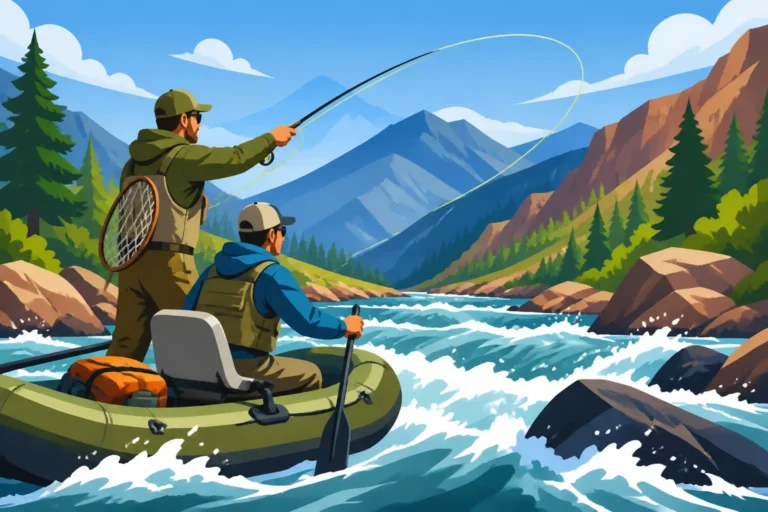
Beyond duration, the type of trip makes a difference. Float Trips vs Walk-Wade Trips With a Colorado Guide is a prime example. A walk-and-wade trip involves the guide meeting you at a specific river access point and hiking in. While physically demanding, it can be more intimate and allows access to smaller, often overlooked stretches of water. Float trips, conversely, utilize a drift boat or raft, allowing you to cover many miles of river in a day. The additional gear, logistics of shuttling vehicles, and specialized boats (which represent a significant investment for the guide) mean float trips almost always command a higher price than a walk-and-wade. Similarly, a specialized lake charter with a large, equipped boat will have a different cost structure than a river trip.
Species and Specialization: Targeting Trophy Fish or Specific Runs
Sometimes, your angling ambitions dictate the cost. If you're dreaming of targeting specific, harder-to-find species or aiming for trophy-sized fish, be prepared for a higher price point. For example, a dedicated trip to chase huge Lake Trout on Blue Mesa Reservoir often requires specialized boats, sonar equipment, and deep-water trolling gear that standard river guides don't carry. Similarly, targeting the famed Kokanee salmon spawning runs in the fall requires specific knowledge of locations and techniques.
Guides specializing in these niche fisheries have invested heavily in the necessary equipment and years of experience to consistently put clients on these sought-after fish. Their expertise is a premium. While a general trout trip is fantastic for most, if your heart is set on a particular challenge – perhaps a Greenback Cutthroat Trout on a high-alpine lake or a massive Northern Pike in a warmwater reservoir – the specialized nature of the trip will be reflected in the price. It's a matter of matching the guide's specialized skill set and gear to your specific fishing goals.
Guide Reputation and Experience
Just like in any profession, experience and reputation play a significant role in pricing. Highly sought-after guides with decades of experience, intimate knowledge of specific waters, and a consistent track record of success will often charge more than newer guides or those still building their reputation. These seasoned pros have usually spent thousands of hours on the water, honing their skills and understanding the nuances of local fisheries, even when conditions are tough.
They’re not just putting you on fish; they're often providing an unparalleled educational experience, sharing insights into entomology, river dynamics, and fish behavior that only comes from years of dedication. When booking through a service like FishingBooker, you can often see reviews and ratings, which can give you a sense of a guide's standing. While every guide starts somewhere, paying a bit more for a truly experienced and reputable guide can dramatically enhance your chances of a successful and memorable day, especially if you're venturing to challenging waters like Cheesman Canyon.
Group Size Considerations
Most Colorado fishing charters price their trips based on one or two anglers. This allows the guide to provide individualized attention, optimize the fishing experience, and manage the logistics effectively. If you're a solo angler, you'll still pay the base rate for one or two people, as the guide is dedicating their entire day to you. Adding a third or fourth person (if the boat or trip type allows) almost always incurs an additional per-person fee.
While the overall cost of the charter increases with more people, the per-person cost often becomes slightly more economical. For instance, a trip for two might cost X, while adding a third might only add Y, making X+Y less than 1.5 times X. It's a balancing act: more anglers can be more fun, but it also means less individual instruction time from the guide. Always clarify the maximum number of anglers per trip and the associated costs when you're making inquiries.
| Trip Type | Typical Duration | Group Size (Standard) | General Cost Implication | What's Often Included | What's Usually Not Included |
|---|---|---|---|---|---|
| Half-Day Walk-Wade | 4-5 hours | 1-2 Anglers | Low to Mid-Range | Guide, basic gear, flies/bait | License, Habitat Stamp, lunch, gratuity |
| Half-Day Lake Charter | 4-5 hours | 1-3 Anglers | Mid-Range | Guide, boat, specialized gear | License, Habitat Stamp, lunch, gratuity |
| Full-Day Walk-Wade | 7-9 hours | 1-2 Anglers | Mid to High-Range | Guide, basic gear, flies/bait, lunch | License, Habitat Stamp, gratuity |
| Full-Day Float Trip | 7-9 hours | 1-2 Anglers | High-Range | Guide, drift boat, specialized gear, lunch | License, Habitat Stamp, gratuity |
| Specialized Trips (e.g., trophy Lake Trout) | Varies | 1-2 Anglers | Highest Range | Guide, highly specialized boat/gear, specific bait | License, Habitat Stamp, lunch, gratuity |
What's Typically Included (and What's Not) in Your Colorado Fishing Charter
Understanding the "starting at" price means knowing what's actually bundled into that figure. Many first-time charter clients assume everything is covered, leading to potential budget surprises. While reputable guides are usually transparent, it's always best to ask for a detailed breakdown.
Gear, Flies, and Bait
Most Colorado fishing charters, especially fly fishing guides, will include all the necessary rods, reels, and tackle. This is fantastic news, particularly for beginners or travelers who don't want to haul their own expensive gear. They'll also provide the appropriate flies or bait for the day's conditions and target species. For a fly fishing trip, this means a custom selection of nymphs, dry flies, and streamers chosen specifically for the river you'll be on and the time of year. For a spin fishing trip, it might be an array of lures, soft plastics, or live bait depending on the target species and local regulations.
However, sometimes there are nuances. If you break or lose a rod or reel, there might be a replacement fee. While flies and bait are usually included, if you have a penchant for losing dozens of flies in a day, an outfitter might have a reasonable limit before additional charges apply. It's rare, but good to know. Some high-end outfits might also offer premium gear upgrades for an extra charge, though this is usually clearly communicated upfront. Always confirm what specific gear is provided and if there are any conditions. You can generally expect your What's Included in a Colorado Guided Fly Fishing Trip to cover the essentials.
Meals and Refreshments
For a full-day charter, it's very common for guides to provide a simple streamside lunch, snacks, and non-alcoholic beverages. This could range from hearty sandwiches and chips to a more gourmet spread, depending on the outfitter and the price point. It's a thoughtful touch that allows you to maximize your time on the water without having to pack your own food or stop somewhere.
However, for half-day trips, lunch is rarely included. You might get a bottle of water or a few snacks, but it's generally expected that you'll have eaten before or will eat after your trip. If you have specific dietary restrictions or preferences, it’s absolutely essential to communicate these to your guide or outfitter well in advance. They're often happy to accommodate if they know what to plan for.
Licenses, Stamps, and Park Fees
Here's where many anglers get caught off guard: fishing licenses and habitat stamps are almost never included in the charter price. You, as the angler, are responsible for purchasing these permits directly from Colorado Parks and Wildlife (CPW) before your trip. This is a non-negotiable requirement for anyone aged 16 and older who plans to fish in Colorado's public waters. Colorado Fishing License Costs Explained will help you understand the different options.
In addition to your fishing license, you'll also need a Colorado's Habitat Stamp, Explained. This mandatory stamp helps fund conservation efforts across the state. Furthermore, if your fishing trip takes you into a Colorado State Park or Rocky Mountain National Park, you might be required to pay an entrance fee or have a park pass, which is also typically not included in your guide's fee. Always double-check with your guide about any additional permits or fees required for the specific waters you'll be fishing. It's best to have your license and any necessary stamps purchased and readily accessible (either physically or digitally on your phone) before you meet your guide.
Gratuity for Your Guide
Another significant cost that is not part of the "starting at" price is gratuity for your guide. Tipping your fishing guide is standard practice in the industry, much like tipping a waiter or hairdresser. Guides work incredibly hard, often starting before dawn, providing expert instruction, handling all the logistics, and ensuring your safety and enjoyment on the water.
The general recommendation for tipping is anywhere from 15% to 25% of the trip's total cost, depending on your satisfaction with their service. A truly exceptional day with great instruction, patient teaching, and memorable moments warrants a higher tip. Even if the fish aren't biting, a good guide will still work tirelessly to make your day enjoyable and educational. Consider this an essential part of the overall cost of your trip. More details can be found in Tipping a Colorado Fishing Guide, What's Standard.
Maximizing Value and Finding the Right Charter for Your Budget
Understanding the components of charter costs empowers you to make informed decisions. It's not just about finding the cheapest option; it's about finding the best value for your desired experience. Here are a few ways to ensure you get the most out of your investment.
Off-Peak Seasons and Weekdays
If your schedule allows for flexibility, consider booking your Colorado fishing charter during the shoulder seasons or on weekdays. Just like ski resorts, popular fishing destinations experience peak demand during summer weekends and major holidays. During these times, guides are often fully booked, and prices reflect that high demand.
By contrast, booking a trip in early spring (think April, before runoff, or as it starts), late fall (October and November, after the main tourist rush but before deep winter), or on a Tuesday or Wednesday can sometimes lead to more availability and potentially better rates. Guides might have more openings, allowing for a more relaxed pace and potentially more one-on-one instruction. You might also find that the fishing itself can be fantastic during these times, with fewer crowds on the water. For example, knowing the Best Season to Book a Guide on the South Platte could save you money and lead to a more peaceful outing.
Researching and Comparing Options
Don't jump at the first "starting at" price you see. Take the time to research different outfitters and guides. Platforms like FishingBooker are excellent resources for this, allowing you to browse various guides in different regions, read customer reviews, and compare their offerings side-by-side. You can often filter by location, trip type, duration, and even target species. This comparison shopping is crucial for understanding the market rate and what different guides are providing for their prices.
When comparing, look beyond just the dollar amount. Consider the guide's experience, the type of water they specialize in, what their past clients say about their teaching style, and how comprehensive their inclusions are. Some guides might have a slightly higher starting price but include premium flies or better lunches, ultimately offering more value. Conversely, a lower price might mean you'll need to bring all your own gear and food. Asking detailed questions upfront will help you make a truly informed decision. For guidance on this, check out Choosing a Colorado Fishing Guide, What to Look For.
The Importance of Clear Communication
The best way to avoid any surprises regarding charter costs is to communicate openly and clearly with your chosen guide or outfitter from the very beginning. When you first reach out, whether by phone or email, be specific about what you're looking for: your desired trip duration, the number of anglers, your experience level (are you a beginner looking for Guided Trips for Beginners in Colorado or an expert seeking a challenge?), and any specific target species or waters.
Don't be shy about asking for a detailed quote that breaks down everything included and explicitly lists any potential additional costs, such as licenses, park fees, or expected gratuity. A reputable guide will appreciate your thoroughness and will be happy to provide all the information you need. This upfront conversation ensures that both you and the guide are on the same page, allowing you to relax and fully enjoy your Colorado fishing adventure without worrying about unexpected expenses. Remember, Hiring a Fishing Guide in Colorado, What to Expect means building a relationship based on clear expectations.
Disclaimer
This article is for general informational purposes only and does not constitute professional advice. Laws, prices and regulations vary by location and change over time. Consult a qualified professional for guidance on your specific situation.