Guided Trips Near Glenwood Springs on the Colorado River
Glenwood Springs, nestled in the heart of the Rocky Mountains, offers an incredibly rich and diverse fishing experience, especially on the legendary Colorado River that flows right through it. Yet, for many visitors, or even long-time residents looking to explore new water, navigating the myriad of access points, ever-changing river conditions, and local techniques can feel like an overwhelming puzzle. This comprehensive guide is here to demystify the process and show you why a guided fishing trip near Glenwood Springs on the Colorado River is often the best way to unlock its secrets and enjoy an unforgettable day on the water.
Why Glenwood Springs is a Prime Fishing Destination
Glenwood Springs isn't just known for its hot springs and mountain adventures; it's a true angler's paradise, offering some of Colorado's most productive and scenic river fishing. The Colorado River, as it carves its way through this region, provides a dynamic environment that supports a healthy and diverse fish population, making it a fantastic choice for both seasoned anglers and those just starting their journey.
The Colorado River's Dynamic Character Near Glenwood
The stretch of the Colorado River near Glenwood Springs is incredibly diverse, offering everything from wide, slow-moving sections to faster riffles and deep pools. This variety in water structure is what makes it such a phenomenal trout fishery. You'll find sections where the river flows placidly, perfect for drifting nymphs or stripping streamers, and then it quickly transitions into faster, rockier water where opportunistic trout lie in wait for an easy meal. The geology of Glenwood Canyon itself plays a huge role, creating dramatic backdrops and unique currents that challenge and reward anglers.
The river here is primarily known for its robust populations of brown trout and rainbow trout. Browns, with their aggressive nature and beautiful spotting, can grow quite large in these nutrient-rich waters. Rainbows, often stocked to supplement the wild populations, provide consistent action and are known for their spirited fights. This section of the Colorado River, while not entirely designated as "Gold Medal Water" in the strictest sense for its full length, certainly offers fishing that rivals the quality found in those prized areas. The sheer volume of fish and the opportunity for trophy-sized specimens are what draw anglers from all over. The river's health and vitality are a testament to ongoing conservation efforts and the abundant insect life that thrives in its currents. Understanding how the different sections fish, from the canyon walls to the more open stretches, is a huge part of the local knowledge a good guide brings to the table.
Beyond Trout: Other Species and Seasonal Opportunities
While trout are undoubtedly the main attraction on the Colorado River near Glenwood Springs, the river's ecosystem supports other interesting species that can add to the fishing experience, especially during certain times of the year or in particular river sections. Don't be surprised if you hook into a mountain whitefish, a native species that, while not as flashy as a trout, puts up a respectable fight and indicates a healthy river environment. These bottom-dwelling fish can be found in similar habitats to trout and often take the same flies or lures.
In some of the wider, slower sections, particularly downstream or in specific backwaters, you might even encounter warmwater species, though they are less common in the immediate Glenwood Springs area. However, the true beauty of fishing this river extends beyond just the catch. The surrounding landscape, whether you're floating through the stunning Glenwood Canyon or wading a quiet bend, offers unparalleled natural beauty. Wildlife sightings, from majestic eagles soaring overhead to deer drinking at the river's edge, are frequent companions to your fishing adventure. Seasonal changes dramatically impact the fishing, too. Spring runoff brings challenging but rewarding high-water fishing, while the clear, crisp days of fall offer some of the best brown trout action. A guide intimately understands these nuances, helping you plan your trip for the best possible success. Colorado Fishing Seasons Month by Month can provide a general overview of what to expect throughout the year, but a local guide will have real-time insights for the Glenwood area.
What to Expect from a Guided Trip Near Glenwood Springs
Deciding on a guided trip can transform your fishing experience from a hopeful cast to a memorable success. Especially on a river as expansive and intricate as the Colorado, a guide isn't just someone who rows a boat; they are your personal instructor, naturalist, and local expert rolled into one. They know the river's secrets, hidden spots, and how to adapt to conditions that can change by the hour.
Walk-Wade vs. Float Trips: Choosing Your Adventure
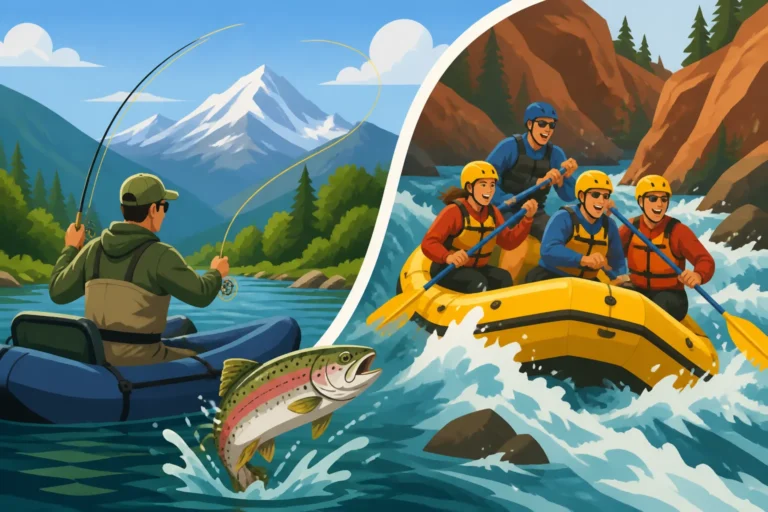
When booking a guided trip on the Colorado River near Glenwood Springs, you'll generally have two primary options: a walk-wade trip or a float trip. Each offers a distinctly different way to experience the river, and the best choice often depends on your skill level, physical ability, and what you hope to get out of the day.
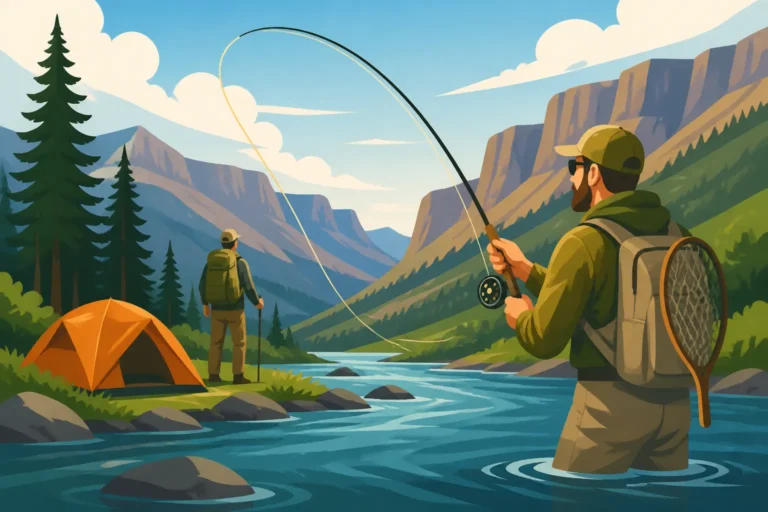
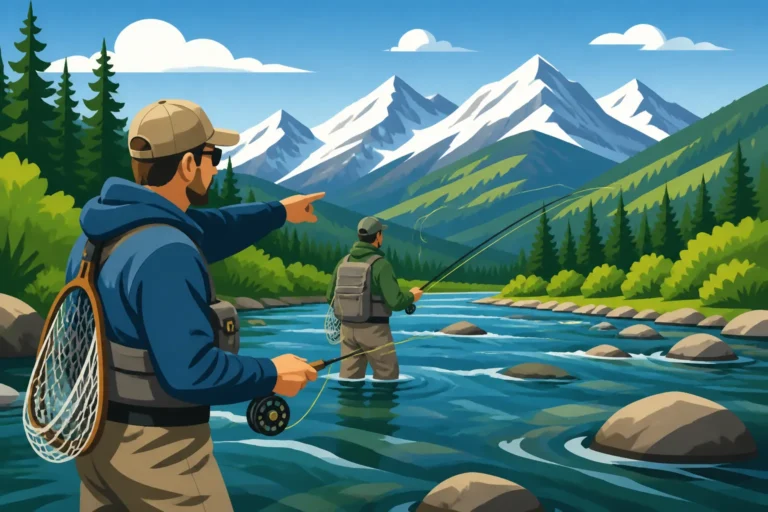
A walk-wade trip means you'll be on foot, typically covering smaller, more accessible sections of the river. Your guide will drive you to prime access points, and you'll spend your time carefully wading into the river or fishing from the bank. This option is fantastic for anglers who want a more intimate experience with the water, focusing on reading currents, precise casting, and targeting specific fish in individual pockets. It's often favored by those who enjoy the solitude of exploring riffles and runs up close. Guides on walk-wade trips excel at teaching river mechanics and casting techniques, making it an excellent choice for beginners looking to improve their skills or for experienced anglers who prefer a hands-on approach to prospecting different water types. The pace is often slower, allowing for more detailed instruction and appreciation of the surroundings. For those who want to really get to grips with the river on a personal level, a walk-wade trip is an incredible opportunity. Guided Walk-Wade Trips on Colorado Rivers can give you even more insight into what these trips entail.
A float trip, on the other hand, involves fishing from a drift boat or raft as your guide expertly navigates you down a significant stretch of the river. This allows you to cover much more water in a day, accessing spots that are impossible to reach on foot. The guide handles the rowing, positioning the boat perfectly for you to cast to prime fish-holding lies along the banks, behind submerged rocks, or in deeper channels. Float trips are fantastic for seeing a broader section of the river, enjoying the stunning scenery of Glenwood Canyon without the exertion of wading, and often provide opportunities for a higher volume of fish encounters simply because you're covering so much diverse water. They're also an excellent option for anglers with limited mobility, or for groups who want to socialize while fishing. While you'll still be actively casting and fighting fish, the guide's role in putting you on the fish and managing the boat is paramount. Whether you prefer the serenity of wading or the expansive views from a boat, a guide can tailor the experience. Guided Float Trips on Colorado Rivers delves deeper into the world of float trips.
Gear, Flies, and Invaluable Local Knowledge
One of the biggest advantages of a guided trip is that most of the essential gear is provided. This is a huge relief, especially if you're traveling or just getting into fishing and don't own a full setup. A good guide will come equipped with high-quality rods, reels, waders, boots, and, crucially, a carefully curated selection of flies or lures that are proven to work on that specific stretch of the Colorado River at that particular time. They're not just guessing; they're constantly on the water, seeing what hatches are occurring, what the fish are feeding on, and what presentations are most effective.
This local knowledge is truly invaluable. The Colorado River is a living, breathing entity, constantly changing with the seasons, weather, and water levels. What worked last week might not work today. A guide can tell you which nymph patterns are imitating the current subsurface activity, or if a dry fly hatch is likely to pop off in the afternoon. They understand subtle nuances like where trout hold during high water versus low, clear conditions, or how water temperature influences fish behavior. Beyond just the "what to use," they'll also teach you the "how to use it"—demonstrating proper casting techniques for river conditions, how to mend your line, and how to set the hook effectively. This expert insight prevents frustrating hours of trial and error and significantly increases your chances of success. They often carry a variety of gear specific to different conditions or species, ensuring you're always prepared.
Tailoring the Experience: From Beginners to Experts
A common misconception is that guided trips are only for beginners who need a lot of instruction. While guides are fantastic teachers for novices, they also provide immense value to experienced anglers. The beauty of a good guide is their ability to tailor the day to your specific goals and skill level.
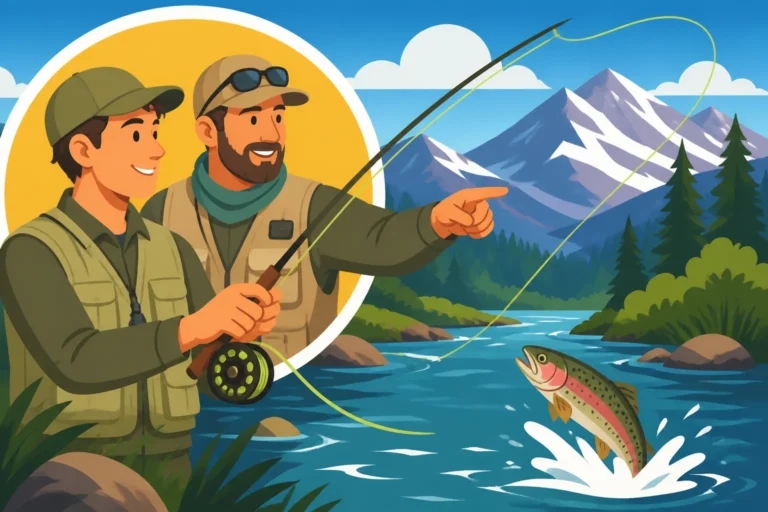
For beginners, a guide acts as a patient mentor. They'll cover everything from how to hold a rod and make your first casts, to understanding basic river etiquette and safe wading practices. They'll simplify complex concepts and celebrate every small victory, making the learning process fun and unintimidating. Imagine trying to learn how to nymph or cast a fly rod by yourself on a powerful river like the Colorado—it can be incredibly frustrating. A guide provides immediate feedback and hands-on adjustments, accelerating your learning curve dramatically.
For experienced anglers, a guide can help elevate your game. Perhaps you want to learn advanced techniques like Euro nymphing, refine your dry fly presentation in tricky currents, or specifically target a trophy brown trout with streamers. A guide can focus on these specialized skills, taking you to spots known for larger fish or challenging situations. They'll push you to improve, offer new perspectives, and share their intimate understanding of the river's most productive lies. Even if you've fished the Colorado River before, a guide can reveal hidden gems, offer tactical adjustments for specific conditions, or help you break through plateaus in your angling journey. Whether your goal is to catch your first fish, land a personal best, or simply enjoy a relaxing day exploring new water, a guide will strive to make it happen.
| Trip Type | Ideal For | Key Advantages | Considerations |
|---|---|---|---|
| Walk-Wade | Beginners, skill refinement, intimate experience, physical activity | Close-up river interaction, detailed instruction, focused casting | Covers less water, more physically demanding |
| Float Trip | Covering distance, scenic views, groups, less physical exertion | Access to more water, diverse fishing spots, relaxing | Less hands-on instruction (unless requested), less intimate with specific spots |
Finding and Booking Your Glenwood Springs Fishing Guide
So, you're convinced a guided trip is the way to go. Fantastic! Now comes the practical part: finding the right guide and making sure your trip goes smoothly. It’s more than just picking a name off a list; it’s about finding a personality and expertise that aligns with your fishing goals.
Researching Outfitters and Reputable Guides
The first step is always research. Start by looking for local fly shops and guide services based in or around Glenwood Springs. These local businesses are often deeply embedded in the community and have a strong reputation to uphold. Websites like FishingBooker are excellent resources, as they aggregate listings from various guides and outfitters, often including customer reviews and photos. Reading these reviews can give you a real sense of a guide's personality, their teaching style, and their success rates. Look for comments that mention patience, knowledge, and an enjoyable overall experience, not just big fish counts.
You'll also want to confirm that any guide you consider is properly licensed and insured. In Colorado, professional fishing guides and outfitters are required to hold specific permits and often undergo training to ensure safety and adherence to regulations. Don't be shy about asking for these credentials. A reputable outfitter will be happy to provide them. Pay attention to how long an outfitter has been operating in the area. Longevity often correlates with a deep understanding of the local waters and a commitment to customer satisfaction. Sometimes, personal recommendations from fellow anglers or even local hotel staff can point you towards a fantastic guide who might not be as heavily advertised online.
Planning and Preparation for Your Trip
Once you've narrowed down your choices, it's time to connect with the guide or outfitter and discuss the specifics of your trip. Don't be afraid to ask plenty of questions! Here's a list of things you might want to clarify:
- Availability: When are they available, and does it align with your travel plans?
- Target Species/Techniques: Are you hoping to specifically fly fish for trout, or are you open to spin fishing for other species? Do you want to learn a specific technique?
- Inclusions: What exactly is included in the price? Rods, reels, waders, boots, flies, leader, tippet, lunch, non-alcoholic beverages? It's good to know exactly what you're getting and what you might need to bring.
- What to Bring: Even if gear is provided, there are still essentials you'll need. Sunscreen, sunglasses (polarized are a must for spotting fish!), a hat, layers of clothing (the weather in Colorado can change rapidly), and any personal snacks or medications. What to Wear on a Colorado Guided Fishing Trip can offer detailed advice on layering for comfort.
- Fishing License: You absolutely will need a valid Colorado fishing license and a Habitat Stamp, even on a guided trip. Guides often cannot provide these directly, so it's your responsibility to purchase them beforehand. Many outfitters can direct you to an online portal or local vendors where you can acquire them quickly. Colorado Fishing License Guide for Residents and Nonresidents and Do You Need a Habitat Stamp to Fish in Colorado? are excellent resources for understanding these requirements.
- Meeting Point and Time: Clarify where and when you'll meet the morning of your trip. Will it be at their shop, a specific river access point, or your lodging?
- Cancellation Policy: Understand their policy regarding cancellations due to weather or unforeseen circumstances. This is critical, especially when planning a trip in an area where weather can be unpredictable.
The more clarity you have upfront, the more smoothly your trip will go, allowing you to relax and focus on the fishing.
Understanding Costs and Tipping Etiquette
Guided fishing trips, especially in prime locations like the Colorado River, represent an investment in an experience, not just a day of fishing. Costs can vary significantly based on the duration (half-day vs. full-day), the number of anglers, and whether it's a walk-wade or float trip. Generally, a full-day float trip for one or two anglers will be at the higher end, while a half-day walk-wade trip might be more budget-friendly. Remember, you're not just paying for a boat or gear; you're paying for years of experience, expertise, and a personalized teaching moment. You can often find pricing structures on outfitter websites or through platforms like FishingBooker, which typically lists per-trip or per-person rates.
It's also crucial to factor in tipping your guide. This is customary in the outdoor guiding industry and is a significant part of a guide's income. A general rule of thumb is to tip between 15-25% of the trip's total cost, depending on how satisfied you were with the experience. If your guide went above and beyond, provided excellent instruction, worked hard to find fish, and generally made your day enjoyable, a more generous tip is always appreciated. Many anglers consider the tip based on the guide's effort and demeanor, rather than just the number of fish caught, as fishing success can be variable. Be prepared to pay this in cash at the end of your trip. Tipping a Colorado Fishing Guide, What's Standard provides a more detailed breakdown of what's considered appropriate.
A guided trip near Glenwood Springs on the Colorado River offers an unparalleled opportunity to explore one of Colorado's premier fisheries with the insights of a local expert. Whether you're a beginner seeking fundamental skills or a seasoned angler looking to unlock new water, a guide can enhance your experience, teach you new tricks, and help you create lasting memories on these beautiful Rocky Mountain waters. Just be sure to do your homework, communicate your expectations, and show appreciation for their hard work, and you're sure to have a fantastic time.
Disclaimer
This article is for general informational purposes only and does not constitute professional advice. Laws, prices and regulations vary by location and change over time. Consult a qualified professional for guidance on your specific situation.