Can You Use Bait in Colorado’s Gold Medal Waters?
It's incredibly frustrating when you're gearing up for a fantastic fishing trip to one of Colorado's renowned Gold Medal Waters, only to find yourself utterly confused about what kind of tackle you're actually allowed to use. Many anglers assume that if a bait works in one river, it'll work in another, but Colorado's most pristine trout streams have very specific rules. This guide will cut through the uncertainty, directly addressing whether traditional bait is permitted in these special areas and explaining exactly what you need to know to stay compliant and catch fish legally.
The Gold Standard: What Defines Colorado's Gold Medal Waters?
Let's start by understanding why these particular stretches of river and lake are held to such a high standard. Colorado's Gold Medal Waters are a designation by Colorado Parks and Wildlife (CPW) that marks certain segments of rivers and specific lakes as having exceptional trout habitat, supporting large populations of trophy-sized trout. We're talking about waters that can consistently produce at least 60 pounds of trout per acre, with at least twelve 14-inch or larger trout per acre. This isn't just any fishing hole; it's the cream of the crop, and they're managed very carefully to maintain that status.
Criteria for Designation
The criteria for earning a "Gold Medal" stamp are incredibly strict, which is why these waters are so special and, frankly, why the rules around them are so rigorous. It’s not just about having a lot of fish; it’s about having a healthy, self-sustaining ecosystem that allows trout to grow large and thrive. This usually means excellent water quality, abundant insect life, and minimal environmental disturbance. Many of these areas are also home to native trout species, like the Greenback Cutthroat, making conservation efforts even more critical. Think of places like a stretch of the South Platte River or a section of the Fryingpan River, which are celebrated for their incredible fishing opportunities precisely because they meet these demanding standards.
Why They're So Prized
Anglers from all over the world flock to Colorado's Gold Medal Waters because they offer an unparalleled chance to catch truly magnificent trout. These aren't your average stocked hatchery fish; many are wild, wary, and require skill and precision to land. The designation ensures that these fisheries remain top-tier, providing memorable experiences for generations to come. This careful management includes everything from stream enhancements to very specific fishing regulations, all designed to protect the fish and their habitat. It’s a balance between public access and environmental stewardship, and frankly, the rules are a big part of keeping that balance. If you're wondering about the full scope of these areas, a deeper dive into Colorado Gold Medal Water Regulations Explained can really help paint the picture.
The Definitive Answer: Bait is Barred in Gold Medal Waters
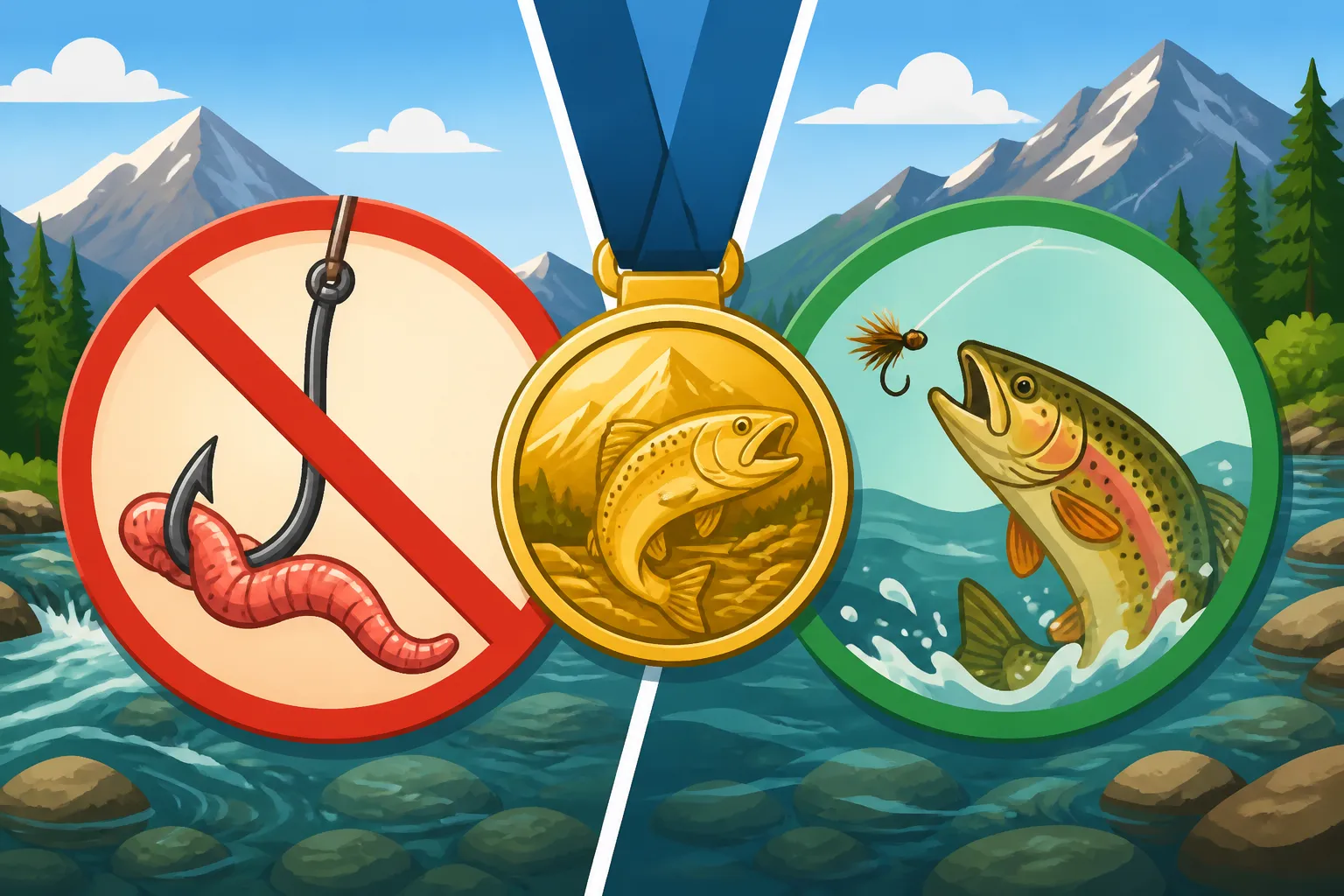
Now, let's get right to it. The short, straightforward answer to whether you can use bait in Colorado's Gold Medal Waters is a resounding NO. With very, very rare exceptions tied to specific, temporary circumstances or extremely localized rules that you'd need to verify with CPW directly, these waters are strictly "artificial flies and lures only." This rule is a cornerstone of how these incredible fisheries are managed, and understanding it is paramount for any angler hoping to wet a line there.
Understanding "Artificial Flies and Lures Only"
This specific regulation means exactly what it says: your tackle must be entirely synthetic or composed of natural materials that have been artificially created or processed and do not include any organic scent or flavor that would attract fish as food. This generally means flies tied from feathers, fur, and synthetic materials, or hard and soft plastic lures, spinners, and spoons. The intent behind this rule is multi-faceted. Primarily, it's designed to promote catch-and-release practices, as fish are much more likely to swallow bait deeply, leading to higher mortality rates. Artificial presentations, when used correctly, tend to hook fish in the mouth, allowing for a safer release.
When you're out there, a game warden isn't going to care if you thought your special scented plastic worm was an "artificial lure." If it smells like food or is designed to be eaten rather than reacted to, it's considered bait. It’s a tough lesson to learn on the water, but it's crucial. For those accustomed to bait fishing, this can feel like a significant hurdle, but it's an opportunity to learn new and incredibly rewarding techniques.
What Constitutes "Bait" in Colorado Regulations?
To clarify, let's list some common items that are absolutely forbidden as bait in Gold Medal Waters. If it’s something a fish could eat and digest as food, it’s out. This includes:
- Live bait: Worms (nightcrawlers, red wigglers), minnows, crayfish, grasshoppers, crickets, grubs, and any other living organism.
- Prepared baits: PowerBait, Gulp! products, dough balls, cheese, corn, marshmallows, and any other commercially prepared or homemade food-based attractants.
- Scented attractants: While some artificial lures come with a scent, adding external scents, dips, or sprays designed to make your lure smell like food is generally prohibited if the intent is to simulate natural food sources for consumption. The spirit of "artificial" means it's the action or appearance of the lure that attracts the fish, not its edible quality.
The rule exists to protect the fish and ensure their survival post-release. Trout that ingest bait deeply often suffer internal injuries, making their chances of survival slim. By requiring artificial flies and lures, the regulations encourage methods that typically result in a hook-up in the lip or jaw, making it much easier and safer for the angler to release the fish unharmed. This is particularly important for the larger, wild trout that define these Gold Medal fisheries.
Deep Dive into Approved Tackle: Flies and Lures
So, if bait is out, what can you use? The answer is a world of exciting possibilities: artificial flies and artificial lures. This is where the artistry and skill of angling really come into play. These methods challenge you to understand trout behavior, entomology (insect science), and hydrodynamics, offering an incredibly rewarding experience when you crack the code.
The Art of Fly Fishing Tackle
Fly fishing is often the first thing that comes to mind when you think of Gold Medal Waters, and for good reason. It’s a highly effective and traditional method on these rivers. Your flies are designed to imitate the aquatic and terrestrial insects that make up a trout's natural diet. They're typically made of feathers, fur, and synthetic threads tied onto a hook.
- Dry Flies: These imitate insects that land on or emerge from the water's surface, like mayflies, caddisflies, stoneflies, and grasshoppers. They float and are fished on top of the water, making for incredibly visual and exciting takes. Learning to identify the current hatch and "matching the hatch" with the right dry fly is a pinnacle of fly fishing. For example, in late summer, a well-placed foam hopper can bring an explosive strike from a large brown trout. You can find vast selections of these on Amazon.
- Nymphs: These are designed to imitate the larval or immature stages of aquatic insects that live on the river bottom. Most of a trout's diet consists of nymphs, making them incredibly effective year-round. They are fished subsurface, often under an indicator, mimicking the natural drift of a dislodged insect. Mastering Nymphing Techniques for Colorado Tailwaters can significantly boost your success.
- Streamers: These are larger flies designed to imitate baitfish, leeches, or even larger insects. They are fished actively, stripped through the water to mimic a swimming prey item, often enticing aggressive strikes from bigger, predatory trout.
- Emergers: These flies imitate insects struggling to break through the water's surface, a vulnerable stage that trout often key in on. They are fished just below or in the surface film.
A good fly rod and reel, appropriate fly line, and a variety of these patterns are essential. You might be surprised at the array of flies available, often organized by the insects they mimic. If you're just getting started, a knowledgeable fly shop can guide you, or you can explore kits available on Amazon.
Effective Artificial Lures for Gold Medal Trout
For those who prefer spin fishing, there's a wide array of artificial lures that are perfectly legal and highly effective in Gold Medal Waters. The key is that these lures attract fish through their action, vibration, or visual appeal, not through scent or taste as a food source.
- Spinners: These lures feature a metal blade that rotates when retrieved, creating flash and vibration that imitate a fleeing baitfish or insect. Popular brands like Panther Martin or Mepps often produce great results.
- Spoons: Designed to wobble and flash like an injured baitfish, spoons are highly effective, especially in larger pools or lake-like sections of Gold Medal Rivers. Kastmaster or Dardevle spoons are classic choices.
- Jigs: Consisting of a weighted head and a hook, jigs are typically adorned with soft plastic bodies, feathers, or bucktail. They can be worked along the bottom, bounced, or retrieved steadily to imitate various aquatic life. Micro jigs with small plastic grub bodies can be deadly for selective trout.
- Hard Baits (Crankbaits/Jerkbaits): Small, slender hard baits, often resembling minnows, are also acceptable if they are purely artificial and do not contain any scent or taste attractants. Rapala and other similar brands offer many models that fit this description.
When selecting lures, remember to look for single, barbless hooks or be prepared to pinch down the barbs on any treble hooks. Many anglers choose to swap out factory treble hooks for single, barbless hooks to comply with common Gold Medal Water regulations and ensure easier, safer releases. This is also where you'll find a ton of options on Amazon. You'll want to refine your Spin Fishing Techniques for Colorado Trout to make the most of these waters.
Here’s a quick reference table to summarize the tackle types:
| Tackle Type | Permitted in Gold Medal Waters | Typical Purpose & Characteristics |
|---|---|---|
| Live Bait (Worms, Minnows) | No | Organic food source, typically swallowed deeply, high mortality. |
| Scented/Prepared Baits | No | Organic food source, designed to be eaten, high mortality. |
| Artificial Flies | Yes | Imitate insects (dry, nymph, streamer), fished with fly rod. |
| Artificial Lures | Yes | Imitate baitfish/insects (spinners, spoons, jigs), fished with spin gear. |
| Organic Attractants | No | Any substance that fish can consume as food or detect via scent. |
| Single, Barbless Hooks | Required/Highly Recommended | Minimizes harm to fish, facilitates easy release. |
Beyond the Tackle: Other Key Gold Medal Water Regulations
It’s not just about what you tie onto your line. Gold Medal Waters often come with a suite of other regulations designed to protect these sensitive ecosystems and maintain their high quality. Understanding these additional rules is just as important as knowing your tackle restrictions. Ignoring them can still lead to penalties and, more importantly, can harm the very fish you're trying to catch.
The Importance of Barbless Hooks
Many Gold Medal Waters, though not all, explicitly require the use of barbless hooks. Even where not explicitly stated, using them is a strong recommendation and a sign of good angling ethics. A barbed hook, even a small one, creates a larger wound when removed, increasing stress and potential injury to the fish. A barbless hook, on the other hand, slides out easily and cleanly, minimizing damage. If your hook has a barb, simply pinch it down with a pair of pliers. It's a small effort that makes a huge difference in fish survival. You can learn more about Barbless Hook Rules on Colorado Rivers if you want to be fully prepared. This also applies to the trebles on many lures; it's often best to replace them with barbless singles.
Understanding Catch-and-Release Rules
While not universally mandated across all Gold Medal Waters, catch-and-release is a common practice and often a necessary one to sustain the populations of large, wild trout. Some Gold Medal sections will have specific harvest limits – perhaps allowing one fish of a certain size, or none at all for certain species like native cutthroats. Always assume a strong emphasis on catch-and-release, handle fish with wet hands, keep them in the water as much as possible, and revive them gently before letting them swim off. This ensures that these magnificent fish are there for others to enjoy, and more importantly, for the health of the ecosystem. It's especially crucial for native populations, as highlighted in Catch-and-Release Rules on Colorado's Cutthroat Waters.
How to Confirm Regulations for Your Chosen Spot
This is perhaps the most critical piece of advice: always check the specific regulations for the particular stretch of Gold Medal Water you plan to fish. Colorado's regulations can vary from one river section to another, even within the same body of water. What's allowed on the upper reaches of a river might be prohibited downstream.
The best way to do this is by consulting the official Colorado Parks and Wildlife (CPW) Fishing Brochure. This comprehensive guide is updated annually and contains detailed information on specific waters, species limits, and tackle restrictions. You can find it online at the CPW website, pick up a physical copy at any license agent, or download the PDF to your phone. Pay close attention to the special regulations sections that specifically address Gold Medal Waters or particular river segments. The section on Reading Colorado's Fishing Regulations Brochure can guide you through this process. Don't rely on word-of-mouth or outdated information; the rules are there to protect the resource, and it's your responsibility as an angler to know them. For general knowledge, it's also worth checking out Colorado Fishing Regulations Every Angler Should Know.
Navigating the Penalties: Why Compliance Matters
It's easy to think that bending the rules slightly won't hurt, but when it comes to Colorado's Gold Medal Waters, non-compliance carries significant consequences. These aren't just arbitrary rules; they are carefully crafted by fisheries biologists to protect incredibly valuable and often fragile ecosystems. Ignoring them not only puts you at risk legally but also undermines the health and integrity of these premier fishing destinations.
Fines and Legal Repercussions
Fishing with bait in Gold Medal Waters, or violating any other specific regulation like bag limits or hook types, can lead to serious legal repercussions. A Colorado Parks and Wildlife officer, commonly known as a game warden, is empowered to issue citations carrying substantial fines. These fines can range from hundreds to thousands of dollars, depending on the severity of the offense and whether it's a repeat violation. Beyond financial penalties, you could face the suspension or revocation of your Colorado fishing license, meaning you wouldn't be able to fish legally in the state for a period. In some cases, your fishing gear, including rods, reels, and even your boat, could be confiscated. It's a stark reminder that these regulations are taken very seriously, and ignorance is not considered a valid excuse. Understanding the basics, like whether you need a Colorado Fishing License Guide for Residents and Nonresidents, is your first step to legal angling.
Ethical Angling and Conservation
Beyond the legal penalties, there's an ethical responsibility that comes with fishing in Gold Medal Waters. These areas are showcases of Colorado's natural beauty and conservation success. The regulations are in place to ensure that the large, healthy trout populations continue to thrive, providing enjoyment for future generations of anglers. Using bait, which is often ingested deeply, significantly increases the mortality rate of released fish. Each fish that dies due to improper handling or illegal tackle is a loss to the overall health and quality of the fishery.
Being a responsible angler means understanding and respecting these rules. It means educating yourself, using appropriate tackle, practicing safe catch-and-release techniques, and being a steward of the environment. The joy of catching a trophy trout in a Gold Medal Water is amplified by the knowledge that you're participating in a sustainable sport, contributing to the conservation of a truly special natural resource. When we all adhere to these guidelines, we ensure that Colorado's Gold Medal Waters remain golden for everyone. For context on broader regulations, you might also be interested in Colorado Fishing Season Dates and Bag Limits.
Disclaimer
The information provided in this guide is for general informational purposes only and is subject to change. It is always the responsibility of the individual angler to consult the most current Colorado Parks and Wildlife (CPW) fishing regulations brochure or website for specific rules pertaining to the waters they intend to fish. Regulations can vary significantly by location and species.