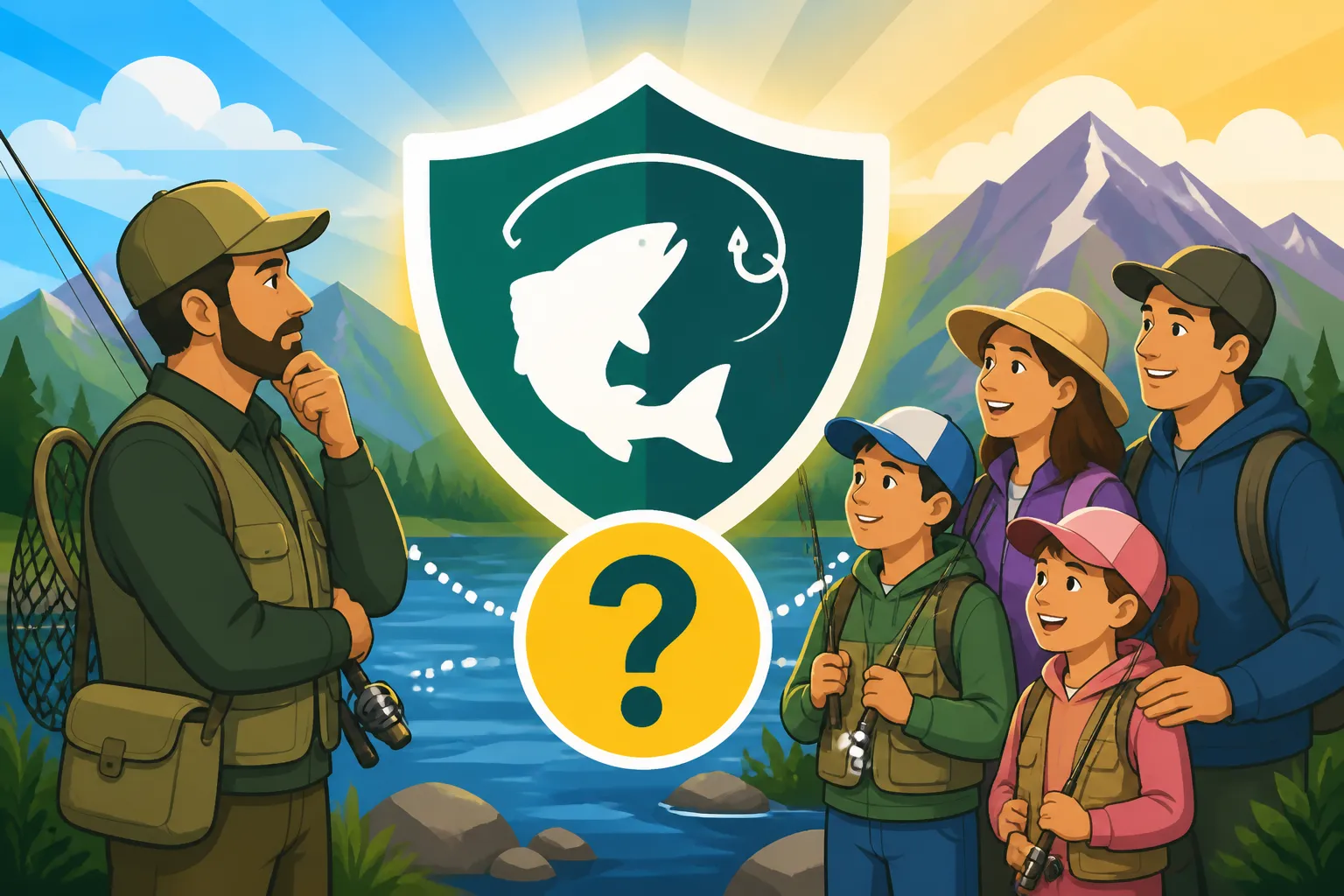
Can One License Cover a Whole Colorado Family?
It's a common, understandable question when you're planning a family fishing trip to Colorado: can one fishing license just cover everyone? You're trying to keep things simple, save a few bucks, and make sure everyone gets to enjoy the beautiful waters. This guide will dive deep into Colorado Parks and Wildlife (CPW) regulations to clarify exactly who needs a license, ensuring your family outing is compliant, fun, and hassle-free.
Understanding Colorado's Individual Licensing System
When you dream of casting lines in Colorado's pristine rivers and serene lakes, it’s easy to overlook the nitty-gritty details of regulations. One of the most common misconceptions we hear from families, especially those visiting from out of state or new to fishing, is about sharing a single license. Unfortunately, the idea of one license covering an entire family, like a family pass to an amusement park, doesn't quite apply to fishing in Colorado.
Why Each Angler Needs Their Own License
The bedrock principle of Colorado fishing regulations is that fishing licenses are issued on an individual basis. This means that with very few exceptions based on age, every single person actively participating in fishing must possess their own valid license. It’s not about how many fish you catch, or how many lines are in the water, but about the act of fishing itself.
Think of it this way: each license represents an individual's contribution to the conservation and management of Colorado's incredible aquatic resources. The funds generated from license sales, along with the required Habitat Stamp, directly support critical programs like fish stocking, habitat restoration, scientific research, and enforcement by wildlife officers. If one license covered multiple adults, the financial support for these vital initiatives would be significantly diminished. So, while it might seem like a small detail when you're just trying to enjoy a peaceful afternoon by the Animas River or a tranquil morning on Blue Mesa Reservoir, it's actually a fundamental component of keeping Colorado's fisheries healthy and abundant for generations to come. It’s about everyone pulling their weight, even if it’s just a small fee.
Age Requirements for Colorado Fishing Licenses
Navigating the age requirements for fishing licenses in Colorado can feel a bit like deciphering a complex code, especially when you have a multi-generational group heading out. But it's actually quite straightforward once you break it down, and understanding these age brackets is key to ensuring everyone in your family is covered.
For most adults between the ages of 18 and 64, a fishing license is an absolute must. This applies whether you're a Colorado resident or a nonresident enjoying our fantastic waters for a vacation. This age range represents the core group that contributes financially to the state's conservation efforts. If you're planning a trip with friends or your adult children, remember that each person in this age group will need to purchase their own license.
Colorado offers special considerations for youth and seniors, which is a great way to encourage participation across all age groups. Kids who are 15 years old and under are truly lucky – they do not need a fishing license to cast a line in Colorado waters! This is fantastic for introducing young ones to the joy of fishing without any bureaucratic hurdles. Imagine taking your little ones to one of the urban fishing ponds in Denver; they can fish to their heart's content, and you only need to worry about your own license. However, if a child turns 16 during the license year, they will then need to purchase a license.
Speaking of teenagers, those aged 16 and 17 do require a license, but it comes at a reduced cost compared to adult licenses. This is a thoughtful policy that acknowledges their growing independence in the sport while making it more affordable for families. We’ll delve more into the specifics of what a Colorado Youth Fishing License Cost for Ages 16 and 17 entails later on. Finally, Colorado also provides discounts and even exemptions for seniors and veterans, a well-deserved thank you for their contributions.
Specific Scenarios for Family Fishing
Let's get down to the real-world scenarios you're likely to encounter when planning a family fishing trip. Understanding these specifics will help you confidently prepare, whether it's a quick afternoon outing or a week-long adventure.
Adults Fishing Together
When you're heading out with other adults – whether it's your spouse, adult children, or friends – the rule is clear: every single person aged 18 to 64 actively fishing needs their own valid license. There's no "family bundle" or "group pass" that covers multiple adults under a single license. If you and your spouse are both holding a rod and reeling in fish, you each need a license. It’s a simple but often overlooked detail that can lead to an uncomfortable interaction with a wildlife officer if not followed.
This individual licensing ensures that each angler contributes to the management of Colorado's fisheries, regardless of their relationship to others in the group. For example, if you're a Colorado resident planning a weekend trip to Eleven Mile Reservoir with your visiting brother-in-law, you'd need a resident license and he'd need a nonresident license. You can read more about the differences in a guide on Resident vs Nonresident Fishing Licenses in Colorado. This also applies to the type of license you choose; whether you opt for an annual license, a one-day, or a five-day option, each individual needs to secure their own. Exploring Colorado's Annual, One-Day and Five-Day License Options can help you decide which duration is best for each member of your party based on your trip length.
Fishing with Kids Under 16
This is where family fishing gets a little easier on the wallet and a lot more accessible for the youngest anglers! In Colorado, children who are 15 years old and under do not need a fishing license. This is a fantastic policy that encourages families to get out and enjoy the sport together without any financial barriers for the kids. Imagine the excitement of your little one reeling in their first rainbow trout in a small mountain stream or a feisty bluegill from an urban pond, all without you having to worry about an extra license fee for them.
However, there’s an important caveat: while the kids don’t need a license, any accompanying adult (aged 18-64) who is actively fishing does need a license. Furthermore, if you, as the adult, are assisting the child by casting for them, baiting their hook, or handling the rod in any way that constitutes "fishing," you need to have your own license. Essentially, you're the licensed supervisor, even if your primary role is just untangling lines and baiting hooks for enthusiastic youngsters. This structure helps instill a love for the outdoors in children from a young age, while still ensuring adult responsibility and conservation efforts are maintained.
Teenagers (16 & 17) and Their Licenses
The jump from being a license-exempt kid to a license-required teenager can sometimes catch families by surprise. Once a child turns 16, they are officially considered old enough to need their own fishing license in Colorado. This rule applies until they turn 18, at which point they transition to needing a full adult license (unless they qualify for a senior or veteran discount later in life).
The good news is that Colorado Parks and Wildlife offers a specific youth fishing license for those aged 16 and 17. These licenses are significantly less expensive than the standard adult annual license, making it more affordable for families to keep their teens engaged in fishing. It’s a great way for CPW to recognize that teenagers are often just starting to develop their passion for the sport and might not have the same disposable income as older adults. You can find more detailed information on the specific costs in our guide on Colorado Youth Fishing License Cost for Ages 16 and 17. Ensuring your teen has their own license not only keeps them legal but also teaches them personal responsibility for following regulations and contributing to conservation, which are valuable lessons beyond just catching fish.
Grandparents, Seniors, and Veterans
Colorado truly values its senior citizens and military veterans, and this appreciation extends to its fishing license policies. For these groups, there are often reduced fees or even exemptions, which can be a huge help when planning family outings that include multiple generations.
For Colorado residents aged 65 and older, a fishing license is available at a significantly reduced price. This makes it much easier for grandparents to join in the fun, whether they're teaching the grandkids to cast a line or simply enjoying a peaceful day by the water. These senior licenses are a wonderful benefit, acknowledging a lifetime of contributions and making the outdoors more accessible. You can learn more about these specific advantages in our comprehensive guide on Colorado Fishing Licenses for Seniors and Veterans.
Veterans, particularly those with certain disabilities, may qualify for even greater benefits, including free lifetime fishing and small game licenses. This is a profound way to honor their service and sacrifice. Eligibility for these special licenses requires specific documentation, such as proof of residency and documentation of service-connected disability from the Department of Veterans Affairs. We delve into these qualifications and the application process in our detailed resource, Veteran Fishing License Benefits in Colorado. It's truly a fantastic program that allows those who've served our country to enjoy Colorado's natural beauty without financial burden. These special licenses are, of course, individual and cannot be shared.
The Habitat Stamp and Other Considerations
Beyond the basic fishing license, Colorado has a few other stamps and regulations that often pop up when families are planning their angling adventures. Understanding these will prevent any surprises when you're purchasing licenses or out on the water.
The Colorado Habitat Stamp for Families
The Colorado Habitat Stamp is a really important piece of the conservation puzzle in our state. It's an additional stamp that's often required when you purchase a hunting or fishing license, and the funds it generates go directly towards protecting and improving wildlife habitat across Colorado. This means better places for fish to thrive, more wildlife to see, and healthier ecosystems for everyone to enjoy.
For families, it's crucial to understand who needs to purchase this stamp. Generally, any resident or nonresident angler between the ages of 18 and 64 who buys a hunting or fishing license will also need to buy a Habitat Stamp. This applies to each individual within that age range. So, if both parents are between 18 and 64, they will each need their own fishing license and their own Habitat Stamp. However, just like with the fishing license itself, there are some exceptions. Children 15 years old and under are exempt from needing a Habitat Stamp, which is another great perk for getting young anglers involved. Additionally, Colorado residents who are 65 years or older, as well as those with qualifying lifetime licenses (such as the resident lifetime fishing license for persons with disabilities or qualifying veteran licenses), are also exempt from purchasing the Habitat Stamp. We have an in-depth guide that covers Do You Need a Habitat Stamp to Fish in Colorado? which can provide even more clarity.
The Second-Rod Stamp
Have you ever wished you could cast out two lines at once? Maybe one for bait fishing and another for a lure, just to increase your chances? Colorado allows for this, but with a specific requirement: the Second-Rod Stamp. This stamp permits an angler to use a second fishing rod, line, or tip-up simultaneously.
It's absolutely critical to understand that the Second-Rod Stamp is an individual privilege, not a family one. It is purchased by and applies only to the single angler who possesses it. One person cannot buy a Second-Rod Stamp and then allow multiple family members to use two rods each. For instance, if you and your spouse each want to fish with two rods, you would each need to purchase your own fishing license AND your own Second-Rod Stamp. This stamp is an additional endorsement on an individual's license and cannot be transferred or shared. It’s also important to note that the Second-Rod Stamp is only valid on specific waters; it doesn’t apply to all waters in Colorado. For instance, Gold Medal Waters often have stricter regulations about the number of rods, and some waters restrict bait usage. Make sure to check the current regulations brochure for specific water restrictions. For a deeper dive into this, check out Colorado's Second-Rod Stamp and Who Needs One.
Where to Buy Licenses for the Whole Family
Once you've figured out who needs what, the next step is actually purchasing those licenses. Thankfully, Colorado Parks and Wildlife has made the process pretty convenient, offering several avenues to get your family squared away.
The easiest and often preferred method for many is to buy licenses online. The CPW website, specifically CPWShop.com, is a user-friendly portal where you can purchase licenses for yourself and other family members. You'll need to create an account, or log into an existing one, and then you can add licenses for each individual based on their age and residency status. This method is great because you can do it from the comfort of your home, print out your licenses (though a digital copy on your phone is usually accepted), and be ready to go before you even hit the road. Our guide on Buying a Colorado Fishing License Online at CPWShop.com provides a step-by-step walkthrough.
If you prefer a more traditional approach or need to ask questions in person, you can purchase licenses from various authorized sales agents across the state. These include many sporting goods stores like Bass Pro Shops or Cabela's, as well as some Walmart locations, local outdoor retailers, and even some small-town convenience stores. Look for the "CPW License Agent" sign. Buying in person can be helpful if you have specific questions or want to ensure you're getting exactly the right type of license for each family member. And for those times when you're already on the road and realize you forgot a license, a quick stop at one of these locations can save the day. For a general overview, our article on How to Buy a Colorado Fishing License covers all the options.
Finally, you can also purchase licenses by phone. This is a good option if you’re having trouble with the online system or prefer speaking to a representative. Just be prepared with all the necessary information for each family member, including their full name, date of birth, and residency details.
Penalties and Responsible Angling for Families
Fishing in Colorado is an incredible experience, but it comes with the responsibility of adhering to regulations. For families, understanding the consequences of not following these rules is just as important as knowing where the fish are biting.
Consequences of Fishing Without a License
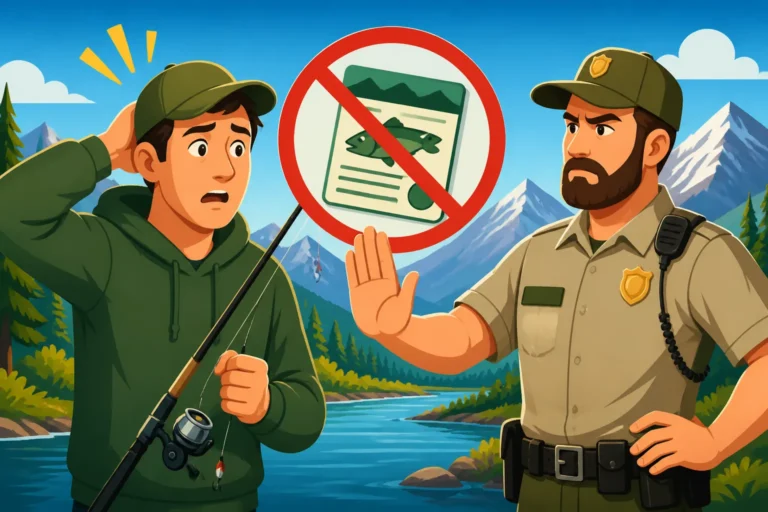
It can be tempting to just "wing it" or assume one license is fine, especially if you're just dipping a toe into fishing. However, fishing without the proper license for each individual angler can lead to significant headaches and penalties that far outweigh the cost of a license. Colorado Parks and Wildlife officers are out on the water to ensure compliance, and they do check licenses.
If you or a family member over the age of 15 is caught fishing without a valid license, you could be facing fines, and potentially even the confiscation of your fishing gear. The penalties vary depending on the specific violation and whether it's a first offense, but they can range from several hundred dollars to more, not including court costs. Imagine trying to explain to your kids why the fishing trip ended with a hefty fine, or why their favorite rod was taken away. It's a quick way to turn a memorable family outing into a regrettable incident. Beyond the legal ramifications, fishing without a license means you're not contributing your fair share to the conservation efforts that keep Colorado's fisheries healthy. Our article on What Happens If You Fish in Colorado Without a License details these consequences further, serving as a stark reminder of the importance of being properly licensed.
Educating the Family on Regulations
Beyond just licenses, Colorado fishing has a host of other regulations that contribute to responsible angling and the health of our fish populations. These include bag and possession limits for various species, specific lure and bait restrictions on certain waters, and rules regarding catch-and-release, especially on Gold Medal Waters.
As the adult angler, it's your role to not only adhere to these rules but also to educate your family, particularly the younger members, about why they exist. Before you head out, take a few minutes to review the current Colorado Fishing Regulations brochure. This document is your bible for all the rules and changes each year. You can pick up a physical copy at any CPW office or license agent, or download a digital version from the CPW website. Reading Colorado's Fishing Regulations Brochure together can be an educational exercise for the whole family, fostering a sense of respect for wildlife and the environment. Teach your children about proper fish handling for catch-and-release, the importance of not exceeding daily limits, and why certain baits might be restricted in sensitive areas. Leading by example is the best way to ensure your family grows into responsible and ethical anglers who appreciate and protect Colorado's natural resources.
Gear for the Whole Family
While a single license won't cover your whole family, ensuring everyone has appropriate gear for their individual license status is part of the fun! When planning for a family trip, especially with kids, it's wise to consider durable, user-friendly equipment. You might find great deals on kid-friendly fishing rods or extra reels on Amazon, making sure everyone has their own setup without breaking the bank. For younger children who don't need a license, a simple spincast rod and reel combo is often perfect. For older teens or adults, you might want to consider more advanced options, whether they prefer spin fishing or are delving into fly fishing.
Remember, each angler, even if they're sharing a spot, should ideally have their own rod, reel, and tackle box. This fosters independence and prevents arguments over who gets to use what. It’s wise to check prices and availability for things like basic tackle boxes, a good selection of hooks, weights, and bobbers, or a quality pair of polarized sunglasses on Amazon before you head out, ensuring you get everything you need for each family member's fishing adventure. Don't forget essentials like a net for safe handling, a cooler for drinks and snacks, and sunscreen for everyone!
Colorado Fishing License Requirements by Age
| Age Group | Fishing License Required | Habitat Stamp Required (for most) | Notes |
|---|---|---|---|
| 0-15 years old | No | No | Kids under 16 fish for free! An accompanying adult (18-64) actively fishing or assisting must have their own valid license and Habitat Stamp. |
| 16-17 years old | Yes (Youth License) | Yes | Teenagers need their own youth license at a reduced cost. Habitat Stamp applies. |
| 18-64 years old | Yes (Adult License) | Yes | All adults in this age range need their own individual license (resident or nonresident) and a Habitat Stamp. This is the standard requirement. |
| 65+ years old | Yes (Senior License) | No | Colorado residents 65 and older qualify for a reduced-fee senior license. They are exempt from the Habitat Stamp requirement. Nonresidents 65+ still need a nonresident license and Habitat Stamp (unless they qualify for other exemptions like disabled veterans who are non-residents). |
| Qualifying Veterans with Disabilities | Yes (Special License/Exemption) | No | May qualify for free or reduced-cost licenses. Specific documentation required. Exempt from Habitat Stamp. |
This table serves as a quick reference, but always remember to check the current year's Colorado Parks and Wildlife regulations for any updates or specific nuances that might apply to your family's situation.
Disclaimer
The information provided in this guide is intended for general informational purposes only and is subject to change. While we strive to offer accurate and up-to-date details, fishing regulations in Colorado can be complex and are regularly updated by Colorado Parks and Wildlife (CPW). It is the sole responsibility of each individual angler to consult the official Colorado Fishing Regulations brochure or the CPW website (cpw.state.co.us) for the most current and authoritative information before engaging in any fishing activities. Failure to comply with all applicable regulations may result in fines or other penalties.