Is a Printed-at-Home Colorado Fishing License Valid?
There's a common little knot of worry many of us anglers face when we're gearing up for a Colorado fishing trip: what counts as a valid fishing license? Specifically, if you bought your license online or over the phone, is that printout from your home printer actually legitimate? Or if you just have it saved on your smartphone, will a Colorado Parks and Wildlife (CPW) officer accept that? It’s a completely understandable concern in our increasingly digital world, and this guide is here to untangle the confusion and make sure you're prepared.
The Modern Angler's Dilemma: Paper vs. Digital Licenses in Colorado
Gone are the days when a sturdy, plastic-coated physical license was your only option. With the convenience of online purchasing and smartphone apps, many states, including Colorado, have adapted to modern technology. However, this shift often leaves anglers wondering if their chosen method of display will pass muster when a game warden asks to see their credentials. The simple, reassuring answer is: yes, a printed-at-home Colorado fishing license is indeed valid, and so is displaying it digitally on your phone. But, as with all things involving regulations, there are some important details to keep in mind to ensure a smooth day on the water.
Why the Worry About Printed Licenses?
It's natural to feel a bit uneasy presenting a piece of paper you printed yourself as an official document. We're conditioned to see government-issued licenses as having specific security features, watermarks, or even a particular feel. A standard printer paper copy might seem flimsy or easily falsified to the untrained eye. This concern is amplified when you think about being in a remote fishing spot, perhaps without cell service, and needing to prove your compliance to a CPW officer. Many anglers have heard stories, or experienced firsthand, the strict enforcement of regulations, making them extra cautious about any perceived ambiguity in their documentation.
The CPW's Stance on Digital and Printed Licenses
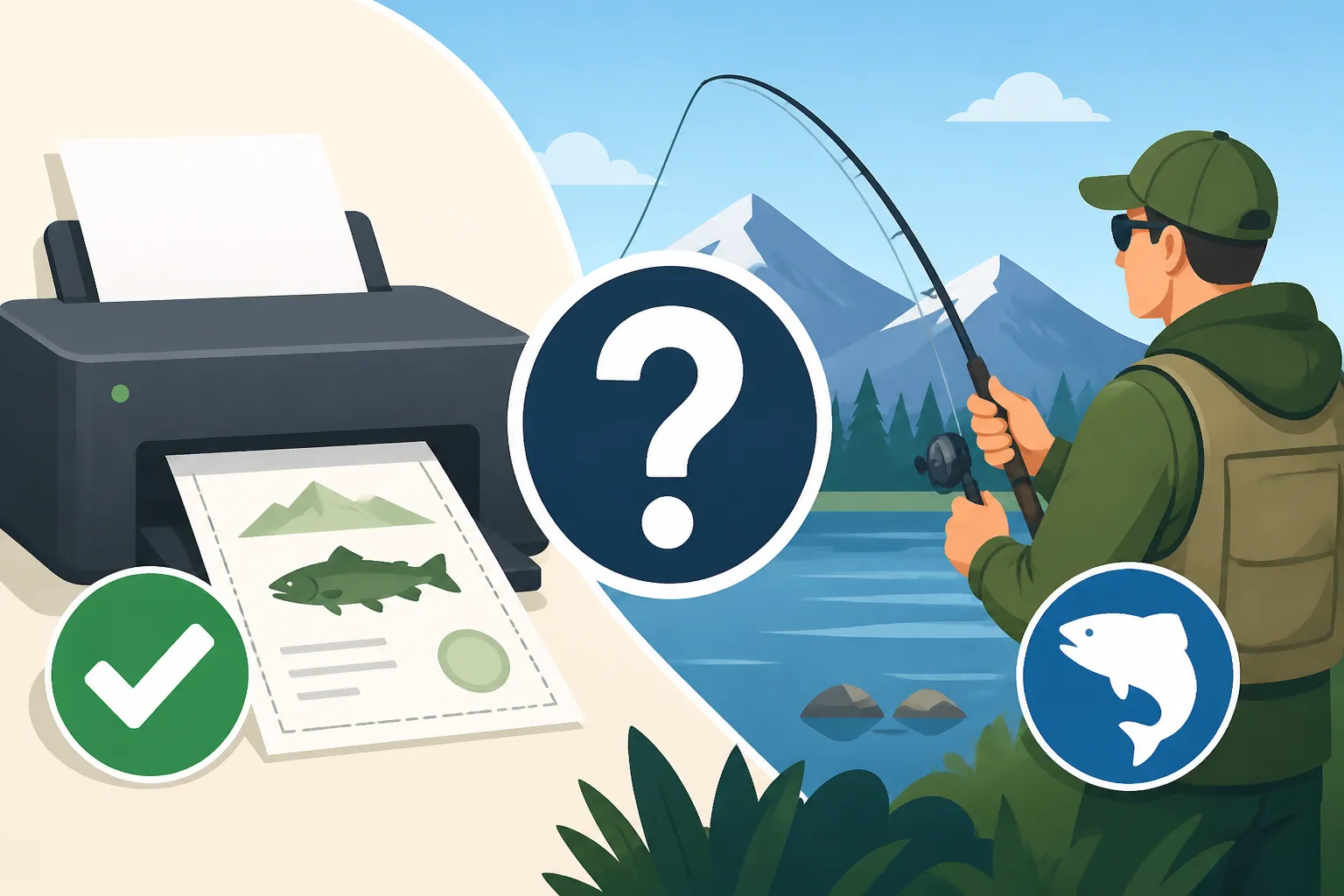
Colorado Parks and Wildlife has fully embraced digital solutions for licensing. When you purchase your fishing license online at CPWShop.com or over the phone, you'll typically receive an email confirmation that includes a printable version of your license. This document, whether printed or displayed on a mobile device, serves as your official proof of license. The key is that the information on the document must be clear, legible, and match your identification. CPW officers are equipped to verify these digital and printed formats, so as long as you have it, you're good to go. This flexibility is a huge win for convenience, especially if you're out the door and realize you forgot your physical card at home.
Purchasing and Displaying Your Colorado Fishing License
Understanding how to acquire and properly display your Colorado fishing license is crucial. While the printed-at-home option is valid, knowing the different avenues for purchase and display can save you a lot of hassle and ensure you're always in compliance.
Buying Your License Online and Printing at Home
The most common way anglers acquire their licenses these days is through the CPW's online portal, CPWShop.com. The process is straightforward:
- Navigate to CPWShop.com: You'll create an account or log in with your existing customer ID.
- Select Your License: Choose the type of license you need, whether it's an annual, one-day, or five-day option. Don't forget any necessary stamps like the Colorado's Habitat Stamp, Explained or the Colorado's Second-Rod Stamp and Who Needs One.
- Complete the Purchase: After entering your personal information and payment details, you'll receive a confirmation email.
- Print Your License: This email will contain a link or an attachment that is your official license. You can print this out on any standard printer. Make sure the print is clear and all details (your name, license number, dates, and species endorsements) are perfectly legible.
Many anglers choose to print multiple copies. One for their tackle box, one for their wallet, and perhaps one for the glove compartment of their vehicle. This redundancy is a smart move, especially if you're prone to misplacing things or if a copy gets wet or damaged.
Showing Your License on a Mobile Device
For those who prefer to minimize paper, showing your license on a smartphone or other mobile device is also perfectly acceptable in Colorado. When you complete an online or phone purchase, the digital version of your license is usually accessible via your CPW account on their website or directly from your confirmation email.
- Screenshot It: A great tip is to take a screenshot of your digital license and save it to your phone's photo gallery. This way, even if you lose cell service in a remote area, you'll still have access to the image.
- CPW App: While not a dedicated fishing license app in the vein of some other states, you can often access your account information through the CPW website on your mobile browser. Always ensure your device is charged and protected from the elements.
Remember, the officer needs to be able to clearly read all the details on your license, so a cracked screen or a low-resolution image might pose an issue. It's also important to have a backup plan in case your phone battery dies – which, let's be honest, is a common occurrence on a long day of fishing!
In-Person Purchase: The Traditional Card
If you're more comfortable with a physical card, or if you prefer the interaction, you can still purchase your Colorado fishing license in person. Numerous authorized sales agents across the state, including many sporting goods stores like those found on Amazon or even certain Walmart locations, can issue you a traditional license card on the spot. This card typically has a more official feel and is less prone to water damage than a simple paper printout. The benefit of this method is instant gratification and a tangible item to tuck into your wallet. You can find locations by searching for Where to Buy a Colorado Fishing License in Person.
What Game Wardens Check
When a Colorado Parks and Wildlife officer approaches you and asks to see your license, they're looking for a few key things:
- Your Name and ID: They'll want to verify that the name on the license matches your government-issued identification.
- License Number: This is crucial for their records and verification system.
- Validity Dates: They'll check that your license is current and hasn't expired. This is especially important for Colorado's Annual, One-Day and Five-Day License Options.
- Species Endorsements/Stamps: If you're fishing for certain species or in specific areas, they'll check for the appropriate stamps, like a habitat stamp.
- Legibility: Whether it's a paper printout or a digital display, everything needs to be clearly readable.
A smooth interaction typically involves you having your license ready, easily accessible, and your ID handy. This preparedness shows respect for the regulations and the officers doing their job.
Ensuring Your Printed or Digital License is Always Valid and Accessible
While the CPW accepts printed and digital licenses, the responsibility falls on you, the angler, to ensure it's always available and readable. Think of it like this: the technology is there to make things easier, but it also introduces new potential points of failure.
Backup Strategies for Peace of Mind
The golden rule for any essential document, especially one you need outdoors, is to have a backup.
- Physical Copies in Different Places: If you print your license at home, make at least two copies. Keep one laminated (you can easily do this with a home laminator or even clear packing tape) in your wallet and another in a waterproof bag in your tackle box. Imagine your wallet falling out of your pocket or getting soaked – having a backup in your tackle box could save your day.
- Digital Copies on Multiple Devices: If you rely on your smartphone, consider emailing a copy to yourself, saving it to a cloud service (like Google Drive or iCloud), and taking a screenshot. If you have a tablet or a smart watch, you might even be able to store a copy there. This way, if your primary phone dies or gets lost, you have other avenues to retrieve your license.
- Share with a Fishing Buddy: If you're fishing with a trusted friend or family member, you could even send them a copy of your license (and they do the same for you). In a pinch, if one person's device or printout fails, the other might have a valid copy.
Protecting Your Paper Copy Outdoors
A standard piece of printer paper is no match for the elements that Colorado fishing often entails. Rain, snow, sweat, and even just the humidity in a tackle box can quickly render a paper license illegible.
- Lamination: This is your best friend for paper licenses. A quick pass through a laminator makes your license waterproof and tear-resistant.
- Waterproof Pouch: Small, clear, waterproof pouches designed for phones or documents work wonders. These are readily available on Amazon and at most outdoor retail stores. Slip your printed license, and even your physical ID, into one for ultimate protection.
- Plastic Sleeve/Ziploc Bag: As a minimum, keep your printed license in a heavy-duty plastic sleeve or a Ziploc bag. It's not as robust as lamination, but it's far better than nothing.
Addressing the Battery Life Challenge for Digital Licenses
The convenience of a digital license is fantastic until your phone battery hits 1%.
- Portable Power Banks: A small, portable power bank is an essential piece of gear for any modern angler. It can recharge your phone multiple times, ensuring you always have access to your digital license, maps, and emergency contacts.
- Car Chargers: If you're driving to your fishing spot, keep your phone topped off with a car charger.
- Check Battery Levels: Make it a habit to check your phone's battery before you head out. Don't rely on a half-charged phone for an all-day adventure.
Consequences of Not Being Able to Show Your License
Fishing without a valid license, or being unable to present it upon request, can lead to some unpleasant consequences. Generally, a CPW officer may issue you a citation. The specific penalties can vary, but they often involve fines that are significantly higher than the cost of the license itself. In some cases, repeated offenses could lead to more serious repercussions. It's simply not worth the risk. Always ensure you can present your valid license promptly. For more on this, you might want to read What Happens If You Fish in Colorado Without a License.
Beyond the License: Other Important Documents and Stamps
While the fishing license itself is paramount, Colorado has a few other stamps and considerations that are often required and must be valid alongside your license. These aren't separate licenses, but rather endorsements or requirements that validate certain aspects of your fishing activity.
The Crucial Habitat Stamp
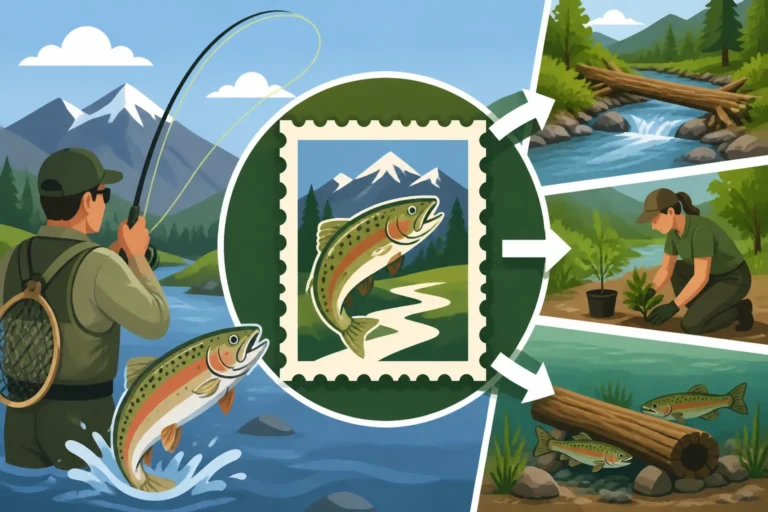
Almost every angler aged 18 to 64 fishing in Colorado needs a Habitat Stamp. This stamp is vital for funding wildlife habitat protection and improvement projects across the state. It's typically purchased concurrently with your fishing license. When you buy your license online, it's usually an automatic add-on unless you fall into an exempt category. Just like your fishing license, the Habitat Stamp will be printed on your physical license document or displayed digitally. For a detailed breakdown of who needs one and why, check out Do You Need a Habitat Stamp to Fish in Colorado?. Make sure it's clearly visible and valid whenever you're on the water.
The Second-Rod Stamp for Multi-Rod Anglers
Colorado generally allows anglers to fish with one rod and reel. However, if you plan on using two rods, you'll need to purchase a Second-Rod Stamp. This stamp grants you the privilege to deploy an additional line, effectively doubling your chances! This is especially popular with stillwater anglers targeting multiple species or those who just want to keep a bait rig out while actively casting a lure. The Second-Rod Stamp is also typically printed on your main fishing license or displayed alongside it digitally. It's not required for youth anglers under 16. If you're considering this, understanding Colorado's Second-Rod Stamp and Who Needs One is essential.
Proper Identification is Key
Always carry a valid form of identification when fishing in Colorado. This could be your driver's license, a state-issued ID card, or even a passport. CPW officers will use this to verify that the name on your fishing license matches your identity. This is particularly important for resident vs. nonresident licenses, as the costs and regulations differ. For example, proving What Counts as Colorado Residency for Licensing requires appropriate identification. Without proper ID, even if your license is perfectly valid, you might still run into issues verifying your right to fish.
Table of License Display Options
To summarize the different ways to display your Colorado fishing license and their key considerations:
| Display Method | Pros | Cons | Best Practices |
|---|---|---|---|
| Printed at Home | Immediate, multiple copies possible, low cost. | Susceptible to water damage, tears; can look "unofficial." | Laminate, use waterproof pouch, keep backup copies. |
| Digital on Phone | Convenient, always with you (if charged), no paper. | Dependent on battery life, screen damage, no cell service. | Screenshot, carry power bank, keep phone protected. |
| CPW-Issued Card | Durable, official-looking, less prone to damage. | Requires in-person purchase or mailed (if requested). | Keep in wallet, avoid losing it; still consider digital backup. |
Ultimately, a printed-at-home Colorado fishing license is a completely valid way to prove your compliance with state regulations. The key takeaway is to prepare for the unexpected. Whether you choose paper, digital, or a combination of both, having multiple, legible, and easily accessible forms of your license (and any required stamps) is the smartest approach for any angler hitting the beautiful waters of Colorado. Tight lines, everyone!
Disclaimer
Please note that fishing regulations and licensing requirements in Colorado are subject to change. Always consult the most current official Colorado Parks and Wildlife (CPW) regulations brochure or their website before heading out to fish to ensure you have the most up-to-date information. This article is for informational purposes only and does not constitute legal advice.