Colorado Fishing License Rules for New Residents
Moving to a new state can be an exciting adventure, full of fresh starts and new possibilities, but it also comes with a unique set of challenges – especially when you're an avid angler trying to navigate unfamiliar fishing regulations. Figuring out Colorado's specific residency requirements and then understanding the nuances of how to get your first fishing license can feel like decoding a secret language. This comprehensive guide is here to break down everything new Colorado residents need to know to smoothly transition from visitor to local angler, ensuring you're legally prepared to cast a line into our incredible waters.
Establishing Your Colorado Residency for Fishing Licenses
One of the first and most critical steps for any new resident hoping to fish in Colorado is to officially establish your residency in the eyes of Colorado Parks and Wildlife (CPW). This isn't just a formality; it determines which license you're eligible for and, frankly, how much you'll pay. The difference between resident and nonresident license fees can be substantial, so it's well worth understanding the criteria upfront.
The Legal Definition of a Resident Angler
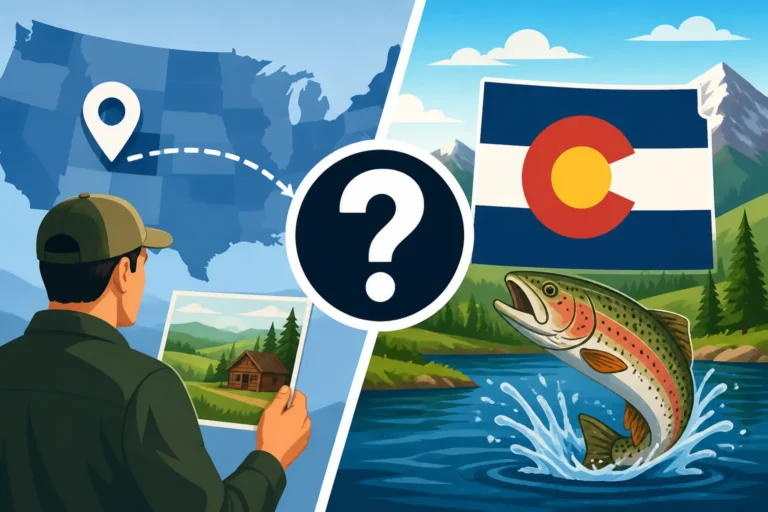
Colorado's definition of a resident for hunting and fishing license purposes is pretty specific, and it’s a bit more involved than just having a Colorado address. To qualify as a resident, you generally need to have lived continuously in Colorado for at least six consecutive months immediately prior to applying for a license. This isn't just a suggestion; it's a hard and fast rule set by the state. During this six-month period, Colorado must be your "true and permanent home," meaning you haven't claimed residency in any other state or country.
Think of it this way: if you moved here on June 1st, you wouldn't technically qualify for a resident license until December 1st. It can be a frustrating waiting period, especially if you're eager to get out on the water, but patience is key to avoid any legal issues down the line. Colorado Parks and Wildlife is quite strict on this, and enforcement officers do verify residency if there's any doubt. You're essentially proving that you've fully committed to calling Colorado home. For a deeper dive into the specific rules, check out our guide on what counts as Colorado Residency for Licensing.
Required Documentation for Proof of Residency
Once you've met that six-month residency period, you’ll need to prove it when you go to purchase your license. This isn't a one-and-done situation with just your driver's license, though that's a good start. CPW requires specific documentation to confirm your status. Typically, you'll need a valid Colorado driver's license or state identification card that shows your Colorado address and has been issued for at least six consecutive months. If your ID is newer, you might need supplemental documentation.
Examples of acceptable supplemental documents include Colorado vehicle registration, voter registration, or a utility bill in your name. Lease agreements or property tax statements can also serve as proof. The critical thing is that these documents must clearly show your Colorado address and, ideally, reflect the date you established residency or at least cover the six-month period. It's always best to bring more than you think you need when purchasing in person. This verification process ensures that only genuine residents receive the benefit of resident pricing. Trying to skirt these rules could lead to significant penalties, so it's truly not worth the risk.
Here’s a quick overview of what CPW generally looks for:
| Document Type | Primary Use Case | Key Requirement |
|---|---|---|
| Colorado Driver's License/ID | Primary proof of identity and Colorado address | Issued at least 6 consecutive months prior |
| Colorado Vehicle Registration | Supplemental proof of address and residency | Shows Colorado address, issued within residency period |
| Colorado Voter Registration | Supplemental proof of residency and intent | Shows Colorado address, active registration |
| Utility Bill | Supplemental proof of address and continuous residency | Dated within the 6-month period, in applicant's name |
| Lease Agreement/Tax Statement | Supplemental proof of address and housing | Current, shows Colorado address, in applicant's name |
Getting Your First Colorado Resident Fishing License
With your residency officially established and your documentation in hand, it's time for the exciting part: getting that first Colorado fishing license! Thankfully, CPW has made the process fairly accessible, with several options for purchasing your license.
Online, In-Person, or Phone Purchases
You have a few convenient ways to secure your Colorado fishing license. The most popular method for many is purchasing it online through the official CPWShop.com website. This allows you to do it from the comfort of your home, and you can often print a temporary license immediately, which is super handy if you're eager to hit the water. Just make sure you can display it either on your phone or have a physical copy, as game wardens will ask for it. Our guide on how to buy a Colorado fishing license online at CPWShop.com details the step-by-step process.
If you prefer a more traditional approach or have questions you want to ask a real person, you can purchase a license in person. There are numerous authorized sales agents across the state, including many sporting goods stores, some Walmart locations, and CPW offices. It's often helpful to buy in person for your first resident license, as the staff can help verify your documents. Lastly, if you're comfortable with it, you can also purchase a license by phone by calling CPW's licensing unit. Whichever method you choose, make sure you have all your residency documents ready to go, as they will be required for verification.
Understanding Initial License and Stamp Requirements
Beyond the basic fishing license, there are a couple of additional requirements you'll likely encounter as a new resident angler. The most prominent is the Habitat Stamp. While some exemptions exist for seniors and youth, most adult resident anglers (ages 18-64) are required to purchase a Habitat Stamp annually with their first license purchase. This stamp isn't just an extra fee; it's a vital contribution to Colorado's wildlife conservation efforts, funding habitat projects that benefit countless species, including the fish you love to catch. It's automatically added to your first license purchase each year, so you don't really have to "opt-in." For more information on this, check out our piece explaining Colorado's Habitat Stamp.
Another consideration is the Second-Rod Stamp. If you plan on fishing with two rods at the same time, you'll need to purchase this separate stamp. Many anglers enjoy the flexibility of having two lines in the water, especially when still fishing in a reservoir for species like trout, walleye, or catfish. It's not mandatory, but it's an important add-on if you want to maximize your chances and comply with regulations. Remember, these stamps are not standalone licenses; they are additions to your base fishing license. For instance, if you're getting a standard annual license, you'll also pay for the Habitat Stamp and, if desired, the Second-Rod Stamp.
Key Regulations Every New Colorado Angler Needs to Know
Getting your license is just the first step. Colorado has a diverse range of fisheries, and with that comes a rich tapestry of regulations designed to protect our precious fish populations and ensure sustainable angling for everyone. As a new resident, taking the time to truly understand these rules will make your fishing trips more enjoyable and keep you out of trouble.
Familiarizing Yourself with Colorado's Unique Fishing Rules
Colorado's fishing regulations can feel a little daunting at first because they vary significantly from one body of water to another. What's perfectly legal on a high-country lake might be strictly prohibited on a Gold Medal stretch of a river. This isn't just about daily bag and possession limits – though those are crucial – but also about tackle restrictions, bait restrictions, and even specific times of year for certain species. For example, many of our prized Gold Medal Waters, like sections of the Fryingpan River or the South Platte, have strict catch-and-release rules and often require artificial flies and lures only, sometimes even mandating barbless hooks.
My advice? Always, always consult the current Colorado Parks and Wildlife Fishing Brochure. It's available online, and you can pick up a physical copy wherever licenses are sold. This brochure is your Bible for Colorado fishing. Make it a habit to check the specific regulations for any body of water you plan to fish before you go. Don't rely on what you "heard" or assume rules are universal. The brochure breaks down regulations by region and specific water, making it indispensable. You can even find it digitally on the CPW website or through the My Colorado Parks and Wildlife app. Learning how to read Colorado's fishing regulations brochure is a skill every angler should master.
Local Knowledge and Resources for Newcomers
Beyond the official regulations, tapping into local knowledge can dramatically enhance your experience as a new Colorado angler. Local fly shops and bait shops are absolute goldmines of information. The folks working there live and breathe local fishing, and they can offer real-time advice on what's biting, what flies or lures are working, and current water conditions. They can also point you to specific access points and inform you about any temporary closures or special restrictions not immediately apparent in the main regulation booklet. Don't be shy; walk in, buy a few flies or a tub of worms, and strike up a conversation!
Online forums and local fishing groups on social media platforms can also be fantastic resources. Just remember to take everything with a grain of salt and cross-reference information with official CPW sources. Places like the Colorado Fishing Report often have threads dedicated to specific waters, where experienced anglers share insights. Many local guides also run blogs or social media pages where they share tips. While Amazon might be a great place to buy a new net or a fishing book, real-time, local fishing advice often comes from brick-and-mortar stores and community groups. This community aspect is a huge part of the Colorado fishing experience, so embrace it!
Maintaining Your Colorado Fishing Privileges
Once you've successfully purchased your first resident license, the hard part is over! But staying on the right side of the law means understanding how to keep your license active and what to do if your situation changes down the road.
Annual Renewals and Staying Compliant
Colorado fishing licenses generally run from April 1st through March 31st of the following year, regardless of when you purchase them during that period. This means if you buy your license in September, it will still expire on March 31st. This annual cycle is important to remember because it’s not a rolling 12-month license from the date of purchase. For most anglers, this means getting into the habit of renewing their license each spring. CPW usually sends out reminders via email if you've provided your contact information, which is a helpful nudge.
Renewing is typically straightforward, especially if you buy online. Your residency status is usually maintained in the system, so subsequent purchases are much quicker. Don't let your license lapse, even if you only plan to fish a couple of times a year. The penalties for fishing without a license can include hefty fines and even confiscation of gear, which is a painful lesson to learn. Always make sure your license is valid before you head out. Our guide on renewing a Colorado fishing license provides more details on this process.
What to Do If Your Residency Status Changes
Life happens, and sometimes your residency status might change again. Perhaps you move out of state for a few years, or maybe you're a college student who initially qualified as a nonresident but now meets the residency requirements. It’s crucial to understand that if you no longer meet Colorado's residency criteria, you must purchase a nonresident license. Attempting to use a resident license when you no longer qualify is a violation and can lead to serious legal consequences.
Similarly, if you were initially a nonresident student or military personnel and now meet the six-month continuous residency requirement, you should update your information with CPW and apply for a resident license. Always be transparent and proactive with CPW regarding your residency status. It protects you and ensures the integrity of the state's licensing system. If you have any doubts or questions, the best course of action is to contact Colorado Parks and Wildlife directly. Their customer service can clarify specific situations and help you navigate any changes to your residency.
Disclaimer
Please remember that fishing regulations, license costs, and residency requirements can change. While this guide aims to be as accurate and up-to-date as possible, it is essential to always consult the official Colorado Parks and Wildlife website and the current year's fishing regulations brochure for the most precise and legally binding information before engaging in any fishing activities.