Colorado Fishing License Rules for Spouses Buying Together
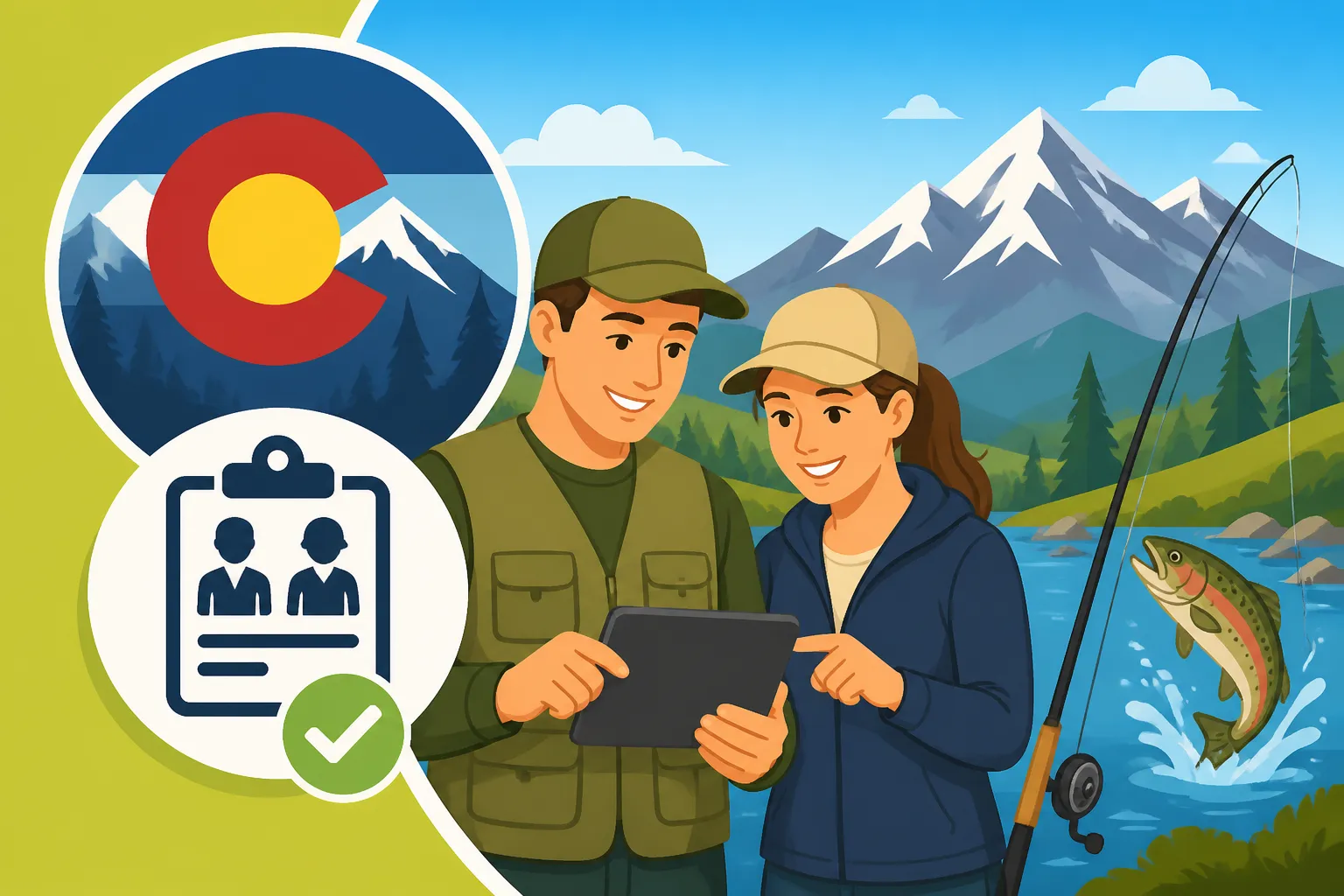
It’s a common question for couples who love the outdoors: “Can my spouse and I just buy one fishing license to cover us both in Colorado?” The romantic notion of a shared adventure often bumps up against the very real regulations that govern our favorite pastime. The short answer, which can sometimes be a bit of a bummer, is no. Colorado, like most states, requires every individual angler to possess their own valid fishing license, regardless of their marital status or how much gear they share. This guide will walk you through exactly what you and your partner need to know to ensure your fishing excursions in Colorado are always legal and hassle-free, from understanding the individual licensing system to purchasing your permits.
Understanding Colorado's Individual Licensing Approach
When you’re planning a fishing trip with your significant other, it’s easy to assume that perhaps there’s a family plan or a joint license option available. After all, you share a household, a car, and maybe even fishing stories! However, Colorado Parks and Wildlife (CPW) operates on an individual licensing system. This means that if both you and your spouse intend to cast a line, reel in a fish, or otherwise engage in the act of fishing, you each need your own, separate Colorado fishing license. There simply isn't a "spousal discount" or a "couple's package" when it comes to permits here in the Centennial State.
Why Individual Licenses Are the Standard
You might wonder why CPW sticks to this individual approach instead of offering more flexible family plans. The reasons are rooted deeply in wildlife management and conservation efforts. Each license sold contributes directly to funding critical programs like fish stocking, habitat restoration, scientific research, and enforcement. When licenses are issued individually, it allows CPW to:
- Accurately Track Angler Participation: Knowing how many individual anglers are active helps CPW assess fishing pressure on various waters and make informed decisions about stocking levels and bag limits.
- Fund Conservation Efforts More Effectively: Every license fee, including the mandatory Habitat Stamp for most adults, goes towards preserving Colorado's diverse ecosystems. If licenses were combined, it could potentially reduce overall revenue for these vital programs.
- Maintain Individual Accountability: A license identifies the individual angler and links them to the rules and regulations. This makes it easier to enforce limits, respond to violations, and ensure everyone is doing their part to fish responsibly. Imagine the complexity if one license covered two people and one violated a rule – whose responsibility would it be? The system is designed to simplify this by making each person accountable for their own actions on the water.
This individual focus is key to how Colorado manages its incredible fisheries, ensuring that future generations can enjoy the same opportunities you and your spouse do today.
The Legal Requirements for Each Angler
The straightforward rule is that anyone aged 16 or older who is actively fishing in Colorado must possess a valid fishing license. This applies universally to residents and nonresidents alike. It doesn't matter if you're using your own rod, your spouse's rod, or even just helping your partner reel in a big one – if your hands are on the fishing apparatus, you need a license.
Consider a scenario where you and your spouse are fishing together at Chatfield Reservoir. You’re both holding rods, both actively trying to catch fish. In this case, both of you would need a license. If, however, one of you is simply sitting on the bank, enjoying the sunshine, and reading a book while the other fishes, only the active angler needs a license. The moment the non-fishing partner picks up a rod, even to briefly assist, they would become an active angler in the eyes of the law and need a license. This might seem strict, but it ensures clarity for everyone, including the wildlife officers who patrol our beautiful waterways.
Beyond the basic fishing license, most adults also need to purchase Colorado's Habitat Stamp. This stamp is an additional fee that goes directly to maintaining and acquiring vital wildlife habitat across the state. Typically, anyone aged 18 to 64 years old, whether resident or nonresident, needs to purchase this stamp once per license year. There are some Who Is Exempt From Colorado's Habitat Stamp categories, such as seniors or those with certain disability licenses, but for most couples, both individuals will need a Habitat Stamp if they are within that age bracket.
Practical Steps for Spouses to Get Licenses
Getting your individual Colorado fishing licenses is a fairly simple process, designed to be accessible whether you're planning ahead or deciding on a spontaneous trip. There are several convenient ways for both you and your spouse to secure your permits, ensuring you're both covered before you hit the water. It’s definitely worth understanding How to Buy a Colorado Fishing License well in advance of your trip.
Online Purchase Through CPWShop.com
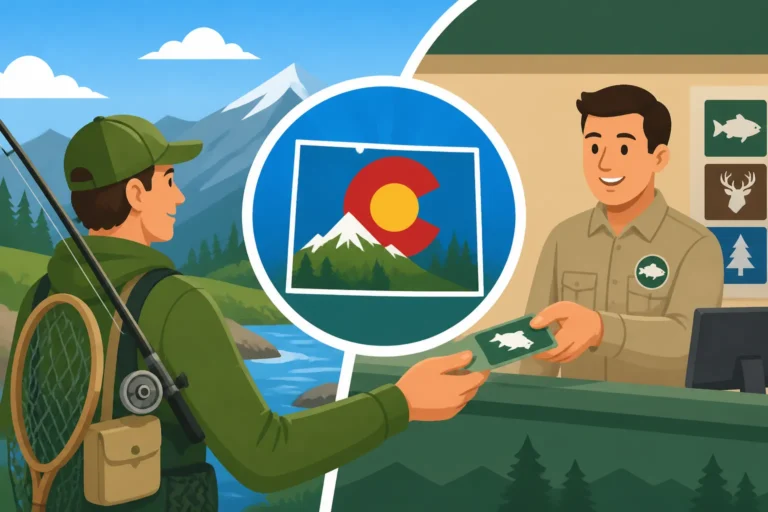
The most common and often easiest way for spouses to buy their licenses is online through the official Colorado Parks and Wildlife website, CPWShop.com. This platform allows you to purchase licenses from the comfort of your home, any time of day or night.
Here's a breakdown of the steps for each spouse:
- Create Individual Accounts: While you might share an email address or even a credit card, each spouse will need their own unique customer profile on CPWShop.com. This involves providing personal details like your name, date of birth, address, and an identifying number (usually a Colorado driver's license, state ID, or social security number). If you're a nonresident, you'll use your home state's driver's license or equivalent.
- Select License Type: Each spouse will then choose the type of fishing license they need. Options include annual licenses, one-day licenses, or five-day licenses, depending on how long you plan to fish. You can learn more about Colorado's Annual, One-Day and Five-Day License Options to decide what works best for your plans.
- Add Habitat Stamp: For most adults between 18 and 64, the Habitat Stamp will automatically be added to your cart with your first license purchase of the season, unless you're specifically exempt. If you already purchased one earlier in the license year (which runs from April 1st to March 31st), it won't be charged again.
- Complete Purchase: Once each spouse has selected their desired license and confirmed the Habitat Stamp (if applicable), proceed to checkout. You can typically use one credit card for both purchases, even if they are in separate online carts or accounts, as long as the payment details are correct.
- Print or Save Digitally: After purchase, you'll receive a confirmation email with a link to print your license. Colorado accepts both printed copies and digital copies displayed on your smartphone, so you can easily show your Is a Digital Colorado Fishing License on Your Phone Accepted? to a wildlife officer if requested. Just make sure your phone is charged!
In-Person Options at Licensed Vendors
For those who prefer a more traditional approach, or if you find yourself needing a license on short notice while already in Colorado, there are numerous authorized vendors across the state.
These include:
- Colorado Parks and Wildlife Offices: You can visit any CPW office during business hours. Staff can assist you directly with the purchase.
- Sporting Goods Stores: Major retailers like Bass Pro Shops, Cabela's, and smaller local fly shops are licensed to sell fishing licenses. This is often a great option if you need to pick up some last-minute gear too!
- General Merchandise Stores: Many Walmart and Kmart locations in Colorado also have license sales counters, particularly in more rural areas where they serve as a community hub.
- Marinas and Resorts: If you're staying at a resort or visiting a marina at a popular fishing lake, there's a good chance they sell licenses on-site, offering extra convenience.
When purchasing in person, both spouses will still need to be present or at least have their individual identifying information (driver's license, date of birth, address) readily available. Each transaction will be handled separately, ensuring that each individual receives their own, distinct license. This means if you and your spouse are buying in person, you’ll effectively complete two separate purchases.
Important Information Each Spouse Needs
Regardless of whether you buy online or in person, each spouse will need to provide specific personal information. It's not enough to just know your partner's name; you'll need these key details for each person:
- Full Legal Name: As it appears on a government-issued ID.
- Date of Birth: To verify age and eligibility for certain license types or exemptions.
- Residential Address: For residency verification, especially if one spouse is a Colorado resident and the other is not (see Resident vs Nonresident Fishing Licenses in Colorado).
- Driver's License or State ID Number: This is the primary form of identification for residents. Nonresidents will use their home state's equivalent.
- Social Security Number (SSN): Required by federal law for recreational licenses. This helps ensure compliance with child support enforcement regulations.
- Eye Color and Height: Standard identifying features that might be requested.
Having all this information handy for both yourself and your spouse will make the license purchasing process smooth and quick, getting you out on the water faster.
Exploring Different License Durations for Couples
Colorado offers several types of fishing licenses, designed to cater to different fishing habits and trip durations. For couples, deciding between an annual license or a short-term option depends largely on how often you plan to fish throughout the year. Understanding the Colorado Fishing License Costs Explained for each option will help you make the most economical choice.
Annual Licenses for Frequent Fishers
If you and your spouse are avid anglers, making multiple trips to Colorado's rivers and lakes throughout the year, an annual license is almost certainly the best value. An annual license is valid from April 1st of the year of purchase through March 31st of the following year, providing a full 12 months of fishing opportunities.
Pros for Couples:
- Cost-Effective: While the initial outlay for two annual licenses plus two Habitat Stamps might seem higher than short-term options, it quickly pays for itself if you fish more than a few days a year. For instance, a Colorado resident annual fishing license is roughly $40 (plus the Habitat Stamp), while a one-day license is around $15. If you plan four separate fishing days, the annual license already saves you money.
- Convenience: Once purchased, you don't have to worry about buying another license for an entire year. This means less planning and more spontaneity for your fishing trips.
- Support for Conservation: Your annual purchase provides consistent funding for CPW's long-term conservation projects.
Cons for Couples:
- Higher Upfront Cost: For a couple, the cost for two annual resident licenses and two Habitat Stamps will be in the range of $80-$100 (nonresident costs are significantly higher, with an annual license around $120 plus the stamp). If you only plan one or two trips, this might feel like an unnecessary expense.
- Expiration Date: Remember that all annual licenses expire on March 31st, regardless of when you purchased them in the license year. So, if you buy one in January, it's still only good until March 31st.
Many couples find that the peace of mind and flexibility offered by an annual license outweighs the upfront cost, especially if they live in Colorado or visit frequently.
Short-Term Licenses for Vacations or Occasional Outings
For couples visiting Colorado for a vacation or those who only get out on the water once or twice a year, short-term licenses are an excellent alternative. These include one-day and five-day options, providing flexibility for shorter trips.
One-Day Licenses:
These are perfect for a single day of fishing. Perhaps you're on a road trip through Colorado and want to spend an afternoon fishing the Arkansas River near Salida, or you're visiting friends near Denver and decide to hit an urban pond for a few hours. Each spouse would purchase a separate one-day license.
Five-Day Licenses:
A five-day license is ideal for a dedicated fishing vacation or a long weekend trip. This allows you and your spouse to fish for five consecutive days without needing to renew. This is especially popular with nonresident couples who might be exploring the state's incredible fishing opportunities, such as those fishing the Fryingpan River for a few days.
Pros for Couples:
- Lower Upfront Cost: Significantly cheaper than an annual license if you only plan to fish for a short period.
- Flexibility: You buy them only when you need them, aligning with your travel plans or spontaneous urges.
- Perfect for Nonresidents: If you're from out of state, a five-day nonresident license often offers a better value than an annual one, unless you plan extended stays. A Colorado Nonresident Fishing License Cost in 2026 can be considerable for a full year.
Cons for Couples:
- Can Add Up: If you end up fishing more days than you originally planned across separate trips, the cost of multiple short-term licenses for both spouses can quickly exceed that of an annual license.
- More Frequent Purchases: You'll have to go through the purchase process each time you want to fish, which might be inconvenient if you’re trying to maximize your time on the water.
The Habitat Stamp Requirement for Both Adults
This is a critical point that often causes confusion for couples. Even if you and your spouse purchase separate licenses, the Habitat Stamp is an additional requirement for most individuals. The Colorado Habitat Stamp Cost is a fixed price, typically around $12.15, and it must be purchased once per license year (April 1st to March 31st) if you are between the ages of 18 and 64.
Key takeaways for couples:
- Two Stamps Needed: If both you and your spouse are within the 18-64 age range and aren't exempt, both of you will need to purchase a Habitat Stamp with your first license of the year. This means two separate stamps, added to the cost of your two separate fishing licenses.
- One Per Person Per Year: Once you've each bought your Habitat Stamp for the license year, it's valid for all subsequent hunting or fishing license purchases within that same year. You won't need to buy another one until the next license year starts on April 1st.
- Automatic Addition: When you buy your fishing license online or in person, the system will usually prompt you or automatically add the Habitat Stamp if you haven't already purchased one for the current license year.
The Habitat Stamp plays a crucial role in ensuring the health of Colorado's wildlife and their habitats, so while it's an extra cost, it's an investment in the future of the state's natural resources.
Here's a quick comparison of popular license options for a resident couple:
| License Type (for each individual) | Est. Cost (per person, 2024) | Total Est. Cost (for two adults) | Best For | Considerations |
|---|---|---|---|---|
| Annual Resident Fishing License | ~$40 + $12.15 (Habitat Stamp) | ~$104.30 | Frequent anglers, Colorado residents | Covers April 1 – March 31. Most cost-effective if fishing >3-4 days/year. |
| One-Day Resident Fishing License | ~$15 + $12.15 (Habitat Stamp) | ~$54.30 | Occasional trips, spontaneous outings | Each spouse needs one for each day they fish. Habitat Stamp needed once per year. |
| Five-Day Nonresident Fishing License | ~$40 + $12.15 (Habitat Stamp) | ~$104.30 | Nonresident visitors, dedicated fishing vacations | Offers good value for a short visit. Habitat Stamp needed once per year. |
Note: Prices are estimates and subject to change by Colorado Parks and Wildlife. The Habitat Stamp is a one-time annual purchase for most individuals aged 18-64. If already purchased, it does not need to be bought again with subsequent licenses in the same license year.
Common Scenarios and Misconceptions for Spouses
Beyond the basic requirements, couples often have specific questions or fall into common misconceptions about fishing licenses. Let's clear up some of these to ensure your angling adventures are always by the book.
When One Spouse Doesn't Fish
It's very common for one half of a couple to be an enthusiastic angler while the other simply enjoys being outdoors or spending time together by the water. The good news is that if your spouse is not actively participating in fishing, they do not need a license.
Think of it this way: if your spouse is simply accompanying you on the trip, perhaps reading a book, taking photos, watching the wildlife, or even just offering moral support from the bank or boat, they are considered a spectator. Spectators don't need a license.
However, the line can get a little blurry, and it’s crucial to understand where that line is drawn. If your non-fishing spouse performs any action that constitutes "fishing," they immediately need a license. This includes:
- Holding a rod: Even if they're just holding it while you tie on a new fly or fix a tangled line, if it's in their hands, they're considered fishing.
- Casting a line: This is an obvious one.
- Reeling in a fish: If you hook a fish and hand the rod to your spouse to reel it in, they need a license.
- Setting a hook: If they detect a bite and set the hook, even if they immediately hand the rod back to you, they've participated in the act of fishing.
- Touching fishing gear in a way that assists in fishing: While helping to untangle a line is fine, actively deploying a net for your fish or baiting a hook for themselves could be construed as assisting in a direct way that makes them an angler.
The safest rule of thumb is this: if your spouse is not licensed, they should not touch any fishing equipment that is actively deployed or has a fish on the line. They can certainly help with snacks, apply sunscreen, and provide companionship, but keep their hands off the rods!
Sharing Gear vs. Sharing a License
This is another area where couples sometimes get confused. You might share a tackle box, a fishing vest, or even a lucky fishing hat. You might even have a collection of rods and reels that you both use interchangeably. Sharing fishing gear is perfectly fine and often economical. What you cannot share is a fishing license.
Your fishing license is a personal document, tied to your individual identity, much like your driver's license. It’s not transferable. Just as you can’t lend your driver’s license to your spouse, you can’t lend your fishing license. Each person fishing needs their own, unique license in their own name.
Imagine you and your spouse are fishing a beautiful stretch of Colorado's Gold Medal Waters Explained on the Fryingpan River. You brought two rods, one for each of you. You both have all your personal gear set up. If you only bought one license, and a wildlife officer checks your permits, one of you would be found fishing without a license, leading to potential fines and penalties. It's simply not worth the risk. Always remember: one person, one license.
What About Kids?
While this guide focuses on spouses, it's worth a brief mention of the rules regarding children, as many couples fish with their families. In Colorado, children 15 years of age and younger do not need a fishing license. This is a fantastic benefit for families, encouraging young ones to get involved in the sport without additional cost.
However, once a child turns 16, they are legally required to purchase a fishing license. This means that if your child is 16 or 17 years old, they will need their own license, but they are exempt from the Habitat Stamp requirement. Once they turn 18, they will need both a fishing license and the Habitat Stamp (unless otherwise exempt). You can find more detailed information on Do Kids Need a Fishing License in Colorado? for a complete understanding of youth regulations.
Understanding these distinctions is crucial for a stress-free fishing experience for your entire family in Colorado. Taking a few minutes to ensure everyone is properly licensed will allow you to focus on what truly matters: enjoying the beauty of Colorado and the thrill of the catch with your loved ones. You'll want to review the full Colorado Fishing License Guide for Residents and Nonresidents for all the nuances.
Remember, every license purchased contributes to the conservation efforts that keep Colorado's fisheries thriving. So, when you and your spouse each purchase your individual licenses, you're not just buying a permit to fish; you're investing in the future of Colorado's incredible natural heritage. This dedication to conservation is one of the reasons why Colorado offers such fantastic opportunities, from Fishing the Dream Stream and Cheesman Canyon on Colorado's South Platte to ice fishing on Blue Mesa Reservoir.
Disclaimer
Please note that fishing regulations, license requirements, and costs are subject to change by Colorado Parks and Wildlife (CPW). While we strive to provide the most accurate and up-to-date information, it is always the angler's responsibility to consult the current CPW fishing regulations brochure or the official CPW website before heading out. This guide is for informational purposes only and should not be considered legal advice.