Best Fishing Lakes Near Denver, Colorado
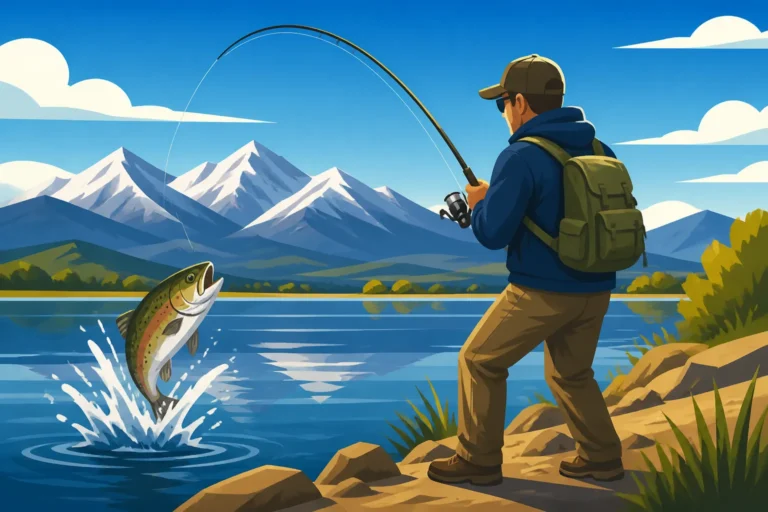
It’s a common frustration, isn’t it? You love the idea of casting a line, enjoying the tranquility of the water, but living in a bustling city like Denver often makes it feel like a distant dream. The good news is you don't have to drive for hours to find fantastic fishing opportunities. This comprehensive guide will navigate you through the best fishing lakes right here in the Denver metropolitan area, showcasing a surprising variety of species and experiences awaiting the urban angler.
Why Denver-Area Fishing is a Hidden Gem and a Unique Challenge
Many people assume that to find really good fishing in Colorado, you need to head deep into the mountains, far from any major population centers. While those pristine alpine lakes and roaring rivers certainly offer incredible experiences, the truth is that the Denver Metro area holds a treasure trove of fishing spots that are often overlooked. However, fishing in an urban or suburban setting comes with its own set of considerations and rewards.
The Urban Angler's Dilemma
The biggest hurdle for urban anglers is often simply knowing where to go. You see bodies of water all around Denver, but which ones are actually good for fishing? Which ones are stocked? What permits do you need beyond your standard Colorado fishing license? It can feel overwhelming, leading many to just stick to the same familiar spots or give up altogether. The thought of battling traffic just to get to a fishing spot, let alone finding a parking space, can be enough to deter even the most enthusiastic angler. Plus, there's the perception that city lakes are overfished or don't hold quality fish, which simply isn't true for many of Colorado's meticulously managed urban waters.
What Makes Front Range Lakes Unique
The lakes around Denver, often referred to as Front Range lakes, are unique because they blend accessibility with surprisingly diverse and robust fisheries. Colorado Parks and Wildlife (CPW) plays a significant role here, with active stocking programs that ensure a healthy population of various species. You'll find everything from abundant rainbow trout, frequently stocked to provide consistent action, to hard-fighting warmwater species like walleye, smallmouth bass, largemouth bass, channel catfish, and even the powerful wiper, a hybrid striped bass. These lakes are often managed not just for fishing, but also for other recreational activities like boating, paddleboarding, and swimming, which means they usually come with well-maintained facilities and easy access points. This multi-use aspect makes them ideal for a family outing where not everyone might be keen on fishing for the entire day.
Key Factors to Consider When Choosing a Denver Lake
Before you pack your gear and head out, it's worth thinking about what kind of fishing experience you're looking for. Not all lakes are created equal, and understanding your preferences will help you choose the perfect spot for your next outing.
Species You're Targeting
This is probably the most crucial factor. Are you dreaming of catching a feisty rainbow trout? Or perhaps you're hoping to land a trophy walleye for dinner, or feel the tug of a strong largemouth bass? Different lakes specialize in different species. For instance, many of the shallower, warmer lakes excel at producing bass and catfish, while deeper, colder reservoirs are prime territory for trout and lake trout. Knowing your target species helps narrow down your options significantly. Some lakes, especially the larger reservoirs, offer a fantastic mix, allowing anglers to switch tactics and target different fish throughout the day or season. It's always a good idea to check recent stocking reports from CPW to see what's been put into the water.
Accessibility and Amenities
Convenience matters, especially when you're fishing close to the city. Consider factors like proximity to your home, the ease of parking, and whether the lake offers amenities like restrooms, picnic areas, or even playgrounds if you're bringing kids along. Some lakes are State Parks, like Chatfield and Cherry Creek, offering extensive facilities, while others might be city parks with more basic provisions. If you plan to use a boat, check for boat ramps and any specific regulations regarding motor types or launch fees. For those who prefer to wade fish or fish from the bank, ensure there's ample public access shoreline. Some lakes are also excellent for shore fishing, providing plenty of room to spread out, even on busy days.
Regulations and Licenses
No matter where you choose to fish in Colorado, you absolutely need a valid Colorado fishing license. This is non-negotiable, and game wardens do patrol these waters. Beyond the general license, some lakes, especially State Parks or city-managed reservoirs, may require an additional daily pass or annual pass for vehicle entry. For instance, you'll need a State Park pass to enter Chatfield Reservoir or Cherry Creek Reservoir. It's vital to check the specific regulations for each body of water you intend to fish, as bag limits, possession limits, and even allowed tackle can vary widely. For example, some waters have special length limits for certain species to promote trophy fisheries, or restrict the use of bait. Don't forget that you'll also likely need to purchase Colorado's Habitat Stamp if you're between the ages of 18 and 64, which is crucial for funding conservation efforts across the state.
Top Tier Trout Havens Near Denver
When many people think of fishing in Colorado, trout immediately come to mind. Luckily, you don't have to venture far from Denver to find excellent trout fishing, thanks to proactive stocking programs and well-managed reservoirs.
Chatfield Reservoir
Located just south of Denver, Chatfield Reservoir is a true gem for anglers. This expansive body of water is part of Chatfield State Park, offering stunning views and a wide range of recreational activities alongside its fantastic fishing. It's a prime destination for trout, with CPW regularly stocking thousands of rainbow trout, especially in the spring and fall. These freshly stocked fish provide consistent action for anglers of all skill levels. Beyond rainbows, Chatfield also boasts a healthy population of smallmouth bass, largemouth bass, channel catfish, walleye, and even the hard-fighting wiper.
For trout, still-fishing with power bait or worms from the bank can be very effective, particularly near the dam or inlet areas. Trolling with spoons or small crankbaits in deeper water is also productive for boat anglers. If you're targeting warmwater species, look for structure like submerged trees or rock piles using a fish finder. The reservoir's diverse fishery means you can easily spend a full day here, switching techniques and species as you go. Given its popularity, especially on weekends, getting there early is often a good strategy to secure a prime spot. The park entrance requires a valid Colorado State Park Pass or a daily entry fee.
Cherry Creek Reservoir
Situated on the southeast side of Denver, Cherry Creek Reservoir, another Colorado State Park, is a fantastic, accessible option for urban anglers. Much like Chatfield, Cherry Creek receives consistent trout stockings from CPW, making it a reliable spot for catching rainbows. However, Cherry Creek truly shines with its warmwater opportunities. It's renowned for its populations of walleye, largemouth bass, smallmouth bass, crappie, bluegill, and especially wiper. Many anglers consider it one of the best wiper fisheries in the Front Range.
Shore anglers can find success with trout using similar methods as Chatfield – power bait, worms, or small spoons. For walleye and bass, fishing near points, drop-offs, or submerged vegetation with jigs, crankbaits, or live minnows can yield excellent results. Wipers are often found chasing baitfish near the surface, making topwater lures or fast-retrieved spoons exciting options. Cherry Creek offers multiple boat ramps, making it a popular choice for those with boats, but there's also plenty of shoreline access. Like Chatfield, a State Park pass or daily entry fee is required to access the reservoir. Its proximity to the city makes it an ideal spot for a quick after-work session or a full weekend outing with the family.
Bear Creek Lake Park
A bit smaller and more intimate than the massive reservoirs, Bear Creek Lake Park, located on the western edge of Denver, offers a wonderfully accessible and diverse fishing experience. This park manages three separate lakes: Bear Creek Lake, Big Soda Lake, and Little Soda Lake. While Big Soda Lake is often reserved for non-motorized boating and paddleboarding, Bear Creek Lake itself is a fantastic fishery. It's regularly stocked with rainbow trout, providing excellent opportunities for both shore and boat anglers. You'll also find warmwater species like bass, bluegill, crappie, and even a good population of tiger muskie, though those are much harder to entice.
Bear Creek Lake is particularly good for families or beginner anglers due to its manageable size and consistent trout action. Simple setups with worms, corn, or power bait under a bobber can be very effective. Fly anglers can also find success, especially in the quieter coves, targeting cruising trout. The park has excellent facilities, including picnic areas, playgrounds, and paved trails, making it a perfect spot for a multi-activity day. There is an entrance fee to access Bear Creek Lake Park, which is managed by the City of Lakewood. It's a lovely alternative to the bigger, busier state parks, offering a slightly more serene fishing environment without sacrificing convenience.
Best Lakes for Warmwater Species and Variety
While trout are certainly popular, Colorado's Front Range lakes offer incredible opportunities for warmwater species. These lakes can provide exciting, hard-fighting action and a different kind of challenge for anglers.
Standley Lake
Located between Arvada and Westminster, Standley Lake is one of the largest bodies of water in the Denver Metro area and a true powerhouse for diverse species. It's particularly famous for its trophy walleye, wiper, smallmouth bass, channel catfish, and northern pike. Standley Lake is a municipal water supply, so there are strict rules in place to protect water quality, including a ban on gasoline motors and restrictions on certain types of watercraft. Electric motors are permitted, and many anglers use kayaks, canoes, or float tubes to access different parts of the lake.
The fishing here can be exceptional. Walleye anglers often troll with crankbaits or drift with bottom bouncers and worm harnesses. For wiper, look for schools of baitfish near the surface and cast spoons or topwater lures. The northern pike population here can produce some truly massive fish, with anglers targeting them using large spoons, spinnerbaits, or even dead bait under a bobber. Standley Lake is also stocked with rainbow trout, offering a coldwater option alongside the warmwater fish. It's vital to check the lake's specific regulations on the City of Westminster's website before your visit, as they can differ from state park rules. The lake requires a fee for entry and boat permits.
Quincy Reservoir
Tucked away in Aurora, Quincy Reservoir is a fantastic destination for serious warmwater anglers, particularly those targeting largemouth and smallmouth bass, walleye, and perch. Unlike some of the larger, multi-use reservoirs, Quincy is managed primarily as a fishing reservoir and has strict regulations regarding boat access – only electric motors are allowed, and all boats must be inspected for aquatic nuisance species. This helps maintain its excellent fishery and the quality of the water.
Quincy is known for its structure, including submerged timber, rock piles, and varying depths, which create ideal habitats for predatory fish. Bass anglers will have a field day working soft plastics, jigs, and crankbaits around these features. Walleye fishing can be excellent, especially during low-light conditions, using jigs, jerkbaits, or slip-bobber rigs. The reservoir is also a popular spot for fly anglers targeting warmwater species, offering a unique challenge. Due to its focus on fishing and conservation, Quincy Reservoir requires an Aurora Water recreational pass in addition to your state fishing license. It's not uncommon to see a local guide service from FishingBooker leading trips here, specifically for bass and walleye, due to its consistent productivity.
Aurora Reservoir
Also located in Aurora, the Aurora Reservoir is another huge body of water offering an impressive array of fishing opportunities. It's celebrated for its diverse fishery, including rainbow trout, walleye, largemouth bass, smallmouth bass, channel catfish, crappie, and wiper. This reservoir has a reputation for producing trophy-sized fish of several species, making it a popular choice for anglers hoping to land a big one. It's a clean, well-managed reservoir that also serves as a drinking water source, so similar to Standley, there are specific regulations to protect water quality, though it does permit gas motors for boating.
For trout, still-fishing from the numerous accessible fishing piers or trolling spoons and spinners from a boat are effective methods. Walleye thrive here, and anglers find success with jigging, casting crankbaits, or bottom bouncers. The bass fishing can be particularly good around submerged structure and rocky points. Wipers provide thrilling topwater action during summer months. Given its size, exploring different areas of the reservoir is key to success. A daily entrance fee or annual pass is required for access to Aurora Reservoir, which also boasts excellent amenities like a large swimming beach, trails, and picnic areas, making it a great family destination.
Hidden Gems and Urban Ponds for a Quick Trip
Sometimes you don't have a whole day to dedicate to fishing, or you're just looking for a quick, convenient spot to introduce a beginner to the joys of angling. The Denver area has several smaller lakes and ponds that fit this bill perfectly.
Sloan's Lake
Right in the heart of Denver, Sloan's Lake Park is a fantastic urban fishing spot that many locals frequent. It’s easily accessible and offers a surprising variety of fish, especially considering its metropolitan location. Sloan's Lake is regularly stocked with rainbow trout during the cooler months, providing easy action for those fishing from the bank. Beyond trout, the lake holds good populations of largemouth bass, crappie, bluegill, and channel catfish, making it a diverse fishery for a city park.
This is an ideal spot for a quick fishing trip, perhaps after work or on a casual weekend morning. Anglers can use simple setups with worms, power bait, or small spinners for trout. For bass and panfish, small jigs, plastic worms, or even bread balls can be effective. Catfish are often caught on stink baits or cut bait in the deeper areas. While it's certainly not a wilderness experience, the convenience and consistent action at Sloan's Lake make it a popular choice for many Denver residents. Just remember that it's a busy park, so be mindful of other users enjoying the trails and open spaces.
Denver Urban Fishing Program Ponds
Colorado Parks and Wildlife, in partnership with local municipalities, runs an excellent Urban Fishing Program. This initiative aims to provide accessible fishing opportunities within urban areas, specifically targeting youth and families who might not otherwise have the chance to fish. Several ponds within Denver and surrounding communities are part of this program, meaning they are frequently stocked with catchable-sized rainbow trout, and sometimes warmwater species like channel catfish or sunfish.
These ponds typically have excellent shoreline access, often with paved paths, fishing piers, and amenities like restrooms and picnic tables. They are designed to be family-friendly and easy to fish, making them perfect for introducing kids to the sport. Some popular examples include Berkeley Lake Park, Washington Park Lake, Rocky Mountain Lake Park, and Huston Lake Park, all within Denver city limits. While the fish might not be trophy-sized, the consistent action and accessibility are invaluable. Always check the specific signage at each pond, as some may have special regulations, such as youth-only fishing sections or specific bag limits. These ponds are a testament to CPW's commitment to providing diverse fishing opportunities, truly embodying the spirit of community engagement in the outdoors. For specific details on these urban gems, checking the Colorado Parks and Wildlife website is always the best first step.
Essential Gear and Techniques for Denver-Area Lakes
Having the right gear and understanding effective techniques will significantly boost your success and enjoyment when fishing the lakes around Denver. Since these waters host a variety of species, versatility in your approach can be a huge advantage.
Rods, Reels, and Lines
For general all-around fishing in Denver-area lakes, a medium-light to medium action spinning rod, between 6'6" and 7' long, is an excellent choice. This setup provides enough sensitivity for panfish and trout, yet has the backbone to handle larger bass, walleye, or even a surprise northern pike. Pair it with a spinning reel in the 2000-3000 size range, spooled with 6-10 lb monofilament or fluorocarbon line. Braided line in a similar strength can also be very effective, especially for feeling subtle bites at deeper depths, and can be paired with a fluorocarbon leader for stealth.
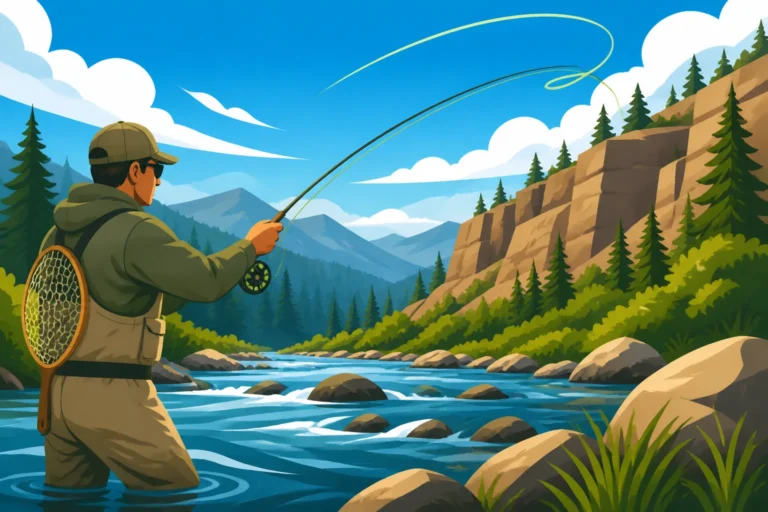
If you're specifically targeting larger warmwater species like pike or muskie, you might want to step up to a medium-heavy rod with 15-20 lb braided line. For fly anglers, a 5- or 6-weight fly rod is versatile enough for most trout and warmwater species you'll encounter. Remember, many of these lakes are quite open, so a rod with a bit more length can help with casting distance, especially on windy days.
Baits, Lures, and Flies
The diverse species in Denver's lakes mean a varied tackle box will serve you well. For trout, tried-and-true baits include power bait (in various colors and forms), nightcrawlers, and corn. Small inline spinners (like Mepps or Rooster Tails) and spoons (like Kastmasters or Daredevils) are also highly effective lures. For bass and walleye, soft plastic worms, grubs, jigs (swim jigs, curly tail jigs), crankbaits, and jerkbaits are all excellent choices. Live minnows can be deadly for walleye and crappie, but always check regulations as some lakes restrict live bait.
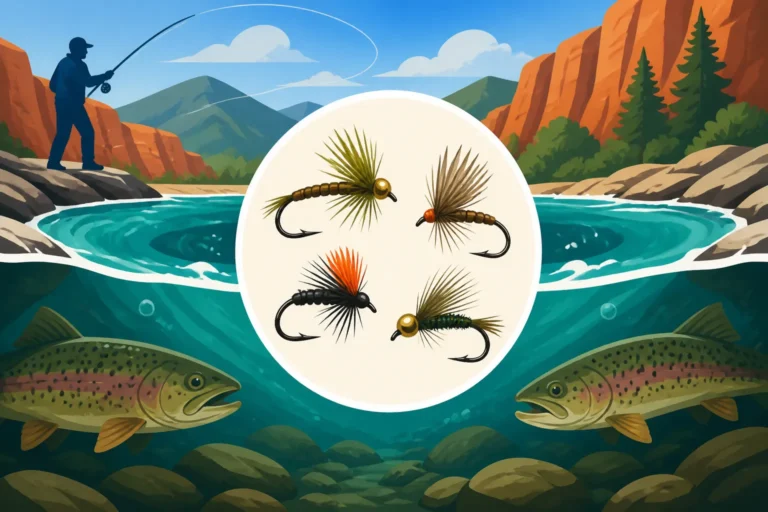
Wiper and pike often respond well to larger, flashier lures. Think big spoons, spinnerbaits, or even topwater poppers for wipers actively feeding on baitfish. For fly anglers, standard trout patterns like Woolly Buggers, San Juan Worms, Prince Nymphs, and various dry flies will work for trout. For warmwater species, try poppers, streamers, and crayfish patterns. Always remember that what worked yesterday might not work today, so being willing to experiment with different presentations, colors, and retrieve speeds is key.
Seasonal Strategies
Fishing in the Denver area changes dramatically with the seasons. Spring is fantastic, especially after CPW starts its intensive stocking programs. Trout are active, and warmwater species begin to wake up as water temperatures rise. During late spring, keep an eye on when Colorado's Spring Runoff Hits and How to Fish Around It, as high, muddy water can affect river fishing, but lakes usually remain fishable.
Summer can be great, but often requires fishing early morning or late evening for best results, as midday heat pushes fish into deeper, cooler water. Night fishing can also be highly productive for catfish and larger predatory fish during the warmest months. Fall brings another surge in trout activity as waters cool, and many warmwater species feed aggressively before winter. This is a prime time for bigger fish. Finally, winter offers unique opportunities for Ice Fishing in Colorado, Getting Started, on many of these lakes once they freeze over, with techniques like jigging for perch, walleye, and even lake trout becoming popular. Knowing Colorado Fishing Seasons Month by Month will give you an edge for planning your trips.
Planning Your Trip: Licenses, Regulations, and Local Insights
A successful and enjoyable fishing trip around Denver involves more than just knowing where the fish are. It also means being prepared, understanding the rules, and using available resources.
Understanding Colorado Fishing Licenses
Before you even think about casting a line, securing your Colorado fishing license is paramount. Everyone aged 16 and older needs one. Colorado Parks and Wildlife (CPW) offers various license options, including annual licenses, one-day licenses, and five-day licenses, catering to both residents and nonresidents. For instance, if you're just visiting for a short trip, what a One-Day Colorado Fishing License Costs might be perfect for you. You can easily purchase these online through CPWShop.com, by phone, or in person at various vendors like Walmart or local sporting goods stores.
Remember, your license supports vital conservation efforts, fish stocking, and habitat improvement projects across the state. Don't forget about the Habitat Stamp, which is typically required for anglers between 18 and 64 years old, adding another layer of funding for these crucial programs. Always keep your license with you while fishing, either a printed copy or a digital version on your phone, as game wardens regularly check.
Respecting Local Rules and Etiquette
Each lake or reservoir in the Denver area might have specific rules in addition to statewide regulations. These often pertain to boating restrictions (e.g., electric motors only, no wake zones), bait restrictions (e.g., no live minnows), or specific catch-and-release rules for certain species or sizes. For example, some Gold Medal Waters in Colorado have very specific catch-and-release guidelines. Always read the signage at the access points of the lake you're visiting.
Beyond formal rules, practicing good angler etiquette is essential. This includes respecting other anglers' space, cleaning up after yourself (Leave No Trace principles are critical), and properly handling fish you intend to release. Being a responsible angler ensures these fantastic resources remain healthy and enjoyable for everyone. If you're unsure about any rule, it's always best to err on the side of caution or consult the latest Colorado Fishing Regulations Every Angler Should Know, which CPW publishes annually.
Using Resources Like FishingBooker and CPW
To make the most of your Denver-area fishing adventures, leverage the powerful resources available. The Colorado Parks and Wildlife website (cpw.state.co.us) is an invaluable tool. It offers detailed information on specific waters, including stocking reports (Reading Colorado's Weekly Stocking Report can give you a huge advantage!), regulations, and access points. They also provide interactive maps that show public fishing access.
For those looking for a guided experience, especially if you're new to an area or targeting a specific species, platforms like FishingBooker can connect you with local, reputable guides. These guides often have intimate knowledge of the Denver lakes, the best techniques for current conditions, and all the necessary gear, making for a hassle-free and educational trip. Booking a Colorado Fishing Guide Online can simplify the process of finding the right expert to lead your adventure, whether you're interested in a full-day bass hunt on Quincy or a half-day trout trip on Chatfield. They can provide insights that you simply can't get from a map, guiding you directly to the hot spots and teaching you local tricks.
Here's a quick comparison of some of Denver's best fishing lakes:
| Lake Name | Primary Species | Access & Boating | Amenities | Key Considerations |
|---|---|---|---|---|
| Chatfield Reservoir | Rainbow Trout, Walleye, Bass, Wiper, Catfish | Excellent; All types | Ramps, restrooms, picnic, beach, trails | State Park pass required, busy on weekends |
| Cherry Creek Reservoir | Walleye, Wiper, Bass, Trout, Crappie | Excellent; All types | Ramps, restrooms, picnic, beach, trails | State Park pass required, great wiper fishing |
| Bear Creek Lake Park | Rainbow Trout, Bass, Tiger Muskie, Panfish | Good; Limited motors on Bear Creek Lake | Ramps, restrooms, picnic, trails | Lakewood City Park fee, good for families |
| Standley Lake | Walleye, Wiper, Pike, Bass, Trout | Good; Electric motors only | Ramps, restrooms, picnic | Municipal water supply, strict rules, entry fee |
| Quincy Reservoir | Largemouth Bass, Smallmouth Bass, Walleye, Perch | Good; Electric motors only | Ramps, restrooms, basic amenities | Aurora Water pass, excellent bass/walleye |
| Aurora Reservoir | Rainbow Trout, Walleye, Bass, Catfish, Wiper | Excellent; All types | Ramps, restrooms, picnic, beach, trails | Aurora Water pass, trophy potential, large size |
| Sloan's Lake | Rainbow Trout, Bass, Catfish, Crappie | Excellent; Non-motorized only | Restrooms, playground, trails | Urban setting, easy access, good for quick trips |
| Urban Ponds (e.g., Berkeley Lake) | Rainbow Trout, Catfish, Sunfish | Excellent; Shore access | Restrooms, picnic, playgrounds, paved paths | Very accessible, frequently stocked, family-friendly |
Disclaimer
The information provided in this guide is for general informational purposes only and does not constitute professional advice. Fishing regulations, stocking schedules, and lake conditions can change frequently. Always consult the official Colorado Parks and Wildlife (CPW) website and specific lake management resources (e.g., State Park websites, city recreation departments) for the most current and accurate information before planning your fishing trip. Ensure you have all necessary licenses and permits and adhere to all local, state, and federal regulations. Fishing inherently carries risks; always prioritize safety and be aware of your surroundings.