Fishing Spinney Mountain Reservoir
There's nothing quite like the anticipation of a big fish, the kind that makes your reel scream and your heart pound, but finding those truly special waters in Colorado can sometimes feel like searching for a needle in a haystack. Many anglers spend years chasing elusive trophy trout without consistent success, battling crowded spots and fickle fish. If you're tired of small catches and looking for a place where impressive rainbow and cutthroat trout aren't just a dream but a regular occurrence, this comprehensive guide to fishing Spinney Mountain Reservoir is exactly what you need. We're going to dive deep into everything that makes Spinney a legendary fishery, from the prime times to visit to the specific techniques that will put you on those lunker trout.
Why Anglers Flock to Spinney Mountain Reservoir
Ask any seasoned Colorado angler about their favorite spots for big fish, and you’ll likely hear "Spinney Mountain Reservoir" mentioned with a reverent sigh. This isn't just another pretty lake; it's a true gem in the heart of South Park, renowned for consistent action and genuinely impressive trout. For those who've grown weary of crowded, overfished waters or the constant chase for elusive giants, Spinney offers a refreshing change – a place where the odds of hooking into a significant fish are genuinely in your favor, assuming you come prepared.
The Lure of Trophy Trout
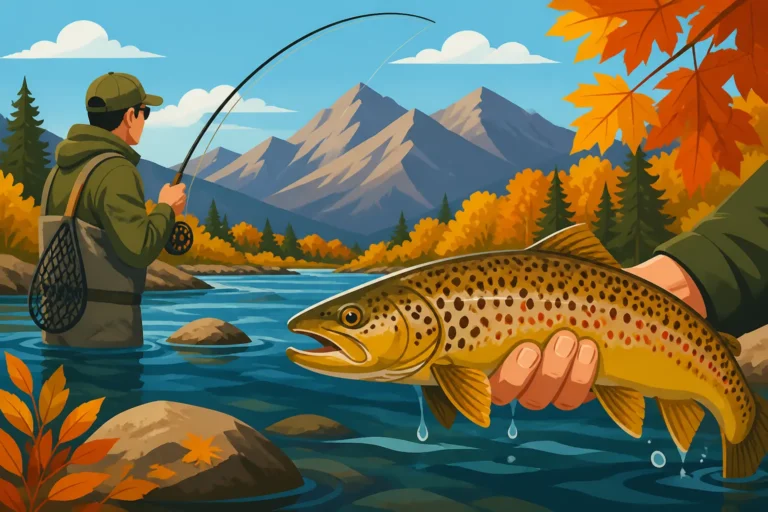
What truly sets Spinney Mountain Reservoir apart is its reputation as a premier trophy trout fishery. It's officially designated as Gold Medal Water by Colorado Parks and Wildlife, a title reserved for waters that consistently produce large trout and offer excellent fishing opportunities. This isn't just about catching more fish, it's about catching bigger fish—healthy, robust rainbow, cutthroat, and brown trout that often push the 20-inch mark, with many exceeding it. The clear, nutrient-rich waters contribute to incredible insect life and baitfish populations, allowing these fish to grow to truly remarkable sizes.
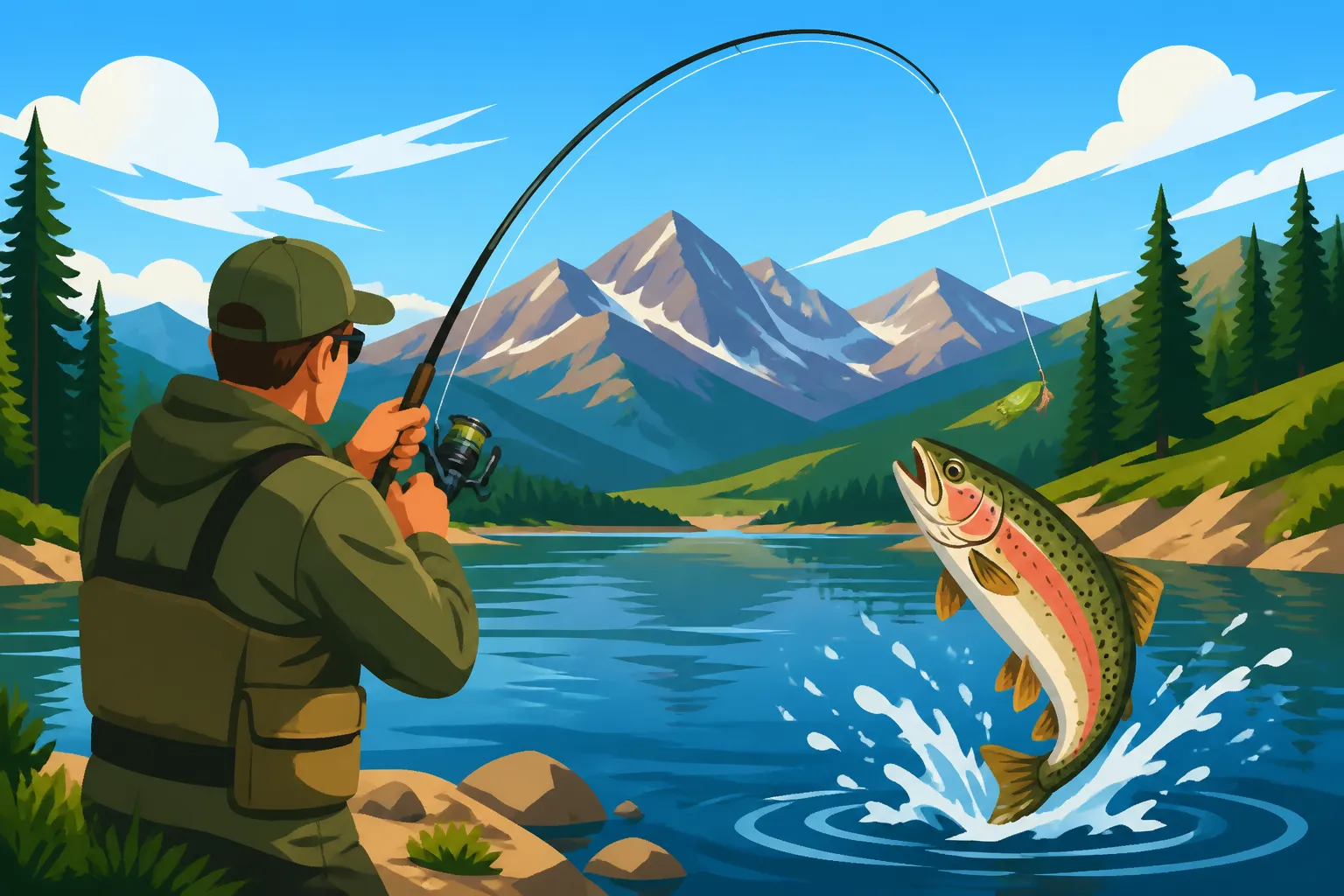
The thrill of a Spinney trout on the line is something many anglers dream about. These fish aren't sluggish; they're strong, spirited fighters that demand skill and patience, often making long runs that test your drag and your resolve. For many, the chance to consistently hook into trout weighing several pounds is the primary draw, making the drive and the early mornings more than worth it. It’s a place where personal bests are not only possible but frequently achieved, solidifying its legendary status among the angling community.
Prime Location and Accessibility
Nestled in the vast, high-altitude expanse of South Park, Spinney Mountain Reservoir enjoys a relatively remote but accessible location in Park County. It’s part of a trio of famous reservoirs in the area, along with the equally popular Fishing Eleven Mile Reservoir and Fishing Antero Reservoir. This high-plains setting means stunning views, often with the Continental Divide as a backdrop, and a sense of tranquility that’s hard to find closer to urban areas.
Access to Spinney is managed through Spinney Mountain State Park, which means well-maintained roads and a good boat ramp. However, it's important to remember that it operates as a day-use park, typically opening at sunrise and closing shortly after sunset, with gates that are strictly locked. This controlled access helps manage fishing pressure and preserve the quality of the fishery, but it does mean anglers need to plan their day carefully. The remoteness, while appealing, also means you should come fully prepared with all your gear, food, and water, as services are limited once you’re within the park boundaries.
Understanding Spinney Mountain Reservoir's Unique Fishery
Every body of water has its own personality, and Spinney Mountain Reservoir is no different. To truly unlock its secrets and consistently find success, it's crucial to understand the resident fish species, the environmental conditions they thrive in, and the specific regulations designed to protect this incredible resource. Knowing these details will help you choose the right gear, employ the most effective techniques, and ensure you're fishing responsibly.
Species You'll Encounter
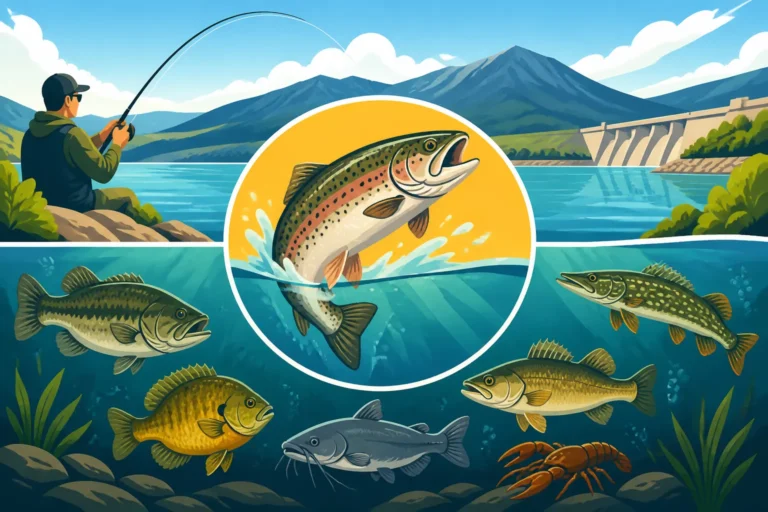
While Spinney is most famous for its large trout, the reservoir is home to a diverse population that keeps things interesting. The primary draws are undeniably the massive rainbow trout, which are regularly stocked and grow quickly in Spinney’s rich environment. You'll also find impressive native cutthroat trout, which are celebrated for their beauty and spirited fights, along with a healthy population of brown trout, especially during the cooler months when they become more active and aggressive. These trout species are the backbone of Spinney's Gold Medal reputation.
Beyond the trout, Spinney also supports kokanee salmon. These landlocked sockeye salmon offer a different kind of angling challenge, particularly during their spawning runs in the fall. While not the primary target for most Spinney anglers who focus on trout, they add another layer of excitement for those who enjoy targeting different species. Understanding the feeding habits and preferred habitats of these different fish, which are beautifully detailed in resources like Colorado's Trout Species, A Field Guide, is key to a productive day on the water.
Water Conditions and Regulations
Spinney Mountain Reservoir is known for its relatively clear, cold water, especially throughout the spring and fall. The high-altitude environment (over 8,500 feet) contributes to cooler water temperatures year-round, which is ideal for trout. The reservoir features varied bottom structure, from shallow bays and weed beds to steep drop-offs and deep channels, offering diverse habitats for fish at different times of the year. This dynamic environment requires anglers to adapt their tactics based on current conditions, as fish may hold at various depths and locations.
Crucially, Spinney Mountain Reservoir operates under special regulations designed to protect its trophy fishery. Anglers are restricted to artificial flies and lures only; bait fishing is strictly prohibited. Furthermore, while the bag limit is 2 trout, those trout must be 16 inches or longer. This management strategy encourages catch-and-release for smaller fish, allowing them to grow into the impressive specimens Spinney is known for. It's absolutely vital to be familiar with the most current Colorado Fishing Regulations Every Angler Should Know before your trip, as rules can change, and ignorance is never an excuse. Always consult the official Colorado Parks and Wildlife (CPW) regulations brochure, or learn how to read Reading Colorado's Fishing Regulations Brochure for the most up-to-date information.
Effective Techniques for Fishing Spinney Mountain Reservoir
Spinney's renowned fishery demands a thoughtful approach. While the fish are often large and abundant, they aren't always easy to catch. The clear water, combined with varying depths and feeding patterns, means you'll need to employ specific strategies to consistently put fish in your net. Whether you're a dedicated fly angler, prefer the versatility of spin fishing, or enjoy covering water with trolling, there are proven tactics that yield success at Spinney.
Fly Fishing Strategies
Fly fishing at Spinney Mountain Reservoir can be incredibly rewarding. For shore anglers, indicator nymphing is a hugely popular and effective method. Setting up a two-fly rig with a strike indicator and plenty of split shot allows you to prospect various depths in the numerous bays and along drop-offs. Key patterns include scuds (olive, grey), midges (black, red, olive), San Juan Worms, and leech patterns (black, olive). Fish these slowly, allowing currents and subtle retrieves to impart natural movement.
For those with a float tube, pontoon boat, or even a drift boat, stripping streamers can be a game-changer, especially for aggressive brown and rainbow trout. Large patterns like various Woolly Bugger colors (black, olive, brown), articulated leeches, and baitfish imitations can elicit vicious strikes. Focus on retrieving these flies erratically, mimicking an injured baitfish. During specific hatches, particularly midge hatches in early morning or late evening, dry fly fishing can also be productive, offering exhilarating visual takes. While Spinney is a stillwater, many principles from Fly Fishing Techniques for Colorado Tailwaters regarding stealth and presentation can be adapted.
Spin Fishing Tactics
Spin fishing is an equally potent method for targeting Spinney's lunkers. Given the "artificial flies and lures only" regulation, your lure selection is paramount. Spoon-style lures like Kastmasters, Daredevils, and Krocodiles in silver, gold, or flashy colors are perennial favorites, cast far out and retrieved with a varied stop-and-go or jigging motion. The flash and erratic action often trigger strikes from cruising trout.
Tube jigs, especially in white, black, or olive, tipped with a small piece of Gulp! or PowerBait (artificial, not real bait) can be incredibly effective when jigged slowly along the bottom or suspended under a bobber. For covering more water, small crankbaits or suspending jerkbaits that imitate baitfish, such as Rapalas or similar brands, can also draw strikes. Experiment with different retrieval speeds and depths, but generally, a slower retrieve is often more productive in Spinney's clear, cold water. These tactics align well with effective Spin Fishing Techniques for Colorado Trout.
Trolling for Success
For anglers with boats equipped with electric trolling motors, trolling can be one of the most consistent ways to intercept Spinney's larger, deeper-dwelling trout and kokanee salmon. This method allows you to cover vast expanses of water and present lures at precise depths for extended periods. Small spoons, such as Needlefish, Triple Teasers, or Tasmanian Devils, are excellent choices, often run behind a dodger or flasher to add attraction.
The key to successful trolling at Spinney is managing your depth. Downriggers or lead-core line are often necessary to get your lures into the strike zone, especially during warmer months when fish seek refuge in cooler, deeper water. Pay attention to your fish finder to identify schools of baitfish or prominent underwater structures, and adjust your trolling depth accordingly. Different fish species will prefer different depths, so understanding Trolling Techniques for Colorado Reservoirs will definitely give you an edge. Many anglers find great success by slow-trolling near the dam or along the deeper channels within the reservoir.
Best Seasons and Times to Fish Spinney Mountain
Spinney Mountain Reservoir offers exciting fishing opportunities throughout its open season, but like any dynamic fishery, certain times of the year and even specific times of day can be more productive than others. Understanding these seasonal shifts and daily patterns is crucial for planning a successful trip and maximizing your chances of hooking into those coveted trophy trout.
Spring Excitement
Spring at Spinney, typically from ice-off in April through early June, is a highly anticipated time for many anglers. As the ice melts and the reservoir thaws, the water remains very cold, but the fish become incredibly active. They are often shallow, cruising the banks and bays, eager to feed after a long winter under the ice. This makes them more accessible to both boat and shore anglers.
During this period, streamers and nymphs are often the most productive fly patterns, as fish are aggressively chasing larger food sources. Spin anglers will find success with spoons and jigs in these shallower areas. The spring weather in South Park can be unpredictable, ranging from warm, sunny days to sudden snow squalls, so dressing in layers and being prepared for anything is essential. Despite the weather, the sheer eagerness of the fish makes spring one of the most rewarding times to visit.
Summer Challenges and Rewards
Summer, from late June through August, presents a different set of challenges and rewards at Spinney. As air temperatures rise, the surface waters warm, often pushing the larger trout into deeper, cooler zones. This doesn't mean fishing shuts down, but it does require adapting your strategy. Early mornings and late evenings become prime times for fishing shallower areas, as trout will move up to feed when the water is cooler and light is low.
During the day, targeting deeper water with trolling setups or heavy nymph rigs becomes key. Still, summer can offer fantastic dry fly opportunities during specific hatches, such as various caddis or midge emergences, particularly in calm conditions. While crowds can be heavier on weekends, the possibility of warm weather, stunning mountain views, and the chance to land a hefty trout still makes summer a popular time to fish Spinney.
Fall Spectacle
As autumn descends upon South Park, usually from September through October, Spinney Mountain Reservoir comes alive with some of the year's best fishing. The cooling water temperatures invigorate the trout, making them exceptionally active and aggressive as they prepare for winter. Brown trout, in particular, become very active as they begin their pre-spawn rituals, often becoming more predatory and willing to chase larger streamers and lures.
The fall also marks the kokanee salmon spawning runs, adding another dimension to the fishery, though regulations surrounding snagging and retention apply strictly to kokanee during this time. The combination of active fish, fewer crowds (especially on weekdays), and the breathtaking fall foliage against the surrounding mountains makes autumn a truly special time to fish Spinney. Anglers often find success with a variety of techniques, from stripping streamers to nymphing deep, as the fish are actively feeding throughout the water column.
Essential Gear and Preparations for a Spinney Trip
Heading out to Spinney Mountain Reservoir requires more than just a fishing rod and a license. The high-altitude environment, specific regulations, and the pursuit of large, strong fish mean that thoughtful preparation and the right gear are crucial for both success and safety. From your primary fishing setup to the often-overlooked essentials, being well-equipped will significantly enhance your Spinney experience.
Rods, Reels, and Line Recommendations
For fly anglers, a medium-fast to fast-action 5-weight or 6-weight rod is a versatile choice, capable of handling Spinney’s often windy conditions and fighting larger trout. Pair this with a reliable reel that has a smooth, strong drag, loaded with a weight-forward floating line for nymphing and dry fly work, and a spare spool with a sinking line for streamers. For nymphing, a 9 to 12-foot leader with 3x-5x fluorocarbon tippet is ideal for stealth and strength.
Spin fishermen will benefit from a medium-action spinning rod, typically 6’6” to 7’6” in length, providing good casting distance and enough backbone to handle large fish. A quality spinning reel spooled with 6-10 lb test monofilament or braided line (with a fluorocarbon leader) is recommended. The fluorocarbon leader is particularly important in Spinney's clear waters, as it's nearly invisible to fish and abrasion-resistant, offering a significant advantage when targeting wary trout.
Waders, Boats, and Safety Gear
While there is some limited shore access, much of Spinney's prime water is best reached with waders or a boat. Chest waders are highly recommended for covering more water from the bank and getting to those slightly deeper shelves. If you're planning on fishing from the water, a float tube, pontoon boat, or a small motorboat (gas or electric) will greatly expand your reach. Remember that no body contact with the water is allowed at Spinney, so you must always remain in your vessel.
Safety is paramount, especially on large, open reservoirs where winds can pick up quickly, creating significant chop. Always wear a personal flotation device (PFD) when on the water. Bring an anchor system to hold your position, and consider a small hand-held air horn or whistle. Sun protection, including a wide-brimmed hat, polarized sunglasses, and high-SPF sunscreen, is non-negotiable at this high altitude. You also want to make sure you have your Colorado Fishing License Guide for Residents and Nonresidents and a valid State Park Pass readily available.
Packing the Essentials
Beyond your fishing setup, a successful day at Spinney requires a few other key items. Always bring plenty of water and snacks, as there are no concessions within the state park. Layered clothing is crucial due to the variable mountain weather; temperatures can swing dramatically from morning to afternoon. A quality landing net with a rubberized basket is essential for safely handling and releasing Spinney's trophy trout, minimizing harm to their protective slime coat. Forceps or a hemostat are also necessary for easy hook removal.
Don't forget a camera to capture those memorable catches! A small first-aid kit is always a good idea for minor scrapes or cuts. Finally, ensure your vehicle is in good working order and has a full tank of gas, as gas stations are not close by. If you’re considering hiring a guide to help navigate the reservoir and maximize your time, platforms like FishingBooker can connect you with experienced local guides who know Spinney inside and out and can provide much of the specialized gear.
Navigating Spinney Mountain State Park Rules and Amenities
Spinney Mountain Reservoir is not just a fishing destination; it's a Colorado State Park, which means there are specific operational hours, access fees, and regulations designed to protect both the natural environment and the quality of the angling experience. Understanding these rules is crucial for a smooth and enjoyable trip, preventing any unnecessary fines or complications.
Park Access and Fees
Spinney Mountain State Park operates strictly as a day-use facility. The gates typically open at sunrise and close shortly after sunset, with exact times varying by season. It’s important to plan your arrival and departure accordingly, as the gates are locked promptly, and you don't want to find your vehicle stranded inside overnight. Always check the official Colorado Parks and Wildlife website for the most current operating hours before you head out, as these can be subject to change due to weather or other factors.
Entry into Spinney Mountain State Park requires either a valid Colorado State Parks Pass (annual or family) or a daily entrance pass. These passes can usually be purchased at the park entrance station or online. Your fishing license is separate from your park pass; you’ll need both to legally fish within the park. Make sure you have the appropriate Colorado's Annual, One-Day and Five-Day License Options before your trip. The fees contribute directly to the maintenance of the park facilities and the conservation efforts that keep Spinney such a fantastic fishery.
Boating and Shoreline Regulations
Spinney has specific rules for boating and shoreline activities, primarily to protect water quality and public safety. As mentioned, no body contact with the water is allowed, which means no swimming, wading up to your waist, or jet skiing. All watercraft must undergo an Aquatic Nuisance Species (ANS) inspection before launching to prevent the spread of invasive species. This is a mandatory process, and inspectors are usually available at the boat ramp during park operating hours. It's a small inconvenience that pays huge dividends in protecting the reservoir's ecosystem.
Shoreline access is available, particularly in the many coves and points that offer good casting opportunities. However, designated fishing areas might be in place, and respectful use of the shoreline, avoiding sensitive habitat areas, is always encouraged. For those unfamiliar with the specific rules, a quick glance at the Reading Colorado's Fishing Regulations Brochure will cover all the essential information. These regulations are in place to ensure Spinney remains a pristine and productive fishery for generations to come.
Camping and Nearby Services
While Spinney Mountain State Park itself does not offer camping, there are excellent options nearby for those looking to extend their stay. The adjacent Eleven Mile State Park, for instance, provides extensive camping facilities, from primitive sites to those with electrical hookups, and is a popular choice for anglers visiting the South Park area. Antero Reservoir also has some primitive camping areas available. If you prefer more creature comforts, the small towns of Fairplay and Hartsel are within a reasonable drive and offer basic services, including gas, limited groceries, and a few dining options.
For a more comprehensive selection of amenities, including a wider variety of dining, lodging, and tackle shops, you'd need to venture further to towns like Buena Vista or Salida. Planning ahead for food, bait (if fishing other allowed waters), and any forgotten essentials is wise, as roadside stops are sparse once you get into the heart of South Park. If you're planning a trip and need a local expert to help you navigate these waters, booking a guide through a service like FishingBooker can simplify your experience, providing gear, local knowledge, and an unforgettable day on the water.
| Feature | Spinney Mountain Reservoir | Eleven Mile Reservoir | Antero Reservoir |
|---|---|---|---|
| Primary Species | Rainbow, Cutthroat, Brown Trout, Kokanee Salmon | Rainbow, Brown, Cutthroat Trout, Pike, Kokanee Salmon | Rainbow, Cutthroat, Brown Trout |
| Key Regulations | Artificial flies/lures only; 2 trout (16" minimum) | Various zones; bait allowed in some areas | Artificial flies/lures only; Catch & Release ALL Trout |
| Best Known For | Consistent trophy trout, clear water | Trophy northern pike, diverse trout opportunities | Trophy rainbow & cutthroat, high elevation |
| Access Hours | Day-use only (sunrise to sunset) | 24/7 access | Day-use only (sunrise to sunset) |
| Boating Regulations | ANS inspection required; no body contact | ANS inspection required; body contact allowed | ANS inspection required; no body contact |
| Camping | No camping at Spinney (nearby options available) | Extensive camping facilities available | Limited primitive camping available |
Disclaimer
Please remember that fishing regulations, park rules, and conditions can change. Always consult the official Colorado Parks and Wildlife (CPW) website or the current Colorado fishing regulations brochure for the most up-to-date and accurate information before planning any fishing trip to Spinney Mountain Reservoir or any other body of water in Colorado. Safety is your responsibility, so always be prepared for changing weather and water conditions.