What Makes the Gunnison Gorge a Gold Medal Water
It's no secret that Colorado boasts some truly incredible fishing, but for those of us who cherish the wild, untamed beauty of our rivers and the challenge of pursuing truly spectacular trout, the phrase "Gold Medal Water" holds a special allure. When you hear the Gunnison Gorge mentioned in the same breath, a sense of adventure immediately sparks, often accompanied by questions about what exactly makes this legendary stretch so unique. This guide will walk you through the distinct characteristics and regulations that elevate the Gunnison Gorge to Gold Medal status, helping you understand why it's a pinnacle experience for any Colorado angler.
Understanding Colorado's Gold Medal Waters Designation
The term "Gold Medal Water" isn't just a fancy marketing slogan; it's a specific designation granted by Colorado Parks and Wildlife (CPW) to certain rivers and lakes that meet incredibly high standards for trout habitat and population. This designation signifies that a body of water is not only exceptionally beautiful but also ecologically robust enough to support a thriving population of large trout. It’s a promise of quality, often pointing to a challenging yet deeply rewarding fishing experience.
Strict Criteria for Gold Medal Status
To earn the coveted Gold Medal status, a river or lake must demonstrate two primary ecological characteristics: first, it must consistently hold a minimum of 60 pounds of trout per acre. Imagine that – 60 pounds of trout! Second, and perhaps even more exciting for anglers, at least 12 of those pounds must be made up of trout that are 14 inches or longer. This isn't about stocking a bunch of small, hatchery-raised fish; it's about a self-sustaining ecosystem that produces big, healthy, wild trout. The water also has to be publicly accessible, ensuring that everyone has the chance to experience these incredible fisheries. These stringent requirements mean that only a select few waters in Colorado achieve this elite recognition, and the Gunnison Gorge is certainly one of them. For a deeper dive into these rules, check out our article on Colorado Gold Medal Water Regulations Explained.
Why the Designation Matters for Anglers
For us anglers, the Gold Medal designation translates directly into a higher probability of catching quality fish. It means you're fishing in a prime environment where the fish are healthy, strong, and often, quite clever due to the abundant natural food sources and fishing pressure. It doesn't guarantee you'll catch a trophy, of course – fishing is still fishing! – but it significantly increases your odds and promises a scenic, enriching experience regardless of your catch count. These waters often have specific regulations aimed at preserving their quality, like catch-and-release rules or specific gear restrictions, which are crucial for maintaining the delicate balance of these pristine ecosystems. Understanding these nuances is part of being a responsible angler in such a special place.
The Gunnison Gorge's Unique Features and Ecology
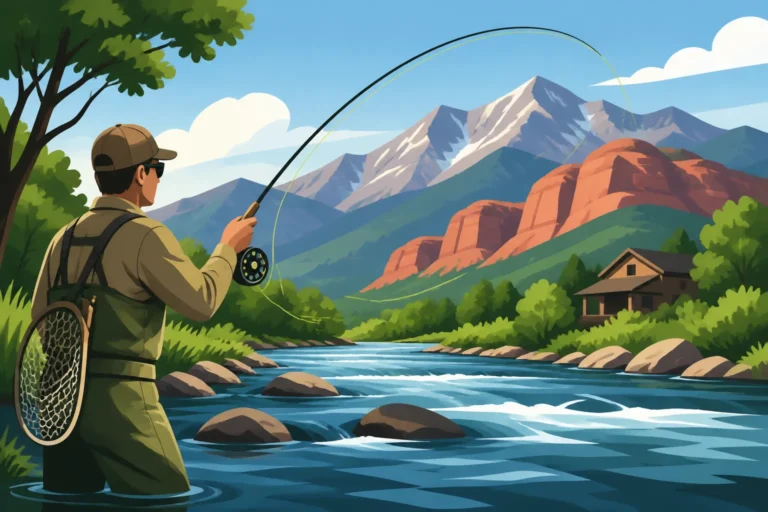
The Gunnison Gorge, carved over millennia by the powerful Gunnison River, is a place of dramatic beauty and ecological significance. Its sheer canyon walls, remote wilderness, and the frigid, nutrient-rich waters flowing from Crystal Dam create an almost perfect environment for trout. This isn't just another pretty river; it's a self-contained ecosystem that exemplifies what Gold Medal Water should be.
Exceptional Water Quality and Habitat
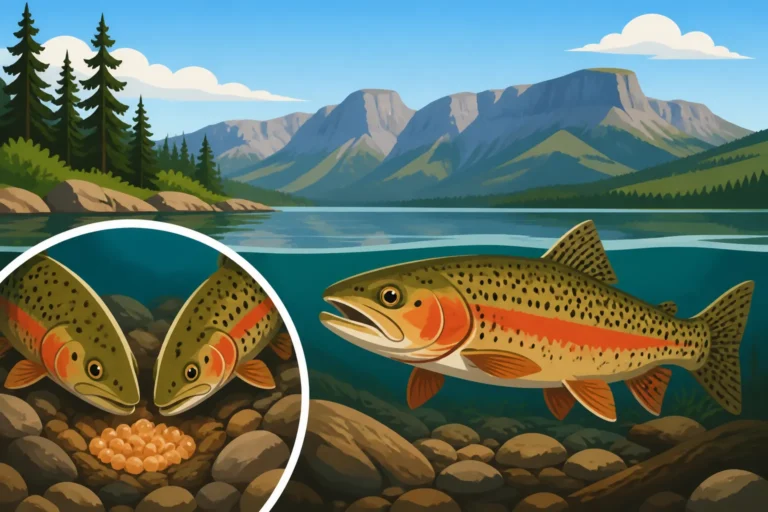
The primary reason the Gunnison Gorge shines as a Gold Medal fishery is its unparalleled water quality and diverse habitat. The river here flows from the depths of Crystal Dam, which means the water is consistently cold and clear, even during the heat of summer. This stable temperature regime is absolutely critical for trout survival and growth. Furthermore, the gorge's rugged topography provides an incredible array of holding water: deep pools, swift runs, intricate riffles, and undercut banks. These features offer ample protection from predators, strong currents, and a bounty of aquatic insect life. The riverbed itself is a mosaic of gravel, cobble, and boulders, creating ideal spawning grounds for wild fish and a thriving home for nymphs and other food sources. It's a textbook example of healthy riverine ecology, which translates directly to healthy fish.
Prolific Wild Trout Populations
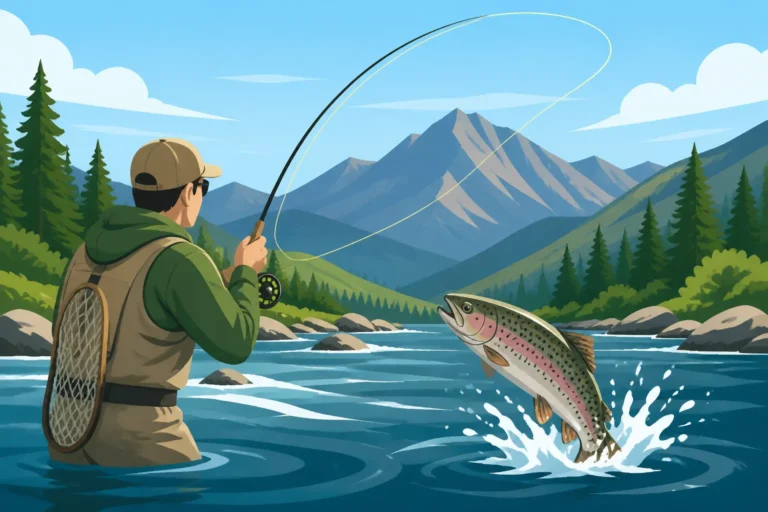
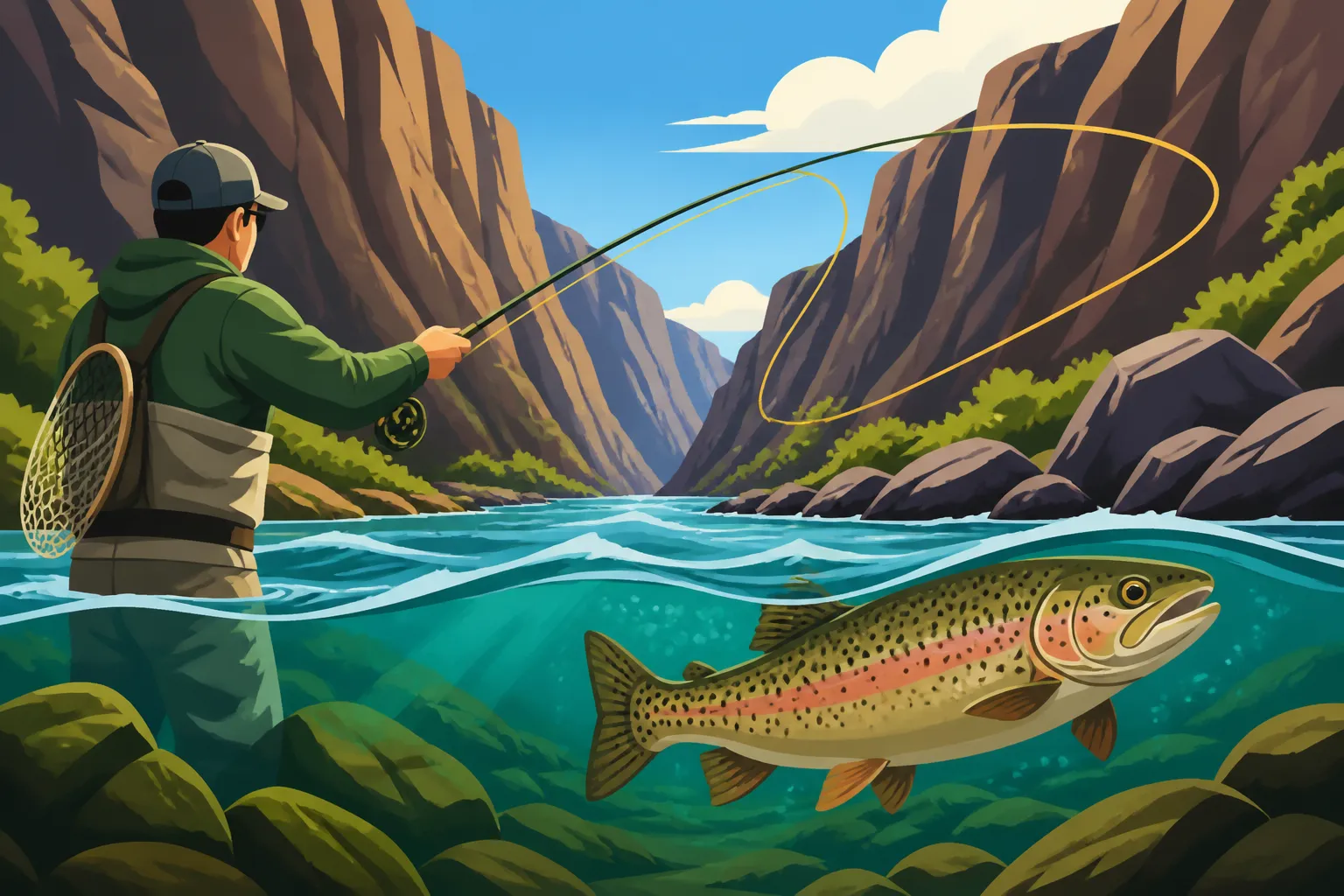
The heart of the Gunnison Gorge's Gold Medal status lies in its phenomenal wild trout populations. While rainbow trout are present, this stretch is most famous for its incredible density of wild Brown Trout in Colorado, Where They're Wild. These browns thrive in the cold, oxygenated water, feeding on abundant aquatic insects like caddisflies, stoneflies, and mayflies, as well as sculpins and other baitfish. Many of these fish routinely exceed the 14-inch minimum for Gold Medal qualification, with numerous browns pushing into the 20-inch range and beyond. Because these fish are wild and reproduce naturally, they are incredibly strong, vibrant, and wary – making them a thrilling challenge for even experienced anglers. This wild, self-sustaining population is a testament to the health and vitality of the ecosystem within the gorge, demonstrating why it's such a treasured fishery. You can find more details on this incredible stretch in our guide to Fishing Colorado's Gunnison River and the Black Canyon.
Consistent Public Access Opportunities
While remote, the Gunnison Gorge is thankfully publicly accessible, albeit with some effort and planning. The primary access points involve a challenging hike down into the canyon or, more commonly, a float trip through the wilderness. The CPW, along with the Bureau of Land Management (BLM), manages this area to ensure both preservation and recreational opportunity. Anglers can usually secure a permit to float the Gunnison Gorge, often booked well in advance, providing a multi-day wilderness experience that combines challenging fishing with stunning scenery. For those seeking a walk-in experience, paths like the Chukar Trail offer access, though it’s a steep descent and ascent. This blend of remote wilderness and managed access ensures that the gorge remains a pristine, sought-after destination for those willing to put in the effort. Always check current regulations and permit requirements before planning your trip. Our article on How to Get a Permit to Float the Gunnison Gorge can provide specific details.
Fishing Challenges and Rewards in the Gunnison Gorge
Fishing the Gunnison Gorge is not for the faint of heart, but the rewards far outweigh the challenges. It’s a journey into true wilderness, demanding preparation, skill, and respect for nature. Every cast here feels like an adventure, and every hook-up is hard-earned.
Navigating the Gorge's Remote Terrain
One of the biggest factors defining the Gunnison Gorge experience is its remote and rugged terrain. Whether you're hiking in or floating through, you're entering a true wilderness area with limited cell service and no easy bail-out points. The trails, like the Chukar Trail, are notoriously steep, descending hundreds of feet in a short distance, making for a strenuous hike, especially with fishing gear. For float trips, you'll be navigating challenging whitewater, particularly during high flows, requiring experienced oarsmen or a professional guide. This remoteness, while challenging, is also a huge part of the allure. It filters out casual anglers, preserving the solitude and wildness that dedicated fly fishers cherish. Preparation, physical fitness, and good navigation skills are paramount, and it's always wise to let someone know your itinerary.
Prime Seasons and Techniques for Success
The Gunnison Gorge offers excellent fishing opportunities throughout the year, but each season presents its own unique advantages and challenges. Spring brings increasing insect activity and rising water levels due to runoff, making nymphing and streamer fishing effective. However, When Colorado's Spring Runoff Hits and How to Fish Around It means conditions can be tough. Summer sees consistent hatches and more favorable wading conditions, perfect for dry-fly enthusiasts, especially in the mornings and evenings. Fall is arguably the most popular season, as large brown trout become aggressive before their spawn. This is a prime time for streamer fishing, targeting those truly massive fish. Winter offers a serene, solitary experience for hardy anglers, with midge fishing being the dominant technique in clear, cold water. Regardless of the season, common techniques like nymphing with heavy tungsten patterns, stripping large streamers, and carefully presenting dry flies during hatches are often key to success. For specific recommendations, check out our guide on the Best Flies for Colorado's Gold Medal Trout Water.
Here's a quick overview of what to expect seasonally:
| Season | Typical Water Conditions | Primary Techniques | Target Species | Notes |
|---|---|---|---|---|
| Spring (April-May) | Rising, often turbid due to runoff | Nymphing, Streamers | Brown, Rainbow | Challenging due to high water. |
| Summer (June-August) | Clear, stable flows, warmer | Dry Flies, Nymphing | Brown, Rainbow | Great for hatches; can be hot. |
| Fall (September-November) | Clear, cooling flows | Streamers, Nymphing | Brown (pre-spawn), Rainbow | Trophy brown trout potential. |
| Winter (December-March) | Low, clear, cold flows | Midges, Small Nymphs | Brown, Rainbow | Solitude, technical fishing. |
The Unforgettable Angling Experience
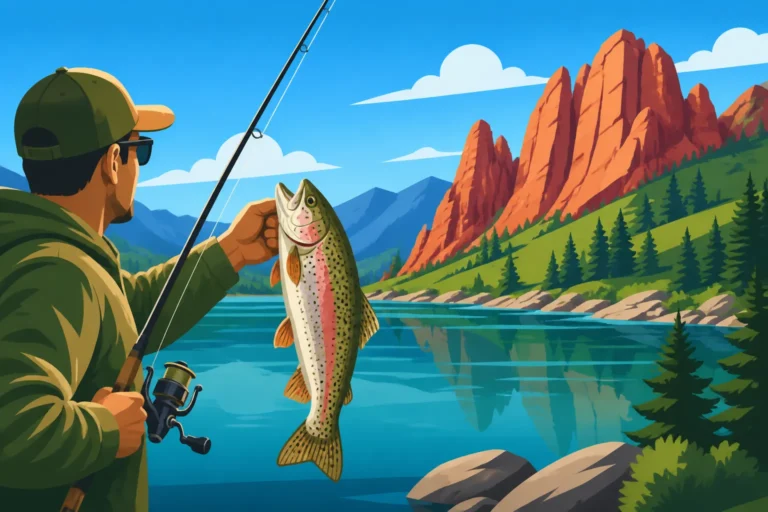
Despite the logistical hurdles, the fishing in the Gunnison Gorge offers an experience that few other places can match. Imagine floating through towering canyon walls, eagles circling overhead, with no sound but the rushing river and your line whispering through the air. The fish you encounter are wild, strong, and incredibly beautiful, often displaying vibrant colors from living in such a pristine environment. Hooking into a 20-inch wild brown trout here, after navigating rapids or hiking miles into the canyon, is a memory that lasts a lifetime. It’s not just about the fish; it’s about the total immersion in one of Colorado’s most breathtaking and untamed landscapes. It's a place that strips away the distractions of modern life, leaving you fully present in the moment, connected to the ancient rhythms of the river.
Planning Your Trip to the Gunnison Gorge
A trip to the Gunnison Gorge requires meticulous planning and preparation. This isn't a spur-of-the-moment decision; it's an expedition that demands respect for the wilderness and foresight in your arrangements.
Essential Gear and Preparations
Packing wisely is crucial for any Gunnison Gorge adventure. For walk-in anglers, sturdy hiking boots are non-negotiable, along with a comfortable backpack to carry your rod, reel, waders, wading boots, a substantial first-aid kit, plenty of water, high-energy snacks, and rain gear. Layers of clothing are essential, as canyon temperatures can fluctuate wildly. A good wading staff will be your best friend, offering stability on slippery rocks and in strong currents. For float trips, durable waterproof bags for all your gear, a robust raft or drift boat, and all necessary safety equipment (PFDs, throw bags, repair kits) are mandatory. A satellite communication device is highly recommended given the lack of cell service. Remember to consult Colorado Fishing Regulations Every Angler Should Know before you go, as specific rules for bait, barbless hooks, and catch limits may apply, particularly in Gold Medal waters.
Hiring a Guide for a Gunnison Gorge Expedition
For many, especially those new to the area or seeking to maximize their fishing time, hiring a professional guide is the best way to experience the Gunnison Gorge. A good guide offers invaluable expertise, navigating the treacherous terrain or whitewater, knowing where the fish are holding, and understanding the most effective techniques for current conditions. They'll often provide all the necessary fishing gear, flies, and even delicious riverside lunches. Given the challenges of the gorge, a guide not only enhances your success but also significantly improves your safety. There are many reputable outfitters in the Gunnison area, and platforms like FishingBooker can be an excellent resource for finding and booking experienced guides. It simplifies the logistical nightmare of planning such a trip. To learn more about what to expect and how to choose, consider reading Hiring a Fishing Guide in Colorado, What to Expect. If a multi-day float trip through this magnificent canyon sounds like your dream, explore options for Guided Overnight Float Trips Through the Gunnison Gorge. Many guides specialize in specific types of trips, from challenging wade-fishing excursions to multi-day float trips, and they can provide insights into current conditions, hatch reports, and permit requirements, making your planning much easier. FishingBooker lists several top-rated guides who are intimately familiar with the Gorge and its unique demands.
Conclusion
The Gunnison Gorge is more than just a Gold Medal Water; it’s an iconic Colorado fishery that embodies the spirit of wilderness angling. Its combination of pristine habitat, robust wild trout populations, and challenging yet rewarding access makes it a truly special place. From the sheer cliffs to the abundant aquatic life and the powerful brown trout that call it home, every aspect of the gorge contributes to its legendary status. Whether you choose to hike in for a day or embark on a multi-day float trip, a visit to the Gunnison Gorge promises an unforgettable experience that will challenge your skills and enrich your soul. It stands as a testament to Colorado’s commitment to preserving its natural treasures for generations of anglers to come.
Disclaimer
The information provided in this guide is for general informational purposes only and is subject to change. Always consult the official Colorado Parks and Wildlife (CPW) regulations and local authorities before planning any fishing trip to ensure compliance with current laws, permit requirements, and safety guidelines. Fishing conditions and access can vary greatly depending on weather, season, and river flows.