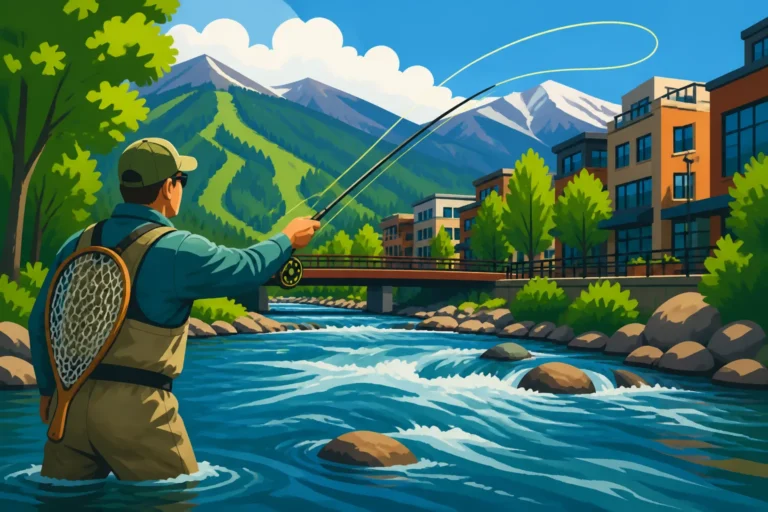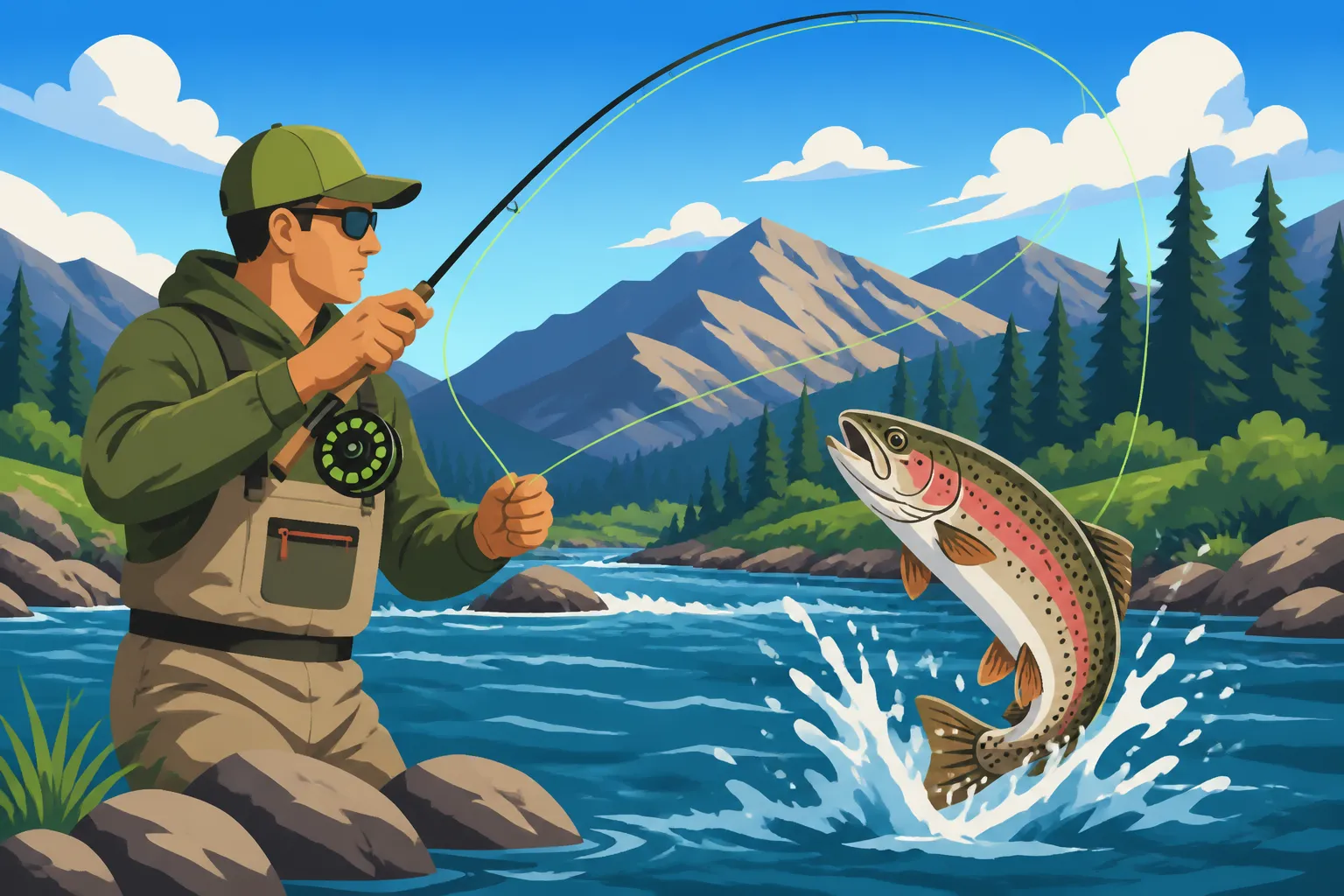
Fishing the South Platte Near Deckers
Fishing the South Platte River near Deckers is a dream for many anglers, but it can also be incredibly intimidating. The sheer number of people, the technical nature of the fishing, and the wary trout can make a first-time (or even a tenth-time) visit feel like an uphill battle. This guide will walk you through everything you need to know to confidently tackle this famous Gold Medal water, from understanding its unique character to the specific tactics that lead to success.
Why Deckers is a Premier Colorado Fishing Destination
The South Platte River through the Deckers area isn't just another stretch of water; it's a legendary fishery, often celebrated as one of Colorado's crown jewels for fly fishing. Its reputation precedes it, drawing anglers from across the state and beyond, all eager to test their skills against its notoriously selective trout. Understanding what makes this section of river so special is the first step to appreciating its challenges and rewards.
The Allure of Gold Medal Waters
Colorado's "Gold Medal Water" designation isn't given lightly. It's reserved for sections of rivers and lakes that consistently produce large trout (over 14 inches) at a rate of at least 60 pounds per acre, along with a minimum of 12 trout over 14 inches per acre. The South Platte near Deckers proudly holds this title, specifically from Cheesman Dam downstream to the confluence with the North Fork of the South Platte River. This designation isn't just a badge of honor; it means the conditions here are ideal for supporting a thriving, robust trout population. The consistent, cold water flows released from Cheesman Reservoir provide a stable environment, rich with insect life, allowing trout to grow to impressive sizes. It’s truly a special place, but with that comes immense pressure. Expect to share the river with many other passionate anglers, especially on weekends and holidays. If you're wondering about the specific rules for these prized sections, you'll want to check out the details on what makes Colorado's Gold Medal Water Rules so unique.
Fish Species and Size
When you cast a line into the South Platte at Deckers, you're primarily targeting brown trout and rainbow trout, with a smattering of cutthroat and brook trout occasionally mixed in. The rainbows here are often strong, acrobatic fighters, while the brown trout can be incredibly elusive, growing to truly massive sizes and demanding respect. These fish are not only numerous but, thanks to the rich ecosystem and ample food supply, they are also exceptionally well-fed and robust. It's not uncommon to hook into trout in the 16-20 inch range, with much larger specimens being landed regularly by those who master the technical aspects of this fishery. The abundance of aquatic insects, from tiny midges to larger mayflies and caddis, provides a constant buffet, fueling their growth and making them notoriously picky eaters. Knowing how to identify Colorado's Trout Species, A Field Guide can be a big help in appreciating your catch.
Essential Gear and Tactics for Deckers' Challenging Waters
Fishing Deckers requires more than just showing up with a rod and reel; it demands a thoughtful approach, precise gear, and refined techniques. The trout here are educated, having seen countless flies drift by, and they're not easily fooled. Successfully fishing this river means understanding the nuances of presentation and fly selection.
Nymphing Dominance
Without a doubt, nymphing is the bread and butter technique for most anglers at Deckers. The majority of a trout's diet consists of subsurface insects, and the constant flow of the South Platte ensures a steady drift of nymphs. A typical setup involves a 9-foot, 4- or 5-weight fly rod, a floating fly line, a long leader (9-12 feet), and often a strike indicator to detect those subtle takes. The key is to achieve a drag-free drift, mimicking a natural insect tumbling along the riverbed. This often means using multiple split shot weights and adjusting them frequently based on water depth and current speed.
Fly selection is critical. Deckers is famous for its tiny insects, especially during the colder months, so having a good selection of small midge patterns (like tiny RS2s, Disco Midges, Zebra Midges) in sizes 18-24 is essential. Blue-Winged Olives (BWOs) in sizes 18-22 are also incredibly important, especially on cloudy days. As the season progresses, caddis larvae and pupa (like a LaFontaine's Sparkle Pupa or Caddis Larva patterns) become more relevant, along with various mayfly imitations such as small Pheasant Tails and Hare's Ears. Sometimes, a larger attractor nymph like a San Juan Worm or an Egg pattern can be effective, especially after a fresh stocking or during higher flows, but usually, it's about going small and subtle. For a deeper dive into techniques, consider exploring Nymphing Techniques for Colorado Tailwaters. Remember, this is a Gold Medal fishery, so barbless hooks are mandatory. Be sure you understand the Barbless Hook Rules on Colorado Rivers before you cast.
Reading the Water and Approach
The South Platte at Deckers is a mosaic of riffles, runs, pools, and pockets, each holding potential for trout. Learning to "read the water" is paramount. Trout will typically hold in areas where food is abundant but the current isn't too strong, allowing them to conserve energy. Look for seams where faster and slower currents meet, behind large rocks, in deeper runs, and under cut banks. These are prime holding spots.
However, simply knowing where to cast isn't enough; your approach needs to be stealthy. These fish are incredibly wary. Wear natural, muted colors, move slowly, and avoid splashing or making sudden movements that could spook them. Often, the angler who can get closest to the fish without being detected, and present a perfect drag-free drift, will be the one who finds success. Try to cast upstream and allow your flies to drift naturally into the fish's feeding lane, ensuring your fly line doesn't create drag on the surface. Understanding how to Read Water on a Colorado Freestone River is a skill that will serve you well here.
Suggested Fly Patterns for Deckers (Year-Round)
| Season | Dominant Hatches/Insects | Recommended Fly Patterns (Size Range) | Notes |
|---|---|---|---|
| Winter | Midges, BWOs | Zebra Midge (18-24), RS2 (18-22), Disco Midge (20-24) | Focus on tiny nymphs and slow retrieves. |
| Spring | BWOs, Caddis, Stoneflies | Pheasant Tail (16-20), Caddis Larva (16-18), Pat's Rubber Legs (12-16) | Nymphing is key, some dry fly action on warm days. |
| Summer | Caddis, Green Drakes, Terrestrials | Elk Hair Caddis (14-18), Green Drake Nymph (12-16), Foam Hopper (8-14) | More dry fly opportunities, especially evenings. |
| Fall | BWOs, Midges, Streamers | Barr's Emerger (18-20), Egg Patterns (14-16), Woolly Bugger (6-10) | Nymphing and streamer fishing for aggressive browns. |
Navigating Access and Etiquette at Deckers
Deckers is a popular destination, and while that means plenty of company, it also means that good etiquette is crucial. Knowing where to go and how to behave will make your experience, and everyone else's, much more enjoyable.
Key Access Points and Parking
The South Platte River near Deckers offers several well-known access points. Starting from the top, just below Cheesman Dam, you'll find limited parking and a steep hike into the canyon, a challenging but rewarding area known as Cheesman Canyon on the South Platte. Further downstream, the "Deckers" area itself offers more accessible parking and river access along County Road 126. Popular spots include the "Bridge," "Scraggy View," "Trumbull," and "Five Points." Many of these areas have designated parking lots managed by the U.S. Forest Service, often requiring a day-use fee or a valid federal recreation pass. Always check signs carefully for parking regulations and fees. On busy days, parking fills up fast, so arriving early is often your best bet. Some anglers also utilize nearby campgrounds like Lone Rock or Sprucewood to gain early access.
Understanding Crowds and Angler Etiquette
Given its popularity, Deckers can get incredibly crowded, especially on weekends, holidays, and during prime hatches. It's not uncommon to see anglers spaced just feet apart. This makes good angler etiquette not just polite, but essential for a peaceful day on the water.
- Respect "The Hole": If someone is fishing a prime run or a deep hole, don't walk directly into it or cast over their line. Wait for them to move, or choose another spot.
- Give Space: A general rule of thumb is to give other anglers at least 50-100 feet of space, more if the river allows. If you approach someone, ask politely if you can fish upstream or downstream of them.
- Don't High-Hole: Never walk upstream and start fishing above someone who has been working their way up. This is considered highly disrespectful. Always start downstream of other anglers and work your way up, or find an open spot.
- Wade Smart: Wade only when necessary, and do so carefully to avoid disturbing the riverbed and spooking fish.
- Catch and Release: While not all Gold Medal Waters are strictly catch-and-release, many anglers at Deckers practice it religiously to preserve the fishery. Handle fish minimally with wet hands, keep them in the water as much as possible, and revive them gently before release. For best practices, review How to Handle Trout for a Safe Release.
- Leave No Trace: Pack out everything you pack in, and perhaps even pick up any litter you find.
If you're looking for an alternative to navigating the crowds alone, hiring a local guide can be an excellent option. Services like FishingBooker can help you find experienced guides who know the lesser-fished spots and can teach you the intricacies of the river, making your trip more enjoyable and productive.
Seasonal Strategies for Deckers
The South Platte at Deckers fishes well year-round, but the conditions and dominant tactics change with the seasons. Adapting your approach to the time of year is key to consistent success.
Spring and Fall Opportunities
Spring (March-May): This is a fantastic time to fish Deckers, often considered by many to be among the Best Colorado Rivers to Fish in June and the surrounding months. As water temperatures slowly rise, insect activity picks up significantly. Blue-Winged Olive (BWO) hatches can be prolific on cloudy, warmer days, bringing trout to the surface for exciting dry fly action. Nymphing remains highly effective, with midge and BWO imitations being top producers. Be mindful of Colorado's spring runoff, which typically peaks in late May and early June. While Deckers, being a tailwater, is less affected by runoff than freestone rivers, flows can still increase dramatically, requiring heavier nymph rigs and careful wading. Understanding Why Colorado Rivers Run High and Muddy in Late May can help you plan.
Fall (September-November): Many consider autumn to be prime time at Deckers, especially for targeting larger brown trout. The cooler water temperatures make fish more active, and the brown trout begin their pre-spawn feeding frenzy. Streamer fishing can be incredibly effective during this period, particularly early mornings and late evenings. Nymphing with larger patterns, egg patterns, and a variety of attractor flies also shines. BWO and midge hatches continue, offering dry fly chances on warmer days. This is a time when the bigger fish become more aggressive and less cautious, making it a thrilling time to be on the water.
Summer Challenges and Winter Wonders
Summer (June-August): Summer fishing at Deckers can be a mixed bag. While mornings and evenings can offer excellent dry fly fishing with caddis and various mayflies, midday can be tough. The bright sun and warmer water push trout into deeper, faster, or more shaded lies, making them even more lethargic and selective. Early morning nymphing is generally the most consistent tactic. Terrestrial patterns like hoppers, ants, and beetles can also be very effective, especially near grassy banks, if you're looking for surface action. Be aware of potential river closures during drought years or extreme heat, as Colorado Parks and Wildlife (CPW) might implement voluntary or mandatory restrictions to protect the trout from thermal stress.
Winter (December-February): Don't let the cold deter you; winter fishing at Deckers can be phenomenal for those willing to brave the elements. The crowds thin out considerably, and the fishing, while technical, can be incredibly rewarding. Midges are the dominant insect hatch during winter, often happening in the warmest part of the day, usually between 11 AM and 3 PM. Focus on tiny midge larva, pupa, and adult patterns. Slow, methodical nymphing with small flies is the name of the game. On calm, sunny days, you might even encounter pods of trout rising to tiny adult midges, offering a unique dry fly challenge. Winter fishing on Colorado's Tailwaters can be surprisingly productive, but dressing in layers and being prepared for cold weather is essential. You'll also need a valid Colorado Fishing License Guide for Residents and Nonresidents, no matter the season.
Disclaimer
Please note that fishing regulations, conditions, and access points can change. Always check the latest Colorado Parks and Wildlife regulations and local conditions before heading out on your fishing adventure.