Fishing Carter Lake Near Loveland
Fighting Front Range traffic only to land at a wind-whipped lake with unresponsive fish is a special kind of weekend frustration. Tucked into the foothills southwest of Loveland, Carter Lake is a premier multi-species fishery, but its deep waters and steep drop-offs can intimidate even seasoned anglers. This guide breaks down access points, seasonal fish movements, effective rigging, and local regulations so you can land trout, walleye, and bass on your next trip.
Target Species and Seasonal Patterns at Carter Lake
Carter Lake is a 1,100-acre reservoir managed by Larimer County Parks and Open Spaces, filled with water pumped from the Colorado River Basin as part of the Colorado-Big Thompson Project. Because it rests at an elevation of roughly 5,760 feet and drops to depths exceeding 150 feet, it maintains cold, well-oxygenated water year-round. This deep-water environment creates distinct ecological zones that allow coldwater species like rainbow trout and kokanee salmon to thrive alongside warmwater predators like walleye, smallmouth bass, and yellow perch.
Understanding how seasonal weather shifts affect these species is the key to spending less time casting into empty water and more time bending your rod.
Walleye and Smallmouth Bass Tactics
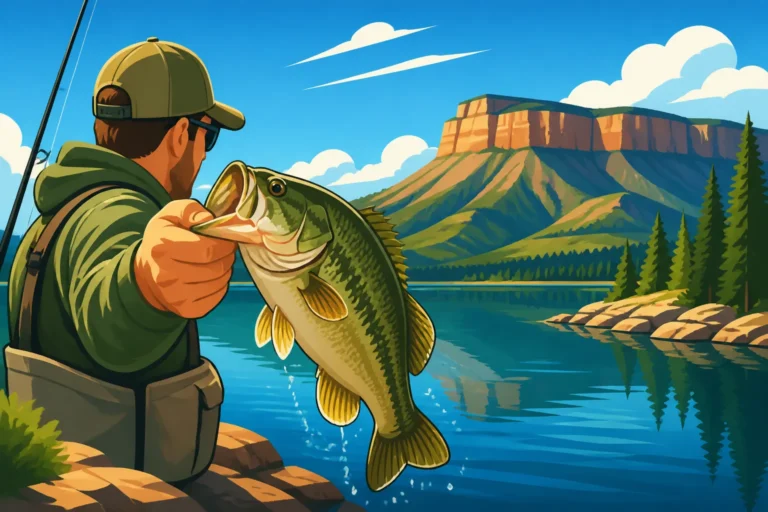
When spring rolls into the Front Range, the rocky talus slopes and concrete dam structures around Carter Lake warm up faster than the main water column. Smallmouth bass emerge from their winter lethargy in late April and early May, migrating toward the shallow, boulder-strewn shorelines along the eastern and southern edges. During this pre-spawn period, casting three-inch green pumpkin tube jigs, soft plastic crayfish imitations, or small diving crankbaits close to the rocks yields aggressive strikes. As summer takes hold and surface temperatures climb, smallmouths drop down to the 15- to 30-foot depth range along underwater ledges and rock humps.
Walleye follow a somewhat similar thermal routine but behave much more like elusive nocturnal hunters. In early spring, walleye move along the shallow riprap of the three dams to spawn at night. Anglers working slender minnow plugs like Rapalas or jerkbaits slowly near the shore can experience world-class action from dusk until midnight. By mid-summer, these fish retreat to deep offshore structure, suspension zones, and the deep channels near the saddle dam.
Trolling bottom bouncers rigged with nightcrawler harnesses or drifting live bait on a Lindy rig becomes the primary tactic. For deeper structure, targeting those mid-lake humps requires patience and precise boat control, which is why many visiting anglers look up local captains on FishingBooker to learn the nuances of electronic fish-finding on this specific body of water. To stay fully legal while keeping fish for dinner, make sure you know Colorado’s Daily Walleye Limit before filling your cooler.
Rainbow Trout and Kokanee Salmon Opportunities
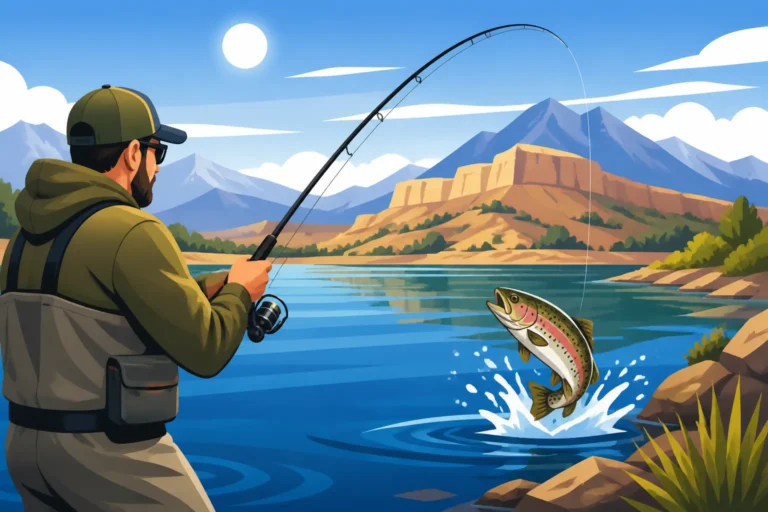
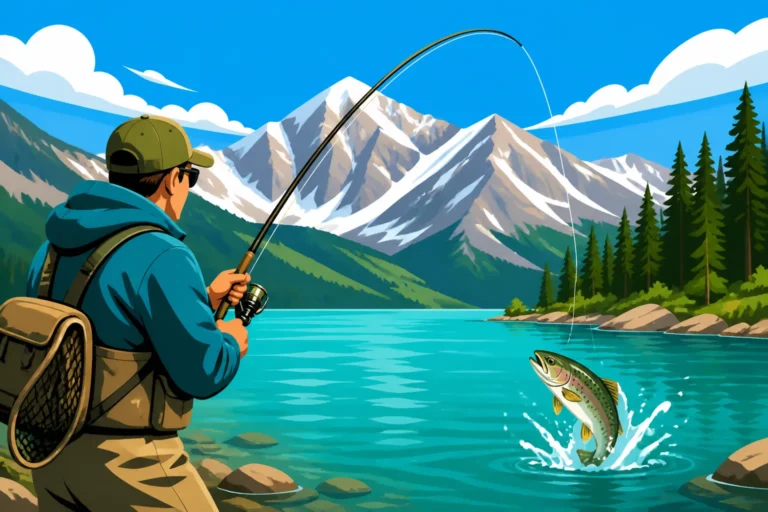
If you prefer consistent action, rainbow trout are the reliable backbone of Carter Lake. Colorado Parks and Wildlife (CPW) regularly stocks thousands of catchable-sized rainbows here every season. For details on statewide hatchery efforts, check out Rainbow Trout in Colorado, Where They’re Stocked. In early spring and late fall, these trout swim close to the surface and near the shoreline, feeding on emerging midge hatches and terrestrial insects blown off the surrounding hillsides. Shoreline anglers throwing basic powerbait rigs, salmon eggs, or classic inline spinners like Mepps and Panther Martins frequently bag limits during these cooler months.
Kokanee salmon offer a unique deep-water challenge for reservoir anglers. While not as dominant here as they are in massive mountain impoundments, Carter Lake holds a self-sustaining or periodically supplemented population of kokanee that stay deep throughout the summer. Trolling with downriggers or lead-core line using small dodgers paired with pink or orange squid skirts tipped with shoepeg corn is the gold-standard method. Look for suspended schools of salmon holding in the cool thermocline between 35 and 60 feet deep during July and August.
When autumn arrives, mature kokanee undergo a dramatic transformation, turning brilliant shades of red and moving toward shoreline areas and intake structures in an attempt to spawn. This brief window in late September and October gives shoreline casters a rare chance to hook these hard-fighting fish on small spoons and bright flies.
CARTER LAKE TARGET SPECIES QUICK GUIDE
| Species | Peak Season | Target Depth | Proven Bait / Lure |
|---|---|---|---|
| Smallmouth Bass | May – June | 5 – 20 feet | Tube Jigs, Ned Rigs |
| Walleye | May – July | 15 – 40 feet | Crawler Harnesses, Plugs |
| Rainbow Trout | April – June | Surface – 15 feet | Inline Spinners, Paste |
| Kokanee Salmon | July – October | 35 – 60+ feet | Dodgers & Pink Squids |
Access Points, Boating Regulations, and Shoreline Spots
Accessing Carter Lake requires navigating both state fishing laws and county land management policies. Unlike state-run parks where a Colorado State Parks pass handles entry, Carter Lake is operated by Larimer County. It is common for anglers to get confused by the entry rules, so reviewing Colorado State Park Passes vs Fishing Licenses is a smart first step when planning a northern Colorado fishing trip.
Navigating Boat Ramps and Park Permits
To enter the park, every vehicle must display a valid Larimer County Parks daily or annual vehicle permit, which can be purchased at self-service kiosks near the entrance gates or online prior to arrival. Anglers age 16 and older must also possess a valid state fishing license. If you are new to the state or traveling in from out of town, read our comprehensive Colorado Fishing License Guide for Residents and Nonresidents to ensure you have the proper credentials signed and saved on your device before heading out.
Boating access on Carter Lake is well-maintained, though strictly regulated to prevent the introduction of aquatic nuisance species (ANS) like zebra and quagga mussels. There are two primary boat ramps available to the public:
- North Boat Ramp: Located near the marina on the northeast shore, this ramp offers multiple launch lanes, ample trailer parking, and a mandatory ANS inspection station. It provides quick access to the deep north basin and main dam.
- South Boat Ramp: Situated near the southern end of the reservoir, this location features a modern launch facility, restroom amenities, and direct access to shallow bay structures and rocky western shorelines.
Before launching any motorized vessel, trailered craft, or sailboat, you must pass a physical boat inspection at an official ANS station. Inspectors check live wells, bilges, and drain plugs to verify everything is completely clean, drained, and dry.
Operating hours for the boat ramps vary by season, with ramp gates opening at dawn and closing around dusk during peak summer months. Water skiing and jet skiing are permitted in designated areas, so early morning fishing is highly recommended if you want calm water before recreational boaters create wake.
Top Shoreline Locations for Bank Anglers
You do not need an expensive bass boat or a decked-out pontoon to catch fish at Carter Lake. Miles of publicly accessible shoreline allow bank anglers to wander, scout rock formations, and pick off feeding fish. The topography features steep drop-offs close to shore, meaning deep water is often just a short cast away.
Here are the top three shoreline spots to explore:
- The Saddle Dam Area: Located on the northwest side of the reservoir, the saddle dam provides a wide concrete shoreline and gravel points where rainbow trout like to cruise. The water drops off gradually here compared to the main dam, making it an ideal place to set up lawn chairs, cast bait on a slip-rig, and wait for hungry rainbows or daytime walleye.
- Eastern Talus Shoreline: The rocky eastern shore features giant boulder fields and steep ledges. Wading carefully along these rocks while casting soft plastics or small crankbaits is arguably the best pattern for catching heavy smallmouth bass. For broader regional context on targeting bronzebacks, check out our guide to the Best Waters for Smallmouth Bass in Colorado.
- South Outlet and Bay: Near the southern end, shallow coves offer protected water where panfish, bass, and newly stocked trout gather. Early in the morning, topwater lures worked along the brushy edges of these bays can produce thrilling bass strikes.
For those without personal watercraft who want to target deep structure, booking a local charter through FishingBooker is a great way to access parts of the reservoir that bank fishing simply cannot reach.
Practical Fishing Techniques and Seasonal Strategies
Success at Carter Lake boils down to adapting your presentation to the vertical nature of the lake. Because the banks drop away rapidly into deep water, fish use the water column differently here than they do at shallower nearby warmwater fisheries like Fishing Boyd Lake State Park Near Loveland. Adjusting your terminal tackle to sink rapidly and stay in the strike zone longer is essential.
Year-Round Rigging Strategies
To catch fish consistently across changing seasons, master these three proven rigging techniques:
- The Slip-Bobber Rig for Trout and Walleye: A slip-bobber allows you to suspend live bait, such as a leech or nightcrawler, at precise depths anywhere from 5 to 30 feet deep without making casting impossible. Thread a bobber stop onto your main line, add a glass bead, slide on the slip float, tie on a light barrel swivel, attach a 3-foot fluorocarbon leader, and finish with a size 6 baitholder hook. Adjust the stop so your bait hovers two feet above underwater rocks.
- The Bottom Bouncer with Crawler Harness: When walleye settle into 20 to 35 feet of water along the mud flats and dam bases, trolling at 1.0 to 1.5 mph with a 1- to 2-ounce bottom bouncer keeps your bait right in their strike zone. Attach a 4-foot leader with a dual-hook harness, add a bright brass or chartreuse Colorado blade, and tip both hooks with a whole live nightcrawler.
- Ned Rigs and Micro Jigs for Bass: Smallmouth bass in clear water can be exceedingly finicky. A 1/16-ounce mushroom head jig paired with a 2.5-inch muted-colored plastic worm (Ned rig) sinks slowly down steep rock faces. Allow the rig to drop on a slack line, then gently hop it along the bottom.
If you enjoy exploring different body-of-water dynamics along the Front Range, comparing your experiences here to Fishing Horsetooth Reservoir Near Fort Collins will give you a well-rounded understanding of how foothill reservoirs behave compared to low-lying plains lakes.
Local Regulations and Conservation Ethics
Larimer County Parks and CPW enforce strict conservation regulations to maintain a healthy fishery despite heavy recreation pressure from nearby cities like Loveland, Longmont, and Denver. Before heading to the water, review the latest state regulation booklet or read Colorado Fishing Regulations Every Angler Should Know.
- Bait Regulations: Using live aquatic baitfish like minnows or shad is heavily restricted or prohibited to prevent accidental introductions of non-native species. Check current local guidelines before bringing live bait onto the water.
- Catch and Release Handling: Carter Lake’s deep water means fish pulled up quickly from depths below 30 feet can suffer from barotrauma (expansion of the swim bladder). If you plan to release walleye or trout caught in deep water, reel them in slowly to allow their bodies to adjust, and use a specialized descending device if necessary.
- Clean Your Gear: Always wash waders, boots, and float tubes thoroughly between trips to stop the spread of invasive New Zealand mudsnails and whirling disease.
If you are planning an extended trip to the region or want to book an experienced charter captain to show you hidden offshore humps, exploring options on FishingBooker can save you time and help you hit the water fully prepared.
Summary Checklist for Fishing Carter Lake
Before pulling out of your driveway bound for Carter Lake, run through this quick checklist to ensure a smooth, problem-free day on the water:
- Vehicle Entry Permit: Purchase a Larimer County Parks daily or annual vehicle pass at the gate kiosk or online.
- Valid Fishing License: Ensure everyone in your party age 16 and older has a valid Colorado license on hand.
- ANS Boat Inspection: Ensure your boat, live wells, and bilge are completely clean, drained, and dry prior to reaching the inspection station.
- Appropriate Gear: Bring terminal tackle suited for deep-water presentations, such as bottom bouncers, slip bobbers, and heavy jigheads.
- Weather Layering: Mountain foothill weather changes fast; pack wind layers, sun protection, and plenty of fresh water.
By understanding the lake’s seasonal shifts, respecting local land access rules, and adapting your tactics to deep water, fishing Carter Lake near Loveland offers some of the most rewarding angling on Colorado’s Front Range.
Disclaimer
This article is for general informational purposes only and does not constitute professional advice. Laws, prices and regulations vary by location and change over time. Consult a qualified professional for guidance on your specific situation.