Fishing the Grand Mesa’s Lands End Lakes
Many anglers dream of escaping the crowded rivers and bustling reservoirs of Colorado for a truly serene high-country experience, only to find that accessing these pristine spots can be a huge challenge. Rough roads, long hikes, and inconsistent fishing can make the effort feel overwhelming. But what if I told you there’s a stunning area on the Grand Mesa where incredible high-altitude lake fishing is not only possible but often more accessible than you’d imagine? This guide will take you deep into the heart of fishing the Grand Mesa's Lands End Lakes, revealing everything you need to know for a memorable and productive trip.
What Makes Lands End Lakes So Special?
The Grand Mesa, with its vast expanse of forests, meadows, and over 300 lakes, is a true gem in Colorado. Among its many treasures, the Lands End Lakes stand out, offering a unique blend of accessibility, stunning scenery, and fantastic fishing opportunities. This isn't just another cluster of ponds; it's an ecosystem that thrives in the high-altitude environment, providing a diverse challenge and reward for any angler willing to explore.
The Unique High-Altitude Environment
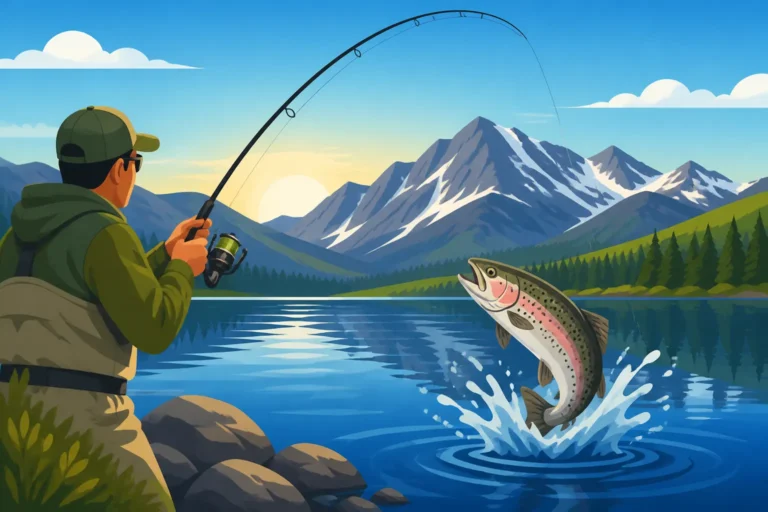
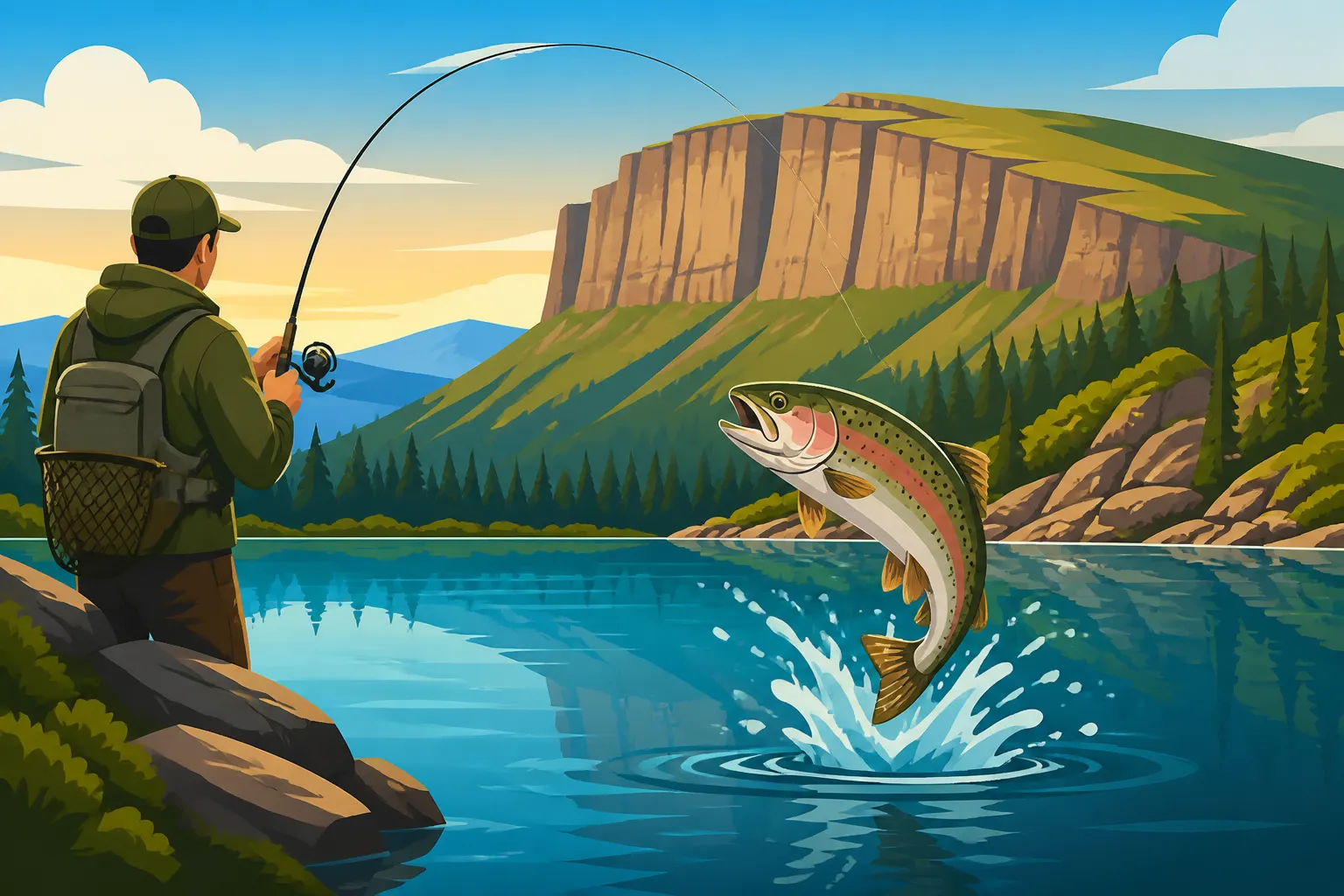
Imagine standing at over 10,000 feet, surrounded by towering pines and aspens, with crystal-clear water reflecting the vast Colorado sky. That's the typical setting for the Lands End Lakes. This high elevation means a shorter fishing season, generally from June through October, as these lakes are often locked under ice for much of the year. The cooler temperatures, even in summer, contribute to the vibrant health of the fish populations here. The solitude you'll often find, far from the highway noise, is a major draw, allowing for a truly immersive experience in nature. It's a stark contrast to some of the more well-known rivers and reservoirs, offering a different kind of challenge and beauty. If you're wondering When Alpine Lakes Above 11,000 Feet Thaw Out, the Lands End area is a prime example of such waters.
Species You'll Encounter
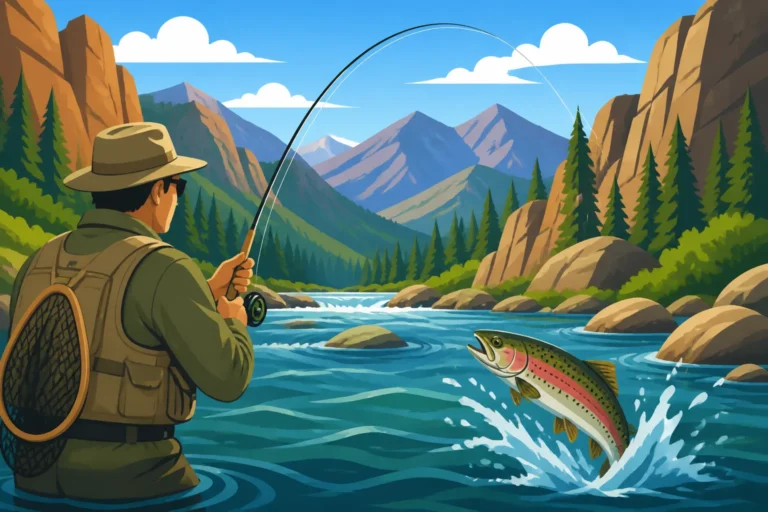
The Lands End Lakes are a diverse fishery, home to several species of trout that thrive in these cold, oxygen-rich waters. The most commonly targeted fish include Rainbow Trout, Brook Trout, and various Cutthroat Trout subspecies. Colorado Parks and Wildlife (CPW) actively manages many of these lakes through stocking programs, ensuring healthy populations. You might even stumble upon a vibrant Colorado River Cutthroat Trout in some of the more pristine, less-pressured waters, making for a truly special catch. Brook Trout, with their distinctive worm-like markings and vibrant orange fins, are particularly common in many of the smaller, higher elevation lakes, often found in impressive numbers. For a deeper dive into what swims in Colorado, check out our guide on Colorado's Trout Species, A Field Guide. It's always a good idea to check specific lake regulations as some may have special rules for native cutthroat conservation.
Planning Your Trip to Lands End Lakes
A successful trip to the Grand Mesa's Lands End Lakes requires a bit of foresight, especially given the remote nature and high-altitude conditions. From understanding the best time to go to packing the right gear, preparing adequately will ensure your adventure is enjoyable and productive.
Best Time to Visit and Road Access
The fishing season for Lands End Lakes typically kicks off in late spring or early summer, usually around late May or early June, once the ice has melted and the snow has cleared enough to allow road access. Prime fishing usually extends through July and August, when insect hatches are robust and fish are actively feeding. As fall approaches in September and October, the aspen trees turn a brilliant gold, offering a stunning backdrop, and fish often become more aggressive as they prepare for winter. However, access can become challenging again with early snows, so always check local conditions before heading out.
Access to many of the Lands End Lakes is via well-maintained gravel roads (like Lands End Road itself, which is paved for a good stretch), but some of the smaller, more remote lakes might require navigating rougher forest service roads. A vehicle with good clearance is often recommended, and sometimes 4×4 is necessary, especially after heavy rains or early in the season when mud can be an issue. Always carry a spare tire and know how to change it, as cell service can be spotty to non-existent in many areas. Parking is generally available near trailheads or designated lake access points. We highly recommend checking the U.S. Forest Service Grand Mesa, Uncompahgre, and Gunnison National Forests website or local ranger stations for current road conditions before you depart. This will give you the most up-to-date information on what to expect.
Essential Gear for High-Altitude Angling
Fishing at these elevations means preparing for variable weather and rugged conditions. Even on a sunny summer day, temperatures can drop rapidly, and afternoon thunderstorms are common. Layers are key: a good base layer, a fleece or insulated jacket, and a waterproof and windproof outer shell are essential. Don't forget sunscreen, a wide-brimmed hat, and polarized sunglasses to protect against the intense UV rays at high altitude. Insect repellent is also a must, especially during peak summer months, as mosquitoes and gnats can be quite persistent.
For your fishing tackle, versatility is your friend.
Here’s a quick overview of what you might need:
| Gear Type | Fly Fishing | Spin Fishing |
|---|---|---|
| Rod & Reel | 3-5 weight fly rod, matching reel | Light to medium-light spinning rod (5-7 ft), small spinning reel |
| Line | Weight-forward floating line | 4-8 lb monofilament or fluorocarbon |
| Leaders/Tippet | 7.5-9 ft tapered leaders, 4x-6x tippet | None needed (line ties directly to lure/bait) |
| Flies | Dry flies (Parachute Adams, Caddis, Hoppers), Nymphs (Pheasant Tail, Hare's Ear), Streamers (Woolly Bugger) | N/A |
| Lures | N/A | Small spinners (Mepps, Panther Martin), spoons (Kastmaster), soft plastics (PowerBait, Gulp!) |
| Bait | N/A | Worms, salmon eggs, PowerBait, marshmallows |
| Accessories | Net, forceps, nippers, floatant, fly box, strike indicators | Net, pliers, tackle box, extra hooks, sinkers |
Regardless of your preferred method, a sturdy pair of wading boots or waterproof hiking boots with good ankle support is highly recommended for navigating rocky shorelines and potentially muddy banks. A small, packable fishing net is crucial for safe catch-and-release, minimizing handling stress on the fish. You don't want to get caught unprepared! Many anglers find it helpful to consult local fly shops in Grand Junction or Cedaredge before their trip to get the most up-to-date information on current conditions and productive patterns. If you need a license, remember to secure your Colorado Fishing License Guide for Residents and Nonresidents well in advance.
Techniques and Tips for Success
Whether you prefer the delicate art of fly fishing or the straightforward approach of spin fishing, the Lands End Lakes offer opportunities for both. Adapting your techniques to the specific conditions of these high-altitude waters is key to a successful day on the water.
Fly Fishing Strategies
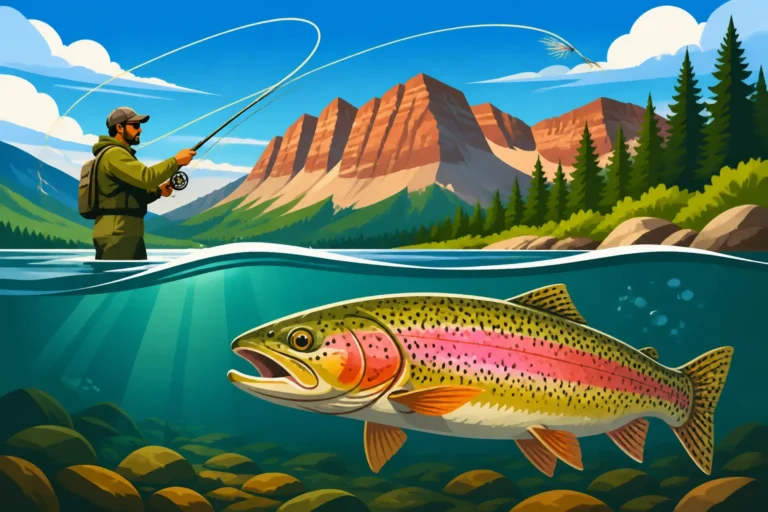
For fly anglers, the Lands End Lakes can be incredibly rewarding. Trout in these waters are often eager to rise to dry flies, especially during hatches of Caddis, Mayflies, or Midges. During late summer, terrestrial patterns like foam hoppers, ants, and beetles can be incredibly effective, especially along grassy banks where insects might fall into the water. Presentation is key; a gentle cast that avoids spooking the fish will yield the best results.
When fish aren't rising, nymphing under an indicator or stripping small streamers can be very productive. Patterns like a Pheasant Tail Nymph, Hare's Ear Nymph, or a classic Woolly Bugger in black, olive, or brown can imitate the aquatic insects and baitfish that make up a significant portion of the trout's diet. Many of these lakes have clear water, so fine tippets (5x or 6x) are often necessary to avoid spooking the fish. If you're new to these methods, our guide on Nymphing Techniques for Colorado Tailwaters offers valuable insights that can be applied to stillwater environments as well. For those seeking specific fly patterns, consider our article on Fly Selection for Colorado's Caddis Hatch if you notice caddis activity.
Spin Fishing Approaches
Spin fishermen will find plenty of action at Lands End Lakes. Small inline spinners, such as Mepps or Panther Martin, in sizes #0 to #2, are perennial favorites. Gold, silver, or brass blades, often with a little fluorescent dressing, tend to attract aggressive strikes. Spoons like the Kastmaster or Daredevle in sizes up to 1/8 oz can also be highly effective, particularly when retrieved with a stop-and-go motion to mimic wounded baitfish.
Bait fishing can be incredibly successful, especially for catching Brook Trout or freshly stocked Rainbows. PowerBait (chartreuse, rainbow, or garlic scents are popular), salmon eggs, or even a simple piece of nightcrawler fished under a bobber or on the bottom with a small split shot can produce consistent bites. When using bait, it’s often best to let the fish take the bait fully before setting the hook. Remember that some lakes might have bait restrictions, so always check the specific regulations for the water you plan to fish. For more general advice, check out our resource on Spin Fishing Techniques for Colorado Trout.
Respecting the Environment and Regulations
Fishing the Grand Mesa's Lands End Lakes is not just about catching fish; it's about connecting with nature and preserving these pristine environments for future generations. This means understanding and adhering to local regulations and practicing responsible angling habits.
Catch-and-Release Practices
Many of the lakes in the Lands End area, especially those with native trout populations, are managed with a strong emphasis on catch-and-release. Even if keeping fish is allowed, practicing catch-and-release for larger or native species helps maintain healthy populations and ensures that future anglers can enjoy the same opportunities. Always handle fish with wet hands, minimize their time out of the water, and use a net to safely land and release them. If you plan to release fish, consider crushing the barbs on your hooks to make removal easier and less harmful to the fish. For detailed guidance, our article on Catch-and-Release Rules on Colorado's Cutthroat Waters provides excellent best practices.
Understanding Local Rules
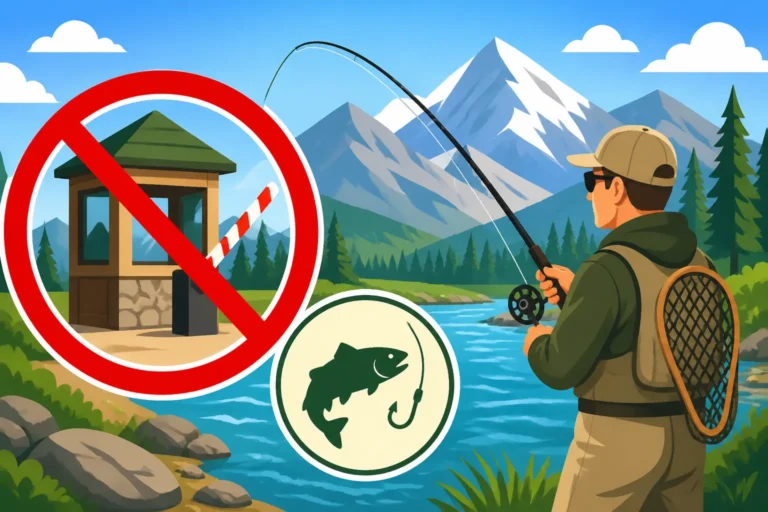
Colorado Parks and Wildlife (CPW) regularly updates its fishing regulations, and the Grand Mesa region is no exception. Before heading out, always consult the current Colorado Fishing Brochure for specific rules pertaining to each lake you intend to fish. These regulations cover everything from bag and possession limits to bait restrictions and special hook requirements (like barbless hooks on certain waters). Some lakes might have specific rules for different species, such as a reduced limit for Brook Trout or a requirement for immediate release of certain Cutthroat subspecies.
It's also crucial to be aware of other environmental regulations, such as fire restrictions, Leave No Trace principles, and rules regarding dispersed camping. Packing out all trash, including monofilament fishing line, is paramount to keeping these wild places beautiful. If you're looking for an easy way to research and even book guides for your trip, platforms like FishingBooker can be a great resource for seeing local offerings and ensuring you're up-to-date on what to expect. Remember, the game wardens patrol these areas, and violations can result in hefty fines and loss of fishing privileges, so it's always better to be informed. You can find comprehensive information in the official Colorado Fishing Regulations Every Angler Should Know.
Fishing the Grand Mesa's Lands End Lakes offers a truly spectacular Colorado angling experience. It's an opportunity to find solitude, challenge your skills against wild and stocked trout, and immerse yourself in one of the state's most breathtaking landscapes. With careful planning, the right gear, and a respect for the environment, your trip to these high-altitude havens will undoubtedly be one for the books.
Disclaimer
Please note that fishing conditions, regulations, and access can change rapidly due to weather, environmental factors, and updates from Colorado Parks and Wildlife. Always consult the most current CPW fishing regulations and local land management agency resources before planning and undertaking any fishing trip.