When Colorado’s Spring Runoff Hits and How to Fish Around It
Every year, as winter's chill finally loosens its grip on the high country, a rite of passage begins in Colorado: spring runoff. It’s a time that can fill anglers with both excitement for the coming season and a deep sense of dread as our favorite rivers turn into raging, muddy torrents. The frustration is real when you see those beloved clear waters transform overnight, making it seem impossible to catch anything. But don't despair! This comprehensive guide will help you understand when Colorado's spring runoff hits, what to expect, and most importantly, how to adapt your fishing strategies to successfully navigate this challenging yet often rewarding period.
Understanding Spring Runoff in Colorado
Spring runoff isn't just "the river getting high"; it's a complex, dynamic process that fundamentally alters aquatic environments. For us anglers, it means a dramatic shift in conditions that requires a complete rethinking of where, when, and how we fish.
The Annual Cycle of Melting Snow
Colorado is renowned for its stunning mountain peaks, and those peaks serve a critical purpose beyond just being beautiful backdrops: they're massive natural reservoirs. Throughout the fall and winter, snow accumulates, often piling up to impressive depths, especially above 9,000 feet. This snowpack acts like a giant sponge, storing water that will eventually feed our rivers and streams.
When spring arrives, rising temperatures begin to melt this snow. Initially, it's a slow drip, a gentle awakening. But as the sun intensifies and warmer air masses push in, that melt accelerates. The snow releases water, often in surges, which then flows downhill, collecting in smaller creeks and tributaries before dumping into the larger river systems. This annual cycle is vital for the ecosystem, flushing out debris, replenishing groundwater, and ultimately providing the lifeblood for our fisheries. Understanding this fundamental process is the first step to knowing how to approach the rivers.
Factors Influencing Runoff Timing and Intensity
Predicting exactly when and how severe runoff will be is a bit like predicting the stock market – there are many variables, and it’s never an exact science. The biggest factor, of course, is the amount of snow that fell over the winter. A "fat" snowpack year, where accumulation is well above average, almost guarantees a prolonged and intense runoff. Conversely, if we've had a year where a low snowpack year changes Colorado's fishing season significantly, you might see an earlier, shorter, and less severe runoff.
Beyond total snowpack, the rate of melt is crucial. A slow, gradual warm-up, with mild days and freezing nights, allows the water to trickle into the rivers without creating massive floods. This "champagne runoff" can actually be fantastic for fishing. However, if a sudden heatwave hits, or we get significant rain-on-snow events, that rapid melt can turn rivers into raging brown torrents almost overnight. These rapid surges are the most challenging for fishing and can even be dangerous. Always keep an eye on the forecast, especially for consecutive days of warm temperatures in the high country.
How Runoff Transforms Colorado's Rivers
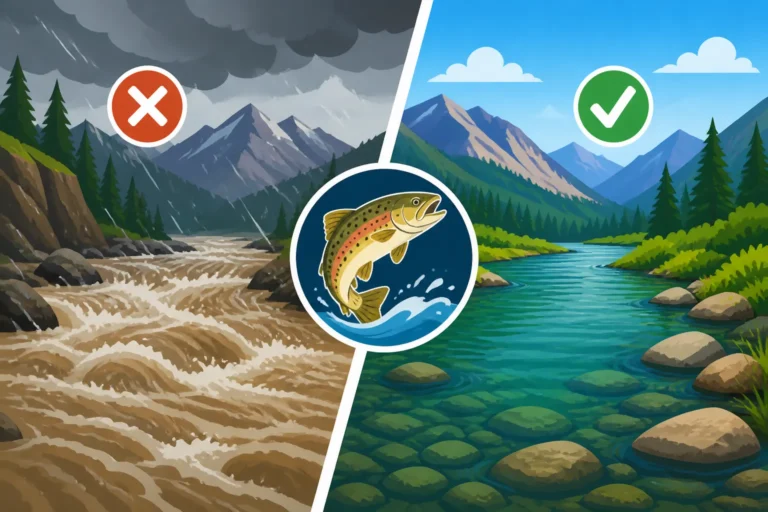
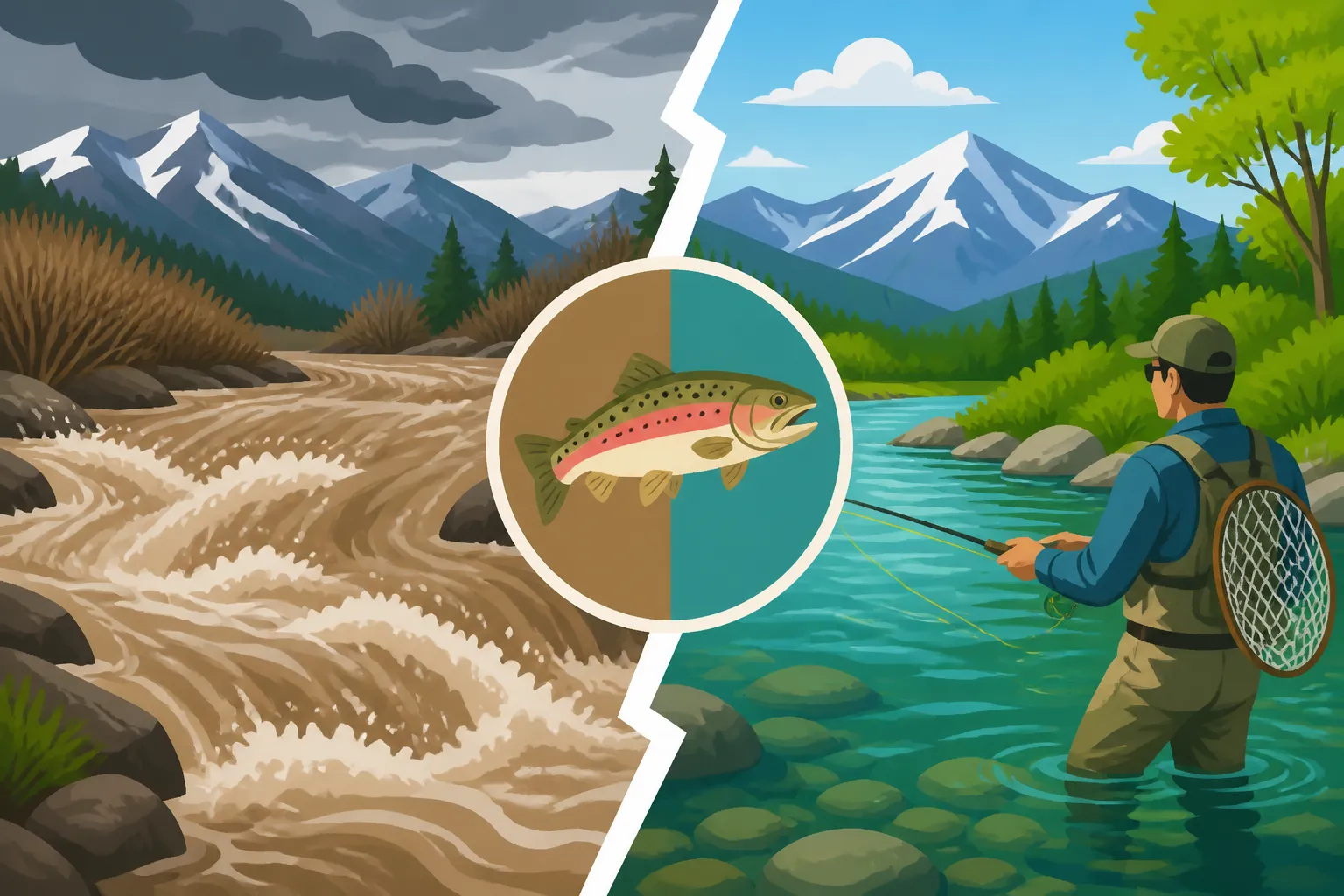
When runoff truly kicks in, the transformation of a river is dramatic. The most obvious change is the increase in water volume and velocity. A gentle riffle can become a roaring cascade, and wading spots disappear under powerful currents. This surge of water carries a tremendous amount of sediment, turning crystal-clear rivers into murky, chocolate milk flows. This turbidity is what many anglers dread, as it severely limits visibility for both fish and fisherman.
However, it's not all bad. This powerful flush also dislodges vast amounts of food from the banks and riverbed – worms, insects, larvae, and even small baitfish get swept into the current. This abundance of food can trigger aggressive feeding behaviors in fish, who capitalize on the easy pickings. They just have to find a comfortable place to eat without fighting the main current. Understanding this balance of challenges and opportunities is key to adapting your approach.
Predicting Runoff: Tools and Resources
Successfully fishing around runoff starts with staying informed. You wouldn't go hiking without checking the weather, and you shouldn't head to the river during spring without checking the current conditions.
Monitoring Snowpack Levels
The first step in predicting runoff severity is to look at the snowpack. The Natural Resources Conservation Service (NRCS) provides invaluable data through its SNOTEL network. These remote stations, scattered across the Western U.S. mountains, measure snow depth, snow-water equivalent (SWE), and precipitation. SWE is the critical metric here – it tells you how much water is actually stored in the snowpack.
You can visit the NRCS SNOTEL website and look up basins in Colorado, like the Gunnison River Basin or the Upper Colorado River Basin. Comparing current SWE percentages to historical averages gives you a good idea of whether it's a heavy or light snow year. Higher percentages usually mean later, more intense runoff. While this won't tell you the exact day the river will blow out, it provides a crucial long-term outlook.
Utilizing Streamflow Data and Gauges
Once runoff begins, real-time streamflow data becomes your best friend. The U.S. Geological Survey (USGS) operates a network of streamflow gauges that provide up-to-the-minute information on river levels (gage height) and discharge (cubic feet per second, or CFS). You can easily find these gauges online by searching for "USGS streamflow Colorado" and then navigating to your river of interest, such as the Colorado River near Kremmling or the Arkansas River near Salida.
These websites display hydrographs, which are graphs showing river flow over time. During runoff, you'll see a distinct "hump" as flows rise rapidly, often peaking in late May or early June. Looking at the 7-day or 14-day graphs can show you the trend – is the river still rising, has it peaked, or is it beginning to drop and clear? For example, if you see the CFS steadily decreasing after a high spike, it’s a good sign that the river is starting to clear up. This data is far more current and localized than general news reports and will help you choose exactly where and when to fish. It's also a good idea to consult "How to Read Colorado's Fishing Regulations Brochure" for specific river sections, as some areas may have flow restrictions or recommendations.
Colorado Parks and Wildlife Updates
Colorado Parks and Wildlife (CPW) is another excellent resource. Their regional offices and website often post weekly fishing reports that give a general overview of conditions across different waters. While these reports might not be real-time like USGS data, they provide valuable insights into what local fisheries biologists and rangers are seeing.
Perhaps even more importantly, local fly shops and sporting goods stores are goldmines of current information. Staff at places like Angler's Covey in Colorado Springs or Taylor Creek Fly Shop in Basalt are on the water constantly or getting reports from guides. They know which rivers are fishable, what flies are working, and what the flow trends are. Don't hesitate to call ahead or stop in. They're usually more than happy to share the latest intel. This local knowledge can save you a lot of driving and frustration.
The Challenges of Fishing During Runoff
Let's be honest, fishing during runoff isn't always easy. It presents a unique set of challenges that can deter even seasoned anglers. But facing these challenges head-on with the right mindset and techniques can lead to some incredibly rewarding days.
Navigating High and Fast Currents
The sheer power of high-water flows during runoff is perhaps the most significant challenge. Rivers that are normally placid and easily waded can become raging torrents, making wading treacherous or even impossible. It’s not just the depth; it's the incredible force of the current that can sweep you off your feet. This is why "How to Stay Safe Wading Fast Colorado Currents" is such a crucial read during this time.
Many of your usual access points might be completely submerged, and even if you can get to the water's edge, casting and controlling your line in fast water can be a nightmare. You'll find yourself needing heavier flies, more split shot, and a more aggressive mend to get your offering down to the fish. Moreover, the increased current can dislodge logs, branches, and other debris, which can create hazards for both waders and those floating in boats. Always approach high water with extreme caution and never take unnecessary risks.
Dealing with Turbid, Muddy Water
The visual impact of runoff is often a river running "chocolate milk" brown. This turbidity is caused by suspended sediment, dirt, and organic matter scoured from the banks and riverbed. For fish, especially trout, this means significantly reduced visibility. They can't see your flies or lures as easily, nor can they see predators. This forces them to rely more on other senses, like scent and vibration, and to move into areas where they can find clearer water or at least less turbulent flows.
For us anglers, murky water means sight-fishing is largely out of the question. You'll be fishing blind, relying on your knowledge of likely holding spots and the subtle takes that are common in these conditions. Fly selection shifts from matching tiny hatches to offering larger, more conspicuous patterns that create a strong silhouette or vibration. It means adapting your entire approach to fishing by feel rather than sight.
Accessing Productive Water
Another frustrating aspect of runoff is that many of your favorite fishing spots become completely inaccessible. Bankside vegetation gets submerged, creating unsafe wading conditions and limiting backcasting room. Shallow riffles where trout normally feed are now roaring rapids, pushing fish out into deeper, slower water.
Boat ramps might be submerged or dangerous, and even if you can launch, navigating a raft or drift boat in powerful, debris-filled currents requires advanced skills and extreme caution. What this often means is that anglers are pushed into smaller, less familiar pockets of water, or forced to seek out specific types of fisheries, like tailwaters, that are less affected by the high flows. It's a time for exploration and flexibility, rather than clinging to old habits.
Effective Strategies for Fishing High and Muddy Water
Don't let the challenges of runoff completely sideline your fishing plans! With the right approach, you can still have incredibly productive days on the water. It’s all about adjusting your expectations and tactics to the conditions.
Finding Holding Water
When rivers swell with runoff, trout don't just vanish; they seek refuge from the main current and look for easier places to feed. Their primary goal is to conserve energy. This means they'll move to slower water, often much closer to the bank than you'd expect. Look for seams where fast water meets slow water, like behind large boulders, downed trees, or along steep banks where the current is significantly reduced.
Eddies are prime real estate, offering a calm pocket where fish can sit and wait for food to drift by. Also, don't overlook side channels, backwaters, or even flooded grass along the river's edge that offers some current break. Any structure that creates a "cushion" from the main flow is a potential holding spot. Think of it like a human trying to walk against a strong wind – you'd hug the buildings and walls for shelter. Trout do the same.
Presentation and Rigging for High Flows
Getting your offering down to the fish in fast, deep, and often murky water is paramount. Forget delicate presentations; during runoff, it's often about getting a heavy nymph rig to the bottom and keeping it there long enough for a fish to see it. You'll need more weight than usual, often in the form of multiple split shot. "What Split Shot Size Works Best in Fast Colorado Currents" is a useful guide here, but often, you'll be using larger sizes, even BB or larger, depending on the current.
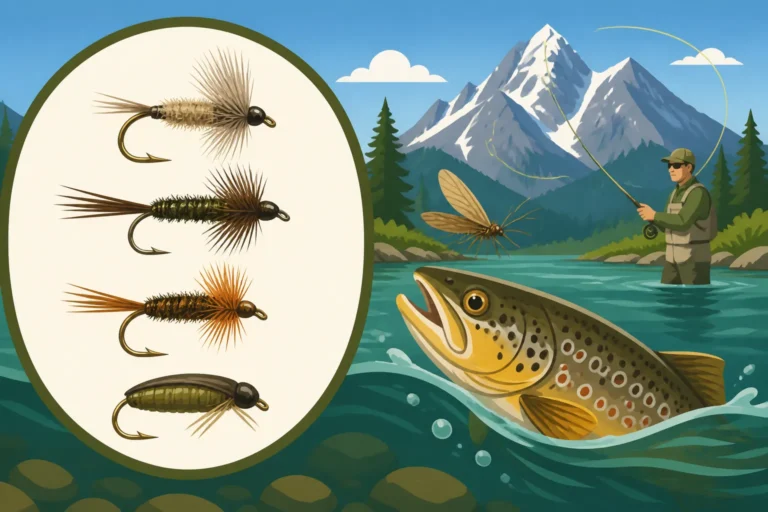
A typical runoff nymph rig might involve a large strike indicator, a long leader (9-12 feet, sometimes even longer to get depth), and two heavy nymphs. Larger, darker nymphs like Pat's Rubber Legs, Princes, or worms are excellent choices, as they create a strong silhouette in murky water. For spin fishing, heavy jigs or weighted lures are essential. The goal is a slower, deeper drift that gives fish time to react to your presentation. You may need to experiment with the amount of weight to find that perfect balance where your flies tick the bottom without constantly snagging.
Bait and Lure Selection
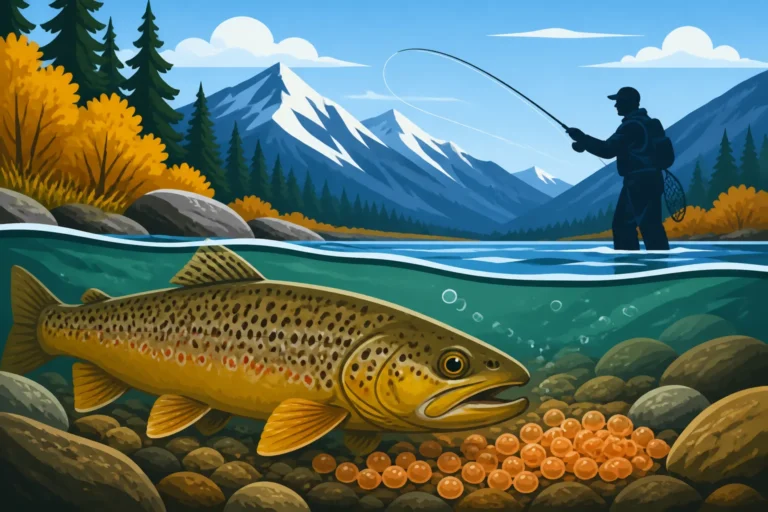
When visibility is low, fish rely heavily on scent and vibration. This makes bait fishing incredibly effective during runoff. Natural baits like worms or salmon eggs, presented on a weighted bottom rig, can be deadly. PowerBait, especially brightly colored varieties that also emit scent, is another excellent option for stillwater fishing or in slower river sections.
For lure anglers, the key is to choose something that creates a lot of flash and vibration. Large, dark-colored streamers, retrieved with an erratic motion, can imitate a struggling baitfish and trigger aggressive strikes from brown trout and other predators. Spinners with oversized blades, like a size 4 or 5 Mepps Aglia or Blue Fox Vibrax, are also great. Don't be afraid to go big and bright. For example, some anglers have great success with chartreuse or orange spoons, available on Amazon, which stand out even in the murkiest water. The added flash and vibration help fish locate your offering even when they can't see it clearly.
Drift Fishing and Covering Water
During runoff, you can't just pick a spot and expect fish to be there in numbers. Fish are often spread out, tucked into small pockets of slower water. This means you need to be actively covering water, making repeated casts and drifts through likely holding areas. If you're nymphing, aim for a dead drift that allows your flies to tumble naturally along the bottom. For lure fishing, fan-cast to cover an entire section, varying your retrieve speed and depth.
If you’re floating a river, this becomes even more critical. Your guide or oarsman will be constantly looking for those subtle seams and eddies, positioning the boat for optimal drifts. Whether on foot or in a boat, focus on making your presentation consistent and thorough in any area that looks like it could hold a fish. Sometimes, it takes multiple passes through a productive seam before a fish finally decides to commit.
Tailwaters: Your Best Bet During Runoff
While many freestone rivers might be raging and muddy, tailwaters often offer a completely different experience during runoff, making them a fantastic alternative.
Why Tailwaters Remain Fishable
Tailwaters are river sections located immediately below large dams. The magic of a tailwater during runoff is that the dam controls the water release. Instead of wild, uncontrolled flows from melting snow, the water coming out of the dam is regulated. This means that even when the surrounding freestone rivers are blowing out, tailwaters often maintain consistent flows, stable water temperatures, and, most importantly, clear water.
The water released from the bottom of a reservoir is typically colder and clearer because the sediment settles in the lake. This creates a stable, nutrient-rich environment that can support an incredible density of trout, even during the peak of runoff. For anglers seeking a reprieve from the muddy chaos, a tailwater can feel like a sanctuary.
Prime Tailwater Locations in Colorado
Colorado boasts some world-class tailwaters that truly shine during the runoff season. The Fryingpan River below Ruedi Reservoir, near Basalt, is legendary for its massive rainbow and brown trout, thriving in crystal-clear, bug-rich waters year-round. Fishing the Fryingpan River Below Ruedi Reservoir is a true test of skill, but offers incredible rewards.
Another excellent option is the Blue River in Silverthorne, below Dillon Reservoir. This urban tailwater holds abundant trout and offers relatively easy access, even when flows are higher. The Taylor River below Taylor Park Reservoir, near Almont, is famous for its monster trout in the "toilet bowl" section, which are often catchable even during runoff, provided flows aren't extreme. And, of course, the South Platte River offers several tailwater sections, including the Dream Stream and Cheesman Canyon, which can be fantastic if their releases are managed carefully. Each of these rivers presents its own unique challenges and opportunities, but all generally offer more predictable conditions than their freestone counterparts during the spring surge.
Tailwater Techniques During Runoff
Even though tailwaters offer clearer water, they still require specific techniques, especially during runoff. Trout in tailwaters can be incredibly selective due to the consistent food supply and heavy fishing pressure. "Nymphing Techniques for Colorado Tailwaters" are paramount here, as the vast majority of a trout's diet comes from subsurface insects.
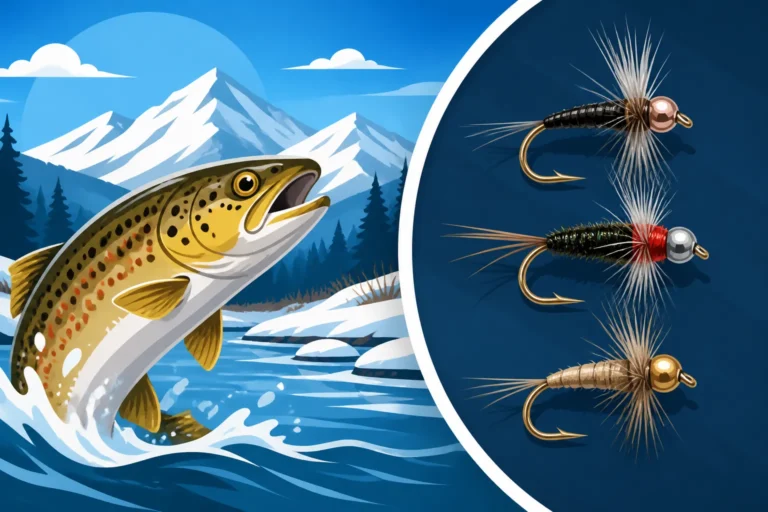
During runoff, with potentially higher-than-average, albeit controlled, flows, you'll still want to make sure your nymphs are getting down to the fish. This might mean using heavier tungsten nymphs, slightly more split shot, or longer leaders. Look for eddies and slower seams, just like on freestone rivers, but often on a smaller scale. Midges are a year-round staple on most Colorado tailwaters, and sometimes larger patterns like sowbugs, scuds, or egg patterns can be highly effective, especially after the dam has bumped up flows. Fish tend to hug the bottom and structure, so precision casting and proper depth are key.
High-Country Lakes: An Alternative Escape
If the idea of fishing raging rivers or crowded tailwaters doesn't appeal to you, then waiting for the high-country lakes to thaw offers a truly serene and often productive alternative.
Timing the Thaw
The timing of when alpine lakes become fishable is entirely dependent on elevation and snowpack. Generally, lakes below 9,000 feet might start to lose their ice in late April or early May, while "When Alpine Lakes Above 11,000 Feet Thaw Out" typically won't happen until late June or even early July. This delay in ice-out means that these lakes offer a fantastic opportunity to fish clear water later into the spring and early summer, long after the lower-elevation rivers are in full runoff.
Monitoring local conditions, calling ranger stations, or checking online forums for ice-off reports is crucial. When the ice first comes off, fish are often ravenous after a long winter under the ice, making for some excellent early-season action. However, access can be challenging, as roads to trailheads might still be snow-covered, requiring a hike or even snowshoeing.
Species and Techniques
High-country lakes are often home to unique and beautiful fish species, primarily various types of trout, including brook trout, rainbow trout, and several subspecies of native cutthroat trout. Many of these lakes are stocked by CPW via aerial drops, while others have self-sustaining populations. Fishing the San Juan Mountains' High Alpine Lakes, for instance, can yield stunning Rio Grande or Colorado River cutthroat trout.
When the lakes first thaw, trout are often cruising the shallower areas, looking for food dislodged from the bottom or early insect hatches. Spin fishing with small spoons, spinners (like Kastmasters or Panther Martins), or even simply a worm under a bobber can be very effective. Fly anglers can find success with streamers (Woolly Buggers are always a good bet), leeches, or subsurface patterns like scuds. As the season progresses and insects become more active, dry fly fishing for rising trout can be spectacular, especially with terrestrial patterns like ants and beetles later in the summer.
Access and Solitude
One of the biggest draws of high-country lake fishing during runoff is the promise of solitude. Because access often requires hiking, sometimes for several miles, these lakes tend to be far less crowded than popular river sections. This means you can enjoy the stunning scenery, the crisp mountain air, and the quiet beauty of nature without elbowing for space.
However, the trade-off is the effort involved. You'll need to be prepared for varied terrain, potentially lingering snowfields, and rapidly changing mountain weather. Packing appropriately with layers, plenty of water, and emergency supplies is essential. But for those willing to put in the work, the reward of a pristine alpine lake, hungry trout, and breathtaking views makes it an unforgettable experience that perfectly complements the challenges of river runoff.
Essential Gear and Safety Considerations
Fishing during Colorado's spring runoff isn't just about technique; it's also about preparedness and safety. High, cold water demands different gear and a heightened awareness of potential hazards.
Wading Gear and Footwear
If you plan to wade during runoff, even in seemingly calmer areas, having the right gear is non-negotiable. Quality chest waders are essential not just for staying dry, but for providing an extra layer of insulation against the frigid meltwater. While many waders will suffice, ensure they are in good condition with no leaks, as cold water can quickly lead to hypothermia.
Perhaps even more important are your wading boots. Felt soles provide excellent grip on slick, algae-covered rocks, but they can be problematic if you're hiking through mud. Rubber soles with studs or cleats offer superior traction on wet, rocky riverbeds and can prevent dangerous slips. "Do You Need Studded Boots for Icy River Banks?" is a great question to consider, and the answer is often yes, especially during spring conditions when banks can still be icy or muddy. A sturdy wading staff is also a lifesaver, providing a third point of contact and invaluable stability against strong currents, allowing you to probe the depth and strength of the current before committing your weight.
Personal Flotation Devices (PFDs)
This might sound like overkill for river fishing, but during peak runoff, wearing a personal flotation device (PFD) is a wise precaution, especially if you plan to float fish or wade in deeper, faster currents. Even strong swimmers can be overwhelmed by the force of cold, swift water, and hitting your head on a submerged rock is a real danger.
Many low-profile, inflatable PFDs are available, which are comfortable and won't impede your casting. Companies like Mustang Survival or NRS make excellent options that you can wear all day without feeling bulky. You can find a range of PFDs, including inflatable models, on Amazon, offering different styles and price points to suit your needs. While it's easy to dismiss a PFD as something only for boaters, consider it a vital piece of safety equipment when faced with the unpredictable power of runoff.
Visibility and Clothing
Spring weather in Colorado can be famously fickle, especially during runoff. One moment it's sunny and warm, the next a cold rain or even snow squall moves in. Layered clothing is key, allowing you to add or shed garments as conditions change. Moisture-wicking base layers, insulating fleeces or down vests, and a waterproof/breathable outer shell are ideal.
Visibility is also important, especially if you're fishing a river with other anglers or if there's any chance of rescue being needed. Brightly colored outer layers, like a red or orange jacket, can make you more visible from a distance. If you're floating, consider a bright hat. The cold water temperatures mean hypothermia is a serious risk if you fall in, so having highly visible clothing can aid in a quicker rescue.
Carrying Emergency Supplies
No matter how short your planned fishing trip, always carry basic emergency supplies, especially during runoff. This includes a small first-aid kit, extra layers, high-energy snacks, and plenty of water. A fully charged cell phone is a given, but also consider a satellite communication device like a Garmin inReach if you're venturing into remote areas without cell service.
Tell someone where you're going and when you expect to return. Be aware of changing weather patterns. Afternoon thunderstorms are common in Colorado and can rapidly increase flows in smaller tributaries, making rivers rise quickly. The combination of high, cold water and remote locations means that self-sufficiency and preparation are paramount.
Species-Specific Tactics During Runoff
Different fish species react to runoff in various ways. While trout are often the primary focus in Colorado, other species can actually become more accessible or active during this high-water period.
Trout: Browns and Rainbows in High Water
For trout anglers, runoff typically means a shift from finesse to brute force. Both brown trout and rainbow trout will seek out those softer, slower water pockets we discussed earlier. They’re less likely to be actively chasing food in the main current and more likely to be ambush feeding in calmer areas.
This is where "Streamer Fishing for Colorado Brown Trout" becomes incredibly effective. Large, dark, articulated streamers that imitate baitfish or leeches can trigger aggressive predatory strikes. Browns, in particular, are opportunistic and won't pass up a big meal drifting by. For rainbows, larger nymphs like stoneflies, caddis larvae, or even worm patterns work well. Forget the tiny midges and delicate presentations; think substantial, protein-rich offerings that are easy for a fish to spot and consume without expending too much energy. The key is to get your fly down deep and keep it in the strike zone for as long as possible.
Pike and Walleye: How Runoff Affects Them in Reservoirs
While runoff is generally a river phenomenon, it does impact reservoirs, especially those with significant river inlets. Species like northern pike and walleye often react differently than trout. As rivers dump warmer, muddier water into reservoirs, these species might actually become more active. Pike, being ambush predators, can use the reduced visibility to their advantage, lurking in the murkier edges or shallow bays where they can ambush baitfish.
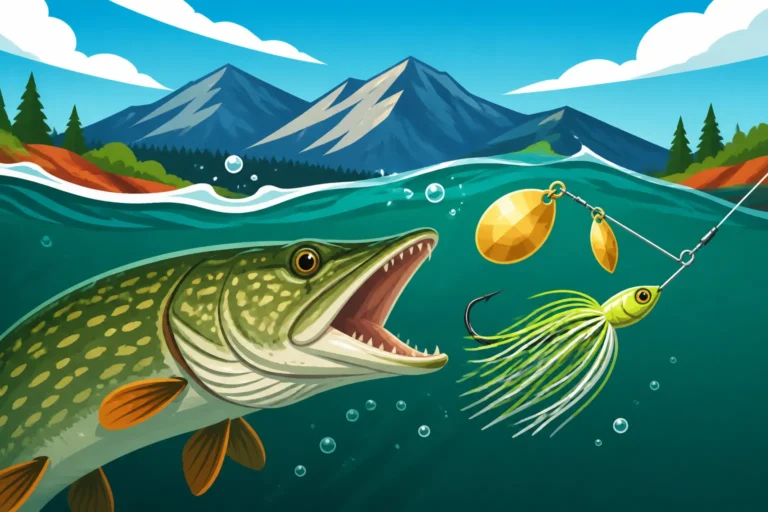
"Best Lures for Northern Pike in Colorado Reservoirs" during this time might include large spinnerbaits, spoons, or crankbaits in bright colors or with a lot of flash. Walleye, on the other hand, often prefer slightly turbid water and can be found near those river inlets, feeding on the influx of food. Jigs tipped with scent or live bait, slowly worked along the bottom, can be effective. This can be a prime time to target these species in reservoirs, as the runoff-fed inflows create new feeding opportunities.
Bass: Smallmouth and Largemouth Thrive
For warmwater species like smallmouth and largemouth bass, runoff often presents a boon rather than a challenge. These fish are generally more tolerant of warmer, murkier water than trout. As muddy, nutrient-rich water flows into reservoirs and slower river sections, it can concentrate baitfish, drawing in bass.
"Best Waters for Smallmouth Bass in Colorado" during runoff might include those reservoirs where rivers are dumping in, particularly around rocky points or submerged structures near the inflow. Largemouth bass will often move into flooded vegetation or shallow, protected coves where the water might be slightly warmer and baitfish are abundant. Lures that create vibration, like spinnerbaits, chatterbaits, or even dark-colored jigs, can be very effective in these low-visibility conditions. Don't overlook soft plastics either, fished slowly and deliberately. This is a great time to switch gears from trout to bass, as the conditions often favor them.
Runoff Fishing Strategies by Water Type
To simplify, here's a quick look at how to approach different water types during Colorado's spring runoff:
| Water Type | General Condition During Runoff | Recommended Strategy | Key Gear/Tactics |
|---|---|---|---|
| Freestone Rivers | High, Fast, Turbid ("Chocolate Milk") | Focus on slow seams, eddies, river bends, structure | Heavy nymph rigs, large streamers, bait (worms), large flashy lures |
| Tailwaters | Regulated flows, clearer water | Traditional nymphing, midge fishing, indicator rigs | Tungsten nymphs, split shot, specific insect patterns, small streamers |
| High-Country Lakes | Ice-off, clear (later in season) | Shoreline cruising fish, early hatches, bait fishing | Spinners, spoons, small streamers, worms, terrestrial dry flies (later) |
| Reservoirs | Varying turbidity near inlets | Target inlets, coves, structure, change in water color | Large lures for pike/bass, jigs for walleye, bait fishing |
This table provides a snapshot, but remember to always consult real-time conditions and adapt.
Disclaimer
Fishing in Colorado carries inherent risks, especially during periods of high water and runoff. Always prioritize your safety, exercise caution, and be aware of your surroundings. Conditions can change rapidly, and river flows can be powerful and dangerous. This guide is for informational purposes only and does not substitute for personal judgment, professional guidance, or adherence to all Colorado Parks and Wildlife regulations. Be sure to check all current rules, regulations, and closures before heading out.