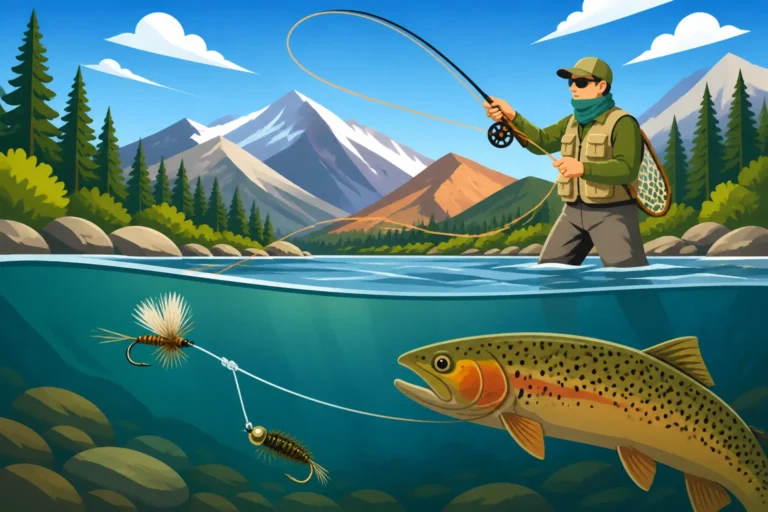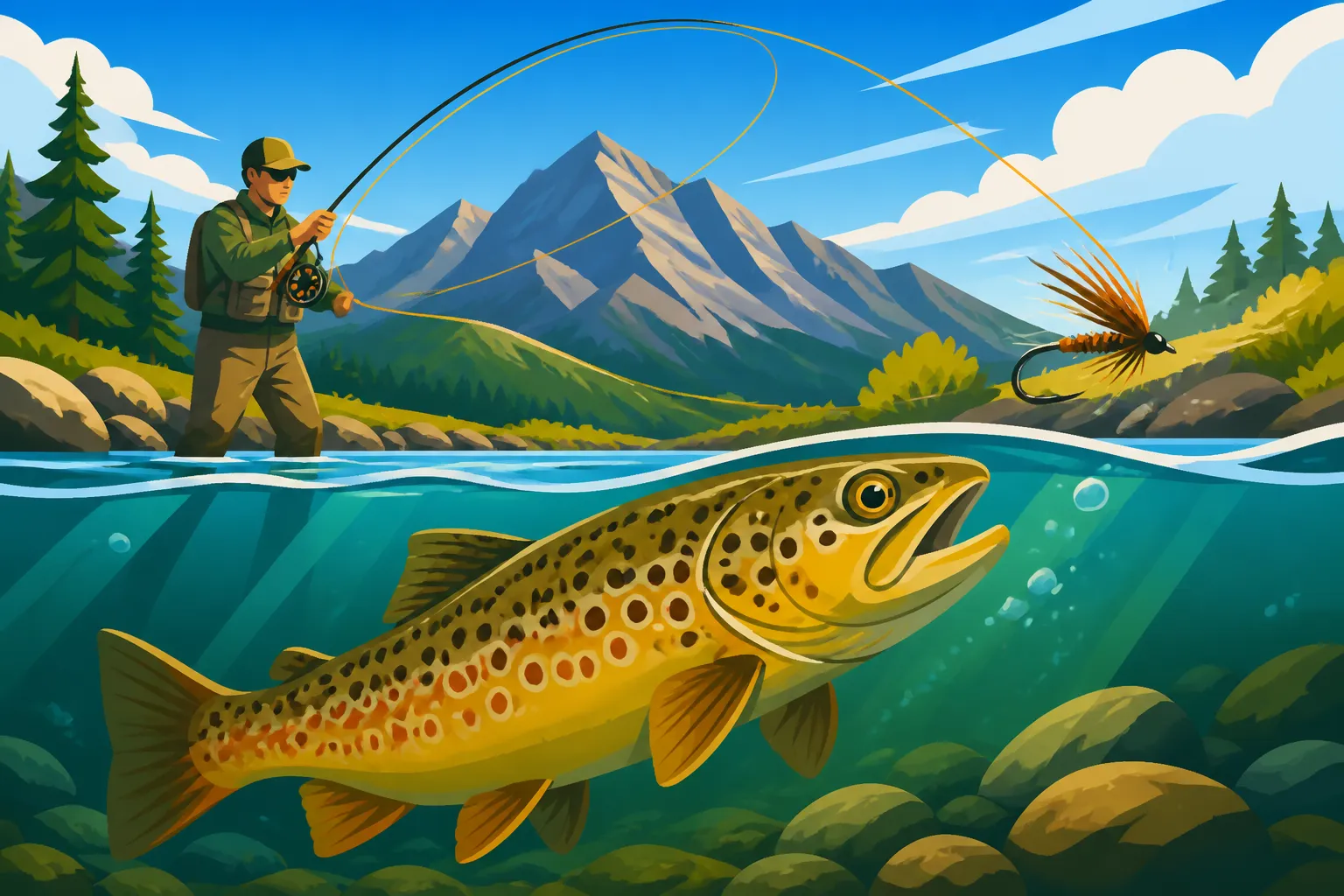
Streamer Fishing for Colorado Brown Trout
Many anglers spend years perfecting delicate nymphing or dry fly techniques, often finding success with subtle presentations. However, there's a raw, visceral thrill that comes with chasing Colorado's biggest, most aggressive brown trout using streamers. These predatory fish, often the most sought-after by seasoned anglers, frequently ignore smaller offerings, but a well-presented streamer can awaken their instincts, leading to heart-stopping strikes that can feel like you've hooked a freight train. This comprehensive guide will walk you through everything you need to know to successfully target these elusive giants with streamers, from understanding their behavior and choosing the right gear to mastering the most effective techniques and adapting to various conditions.
The Allure of Streamer Fishing for Colorado Brown Trout
Chasing big brown trout with streamers isn't just a fishing technique; it's a dedicated pursuit that taps into the most primal instincts of these magnificent fish. It's a game of patience, strategy, and often, explosive reward.
Why Brown Trout Love Streamers
Brown trout, particularly the larger, more mature individuals, are apex predators in their aquatic environments. Their diet isn't solely composed of tiny insects; they are opportunistic feeders that will readily consume a substantial meal if the opportunity arises. This is precisely where streamers come into play. Streamers are designed to imitate larger prey items such as baitfish, sculpins, leeches, crayfish, and even other smaller trout. Presenting one effectively can trigger an aggressive, territorial response in a brown trout, a stark contrast to the subtle, discerning sips often observed when dry fly fishing or nymphing.
The appeal for a big brown trout is purely caloric and instinctual. A large meal means less energy expended for more calories, making a streamer an irresistible target. It's about tapping into their predatory nature, focusing on the drive to ambush and consume rather than delicately sipping emerging insects. This approach naturally weeds out the smaller, less aggressive fish, allowing you to specifically target those trophy-sized browns that dominate the river system and have grown wise to more conventional offerings.
The Thrill of the Strike
If you've spent most of your angling career feeling the gentle tug of a nymph or watching the delicate rise to a dry fly, then the streamer strike will be a completely different experience. Unlike those subtle indications, a streamer bite is often violent, unmistakable, and profoundly exhilarating. You might feel a sudden, solid thud, a sharp jolt that nearly rips the rod from your hands, or witness your line go taut as if you've snagged on a log that suddenly decides to fight back with immense power. It's an adrenaline rush that imprints itself on your memory, keeping anglers coming back for more.
Beyond the feel, the visual aspect of a streamer strike can be equally captivating. Imagine stripping your fly through a deep run, only to see a dark, shadowy torpedo peel out from under an undercut bank or a submerged log, tracking your streamer with laser focus. Then, in a sudden explosion of water, the trout demolishes your fly just feet from your position. These aggressive chases and violent takes are what make streamer fishing so incredibly addictive and distinct from other forms of fly fishing. It’s a dynamic, exciting form of angling that truly gets your heart pounding.
Essential Gear for Targeting Aggressive Browns
To successfully chase those aggressive brown trout with streamers, you need to equip yourself with the right tools. This isn't the time for your lightest, most delicate setup.
Rods, Reels, and Lines for Streamer Success
When you're consistently throwing larger, heavier streamers—especially those that get waterlogged and push a significant amount of air—you'll quickly realize the need for a fly rod with serious backbone. A fast-action 6 or 7-weight fly rod, typically measuring 9 to 10 feet in length, is often the ideal choice for this kind of work. This heavier setup provides the necessary power to cast bigger flies accurately, allowing you to reach those prime holding lies with precision. It also generates the line speed required for effective presentations and helps turn over a heavy, wind-resistant fly. Crucially, a stronger rod offers the leverage needed to effectively fight and control those powerful, head-shaking brown trout without feeling completely outmatched. Many anglers find that a slightly longer rod (10 feet) also aids in line control, mending, and roll-casting in the varied currents of Colorado's rivers.
Your reel, while perhaps not always screaming under the pressure of long runs like a saltwater reel, still needs to be robust and equipped with a smooth, reliable drag system. It must also hold plenty of backing, as a truly large brown trout might decide to bolt for distant cover. For your fly line, a weight-forward floating line serves as a versatile base, but for effective streamer fishing, you'll frequently pair it with a sinking tip or, in many cases, a full sinking line. Lines specifically designed for streamers, such as those with aggressive front tapers like a Rio Outbound Short or Scientific Anglers Sonar Titan, are popular choices because they excel at turning over heavy flies and punching through wind. These lines also feature integrated sinking sections that help get your flies down to the depth where the big fish often hold. You can find an extensive selection of these specialized lines and reels on Amazon, often with user reviews that can help guide your purchasing decisions.
Leader and Tippet Considerations
Forget the fine, delicate 5x or 6x leaders you might use for technical nymphing or dry fly situations. Streamer fishing for big brown trout demands strength, durability, and excellent abrasion resistance. A 0X to 2X fluorocarbon leader, typically between 7 and 9 feet long, is an excellent starting point. Fluorocarbon is superior to monofilament for this application because it's significantly less visible underwater, helping to maintain stealth, and offers much greater abrasion resistance. This latter quality is a huge advantage when you're fishing around the rocky bottom, submerged logs, and woody debris that often constitute prime brown trout habitat. Some experienced anglers prefer to custom-build their own leaders with heavier butt sections to maximize turnover power, especially when casting very large or wind-resistant flies.
For tippet, a strong 1X to 3X fluorocarbon is usually sufficient. You need enough tensile strength to subdue a powerful fish and withstand the potential nicks from sharp teeth or rough encounters with structure, but not so heavy that it stiffens the fly's action or makes it appear unnatural. The key is to strike a balance between strength and stealth. When you're specifically targeting truly massive brown trout or using very large, articulated streamers that present a significant profile, don't hesitate to bump up to 0X or even heavier tippet. This extra strength can provide invaluable peace of mind when that fish of a lifetime finally takes the fly.
Decoding Top Streamer Patterns for Colorado Brown Trout
Knowing what to tie on is half the battle. Colorado's brown trout respond well to a variety of streamer patterns, each with its own unique appeal and purpose.
Go-To Patterns for Colorado Waters
Colorado brown trout have a diverse diet, and the most consistently effective streamers are those that accurately imitate the various prey species found in our rivers and lakes. Patterns like the Sculpzilla, the venerable Woolly Bugger, the more modern and aggressive Sex Dungeon, and various Articulated Fish Skull Streamers are absolute mainstays in the fly boxes of successful Colorado streamer anglers. The Sculpzilla, with its weighted head and distinct buggy profile, is particularly effective because it so perfectly mimics the sculpins that are abundant in many of our trout streams. Classic colors for sculpins, such as black, olive, and brown, are always strong performers.
The tried-and-true Woolly Bugger in black, olive, or brown remains an undeniable killer. It’s incredibly versatile, relatively easy to cast, and possesses an irresistible undulating movement in the water. For anglers looking to make a more aggressive, flashy, or substantial presentation, patterns like Kelly Galloup's Sex Dungeon or the Double Bunny, tied with highly mobile rabbit strips, offer incredible movement and a larger profile designed to trigger violent, predatory strikes from opportunistic brown trout. Don't be afraid to experiment with different sizes; while a smaller size 6 or 8 bugger might entice a greater number of fish, articulated monsters in sizes 2 or 4 are specifically designed to provoke a response from the largest, most dominant browns in the river.
Color and Size Selection Strategies
When it comes to choosing streamer colors, the general approach is twofold: either match the local forage or create a stark, attention-grabbing contrast. Olive, black, brown, and tan are perennially reliable choices for imitating the natural baitfish, sculpins, and leeches that make up a significant portion of a brown trout’s diet. However, never shy away from brighter, more "attractor" colors. White, yellow, or even chartreuse can be incredibly effective, especially in off-color or murky water conditions where visibility is reduced. While it varies depending on specific conditions, "Best Streamer Colors for Murky Colorado Water" often includes patterns with high contrast or vibrant hues to ensure they stand out.
Size is often a critical factor, and for enticing those trophy browns, a common adage is "bigger is better." While a smaller streamer (say, a size 6 or 8) might lead to more overall hookups, a larger, articulated streamer (such as a size 2 or 4) is specifically designed to single out and provoke the largest, most territorial fish in a given stretch of water. It's a trade-off: you might get fewer bites, but the potential for a truly massive fish significantly increases. Always consider the prevailing water clarity and depth. In deeper, darker runs, a larger, darker-profiled fly will be more visible and more likely to capture the attention of a wary lunker.
Table: Popular Colorado Streamer Patterns and Their Uses
| Streamer Pattern | Primary Imitation | Best Colors | Ideal Conditions | Target Fish Size | Notes |
|---|---|---|---|---|---|
| Woolly Bugger | Leeches, Sculpins, Fry | Black, Olive, Brown | All-around, versatile | Small to Medium | Excellent for beginners, consistently reliable. |
| Sculpzilla | Sculpins | Olive, Black, Tan | Bottom-bouncing, deeper runs | Medium to Large | Weighted head for quick sink, authentic fish profile. |
| Sex Dungeon | Baitfish, Larger Sculpins | White, Olive/White, Black | Aggressive presentations, targeting larger fish | Large | Articulated, high movement, triggers strong predatory instincts. |
| Double Bunny | Baitfish, Leeches | Olive, Black, White | Fast water, enticing aggressive strikes | Medium to Large | Rabbit strip creates incredible undulating action. |
| Kreelex Minnow | Flashy Baitfish | Gold, Silver, Rainbow | Sunny days, clear water, attracting attention | Small to Medium | High flash content, an effective search pattern. |
Mastering Presentation and Retrieve Techniques
Getting your streamer in the right place and making it move correctly are paramount for success. It's about thinking like a predator and mimicking prey.
Reading the Water for Brown Trout Lairs
Big brown trout are highly efficient ambush predators, and they inherently seek out specific types of structure where they can conserve energy while remaining in an optimal position to dart out and ambush prey. When you're streamer fishing, you need to think like these fish. Concentrate your efforts on targeting deep pools, the shadowy recesses of undercut banks, intricate logjams, large submerged boulders, distinct current seams, and areas where slower, deeper water is directly adjacent to faster currents. These locations serve as their prime feeding lies and also offer crucial sanctuaries where they feel secure. Learning how to properly identify and understand these features by "Reading Water on a Colorado Freestone River" is an invaluable skill for any angler.
It’s also important to recognize how fish behavior changes with the seasons and flows. During the colder months of winter or periods of extremely low flow, brown trout will often be tucked even tighter into the deepest, slowest parts of the river, conserving energy. Conversely, during periods of higher flows or warmer temperatures, they might shift their positions to the edges of the main current or into slightly faster water where dislodged food items are more abundant and easy to intercept. Always pay close attention to current breaks, as these are perfect resting places for a large trout, allowing them to remain out of the strongest current while smaller baitfish and insects are swept directly past them. Remember, these fish don't want to fight the current any more than you do, but they want to be close enough to take full advantage of its delivery system.
Effective Casting and Retrieve Strategies
The art of casting streamers isn't about delicate, subtle presentations; it's about efficiently delivering a relatively heavy fly to your target and then imparting compelling action. While overhead casts are common, learning to execute roll casts and water-loading casts can be incredibly useful, especially in tight quarters or when you need to quickly pick up a heavy, water-saturated fly. The fundamental goal is often to cast upstream and across the current, allowing the fly to sink to the desired depth as it swings downstream, or to cast directly across the current and strip it back with a varied retrieve. "How Deep to Fish Streamers for Colorado Brown Trout" is a critical consideration and largely depends on the specific water column you're targeting, as well as the inherent weight of your chosen fly and sinking tip or line.
The retrieve is where the true magic happens in streamer fishing. This is where you bring your imitation to life, and experimentation is key! A slow, consistent strip can effectively imitate a baitfish lazily cruising through the water. However, aggressive, jerky strips interspersed with distinct pauses can mimic a wounded, disoriented, or fleeing creature, often triggering a more violent, instinctual strike. Many experienced anglers have found that the strike frequently occurs on the pause, as the fly momentarily flutters or appears vulnerable, making it an easy target. Therefore, consistently varying your retrieve speed and cadence is crucial. Sometimes, a rapid, consistent strip is the ticket, while other times, a slow, methodical pull-and-pause approach is what ultimately triggers the bite. Always put yourself in the mindset of the prey you're imitating and consider how it would naturally move through the water; for instance, a sculpin often darts quickly and then settles motionless on the bottom.
Seasonal Considerations for Streamer Fishing
While streamers can be effective year-round, certain seasons offer unparalleled opportunities for targeting trophy brown trout. Understanding these seasonal nuances is key to consistent success.
Spring and Fall: Peak Streamer Seasons
While streamer fishing can certainly yield results throughout the year, the spring and fall seasons truly stand out as prime times for targeting big brown trout in Colorado. In the spring, as water temperatures gradually begin to rise from their winter lows and before the heavy snowmelt fully kicks in, brown trout become significantly more active. They're often eager to put on weight after a long, lean winter, making them less selective about their meals and more willing to chase a larger, more substantial offering like a streamer.
However, fall is arguably the absolute best time for streamer fishing, especially as brown trout become intensely aggressive during their spawning season. As the days shorten and water temperatures drop, these fish become highly territorial, actively looking to protect their redds (spawning beds), and are voraciously packing on calories in preparation for the upcoming winter. This is precisely when you can encounter some of the most powerful and violent takes imaginable. Focus your efforts on areas where you suspect spawning activity might be occurring, but always exercise extreme caution and mindfulness to avoid disturbing redds, which appear as lighter, cleaner patches of gravel on the riverbed. Understanding that "Fall Fishing in Colorado, What Changes" during this season significantly influences brown trout behavior and their willingness to chase larger prey is vital for maximizing your success.
Summer and Winter Approaches
While spring and fall are prime, summer and winter can still offer fantastic streamer fishing opportunities with the right approach. During the warmer summer months, success often comes by fishing during the cooler periods of the day, such as early mornings, late evenings, or on overcast days when fish are under less pressure and water temperatures are more favorable. During the intense heat of midday, brown trout typically retreat to deeper, cooler, more oxygenated water, making them harder to entice with surface or mid-column streamers. Focus your efforts on heavily shaded areas, the deepest pools, and those crucial hours around dawn and dusk when fish are most active.
Winter streamer fishing, while challenging due to frigid temperatures and slower metabolism of fish, can be incredibly rewarding for those who brave the cold. In cold water, fish are often lethargic, meaning a slower, more deliberate retrieve is usually the key. Concentrate your efforts on the deepest, slowest pools and runs where fish congregate to conserve energy. A slow, subtle strip-pause-strip approach, often with a heavily weighted streamer designed to get right in their face, is frequently the ticket. While many anglers turn to "Winter Fishing on Colorado's Tailwaters" primarily with nymphs, a patiently fished streamer can still pick off a large, hungry brown. Always make sure to consult the "Colorado Fishing Seasons Month by Month" regulations for any specific closures, restrictions, or conditions that might apply to the waters you intend to fish.
Common Challenges and Troubleshooting Tips
Streamer fishing isn't without its difficulties. Understanding potential pitfalls and knowing how to adapt can save you frustration and lead to more hooked fish.
Dealing with Snags and Tangled Leaders
Streamer fishing inherently involves targeting prime brown trout habitat, and unfortunately, that often translates to frequent encounters with snags. Woody debris, large submerged rocks, and heavy currents are all part of the game. A crucial skill to develop is learning how to properly set your hook to avoid getting hung up on the bottom or various river structures. Unlike the gentle "trout set" often used for nymphs, a sharp, powerful strip set is generally preferred in streamer fishing. This forceful motion helps to pull the fly clear of potential obstructions and, more importantly, drives the often-larger streamer hook firmly into the tough mouth of a brown trout.
Tangles are another common frustration, especially when you're casting heavier, air-resistant flies or contending with windy conditions. To minimize these, diligently practice your casting stroke to develop smooth, efficient loops. If you find yourself consistently battling tangles, try shortening your leader slightly or simplifying any complex knots you might be using. Always carry extra pre-tied leaders and multiple spools of tippet; it's better to be prepared than to waste valuable fishing time untangling. A small pair of heavy-duty pliers or forceps, which you can easily find on Amazon, can also be invaluable for dislodging deeply embedded hooks or working through stubborn knots.
Adjusting to Different Water Conditions and Fish Behavior
Colorado's rivers are incredibly dynamic, and water conditions can change rapidly due to weather, dam releases, or seasonal runoff. Being able to adapt your approach to these changing conditions is a hallmark of a successful streamer angler. For instance, high, murky water from heavy rain or spring runoff might necessitate the use of larger, darker, or flashier streamers to maximize visibility and make your offering stand out. Conversely, during periods of clear, low water, you might need to scale down to smaller, more natural-colored patterns and employ more subtle, stealthy presentations. Never be afraid to change your fly frequently if you're not getting any attention; sometimes, a slight alteration in color, size, or profile is all it takes to trigger a strike.
Fish behavior itself is also highly variable. Some days, brown trout will aggressively chase and attack almost anything that moves, making for incredibly exciting fishing. Other days, they can be remarkably finicky and require a precise presentation or a very specific retrieve cadence to entice a bite. If you observe fish following your streamer but consistently refusing to commit and strike, try pausing your retrieve for a longer duration, or add a sudden, erratic darting motion to your fly to mimic a truly wounded baitfish. If you find you're consistently spooking fish, try fishing from a greater distance, using lighter tippet if conditions allow, or refining your approach to the water to be more stealthy and less obtrusive. Remember, brown trout, especially the larger, more experienced ones, can be incredibly wary and easily spooked. For example, if you're fishing waters that are known for "Brown Trout in Colorado, Where They're Wild," these fish are often much more cautious than stocked fish. Don't overlook the benefit of learning about other techniques too, such as "Nymphing Techniques for Colorado Tailwaters," as sometimes a complete change of pace and presentation is exactly what's needed to unlock the bite.
Disclaimer
Always check the current Colorado Parks and Wildlife fishing regulations before heading out, as rules and conditions can change. This guide provides general information and recommendations, but it is the angler's responsibility to adhere to all local and state laws and regulations.