Matching a Caddis Hatch on a Colorado River
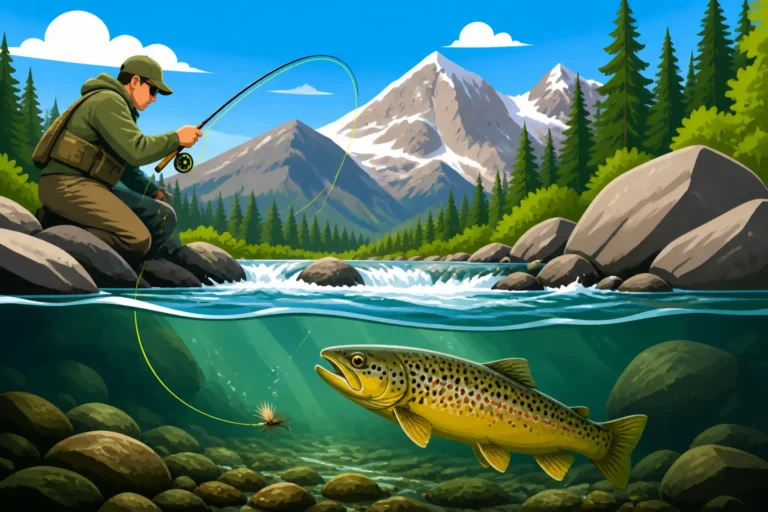
There’s nothing quite like seeing trout rising all over a Colorado river, their dimples breaking the surface as they feast. It's exhilarating, isn't it? But then you throw every dry fly in your box, and they just keep refusing, leaving you scratching your head, wondering what you're doing wrong. That feeling of being so close but not quite cracking the code can be incredibly frustrating. This guide is all about helping you decode one of Colorado's most prolific and exciting insect hatches: the caddis. We’ll dive deep into identifying these lively insects, choosing the right fly patterns, and mastering the techniques to finally hook those picky fish during a caddis hatch.
Understanding the Colorado Caddis Lifecycle and Hatches
Before you can effectively match a caddis hatch, you need to understand the critter itself. Caddisflies are fascinating insects, and unlike mayflies that typically drift lifelessly on the surface, caddis are active and energetic throughout their lives. This energy plays a huge role in how trout interact with them and, consequently, how we need to present our flies. In Colorado, caddis hatches can range from sporadic daily events to massive, days-long emergences that literally blanket the water.
The Four Stages of a Caddisfly
Caddisflies go through a complete metamorphosis, meaning they have four distinct life stages. Trout key into all of them, sometimes preferring one over the others, depending on the time of day, water conditions, and the specific hatch occurring.
- Larva: This is the immature, worm-like stage where caddis spend most of their lives. Many species build protective cases out of tiny pebbles, twigs, or leaves, while others are free-living. They cling to rocks and vegetation on the riverbed, constantly feeding. Trout regularly consume caddis larvae, making them a year-round food source, especially when no visible hatch is occurring. Think of them as the consistent buffet available underwater. Fishing caddis larvae patterns can be highly effective, even outside of active hatches, and they are a staple for nymphing techniques for Colorado tailwaters.
- Pupa/Emerger: This is perhaps the most exciting and often frustrating stage for anglers. When ready to transform into adults, caddis pupae leave their cases and swim rapidly, sometimes erratically, towards the surface. This frantic swim triggers aggressive strikes from trout. They are vulnerable during this ascent, making them a prime target. Sometimes they get stuck in the surface film as they shed their shuck, creating a vulnerable, easy meal for trout. Recognizing this stage is critical, as a high percentage of a hatch's feeding will often occur on these ascending or struggling pupa.
- Adult: Once they break through the surface, adult caddisflies are ready to fly. They typically spend time drying their wings on the water's surface before taking flight, and sometimes they'll even skitter or hop across the water, especially after egg-laying. This behavior, often a frantic buzz or fluttering movement, can elicit some of the most spectacular and splashy rises from trout. These adults will then mate, and the females will return to the water to deposit their eggs, often diving beneath the surface to do so, providing another opportunity for trout to feed.
- Egg-Laying: After mating, female caddis often return to the water to deposit their eggs. Some species will skitter across the surface, while others dive underwater, crawling down rocks to lay their eggs. This submerged activity is another feeding opportunity for opportunistic trout, and a wet fly or soft-hackle pattern can imitate this perfectly.
Peak Caddis Hatch Times on Colorado Rivers
While caddisflies can hatch throughout the year, their most significant emergences in Colorado typically occur from late spring through early fall. You'll find specific species hatching at different times, but generally:
- Spring (April-May): This is when some of the most anticipated caddis hatches begin, particularly the Mother's Day Caddis (Brachycentrus occidentalis) on rivers like the Arkansas, South Platte, and Colorado River. These can be prolific hatches, often coinciding with rising water temperatures before the full force of spring runoff hits. It's a fantastic time to be on the water.
- Summer (June-August): Throughout the summer, various tan, green, and black caddis species will hatch almost continuously, especially in the evenings. The long days mean more insect activity, and trout will be actively looking for them. Even when no massive hatch is apparent, a few adults will always be around, making dry-dropper rigs with a caddis adult on top very effective.
- Fall (September-October): As water temperatures begin to cool, some smaller caddis hatches can occur, often smaller tan or olive varieties. These can be significant, particularly on tailwaters where water temperatures remain more stable. This time of year often sees fewer anglers, but still plenty of hungry trout.
Popular Colorado rivers like the Fryingpan River, the Arkansas River, the Poudre River, and various sections of the South Platte River are renowned for their abundant caddis populations. These insects are incredibly resilient and thrive in many of Colorado’s diverse aquatic environments, from freestone rivers to cold, stable tailwaters.
Identifying the Caddis Hatch on the Water
The biggest challenge isn't just knowing when caddis generally hatch, but recognizing an active caddis hatch right in front of you. Trout often feed differently during a caddis hatch than during a mayfly hatch, and understanding these subtle cues is paramount to your success. You don't want to be throwing tiny Tricos when the fish are smashing large, active caddis.
Visual Cues of an Emerging Caddis Hatch
Keep your eyes peeled for more than just rising fish. The insects themselves will tell you a story.
- Adults in the Air: This is the most obvious sign. Look for small, moth-like insects with tent-shaped wings fluttering over the water or along the banks. Caddis are generally clumsy fliers, often bouncing off bushes or landing awkwardly on the water. Their flight is often described as erratic or "zig-zagging." If you see a lot of them, you're likely in the middle of a hatch.
- Pupal Shucks: Sometimes, especially in slower currents or eddies, you’ll see the clear, empty husks of pupae floating on the surface or caught in debris along the banks. These are strong indicators that caddis are emerging. The shucks look like tiny, translucent exoskeletons.
- Fishy Behavior: This is where observation really pays off. Trout feeding on caddis often exhibit a very distinct rise. Unlike the subtle sip of a mayfly dun, caddis takes are usually more aggressive and splashy. You might see:
- Splashy Rises: Fish leaping clear out of the water, or making a noticeable "splat" as they attack an adult caddis trying to take flight or skitter across the surface.
- "Bulges" or "Boils": If trout are feeding on emerging pupae just under the surface, you might see a distinct bulge or boil of water without a clear nose or mouth breaking the surface. This indicates fish are intercepting the pupae during their upward swim. This is a critical observation because it tells you to fish an emerger pattern just under the surface, not a dry fly.
- Surface Skitters: Adult caddis are notorious for skittering across the water to lay eggs or just before flying off. If you see this behavior, and fish are responding with aggressive, chasing rises, it's time for a dry fly.
Distinguishing Caddis from Mayflies
It's easy to confuse a caddis hatch with a mayfly hatch, especially for newer anglers. But there are key differences that will inform your fly choice and presentation.
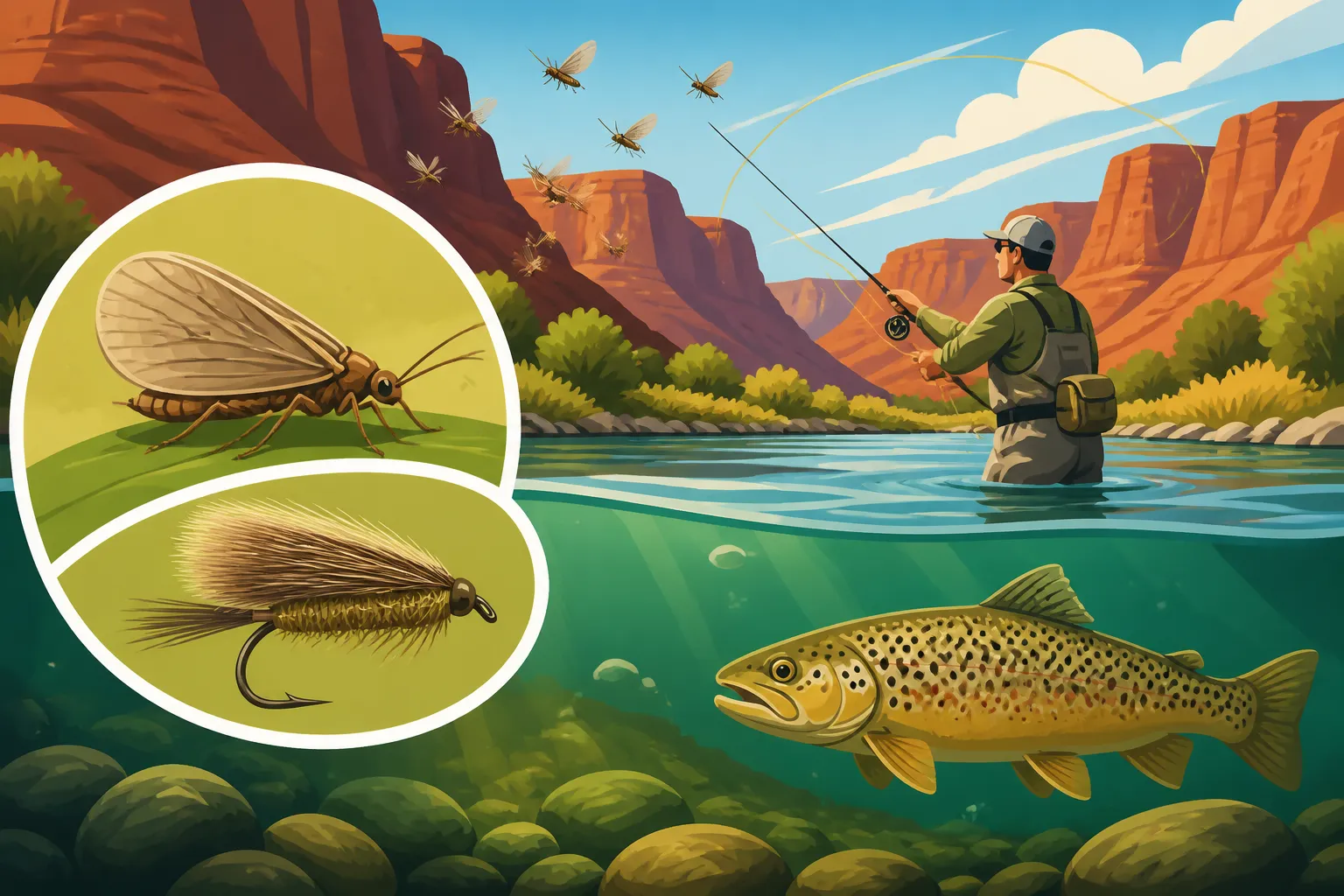
- Wing Shape: Caddisflies have tent-shaped wings that fold back over their body, giving them a more robust, "moth-like" appearance. Mayflies, conversely, hold their wings upright, like sails on a sailboat, or flat against their body (for spinners).
- Antennae: Caddisflies have prominent, long antennae that often point forward. Mayflies have much shorter antennae or none at all.
- Tails: Mayflies have two or three long tails (cerci) extending from their abdomen. Caddisflies have no tails. This is a dead giveaway!
- Movement: As mentioned, caddis are active. Mayflies, especially duns, tend to drift passively on the surface. If you see insects fluttering or skittering, it's almost certainly a caddis.
Observing these details can instantly tell you if you're dealing with a caddis or a mayfly. Knowing the difference is your first step towards selecting the correct pattern and presentation.
Essential Caddis Fly Patterns for Colorado Rivers
Now that you know what you're looking for, it's time to stock your fly box. A good caddis selection will include patterns for all stages of the insect's life cycle, in various sizes and colors. Don't be afraid to experiment, as trout can be incredibly particular even during a prolific hatch. When you're thinking about which flies to carry, checking out resources like "Best Flies for Colorado's Gold Medal Trout Water" can offer a broader perspective on essential patterns.
Larva Patterns
These are fished subsurface and are effective year-round, not just during an active hatch. They mimic the caterpillar-like larvae crawling on the riverbed.
- Green Rock Worm/LaFontaine's Emergent Sparkle Pupa (Larva variant): These patterns imitate the case-building caddis larvae, often in olive or bright green. They are simple, effective, and a must-have. Sizes #12-16 are common.
- Hydropsyche Larva: This pattern, often tied with a segmented body in tan, olive, or brown, mimics the free-living caddis larvae. These are deadly when fished deep, especially in faster currents where natural larvae get dislodged.
Pupa/Emerger Patterns
These are crucial during the active emergence and are often fished just under the surface or in the surface film.
- LaFontaine's Emergent Sparkle Pupa: This is a classic for a reason. Its trailing shuck (often Z-lon or Antron) perfectly imitates the shuck a caddis pupa sheds as it emerges. Fish it on a dead drift, or with a slight twitch to imitate movement. Sizes #12-18 are versatile.
- CDC Caddis Emerger: The CDC (Cul de Canard) feathers provide incredible buoyancy and a natural shimmer, mimicking a pupa struggling to break the surface. Often tied with a small wing bud and sparse body, it’s a subtle but effective pattern.
- Soft Hackle Caddis: This traditional wet fly pattern, with its pulsating soft hackle collar, is fantastic for imitating ascending pupae or egg-laying adults underwater. Swing it through runs or fish it on a short dead drift. Sizes #14-18 are good.
- BH Prince Nymph (small sizes): While primarily a stonefly/mayfly pattern, a smaller, darker Prince Nymph can often pass for a caddis pupa, especially the black or dark brown variations. It's a great all-around searching pattern.
Adult Dry Fly Patterns
These are designed to float on the surface, mimicking the winged adults.
- Elk Hair Caddis: The undisputed champion of caddis dry flies. Its deer hair wing provides excellent buoyancy and a natural profile. Carry this in tan, olive, brown, and even black, in a wide range of sizes (#10-18). It's incredibly versatile and can be fished dead drift or skittered. You can usually find great selections of these on Amazon if your local fly shop is out.
- X-Caddis: Similar to the Elk Hair Caddis but with a trailing shuck (often Z-lon), making it excellent for fish keying in on emerging adults still trailing their pupal shuck. Sizes #12-16.
- Goddard Caddis: Another robust, bushy dry fly, often tied with spun deer hair. It's super buoyant and perfect for turbulent water or when you need a fly that really floats high. Sizes #10-14.
- Stimulator (smaller sizes): While often considered a stonefly pattern, a smaller Stimulator in tan or olive can effectively imitate a larger adult caddis, especially during the prolific spring hatches. It's a great "attractor" pattern too. Sizes #12-16.
Here’s a quick overview table to help you organize your thinking:
| Caddis Stage | Common Patterns | Recommended Sizes | Colors | Typical Fish Behavior |
|---|---|---|---|---|
| Larva | Green Rock Worm, Hydropsyche Larva | #12-18 | Olive, Green, Tan, Brown | Subsurface takes, subtle |
| Pupa/Emerger | LaFontaine's Sparkle Pupa, CDC Caddis Emerger, Soft Hackle | #12-18 | Tan, Olive, Cream, Brown, Black | Bulges, boils, subsurface sips |
| Adult | Elk Hair Caddis, X-Caddis, Goddard Caddis, Stimulator | #10-18 | Tan, Olive, Brown, Black, Gray | Splashy rises, aggressive takes |
Tactics for Fishing a Caddis Hatch
Matching the hatch isn't just about selecting the right fly; it's also about presenting it in a way that mimics the natural insect. Caddis are active, and your presentation should often reflect that energy, sometimes deviating from the classic "dead drift" we often aim for with mayflies. This is where reading water on a Colorado freestone river comes in handy, as different currents call for different approaches.
Fishing Larva Patterns
Larva patterns are fished like any other nymph.
- Weight it down: Use split shot or a weighted fly to get your larva pattern down to the riverbed quickly.
- Indicator or Euro Nymphing: Fish under a strike indicator in shallower water or use Euro nymphing techniques for precise depth control in deeper runs.
- Target Seams and Riffles: Larvae are often dislodged in faster water and collected in slower seams or behind obstacles. These are prime feeding zones.
- Year-Round Effectiveness: Don't limit larva patterns to just during a hatch. They are a reliable food source for trout every day of the year.
Fishing Pupa/Emerger Patterns
This stage often requires a blend of nymphing and dry fly tactics, or a hybrid approach.
- The Swing: Cast slightly upstream and across, letting the fly sink and then swing across the current. As it swings, the pupa will rise towards the surface, perfectly mimicking an emerging insect. This "Leisenring Lift" or wet fly swing is deadly.
- The Dead Drift (with a twitch): Cast upstream and allow the emerger to dead drift. Every few feet, give your rod tip a subtle twitch. This slight movement can trigger an aggressive strike from a trout that's ignoring your perfectly dead-drifting fly.
- The "High Stick" Emerger: If fish are rising aggressively to emergers, try fishing your emerger pattern without an indicator, just a foot or two under the surface, allowing it to drift naturally with the current. This can be particularly effective in calmer sections where trout have more time to inspect.
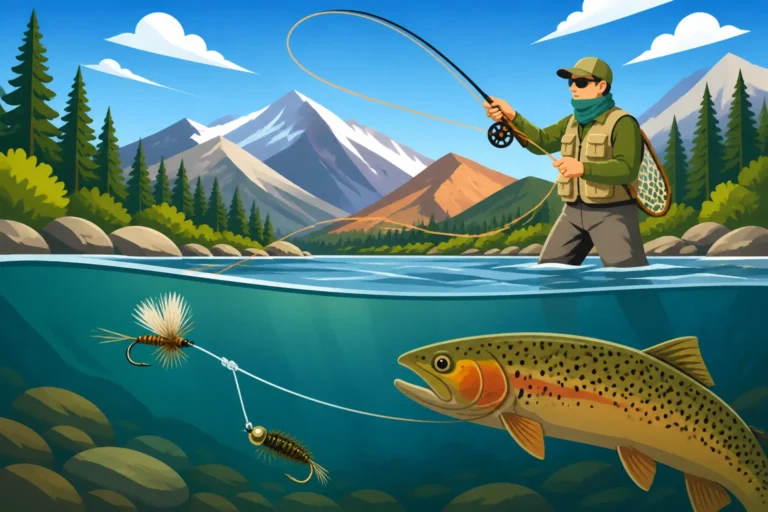
- Dry-Dropper Rig: Rig an emerger pattern two feet or so below an adult caddis dry fly. The dry fly acts as your indicator, and it also covers both the emerger and adult stages. This is a very versatile setup.
Fishing Adult Dry Fly Patterns
This is where the magic happens, with aggressive, visual strikes.
- The Dead Drift: Sometimes, especially during a lull in the hatch or when fish are being particularly selective, a perfectly dead-drifted Elk Hair Caddis will do the trick. Aim for a natural, drag-free float over feeding fish.
- The Skitter: This is the quintessential caddis presentation. After your dry fly lands, give it a subtle twitch or short, jerky retrieve that causes it to "skitter" or "hop" across the surface. This mimics a real caddis drying its wings or laying eggs. This presentation often triggers a more aggressive, instinctual strike from trout. It's especially effective in faster water.
- Upstream Presentation: Often, casting upstream and allowing the fly to drift back to you is best. This presents the fly to the fish first, before your leader, reducing the chance of spooking them.
- Multiple Casts: Don't be afraid to cast multiple times to a rising fish. Sometimes it takes several presentations to get the angle or drift just right, or to trigger that aggressive take.
- Look for Seams and Eddies: Adult caddis are often washed into calmer water along current seams or in eddies. These are prime places for trout to hold and feed without expending too much energy. Consider the best time of day to fish a Colorado tailwater in summer, as insect activity can shift with temperature changes.
Rod, Reel, and Leader Considerations
For most Colorado caddis fishing, especially with dry flies or light nymphing, a 3-weight to 5-weight fly rod is ideal.
- Rod: A 9-foot, 4-weight or 5-weight rod offers a good balance of delicate presentation for dry flies and enough backbone for nymphing. If you're primarily throwing large, bushy dries or fishing smaller streams, a 3-weight can be a joy to cast.
- Leader: For dry flies, a longer leader (9 to 12 feet) tapered to a fine tippet (5x or 6x) will help with a more natural drift and reduce leader visibility. For nymphing, a shorter, stouter leader (7.5 feet, 3x or 4x) is often preferred for better turnover and strike detection.
- Tippet: This is where you connect your fly. During a caddis hatch, 5x or 6x fluorocarbon (for nymphs/emergers) or monofilament (for dry flies) is generally appropriate. If fish are extremely spooky or the water is very clear, you might even drop to 7x.
Remember, trout can be highly opportunistic. If they're actively feeding on caddis, but your chosen pattern or presentation isn't working, don't be afraid to switch it up. Try a different size, a different color, or even a different stage of the caddis life cycle. Sometimes a subtle variation is all it takes to turn a frustrating refusal into a gratifying hookup. Keep an eye on "Colorado Fishing Seasons Month by Month" to anticipate the best times for various hatches, including caddis.
Disclaimer
Fishing conditions and regulations in Colorado can change frequently. Always consult the most current Colorado Parks and Wildlife (CPW) regulations brochure before heading out to fish. This guide is for informational purposes only and should not replace official state regulations.