Best Time of Day to Fish a Colorado Tailwater in Summer
Trying to figure out the best time to hit a Colorado tailwater in the dead of summer can feel like a guessing game, leaving you wondering why some days are epic and others are a bust. Between scorching midday sun, fluctuating water temperatures, and the mysterious feeding habits of trout, it's easy to feel frustrated when you’re out on the water at the "wrong" time. This guide is all about cutting through that confusion, giving you the insider scoop on precisely when to cast your line for the most success on Colorado's legendary tailwaters during those warmer months.
Understanding Tailwater Dynamics in Summer
Summer in Colorado brings long, beautiful days, but it also brings unique challenges to fishing, especially on tailwaters. These rivers, fed by the bottom releases of large dams, maintain much more consistent and cooler water temperatures than freestone rivers. This consistency makes them prime fishing destinations when other waters might be too warm, but even tailwaters aren't immune to the summer heat and the nuanced shifts in trout behavior that come with it.
The Impact of Water Temperature on Trout Activity
While tailwaters generally stay cooler, the relentless Colorado summer sun can still subtly warm the water, particularly in shallower sections or during prolonged heat waves. Trout, being cold-blooded creatures, are incredibly sensitive to water temperature. Their metabolic rates, feeding habits, and even oxygen uptake are all tied directly to the mercury.
When the water is too cold, say below 40 degrees Fahrenheit, trout can become lethargic and less willing to chase food aggressively. Conversely, when water temperatures climb above 65 degrees, trout become stressed. They exert more energy to breathe, their metabolism spikes, and they'll often seek refuge in deeper, cooler pockets or shaded areas. On the Fryingpan River, for example, below Ruedi Reservoir, the water stays remarkably cold, often in the low 50s, even in August, making it a stellar summer fishery. However, even there, a particularly hot stretch of days combined with bright sun can make the fish less active at midday. Always carry a small stream thermometer. If you're seeing temperatures consistently hitting the mid-60s or higher, it's often best to give the fish a break and return when conditions are more favorable. Catching and releasing trout in warm water can be lethal for them, even if they swim away initially.
How Light Intensity Affects Trout Behavior
Beyond temperature, light intensity plays a massive role in how trout behave on summer tailwaters. Think about it from a trout's perspective: a bright, cloudless sky means predators from above, like ospreys and eagles, have a clear view. This makes trout more skittish and prone to seeking cover under cut banks, submerged logs, or in deep pools. Intense sunlight also penetrates the water more deeply, making it easier for trout to spot lines, leaders, and even the subtle imperfections in your fly presentation.
On the other hand, lower light conditions – dawn, dusk, or overcast days – provide a sense of security. Trout feel more confident moving into shallower feeding lanes and rising to the surface to intercept insects. The soft, diffused light also makes your gear less visible, giving you a better chance to fool those wary fish. This is why you'll often hear anglers talking about the "golden hour" – the first and last hours of daylight – as prime time. The combination of cooler temperatures and reduced light intensity during these periods creates an ideal feeding window.
Morning Magic: The Early Bird Catches the Trout
If you're serious about catching fish on a Colorado tailwater in the summer, setting your alarm for an early start is almost always going to pay off. The cool, quiet hours around dawn offer some of the most consistent and rewarding fishing opportunities.
The Dawn Patrol: First Light Opportunities
There's a reason seasoned anglers are often the first ones wading into the river as the sky begins to lighten. As the sun barely peeks over the horizon, painting the eastern sky with soft hues, the water temperature is at its coolest after the overnight hours. This refreshing chill invigorates the trout, making them more active and willing to feed after a night of relative inactivity. On rivers like the South Platte below Cheesman Canyon, you’ll find fish actively cruising the banks or holding in prime feeding lies, eager to snap up any lingering nocturnal insects or nymphs that have dislodged overnight.
This period, often before 7 or 8 AM, is excellent for a variety of techniques. Nymphing with attractor patterns or smaller midges can be incredibly effective, as trout are often still looking for subsurface meals. You might also find opportunistic feeders willing to take a well-presented streamer, especially larger brown trout that are more active in low light. The low light also means you can often get away with slightly heavier tippet than you'd use later in the day, though maintaining a delicate presentation is always key on clear tailwaters.
Mid-Morning Transition: Matching the Hatch
As the sun climbs higher and the light intensifies, the tailwater comes alive with insect activity. This mid-morning window, typically from around 8 AM to 11 AM, is often when you'll see the most significant hatches of the day. On many Colorado tailwaters, this means prolific emergences of Pale Morning Duns (PMDs), caddis, or even smaller blue-winged olives (BWOs) on cloudier days.
This is the time to really focus on observation. Take a few minutes to watch the water for rising fish and look for adult insects floating on the surface. If you see consistent rises, it's time to switch to dry flies or emergers that precisely imitate what the trout are eating. This is where your fly box full of specific patterns like Parachute Adams, Comparaduns, or Elk Hair Caddis, all available on Amazon, really comes into play. The trout can become incredibly selective during a strong hatch, keying into size, shape, and even the exact shade of the natural insect. Successfully Matching the Hatch on Colorado's Tailwaters during this period can lead to some truly memorable dry fly fishing. Don't be afraid to drop a small emerger or a soft-hackle nymph a foot or so off your dry fly as a dropper, as many trout will feed on emerging insects just below the surface before they fully hatch.
The Midday Slump: Navigating the Toughest Hours
After the flurry of morning activity, things often slow down dramatically on summer tailwaters, particularly from late morning through mid-afternoon. This period, roughly from 11 AM to 3 PM, is when many anglers pack up, and for good reason.
Why Trout Go Deep or Seek Refuge
The primary culprit for the midday slump is the combination of intense sunlight and rising water temperatures. As the sun beats down, especially on a cloudless Colorado day, the water slowly but surely warms. Even a slight increase can stress trout, pushing them out of their active feeding lanes and into cooler, deeper, or more shaded sanctuaries. They'll often tuck themselves under undercut banks, behind large rocks, or in the deepest parts of pools, conserving energy and trying to avoid the harsh light. On the Blue River in Silverthorne, for instance, you'll see fewer fish actively feeding in the shallow riffles by noon on a sunny August day.
When trout are in these refuges, they become far less interested in actively feeding. Their instinct for survival kicks in, and feeding becomes secondary to finding comfort and safety. This is also when fishing pressure can be at its highest, with more anglers on the water, further contributing to spooky fish. Trying to coax a bite out of a stressed, hidden trout is a challenging endeavor, even for experienced anglers.
Strategies for Challenging Midday Conditions
While the midday slump is real, it doesn't mean you have to completely abandon the river. It simply means adjusting your expectations and tactics. Here are a few strategies to try:
- Go Deep and Heavy: If trout are holding in the deepest parts of pools, you need to get your flies down to them. This means using heavier nymph rigs, potentially with split shot, to achieve a fast sink rate. Nymphing Techniques for Colorado Tailwaters during this time often involves using larger indicator setups and longer leaders to reach those bottom-dwelling fish. Try patterns that imitate larger stoneflies or caddis larvae, as these provide a more substantial meal for a trout that isn't actively hunting.
- Target Shade and Structure: Focus your efforts on areas that offer shade or physical cover. Look for deep pockets directly under dense trees, shadowed banks, or large boulders that create breaks in the current. These spots often hold fish even during the brightest part of the day. A well-placed cast into a shadowed eddy can sometimes elicit a surprising strike.
- Downsize and Delicacy: If you do encounter rising fish, they will likely be incredibly selective and wary due to the clear water and bright light. This is the time to use the longest, finest tippet you dare – think 6x or 7x fluorocarbon – and the smallest, most accurate fly patterns. Midges, even in summer, can be a consistent food source, so having a good selection of Best Midge Patterns for Colorado Winter Fishing can translate to summer success as well. Stealth is paramount; make long casts and minimize false casts to avoid spooking fish. Consider wearing neutral-colored clothing and approaching the water slowly and low.
- Take a Break: Honestly, sometimes the best midday strategy is to take a break. Head back to the car for lunch, explore a nearby town, or simply relax by the river in the shade. It not only conserves your energy but also allows the river to rest, potentially resetting conditions for the evening bite. This break is also a great time to check Colorado Parks and Wildlife's website for the Colorado Fishing Season Dates and Bag Limits or to review the Colorado Fishing Regulations Every Angler Should Know to ensure you're compliant.
Evening Rise: Prime Time Returns
Just as the morning offers fantastic fishing, the transition from late afternoon into evening brings a renewed burst of activity on Colorado tailwaters. This "evening rise" is often the most anticipated part of the summer fishing day.
As Shadows Lengthen: Renewed Activity
As the afternoon heat begins to wane and the sun dips lower, casting long shadows across the water, the tailwater undergoes a significant transformation. The air cools, and with it, the water temperature often begins a subtle descent, reaching that sweet spot where trout feel comfortable moving out of their midday hiding spots. This period, usually from 4 PM until dark, sees a surge in trout activity. They'll begin to move back into shallower riffles, runs, and current seams, actively seeking food.
This renewed activity can be exhilarating. You'll often see more consistent feeding behavior, and the fish might be slightly less wary than during the bright midday hours. This is an excellent time for prospecting with larger nymphs, emergers, or even small streamers, especially as fish position themselves for the evening hatches. Pay close attention to the water's surface for any signs of feeding activity, which will guide your fly selection and presentation.
The Golden Hour: Caddis and Mayfly Hatches
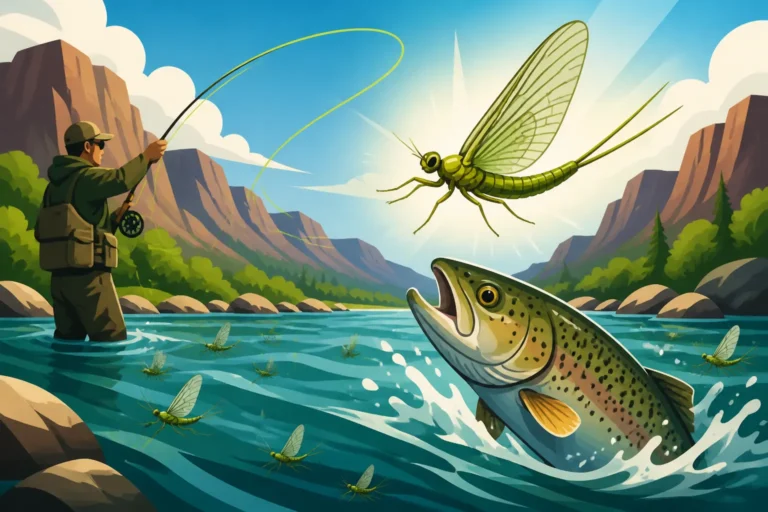
The true highlight of the evening on a summer tailwater is often the "golden hour" – that magical time just before sunset and into twilight. This is when some of the most prolific and exciting insect hatches can occur. Caddis flies, in particular, are known for their spectacular evening emergences on rivers like the Arkansas River or sections of the Colorado River. You might see clouds of adults fluttering over the water, followed by splashy rises from trout eagerly snatching them off the surface.
This is prime dry fly territory. Having a good selection of Fly Selection for Colorado's Caddis Hatch patterns, along with various mayfly imitations like PMDs or Blue-Winged Olives, is crucial. Trout can become intensely focused on these abundant food sources, and a well-presented dry fly can lead to consistent hook-ups. Remember, as the light fades, your visibility decreases, so tie on your chosen pattern while you can still see clearly. A headlamp (easily found on Amazon) is a must-have for tying knots or navigating the riverbank as darkness fully sets in.
During this time, a good pair of polarized sunglasses (also a great Amazon find) can make all the difference in spotting subtle rises against the glare of the setting sun. Fish will often feed with reckless abandon, offering some of the best dry fly action of the day. However, as it gets darker, stealth remains important. Trout can still be spooky, and the low light just makes them harder to see as they move. Focus on casting to rising fish, anticipating their feeding lanes, and enjoy the serenity of the river as the day winds down.
Here's a quick reference guide to help you plan your summer tailwater adventures:
| Time of Day | Trout Activity Level | Key Characteristics | Recommended Tactics |
|---|---|---|---|
| Dawn to Mid-Morning (approx. 5 AM – 11 AM) | High | Coolest water temps, low light, trout active after night. Good subsurface and early hatch opportunities. PMDs, Caddis, BWOs may start. | Nymphing with attractor/midge patterns, small streamers (especially for brown trout), opportunistic dry flies as hatches begin. Focus on covering water. |
| Midday (approx. 11 AM – 3 PM) | Low to Moderate | Hottest water temps, intense direct sunlight, increased fishing pressure. Trout seek deep, cool, shaded cover. Can be very selective if feeding. | Deep nymphing with heavy rigs, targeting shaded areas/structure, very delicate presentation with small flies/fine tippet, or taking a break. |
| Late Afternoon to Dusk (approx. 3 PM – 9 PM) | High | Cooling water temps, softening light, shadows lengthen. Trout begin to move out of cover and actively feed. Evening hatches (Caddis, PMDs, Tricos) become prominent. "Golden Hour" for dry flies. | Nymphing as fish move, transitioning to emergers and dry flies as hatches develop. Focus on visible rises. Longer leaders and How Fine a Tippet You Need for Selective Tailwater Trout are important for clear water. |
Remember that these are general guidelines, and local conditions can vary. Keep an eye on the weather, water levels, and consult local fly shops for the most up-to-date information on hatches. Using tools like Colorado's Fishing Atlas to Plan a Trip can also help you understand specific tailwater characteristics. Most importantly, enjoy the peace and challenge that summer tailwater fishing in Colorado offers, no matter what time you're out there.
Disclaimer
Fishing conditions and regulations in Colorado can change. Always check the current Colorado Parks and Wildlife regulations before heading out. This guide provides general information and recommendations, but individual experiences may vary. Practice safe angling and responsible catch-and-release techniques.